3D interior design
3D interior design has become an indispensable tool for turning your ideas into tangible reality before starting actual execution.
Makaseb
June 2, 2026 at 12:07 pm AST
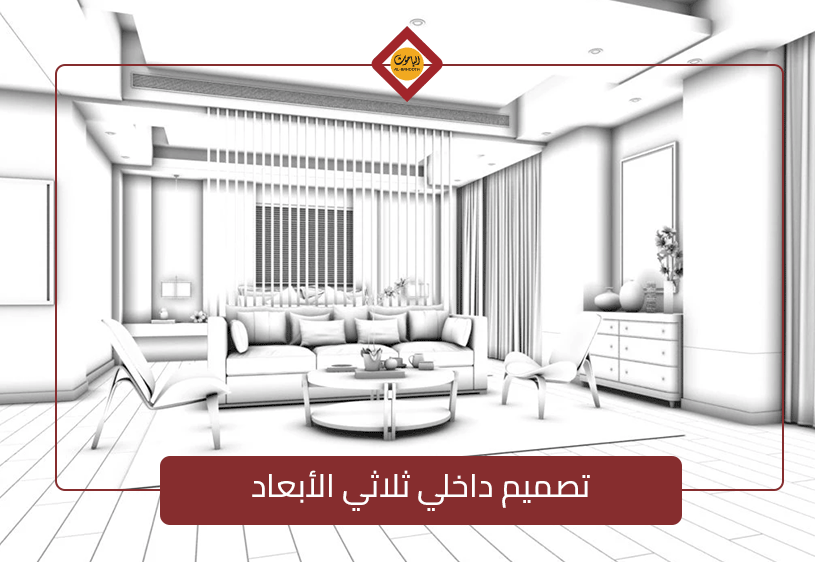
3D interior design has become an indispensable tool for turning your ideas into tangible reality before starting actual execution. Thanks to 3D modeling techniques, it is now possible to visualize interior spaces and experiment with furniture and lighting arrangements professionally, as if you were walking through the real space. 3D interior design provides an accurate representation of wall colors, materials, and the appearance of interior décor elements without any guesswork or uncertain trials.
Relying on 3D interior design allows homeowners, business owners, and anyone seeking optimal use of a space to make well-founded and effective decisions. Virtual space design enables you to simulate a work or home environment and examine minute details to avoid costly mistakes later. Additionally, simulating interior décor allows testing different options for every corner, ensuring more precise and guaranteed choices for furniture, lighting, and materials. For full utilization of 3D interior design capabilities or professional space modeling, you can request design services from Al-Bahouth Factory.
What Is 3D Interior Design?
3D interior design is a modern approach that builds comprehensive digital models of interior spaces, whether residential or commercial, to provide a realistic visual representation of various décor aspects. This technology allows design enthusiasts and architects to explore the space from all angles, highlighting details such as lighting, colors, materials, and furniture arrangement, along with virtual walkthroughs offering a complete preview of the final result.
How Does 3D Modeling Work?
3D modeling involves creating precise virtual scenes of spaces, starting from walls and architectural elements to small details like fabric types and lighting fixtures, using specialized software that ensures realism and clarity in visual presentation.
Difference from 2D Drawings
3D interior design differs from 2D drawings in its ability to provide an accurate idea of space and décor. While 2D drawings are limited to flat plans and lines, 3D design offers realistic scenes, allowing everyone to explore furniture, colors, lighting distribution, and live details as if they were physically walking inside the space.
Why Do Users Need 3D Design?
The need for 3D interior design increases with clients’ desire for precise visual representation of spaces before execution. This type of design helps mitigate budget waste or inappropriate material selection and offers users a realistic internal render to make clearer and more confident decisions.
The Problem with Imagining Space
Designing interiors on paper often makes it difficult to visualize them accurately, leaving dimensions and final results ambiguous. Visualizing with a realistic 3D render allows you to see the space clearly, providing a tangible impression that helps avoid unwanted surprises during execution.
How It Reduces Errors
Digital space simulation enables discovering errors and necessary adjustments early in the process. Once the 3D design is displayed, defects become obvious, facilitating correction before actual execution and preventing complications or additional costs from late modifications.
How It Helps Budgeting
Through 3D design, materials and finishes can be specified accurately, reducing the risk of selecting unsuitable options or overspending. A realistic internal render provides a clear picture of project needs, allowing effective budget allocation and avoiding unexpected costs during implementation.
Suitable Software for 3D Interior Design
When searching for 3D interior design software, users often consider platforms like SketchUp, Blender, and other tools that facilitate transforming ideas into realistic designs. These programs vary in complexity, with some suitable for beginners and others aimed at professionals requiring advanced 3D décor design capabilities.
Software for Beginners
For beginners, software with an intuitive and simple interface and clear guidance tools is crucial, enabling users to start quickly without prior design experience. Programs like SketchUp provide a practical interface allowing beginners to test ideas and gradually develop their skills.
Software for Professionals
Professionals prefer advanced 3D interior design software that offers realistic models, detailed accuracy, and advanced rendering capabilities. Tools like Blender support integration with professional workflows and provide customization and advanced settings suitable for large and complex projects.
How to Choose the Right Software
Selecting the right 3D décor software requires considering several key factors:
- Ease of use, especially if the team includes members with varying experience levels.
- Output quality, essential for presenting ideas reliably for client discussions or team collaboration.
- Software integration with workflow and other tools, impacting speed and flexibility across project phases.
How to Start Learning 3D Interior Design
Beginners in 3D interior design seek a clear step-by-step approach, from initial sketches to fully realistic images. Questions often focus on converting plans into 3D models and adjusting lighting and materials for a realistic final render—a challenging aspect for newcomers. If you plan to enroll in a 3D interior design course or seek a practical method to learn 3D design from scratch, these steps outline the practical path.
First Steps
Start by understanding 3D interior design basics and principles of furniture and space distribution. Then, learn specialized software via tutorials or a suitable 3D interior design course, with initial practice on accurate 2D layouts as the foundation of any successful project.
From Plan to Model
After preparing the 2D plan, the designer converts the drawing into a 3D model using 3D design software, focusing on walls, furniture, and element distribution with attention to detail according to project requirements.
Achieving the Final Render
To obtain the final render, the designer must properly place lighting sources, adjust material textures to appear true-to-life, and set rendering parameters for a realistic image. Lighting and shadow adjustment remain a major challenge for beginners in 3D interior design.
Benefits for Clients
Advanced 3D interior design services are now essential for both homeowners and companies. Using 3D décor design services from a specialized 3D interior design company allows a realistic and accurate preview of spaces before execution, enhancing decision-making and minimizing long-term financial risks.
Homeowners
Homeowners can view a virtual model of their future home, simplifying visualization, enabling adjustments before execution, and ensuring confidence that results match actual expectations.
Companies
For businesses, 3D interior design provides accurate and practical designs for offices or showrooms, facilitating plan and décor adjustments before committing costs, reducing potential financial waste due to subsequent changes.
Supporting Purchase Decisions
3D interior design visualization allows clients to preview the final design and assess all details clearly, enhancing confidence in purchase decisions and determining whether the concept meets needs and preferences before actual spending.
For professional 3D interior design services, you can contact Al-Bahouth Factory to access the latest 3D design solutions tailored for homes and companies.
Conclusion
3D interior design is an effective tool for making informed decisions about space planning and selecting appropriate details, minimizing costly mistakes or unexpected changes later. To execute your vision with precision and clarity, request Al-Bahouth Factory’s 3D interior design service and leverage the full potential of 3D interior design to create practical and attractive spaces that meet your needs.