Aluminum kitchen custom-made company
Choosing an aluminum kitchen cabinet fabricator is not an ordinary buying decision; it is a choice that impacts your kitchen's daily function for many years.
Makaseb
August 17, 2026 at 4:10 pm AST
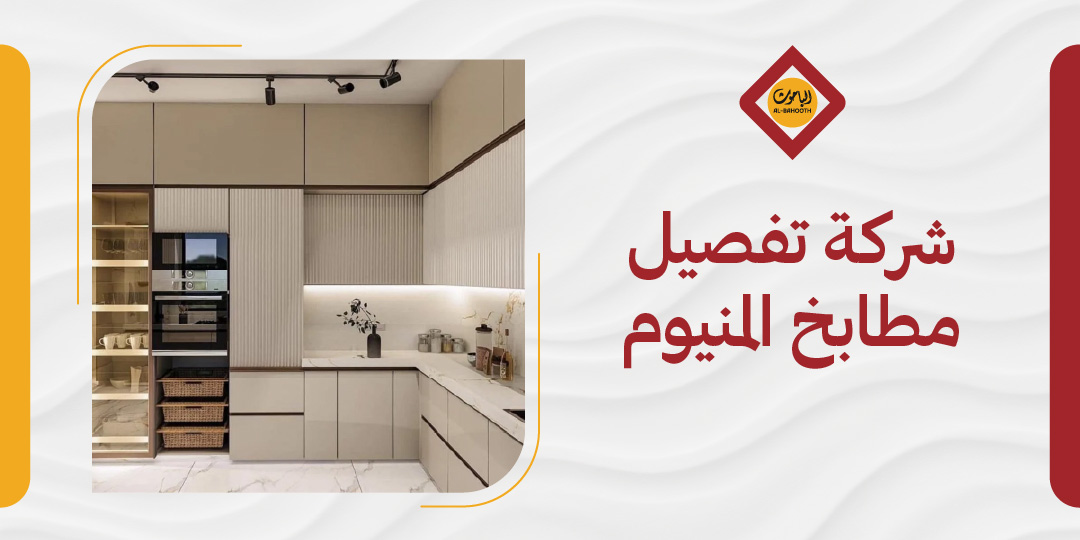
Choosing an aluminum kitchen cabinet fabricator is not an ordinary buying decision; it is a choice that impacts your kitchen's daily function for many years. Many customers face recurring problems: a kitchen that fails to utilize available space efficiently, materials that cannot withstand constant steam and humidity, or a price quote that seems reasonable initially but gradually increases after agreement. Added to this are installation delays and a lack of clear accountability after delivery, making the entire experience exhausting.
The solution lies in working with a specialized aluminum kitchen factory that coordinates all stages internally—starting from inspection and precise measurement, through space-appropriate design and custom kitchen fabrication, to professional installation—all within a written quote that fully details specifications, costs, and included services. Bahooth Factory offers an integrated service to design and install modern aluminum kitchens tailored to your actual needs. Contact us today to request an initial inspection and precise measurement, and discuss your requirements to receive a clear, detailed quote before starting any execution.
The Best Aluminum Kitchen Fabricator and Integrated Fabrication Services
What many homeowners look for is not simply buying ready-made cabinets, but a specialized entity that manages the entire kitchen project from the first site visit to final delivery. This type of service allows you to discuss details, additions, and specifications during the contracting phase rather than facing surprises during execution. This is where Bahooth excels, as an aluminum kitchen fabricator offering an integrated service that starts with measurement and ends with delivery without overlooking any detail.
1. Inspection and Precise Measurement
Before drawing any design or defining specifications, the field measurement step cannot be skipped or replaced with rough estimates. Errors at this stage directly affect the final cost and execution quality.
Elements to measure and document during site inspection:
- Measuring the length of all walls and ceiling height to accurately determine upper and lower cabinet dimensions.
- Identifying locations of doors, windows, columns, and irregular corners to avoid interference with cabinets.
- Mapping electrical outlets, plumbing points, and exhaust hood outlets to align unit distribution around them.
- Documenting dimensions of household appliances to be installed to allocate appropriate space for each appliance.
The difference customers notice after delivery often stems from the quality of this specific phase. Precise measurement reduces unwanted gaps and prevents drawers from clashing with appliances, while neglecting site details appears later as alignment problems or difficulty opening doors.
2. Custom Space-Based Design
Accurate kitchen measurement enables an actual design that reflects the space's nature rather than copying a pre-made model. Custom-sized cabinets mean a thoughtful layout compatible with daily usage flow rather than filling walls with identical units.
For instance, in a medium-sized kitchen, you can allocate:
- Upper cabinets for storing dry food and light cookware, keeping an accessible height in mind.
- Lower cabinets with drawers distributed according to daily storage needs and cooking tools.
- A sink unit sized to fit plumbing locations without needing subsequent modifications.
- Dedicated spaces for the refrigerator, oven, and microwave integrated into the design from the start.
This layout cannot be achieved with ready-made kitchens because they are designed for standard dimensions, whereas custom fabrication accommodates irregular corners, tight spaces, and uniquely shaped kitchens.
3. Organized Manufacturing and Installation
After approving the design and specifications, aluminum kitchen installation proceeds in an organized sequence ensuring a precise outcome:
- Approving final measurements and technical drawings along with full material and accessory specifications.
- Starting workshop fabrication according to approved measurements, inspecting parts prior to shipping.
- Coordinating the installation date with the client and preparing the site for reception.
- Installing lower units first, adjusting horizontal and vertical alignment levels.
- Mounting upper units with sufficient wall anchorage to guarantee safety.
- Installing doors, drawers, and all internal and external accessories.
- Testing the opening and closing mechanism of all units and verifying finishes before handover.
4. Subsequent Dismantling and Maintenance
Dismantling, re-installing, and drawer or hinge maintenance services are part of what you may need over your kitchen's lifespan. Asking about them explicitly before contracting rather than after is recommended.
Services worth inquiring about in advance:
- Completely dismantling an old kitchen in preparation for new installation.
- Relocating an existing kitchen to another site while preserving unit integrity.
- Re-installing the kitchen after relocation or renovation.
- Repairing hinges or drawers damaged through use.
- Replacing damaged parts without needing to replace the entire kitchen.
Whether these services are included in the total price or priced separately should be clarified, as this directly affects the evaluation of the offered proposal and decision-making.
Advantages of Aluminum for Kitchens
Aluminum is a widely used material in kitchen design for objective reasons related to its physical properties. However, material alone does not determine the final kitchen quality; profile thickness, finish precision, accessory quality, and closure mechanism—all these factors determine the difference between a kitchen built to last for years and one that disappoints after a few months.
1. Resistance to Humidity and Heat
Aluminum kitchens are typically chosen for environments exposed to constant steam and water because this material handles humid conditions well compared to alternatives that might swell or warp over time.
However, actual performance is not limited to the metal type alone; outer coating, pressing and sealing quality, and hinge and accessory conditions all impact how well the kitchen withstands heat and moisture over the long term.
2. Easy Daily Cleaning
Smooth surfaces in aluminum kitchens make removing daily grease and stains straightforward; regular wiping is sufficient without requiring significant effort.
To maintain the finish:
- Use a soft cloth with warm water or a mild, non-abrasive cleaner.
- Dry surfaces immediately after cleaning to reduce water standing in joints and corners.
- Avoid rough sponges and strong chemical cleaners before testing them on an inconspicuous area, as aluminum finishes or decorative layers could scratch or lose their luster.
3. Available Design Options
The variety of aluminum kitchen fronts offers real aesthetic flexibility; you can achieve a modern look in neutral tones, a quiet design in dark shades, or even fronts imitating wood grain.
- Matte colors lend a quiet, contemporary character suitable for both large and small spaces.
- Glossy fronts reflect light and visually expand the sense of space.
- Certain profiles mimic wood texture, providing visual warmth without natural wood maintenance burdens.
The final aesthetic result depends on harmonizing front colors with countertops, walls, lighting, and handles together.
4. Potential Material Limitations
Every material has practical limits, and aluminum is no exception. Some finishes can scratch under repeated use, while sound quality when closing doors and drawer stability are mostly tied to accessory and hinge quality rather than the metal frame alone.
Before making a final decision, verify these points:
- Inspecting an actual profile sample to check thickness and rigidity levels.
- Testing door and drawer movement to ensure smooth operation of hinges and aluminum drawers.
- Reviewing the outer coating type to evaluate scratch resistance.
- Asking selected aluminum kitchen fabricators about specifications and brands of accessories used.
Design Options and Materials
A kitchen design decision goes far deeper than choosing cabinet colors. Successful design combines front style, storage layout, suitable countertops, handle types, and lighting, while allowing sufficient clearance for operating appliances and opening doors freely. Making the right choices at this stage separates a comfortable kitchen for daily use from one that merely looks attractive.
1. Types of Aluminum Fronts
Aluminum kitchen fabricators offer multiple front options during execution, each differing in technical properties and finishing quality. Matching your choice to actual usage, budget, and sample quality is the primary standard, rather than preferring one type absolutely.
- Sheet aluminum fronts: Characterized by rigidity and ease of shaping, suitable for modern kitchens with clean lines and spacious layouts.
- Cladding fronts: Provide flexibility across multiple finishes (matte, gloss, wood-grain), offering designers broader visual choices.
- Multi-finish profiles: Vary in thickness and structural method, with differences becoming obvious when comparing physical samples directly.
2. Internal Unit Distribution
Good storage is not measured solely by cabinet count, but by how well each unit accommodates your family's actual items. Planning internal space thoughtfully saves time and reduces daily kitchen clutter.
Functional distribution serving daily use includes:
- Drawers for small items like utensils and cutlery, accounting for appropriate depths and dimensions.
- Kitchen cabinets for large cookware and pots, featuring adjustable shelving to accommodate varying heights.
- A dedicated sink unit providing internal storage space for cleaning supplies.
- Space for dry food and pantry items placed near prep areas for easy access.
- Units for built-in appliances when required, sized precisely to fit specific appliance dimensions.
3. Choosing Suitable Countertops
No single countertop material is perfect for every application; each material carries advantages and limitations. Your choice depends on cooking style, daily usage patterns, and acceptable maintenance levels.
4. Inspecting Samples Before Approval
Many customers initially focus on front colors, only to discover after months of use that drawer counts, shelf heights, prep space, and hinge quality create actual daily convenience rather than appearance alone. Inspecting physical samples thoroughly before final approval is an indispensable step.
Pre-approval inspection checklist:
- Inspecting front colors under actual site lighting rather than showroom lighting.
- Evaluating finish texture by direct touch to ensure uniformity.
- Measuring profile thickness to confirm suitability for aluminum sheet or cladding kitchens.
- Checking edge straightness to ensure freedom from warping or bending.
- Reviewing front mounting methods to confirm secure attachment.
- Testing handle quality and stability under a firm grip.
- Verifying smooth hinge operation during repeated opening and closing.
- Testing drawer sliding motion to ensure smooth operation.
- Inspecting joint details around the sink to confirm tight surface fit.
Execution and Delivery Stages
Selection alone is not enough; after agreeing on design and materials with an aluminum kitchen fabricator, the most critical phase begins: documentation and follow-up. This phase marks the real difference between a kitchen delivered according to agreed specifications and one that creates disputes over details.
1. Quote and Design Approval
Before taking any execution steps, everything must be documented in writing. Verbal agreements are convenient initially, but they open the door wide to future disputes regarding specifications, modifications, or costs.
An approved custom kitchen contract must include:
- An illustrated design plan approved by both parties.
- Essential dimensions for each unit and the entire space.
- Front type and required finish color.
- Countertop type if included in the order.
- Upper and lower cabinet counts and drawer counts.
- Handle, hinge, and internal accessory types.
- Clearly stated scope of included work to prevent disputes over paid versus extra items.
- Total cost and payment schedule.
- Written installation date or agreed timeframe.
2. Transparent Manufacturing Follow-Up
There is no fixed execution timeframe suitable for all projects. Kitchen delivery is influenced by multiple factors simultaneously: kitchen size, design complexity, material availability, and built-in appliances or countertops requiring coordination with external suppliers.
Therefore, relying on verbal promises is not recommended. It is better to request a written stage-by-stage schedule detailing each manufacturing and installation phase, or at least a final delivery date documented within the contract, providing a clear reference in case delays occur.
3. Final Installation Inspection
Before signing the delivery receipt, inspecting finishes warrants sufficient time and careful review. You can use the following checklist:
- Color and design match approved samples or specifications.
- Upper and lower cabinets are straight and level.
- Wall mounting is secure with zero wobbling.
- Gaps between units and doors are uniform.
- Doors open and close without friction or noise.
- Drawers slide smoothly when opening and closing.
- Edges and corners are safe, free from cuts or sharp protrusions.
- Surfaces and fronts are free from visible scratches.
- Sink and built-in appliance locations match the design layout.
- The installation site is cleaned of work debris, if agreed upon.
4. Receiving Warranty and Service Documentation
Installation completion does not end supplier obligations. Kitchen warranties and post-sale service form an integral part of the agreement and must be received documented in writing, not verbally.
Warranty and service documentation should include:
- Clearly defined warranty duration.
- Specific parts covered by warranty, such as hinges, drawers, and structural frames.
- Expressly excluded conditions to avoid future surprises.
- Procedure for registering maintenance requests or contacting the service team.
- Expected response timeframe, if specified in the contract.
Fabrication Pricing Factors
Fabrication pricing is not determined merely by measuring available space; the final quote is shaped by several interconnected aspects: actual dimensions, design complexity, aluminum grade, finishes, accessories, countertops, and associated delivery and installation services. Consequently, two quotes can vary significantly even for kitchens of similar area. Understanding these factors helps you read any proposal with greater awareness.
1. What Drives Up the Cost
Custom kitchen costs accumulate across multiple items, each directly affecting the final figure. Key cost drivers include:
- Total linear meters or required units serve as primary determinants; overall price rises as area or cabinet count increases.
- Kitchen shape affects execution complexity; corner or island layouts require extra fittings and specialized finishing compared to straight configurations.
- Height of upper and lower cabinets directly influences raw material consumption.
- Aluminum grade and front type fundamentally dictate price categories, with substantial cost variations across front options.
- Internal cabinet finish quality, including drawer counts and hinge/runner types, directly impacts overall aluminum kitchen pricing.
- Handles and countertops factor into pricing and may be listed as separate line items.
- Sink cutouts and built-in appliance preparations require precise cutting and modifications, adding to installation costs.
- Transport, dismantling, and installation items may be bundled in the quote or calculated separately depending on the case.
2. How to Compare Quotes
When receiving multiple fabrication quotes, do not compare total figures in isolation; first verify that specifications match. Many price gaps between quotes stem from differences in profile thickness, accessory quality, or whether countertops and installation are included. Professional aluminum kitchen fabricators provide detailed proposals outlining every item clearly.
Use these questions for an accurate comparison:
- Does the price include site inspection, or is that billed separately?
- Does the quote cover design and layout drawings?
- Are installation and transportation costs included in the total?
- What front type is proposed, and what is its thickness?
- What are the specifications and brands of hinges and runners used?
- Is the countertop calculated within the proposal or excluded?
- Are there additional fees for dismantling, modifications, or post-installation visits?
Any professional aluminum kitchen fabricator should answer these questions transparently before contract signing.
3. What the Price Includes
Before approving any offer, know exactly what you are getting for the quoted figure. Kitchen meter pricing alone is insufficient to understand true value without knowing what falls under it.
Ensure your quote includes:
- Kitchen design and layout tailored to space and needs.
- Site inspection and precise measurements.
- Upper and lower cabinets with full specifications.
- Kitchen accessories, including hinges, runners, and internal drawers.
- Countertop and sink cutout, if requested.
- Transportation, installation, and final finishing.
4. How to Manage Your Budget
Budget management does not mean choosing the cheapest option; it means directing expenditure toward what adds actual value to daily use. Follow these practical steps:
- Define essential needs first before considering optional or purely aesthetic features.
- Prioritize functional storage, smooth kitchen workflow, and accessories used daily.
- Request alternative fronts or handles if the budget is tight, without compromising carcass structure or hinge quality.
- Document all agreed additions and modifications within the contract before execution begins to avoid unexpected fees later.
Frequently Asked Questions About Aluminum Kitchen Fabrication
Customers often search for specific figures before contacting an aluminum kitchen fabricator. However, practical reality dictates that final pricing cannot be determined without actual site measurements, selected design, raw materials, accessories, and required services. An accurate response requires a detailed kitchen price quote outlining each item individually rather than relying on a general figure that may be misleading.
How much does custom aluminum kitchen fabrication cost?
Custom kitchen fabrication costs are determined by several interconnected factors rather than a fixed figure. Key elements influencing price include:
- Kitchen area and upper/lower unit counts determine overall project scale.
- Front type regarding finish, color, and thickness directly impacts cost.
- Selection of countertops, drawers, and hinges varies across budget and premium tiers.
- Installation, dismantling, or re-installation services are sometimes listed as separate quote items.
Requesting a written quote from the factory outlining every included item is recommended to prevent gaps between expectations and execution.
What is the price per meter for aluminum kitchens?
The price per meter for aluminum kitchens is not a unified metric suitable for direct comparison, as the meaning of "meter" varies from one quote to another (linear meter, front surface area, or complete module). Additionally, prices vary based on aluminum type, thickness, finish, included accessories, and attached services like measurement and installation. A raw number without detailed specifications does not reflect true custom kitchen costs.
How is the aluminum kitchen meter price calculated?
When comparing quotes from multiple suppliers, ensure comparisons are made using identical specifications. Differences in aluminum profile thickness, front types, drawer quality, countertops, and installation methods can render the meter rate figure entirely misleading. Correct comparison starts by unifying specifications first, then comparing prices.
How much does kitchen design cost?
Kitchen design costs vary across fabricators; design may be included within a complete execution package or calculated as an independent item according to factory policy. This cost is influenced by required drawing details, 3D spatial renderings, required modification rounds, and layout complexity. For clarity, contact Bahooth to request an inspection and complete price proposal, documenting all specifications prior to final order approval.
Conclusion
Choosing the right kitchen is not a decision to be rushed; it requires a systematic approach starting with space assessment and ending with verified installation quality and warranty coverage. A successful kitchen combines a practical layout catering to daily workflow, clearly specified materials and finishes, precise installation ensuring stability, and a fabricator committed to initial agreements.
Before making your final decision, consider these practical steps:
- Define your space requirements and built-in appliances before discussing design.
- Review sample materials and previous projects from the fabricator to verify actual finishing quality.
- Request written specifications and a detailed itemized proposal covering every execution phase.
- Compare included services across quotes rather than prices alone, as cost differences often reflect major variations in material quality or installation.
- Confirm clear warranty coverage and defined post-sale service procedures.
When searching for an aluminum kitchen fabricator that combines experience with execution precision, Bahooth Factory offers custom kitchen fabrication according to high quality standards—from design through installation and warranty. Every kitchen is executed under agreed written specifications, with genuine attention given to every detail of space and usage.
Contact Bahooth Factory today—send your kitchen dimensions or schedule an inspection to discuss suitable designs, select materials and accessories, and receive a comprehensive detailed quote from a specialized aluminum kitchen factory that puts your needs first.