bedroom design
Bedroom design serves as the foundational element that determines human comfort and relaxation within the home.
Makaseb
May 22, 2025 at 9:37 am AST
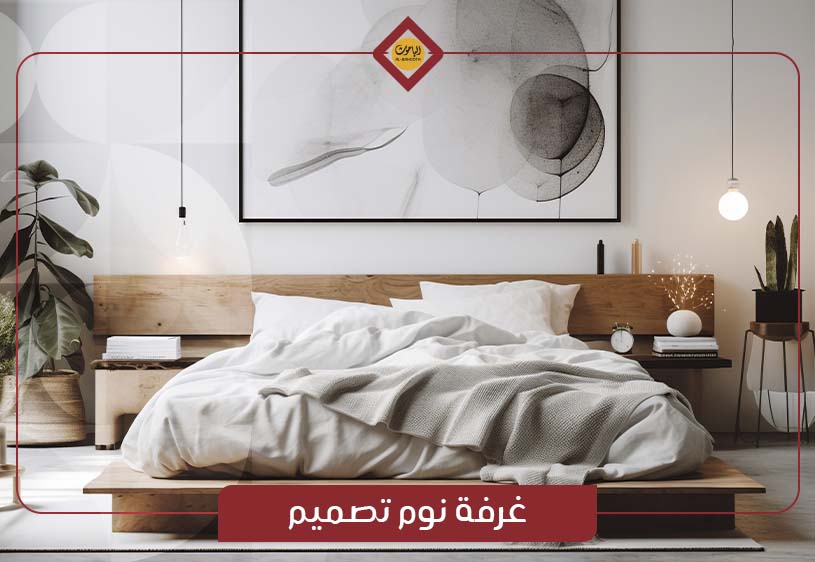
Bedroom design serves as the foundational element that determines human comfort and relaxation within the home. When attention is paid to bedroom design, an ideal environment is created that merges beauty with functionality, contributing to improved sleep quality and psychological well-being. Therefore, selecting the appropriate design for the bedroom is an important step that reflects personal taste and satisfies daily needs.
The Importance of Focusing on Bedroom Design A bedroom design holds substantial importance; without intentional room design, the space remains devoid of soul and form. For this reason, focusing on design is critical. The key benefits include:
- Fostering Rest and Relaxation: The bedroom serves as the primary refuge for rest after a long day, where a comfortably designed space helps soothe nerves and recharge energy. Paying attention to details such as color palettes and lighting enhances sleep quality and elevates psychological well-being.
- Improving Sleep Quality: Proper bedroom design directly impacts the quality of your rest. Choosing an ergonomic bed and arranging furniture functionally reduces stress. Furthermore, incorporating good ventilation and natural daylight creates an ideal environment for deep sleep.
- Optimizing Space Utilization: Thoughtful bedroom planning ensures maximum utilization of available floor space. Organizing furniture to facilitate easy movement minimizes clutter and maximizes comfort, yielding an orderly atmosphere that promotes a sense of tranquility.
- Providing Privacy and Security: The bedroom acts as a private sanctuary for every individual in the home. It should be engineered to preserve privacy regarding both acoustics and lighting, making it a safe retreat from daily pressures while reinforcing feelings of safety.
- Expressing Personal Identity: A tailored bedroom design reflects the personality and unique style of its owner. The selection of colors, furniture, and decor showcases personal taste, granting the space a distinct identity that imparts a sense of belonging and inner peace.
- Stimulating Creativity and Mental Calm: A well-designed bedroom quietens the mind and sparks creative thoughts. Uncluttered areas and serene color schemes yield an inspiring environment that positively impacts mental activity and innovation.
- Increasing Productivity and Daily Performance: Securing quality sleep in a comfortable bedroom influences your alertness the following day. Proper design optimizes rest, thereby raising concentration and attention levels during daytime hours so you can tackle tasks effectively.
- Promoting Physical Health: Selecting clean, eco-friendly materials for bedroom design fosters better physical health. Proper illumination and ventilation help prevent the growth of mold and bacteria, delivering a healthier living environment that elevates overall life quality.
If you desire a tailored bedroom design, contact us at Bahooth. We offer custom furniture design and manufacturing services to assist you in selecting and building the ideal bedroom for your specific needs. Contact our store today to get started.
How to Choose the Right Bedroom Design Choosing the right bedroom design requires balancing physical comfort, aesthetic appeal, and practical utility. Here are practical steps to guide your choice:
- Identify Personal Daily Needs: Begin by defining what you require from your bedroom—whether you prefer an expanse of open floor space, a simple quiet zone solely for rest, abundant storage, or a dedicated work nook. Understanding your daily habits helps dictate the design that fulfills them.
- Select Suitable Color Schemes: Color palettes significantly influence mood and emotional peace. Choose calm hues like soft blue, muted gray, or warm earth tones that promote relaxation and sound sleep.
- Evaluate Space and Proportions: Bedroom design depends heavily on available square footage. Compact rooms require smart spatial planning and multi-functional furniture, whereas larger rooms can accommodate distinct zones for lounging or reading.
- Choose Functional, Cohesive Furniture: Select furniture that is comfortable and practical while maintaining visual cohesion with other room elements. Ensure the bed remains the primary focal point without allowing surrounding furniture to cause overcrowding.
- Plan Strategic Lighting Layers: While natural daylight is essential, incorporate layered artificial light sources—ambient, task, and warm accent lighting—to yield a comfortable and functional atmosphere at all hours.
- Ensure Adequate Ventilation and Airflow: Designing a layout that permits natural airflow ensures a healthy indoor environment while reducing humidity and unwanted odors. Ensure windows and doors operate smoothly and pair them with suitable drapery.
- Add Personal Touches Through Simple Decor: Utilizing simple, elegant decorative accents adds personal flair without creating visual noise. Accent pillows, area rugs, and wall art can express your taste while completing the design vision.
- Balance Beauty with Practicality: A successful bedroom design must be aesthetically pleasing yet practical and easy to maintain. Consider ease of cleaning, movement, and accessible storage, avoiding overly complex layouts that may cause inconvenience over time.
Comparing Design Strategies for Large vs. Small Bedrooms Bedroom design approaches differ significantly depending on whether you are working with a spacious or compact room:
- Zone Creation vs. Smart Layouts: Large rooms allow space to be divided into multiple dedicated zones, such as reading or lounging areas, making the room versatile and inviting. Small rooms demand intelligent spatial planning that maximizes every square inch using multi-functional furniture to preserve floor clearance.
- Proportional Furniture Selection: Large bedrooms comfortably accommodate substantial, luxurious furniture pieces that fill the space with refined grandeur without causing congestion. Small bedrooms benefit from compact, lightweight furniture, as heavy pieces can make the room feel cramped and restrict movement.
- Color Palette Dynamics: In large rooms, deep or bold color palettes can be introduced without compromising the sense of space, adding dramatic depth instead. In small rooms, light and muted tones like soft white or warm beige are recommended to enhance visual expansion and prevent feeling enclosed.
- Lighting Distribution: Large rooms utilize both natural daylight and layered artificial lighting to delineate separate functional zones and highlight architectural details. Small rooms require evenly distributed, adequate lighting to eliminate dark shadows, making the space feel larger and airier.
- Storage Solutions: Large bedrooms can accommodate spacious freestanding wardrobes and open display shelving for organized storage. Small bedrooms rely on built-in or concealed storage integrated directly into furniture pieces to reduce visual clutter and keep walkways clear.
- Decorative Accents: Large spaces can feature oversized artwork and bold statement decor that tastefully anchor the room. Small spaces require simple, scaled-down accessories to avoid visual noise while keeping the atmosphere calm and orderly.
- Furniture Arrangement Flexibility: Large bedrooms offer complete freedom in furniture placement, allowing additional elements to be added effortlessly. Small bedrooms demand precision planning and careful arrangement to avoid clutter and maximize usability.
Ultimately, bedroom design plays a vital role in enhancing daily quality of life. It encompasses not only visual beauty, but also ergonomic comfort, acoustic and visual privacy, and practical organization. Whether designing a large master suite or a compact bedroom, selecting the proper design yields a balanced environment that reflects your personal taste while serving your daily needs effectively.