bedroom furniture
Bedroom furniture is the core element that defines both comfort and elegance within this personal sanctuary.
Makaseb
May 28, 2025 at 2:04 am AST
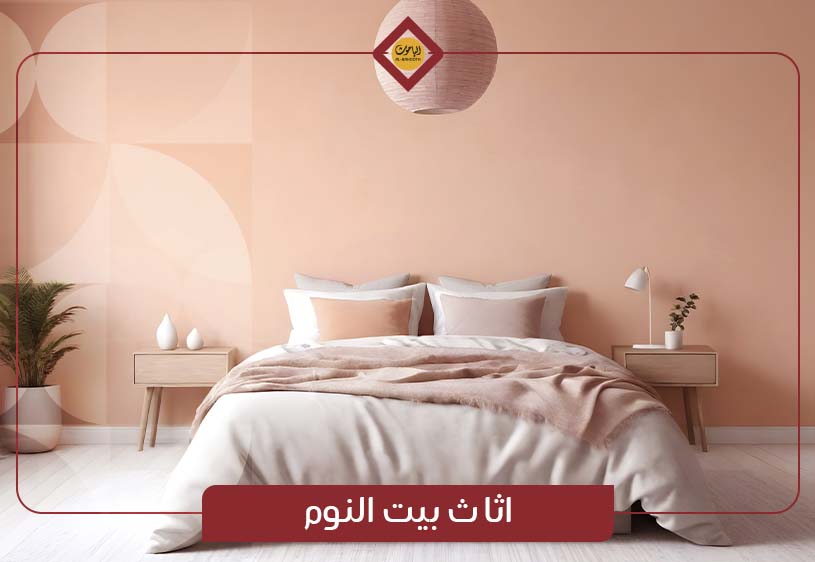
Bedroom furniture is the core element that defines both comfort and elegance within this personal sanctuary. Far more than mere decoration, bedroom case goods play a vital role in sleep quality and daily organization. Selecting appropriate furnishings establishes a peaceful environment that balances functional utility with appealing design. By carefully coordinating these essential elements, any bedroom can be transformed into a restful, well-organized refuge.
Essential Bedroom Furniture Pieces While bedroom options vary widely, essential core items remain foundational to every bedroom layout:
- The Bed Frame: Serving as the visual and functional anchor of the bedroom, the bed frame provides primary support for rest. Its dimensions must align proportionally with available floor area, while its design establishes a warm, inviting atmosphere.
- The Wardrobe (Closet): Wardrobes deliver essential practical storage to keep clothing and personal belongings neatly arranged. Featuring diverse door styles, internal shelving, and hanging configurations, selecting the right design maximizes storage efficiency.
- The Nightstand (Side Table): Positioned directly alongside the bed frame, the nightstand holds daily essentials such as lamps, books, or alarm clocks. It keeps items within reach while maintaining visual symmetry with surrounding furniture.
- The Dressing Table (Vanity): The dressing table offers a dedicated station for personal grooming and cosmetics storage. Paired with a mirror and accent stool, it introduces refined utility and elegance to the room layout.
- The Full-Length Mirror: Incorporating a large mirror expands visual space and reflects ambient light throughout the room. It serves daily dressing routines while enhancing room brightness when positioned near natural light sources.
- The End-of-Bed Bench or Accent Seating: Positioned at the foot of the bed frame, accent seating provides convenience for dressing or temporary placement of items. It adds a touch of hotel-suite sophistication and can feature internal storage space.
- The Shoe Cabinet or Secondary Storage Unit: Secondary storage units keep shoes, handbags, or accessories organized, reducing visual clutter and preserving room order. Selecting a style that aligns with primary furniture maintains aesthetic unity.
- Bookcases and Wall Shelving Units: Wall shelves or compact bookcases cater to reading enthusiasts while providing display space for decorative objects, infusing personal warmth into quiet room corners.
If you are looking to purchase a complete set of bedroom furniture tailored to your needs, Bahooth provides custom furniture manufacturing services. We allow you to specify exact designs, finishes, and dimensions. Contact us today to bring your custom vision to life.
How to Coordinate Bedroom Furniture Achieving a balanced and visually cohesive bedroom layout relies on several key positioning and design guidelines:
- Position the Bed Frame Centrally: As the room's main focal point, the bed frame is best placed in a central position that permits smooth movement along both sides. Ensure its proportions leave door clearances and window access completely unobstructed.
- Coordinate Soothing Color Schemes: Peaceful palettes such as soft grays, whites, or muted blues cultivate emotional relaxation. Harmonize furniture finishes with wall paint and textiles, introducing subtle contrast through accent pillows or drapes.
- Preserve Open Pathways and Avoid Overcrowding: Maintain open floor space rather than overcrowding the room with excess furniture. Position nightstands adjacent to the bed frame and choose wardrobes that fit room alcoves without restricting movement.
- Layer Flexible Lighting Systems: Combine general ambient illumination with warm bedside task lamps to set a cozy tone for evening rest. Maximize incoming natural daylight during the day to keep the room bright and fresh.
- Maximize Organization and Concealed Storage: Keep visual clutter to a minimum by utilizing drawers and wardrobes for daily organization. Retaining only essential items on open surfaces preserves room order and mental calm.
Bed Styles and Modern Designs Selecting modern bed frame styles enhances overall bedroom functionality and aesthetic appeal:
- The Traditional Wooden Bed: Valued for structural durability and timeless elegance, solid wooden bed frames crafted from beech or oak fit diverse interior styles and introduce organic warmth.
- The Upholstered Bed: Featuring a padded headboard wrapped in rich fabric or soft leather, upholstered beds deliver plush comfort for reading or sitting while infusing modern elegance into the room.
- The Storage Bed (With Drawers or Lift-Up Base): Ideal for compact floor plans, storage bed frames feature integrated under-bed drawers or hydraulic lift mechanisms to stow extra linens without requiring additional wardrobes.
- The Metal Bed: Metal bed frames offer lightweight structural strength and clean silhouettes. Made from iron or aluminum, they resist wear and suit modern or industrial aesthetics.
- The Low-Profile (Ground-Level) Bed: Inspired by Japanese minimalist and Bohemian design, low-profile bed frames rest close to the floor, fostering visual simplicity and tranquility in modern minimalist interiors.
- The Smart / Multi-Functional Bed: Smart beds integrate sleeping surfaces with storage, built-in desks, shelving, or charging ports. They offer modern solutions for compact living and studio apartments.
Care and Maintenance Tips for Bedroom Furniture Proper routine maintenance prolongs the lifespan and appearance of your bedroom furniture:
- Perform Weekly Dusting and Soft Cleaning: Wipe down surfaces weekly using a soft, lint-free cloth. Avoid harsh chemical cleaners that degrade protective wood or fabric finishes, utilizing specialized furniture polishes instead.
- Protect Furnishings from Direct Sunlight: Prolonged exposure to harsh sunlight causes fabric fading and wood discoloration over time. Position furniture away from direct window rays or use sheer window drapes.
- Use Protective Coasters and Pads: Place protective felt pads or coasters beneath lamps, glass items, and hot cups to shield wood and glass surfaces from scratches or moisture damage.
- Handle Hardware and Drawers Gently: Operate drawer slides and cabinet doors gently to avoid straining hinges or tracks. Avoid overloading drawers to preserve structural balance and smooth operation.
- Vacuum and Air Out Mattresses Regularly: Vacuum mattresses monthly to remove accumulated dust, periodically exposing them to indirect sunlight and fresh air to eliminate moisture and odors.
- Lift Furniture When Moving: Always lift furniture pieces rather than dragging them across floor surfaces to prevent frame strain, joint looseness, or floor scratches.
- Conduct Periodic Hardware Inspections: Inspect drawer slides, screws, and door hinges periodically, tightening loose fasteners or applying lubricant to prevent sudden mechanical wear.
- Maintain Moderate Room Humidity Levels: Excessive humidity or dry heat damages timber and leather finishes. Ensure adequate ventilation and keep furniture away from direct heating elements to maintain structural integrity.
Ultimately, bedroom furniture represents far more than daily functional items; it serves as a foundation for physical rest and emotional well-being within the home. By selecting quality pieces, coordinating room layouts thoughtfully, and adhering to routine maintenance guidelines, you ensure your bedroom remains a beautiful, durable refuge for years to come.