bedroom furniture manufacturing
Bedroom manufacturing is one of the most critical furniture sectors, uniting functional performance with aesthetic beauty to deliver comfortable environments that enhance emotional well-being and visual elegance.
Makaseb
April 29, 2025 at 1:34 pm AST
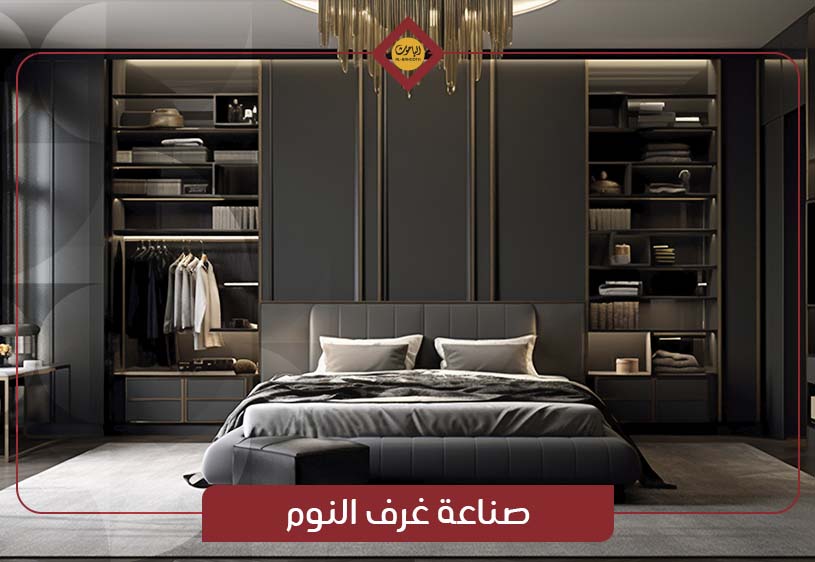
Bedroom manufacturing is one of the most critical furniture sectors, uniting functional performance with aesthetic beauty to deliver comfortable environments that enhance emotional well-being and visual elegance. As design movements and material sciences evolve, bedroom spaces increasingly reflect personal tastes and individual lifestyles. Consequently, selecting appropriate furnishings and captivating designs represents an essential foundation for realizing an ideal bedroom sanctuary that fulfills every relaxation need with Bahooth.
Types of Materials Used in Bedroom Manufacturing by Bahooth
Diverse raw materials are utilized in manufacturing bedroom furniture, with the primary categories including:
- Timber and Solid Wood: Wood remains the most widely used material in bedroom production owing to its innate beauty and structural integrity. Solid hardwood offers exceptional durability, making it the premier choice for bed frames, wardrobes, nightstands, and seating. It imparts natural warmth and visual depth while offering design flexibility tailored to all tastes.
- Metals: Metals such as iron and steel are commonly incorporated into bedroom production, particularly for bed frames and structural supports. They provide a sleek, modern aesthetic while delivering high load capacity and long-term durability. Metal surfaces can be finished in various protective coatings and colors to harmonize with different design movements.
- Fabrics and Leather: Textiles and leather are primarily used for upholstering headboards, benches, and accent seating, introducing tactile comfort and visual elegance. Natural or synthetic leather serves as a favored option for luxury collections due to its plush feel, while woven textiles like velvet or cotton deliver soft comfort suited for daily use.
- Glass Elements: Glass is frequently integrated into contemporary bedroom furniture, particularly for wardrobe door panels and nightstand tabletops. It introduces transparency and visual lightness that makes spaces appear brighter and more expansive, pairing seamlessly with metal or wood framework.
- Engineered Composites and Synthetics: Materials such as high-density composites (MDF and HDF) represent cost-effective options for modern furniture manufacturing. They are lightweight, easy to assemble, and budget-friendly compared to solid hardwood, while offering flexible shaping for intricate modern designs.
- Marble and Stone: Marble and natural stone are featured in luxury furniture collections and table surfaces. Renowned for their durability and opulent appearance, they are typically utilized for nightstand tops or accent surfaces, adding timeless classical grandeur to the room.
Prominent Bedroom Design Styles
Distinct design styles reflect individual preferences and shape the overall ambiance of the bedroom:
- Rustic Style: Characterized by organic warmth, the rustic style relies on natural timber and raw finishes. Furnishings feature warm tones and unrefined wooden surfaces, creating a cozy, traditional feel complemented by soft linen or velvet textiles and gentle lighting.
- Modern Style: Centered around simplicity and clean lines, modern design emphasizes streamlined furniture and neutral palettes such as crisp white, grey, and black. Incorporating glass, metal, and refined upholstery, it aims to build a functional, clutter-free environment.
- Classic Style: Defined by intricate craftsmanship and ornate detailing, classic design incorporates carved accents, lavish silhouettes, and gold or silver leaf accents. Deep, opulent shades like rich brown, burgundy, and gold dominate, lending a majestic, regal atmosphere through substantial furnishings.
- Scandinavian Style: Embracing purity and understated elegance, Scandinavian design relies on pale color palettes like white and light grey paired with soft natural woods to maximize brightness and spatial openness. It prioritizes functional efficiency and uncluttered living.
- Industrial Style: Inspired by urban loft conversions, industrial design highlights raw structural elements such as exposed iron, untreated timber, concrete textures, and visible pipework. Darker hues like charcoal and black set a bold tone.
Selecting Furniture for Compact Bedroom Spaces
Optimizing furniture choices during manufacturing ensures maximum spatial efficiency in smaller bedrooms:
- Prioritize Multi-Functional Designs: Space-saving furniture—such as ottoman storage beds or drop-leaf desks—delivers essential functionality without taking up unnecessary floor space.
- Proportion Furniture Scale to Room Dimensions: Choose compact, slender furniture profiles over bulky pieces to prevent spatial crowding and maintain smooth circulation pathways.
- Implement Vertical Storage Solutions: Utilize wall height through elevated shelving units or wall-mounted cabinets to keep floor areas clear and organized.
- Utilize Spatial-Expanding Palettes: Soft, light tones like white, beige, and pale grey bounce light across the room, creating an open, airy visual impression.
- Eliminate Unnecessary Clutter: Avoid redundant decorative items or non-essential furniture, ensuring every selected piece serves a clear functional purpose.
Coordinating Furniture Layouts and Lighting Systems
Harmonizing furniture arrangements with layered lighting builds a serene, sophisticated ambiance:
- Incorporate Warm, Soft Illumination: Warm lighting creates a peaceful, relaxing mood suited for bedrooms. Utilize directional reading lamps and wall sconces near the bed while avoiding harsh overhead bulbs.
- Unblock Natural and Artificial Light Sources: Position larger furniture pieces, such as beds and wardrobes, away from windows to allow natural daylight to flood the room evenly.
- Integrate Concealed Indirect Lighting: Embedded LED strip lighting within ceilings, under bed frames, or inside wardrobes adds visual depth and highlights furniture craftsmanship with a subtle glow.
- Maintain Clear Lighting Pathways: Ensure seating and accent tables do not obscure light fixtures, providing dedicated task lighting for reading or vanity areas.
- Balance Ambient and Accent Lighting: Establish harmony between primary ambient ceiling fixtures and targeted accent lighting—such as bedside lamps or under-shelf illumination—for a versatile lighting scheme.
Bedroom manufacturing at Bahooth is an integrated process that unites careful material selection, precise spatial coordination, and refined design styling. Whether utilizing timeless hardwoods or sleek modern metals, the ultimate goal remains creating a balanced, comforting retreat that elevates daily living. Investing in quality materials and thoughtful lighting arrangements yields a functional, beautiful haven designed for restful relaxation.