Bedroom manufacturing
Manufacturing bedroom furniture is an art that blends comfort with practicality.
Makaseb
April 17, 2025 at 8:06 am AST
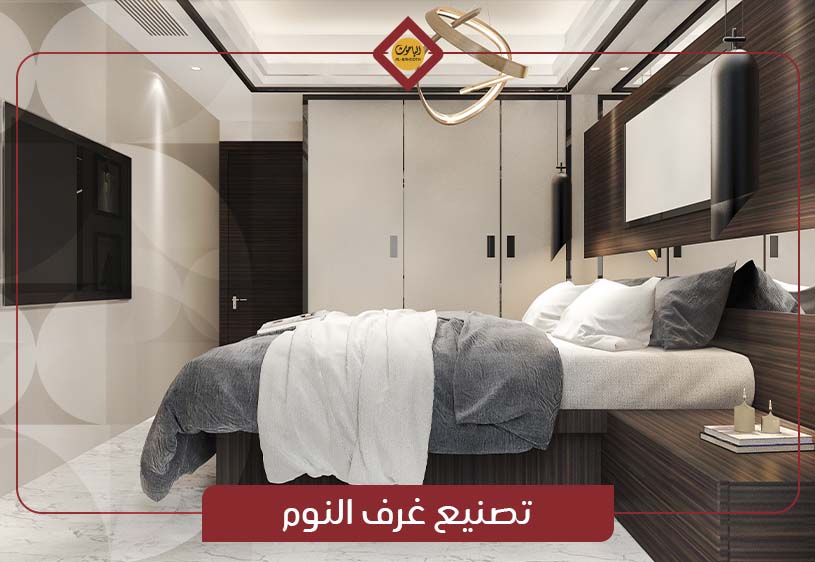
Manufacturing bedroom furniture is an art that blends comfort with practicality. Furniture is designed to meet individual needs and reflect personal taste. With the variety of options available in the market, styles range from mass-produced ready-made furniture to custom manufacturing, allowing everyone to select what suits them in terms of design and quality. In this article, we will explore the key details regarding bedroom furniture manufacturing and how to choose the option best suited to your budget and unique style.
Types of Wood Used in Bedroom Furniture Manufacturing
Various types of wood are commonly used in bedroom manufacturing, with each type possessing distinct specifications and properties:
- Natural Hardwood: Natural woods such as beech, oak, and mahogany are considered the most luxurious options for bedroom furniture. They are distinguished by exceptional durability and the ability to withstand years of use without being affected by external factors. They also impart a rich, warm ambience to the room thanks to their natural textures and unique grain patterns.
- Medium-Density Fiberboard (MDF): MDF is a popular, cost-effective choice manufactured from wood fibers combined with wax and resin binders, compressed under high heat and pressure. It features a smooth surface and is easy to shape into sleek, modern designs. Although less durable than natural hardwood, it provides an elegant appearance when painted or finished with wood veneer.
- Plywood: Plywood consists of thin layers of wood veneers glued together with alternating grain directions. This construction grants it high load-bearing strength and resistance to warping or cracking. It is frequently used for internal cabinet structures and drawer units due to its durability and relatively light weight.
- High-Density Fiberboard (HDF): HDF is a denser, more durable version of MDF, making it ideal for back panels or structural parts requiring extra support. It features a smooth surface suitable for painting or synthetic laminates, balancing durability with cost, and is widely utilized in contemporary designs.
- Swedish Pine: Swedish pine is a type of natural softwood characterized by its light tone and subtle grain. It is often used in classic or rustic furniture craftsmanship, takes stains or paint easily, and is lightweight and easily workable, though it requires proper treatment to protect against moisture.
Differences Between Ready-Made and Custom-Made Bedrooms
There are distinct differences between purchasing ready-made bedroom sets and opting for custom manufacturing:
- Design and Customization Flexibility: Custom-made bedrooms offer complete freedom in selecting designs, colors, and precise dimensions to match client preferences and room dimensions. In contrast, ready-made sets feature fixed, standardized designs without options for substantial modifications, making custom options far more distinctive and personalized.
- Turnaround and Execution Time: Ready-made bedrooms are available for immediate purchase and can be delivered and assembled within a day or two, making them ideal for urgent needs. Custom bedrooms require a longer timeframe, spanning several days to weeks depending on design complexity; however, this extra time yields meticulous detailing and tailored results.
- Cost Structure: Ready-made sets are generally less expensive due to mass production and standardized material sourcing. Custom-manufactured bedrooms carry a higher price point owing to specialized craftsmanship and client-selected materials, though many view this as a worthwhile investment in quality and personal taste.
- Material and Hardware Quality: Custom manufacturing allows you to select specific grades of timber and hardware, yielding a high-caliber end product. Ready-made options often utilize uniform, cost-efficient materials, which—while functional—may not meet the expectations of those seeking top-tier craftsmanship.
- Dimensional Fit for Spaces: Custom sets are tailored specifically to your room's exact layout, even for irregular floor plans. Ready-made pieces may not fit every spatial layout seamlessly, sometimes requiring room modifications, making custom production the optimal choice for compact or asymmetrical spaces.
- Warranties and Assembly Services: Ready-made furniture typically comes with standardized manufacturer warranties and may include free assembly or limited servicing. Custom manufacturing warranties depend on the agreement with the executing workshop or manufacturer (Bahooth), often offering flexible arrangements based on build quality, emphasizing the need for clear upfront agreements.
- Visual Evaluation Before Purchase: A major advantage of ready-made bedrooms is the ability to inspect the physical product, evaluate colors, and assess dimensions directly prior to purchase. Custom manufacturing relies on technical drawings or visual concepts until completion, requiring trust in the manufacturer's expertise.
- Uniqueness and Distinction: Custom-built bedrooms provide exclusive, one-of-a-kind pieces tailored to your daily routine and personal style. Ready-made sets are mass-marketed and widely distributed, which reduces their uniqueness.
How to Choose a Bedroom Suitable for Your Budget
To navigate bedroom manufacturing and select the right set for your budget, consider these essential guidelines:
- Accurate Spatial Measurements: Begin by measuring room dimensions precisely, taking note of window placements, door swings, and electrical outlets. Available space dictates appropriate furniture scale without causing overcrowding; efficient layout planning maximizes daily comfort and room flow.
- Reflecting Personal Style: Bedrooms serve as personal sanctuaries for rest, making it essential that the aesthetic aligns with your taste. Whether you favor minimalism, classic elegance, or modern design, select elements that foster psychological comfort and positive well-being.
- Prioritizing Material Durability: Material strength outweighs initial aesthetic appeal. Choose high-grade natural hardwoods or treated engineered woods, as quality guarantees structural longevity and minimizes future maintenance costs.
- Balancing Aesthetics and Practical Utility: Evaluate daily usability alongside visual design. Ensure the bed provides proper support, wardrobes operate smoothly, and storage capacity is sufficient. Superior design marries elegance with functional utility.
- Setting a Defined Budget: Establish a clear budget before shopping to streamline decision-making. A defined spending limit helps filter options and keeps the focus on suitable choices, securing a well-crafted bedroom without financial strain.
Common Mistakes in Bedroom Manufacturing and How to Avoid Them
During the bedroom manufacturing process—whether custom or ready-made—several common errors can occur:
- Selecting Subpar Raw Materials: Using inferior or unsuitable materials for high-traffic pieces is a widespread mistake. Choosing softwoods for components subject to daily wear shortens furniture lifespan; ensure treated, robust timber is specified for structural components.
- Disproportionate Furniture Scale: Designing furniture that is oversized for the room causes cramped conditions and restricts movement. Failing to take precise site measurements leads to post-installation issues, making advance spatial planning essential.
- Overdecorating and Excessive Ornamentation: Overloading pieces with heavy carving or busy patterns creates visual clutter and disrupts room tranquility. Elaborate designs can also prove impractical in smaller spaces; adopting clean lines and subtle artistic accents delivers refined elegance without complexity.
- Neglecting Hardware Quality: Focus is sometimes placed entirely on exterior surfaces while ignoring the quality of hinges and drawer slides. Low-grade hardware fails under daily use; insist on high-durability hardware from reputable manufacturers.
- Underestimating Storage Requirements: Overlooking storage needs leads to room clutter and organization issues. Wardrobes and drawer units should provide ample, easily accessible capacity, requiring smart storage layout planning from the outset.
- Bypassing Professional Consultation: Relying solely on personal assumptions or unverified tradespeople without consulting an interior designer can produce unsatisfactory layouts. Professionals offer spatial solutions that maximize utility, comfort, and visual harmony.
Ultimately, bedroom manufacturing is an investment in long-term comfort, style, and daily quality of life. Selecting appropriate materials, choosing a design that reflects your identity, and avoiding common execution pitfalls ensure a bedroom set that balances beauty with function. Whether opting for a ready-made set or commissioning a custom build, thorough planning is key to a successful outcome.