bedroom shape
The overall form and layout of a bedroom is much more than a mere aesthetic choice; it serves as a foundational element that directly impacts psychological well-being and daily quality of life.
Makaseb
May 15, 2025 at 10:22 am AST
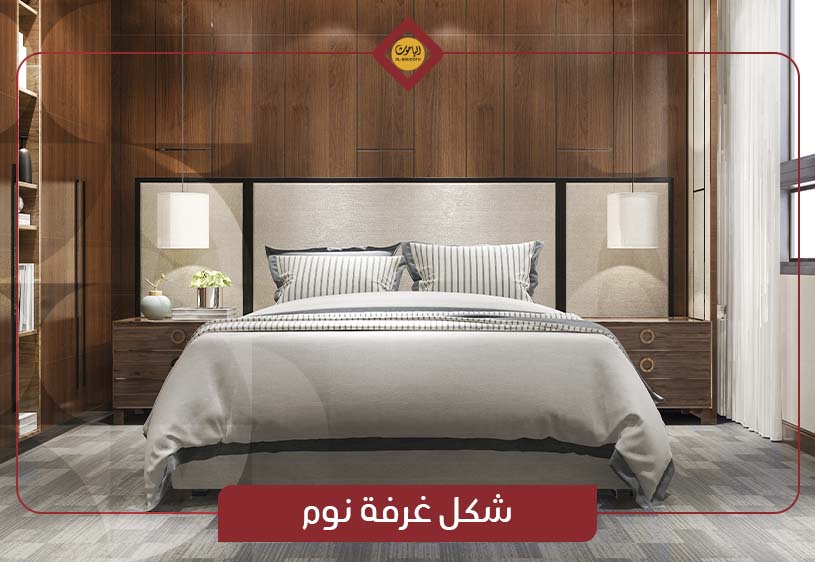
The overall form and layout of a bedroom is much more than a mere aesthetic choice; it serves as a foundational element that directly impacts psychological well-being and daily quality of life. The room where we spend long hours resting and sleeping must be designed to align with both our psychological and physical needs. Selecting the right color scheme, arranging furniture effectively, calibrating lighting levels, and fine-tuning subtle decor details are all key factors that create either a calming sanctuary or a source of stress, making the bedroom's overall setup something that should never be overlooked.
The Importance of Bedroom Setup and Its Psychological Impact The layout and appearance of a bedroom influence psychological comfort in numerous ways. Key benefits of a thoughtful design include:
- Promoting Calming Sensations: Choosing soft shades like blue, light gray, or beige creates a psychologically soothing atmosphere. These colors reduce stress levels and quiet the mind after a long day, turning the room into a safe haven of peace and relaxation.
- Fostering Spatial Order: When furniture proportions match the room size, a balanced and organized environment emerges that encourages mental tranquility. Conversely, crowding a space with oversized or misaligned furniture leads to feelings of constriction, whereas good spatial flow enhances clarity and peace of mind.
- Calibrating Mood Through Lighting: Lighting plays a pivotal role in shaping mood. Natural sunlight during the day and dim illumination at night help soothe the nervous system. Soft white or warm light in the evening prepares the mind for sleep and lowers stress, while harsh lighting causes visual fatigue and disrupts restful sleep.
- Enhancing Visual Harmony: Adding simple artistic touches through serene artwork or dried floral arrangements enhances visual comfort and introduces subtle elegance. Overdecorating, on the other hand, clutters the mind and disrupts spatial balance, proving that simplicity often leads to inner peace.
- Lowering Stress Through Daily Tidiness: Keeping the room clean and organized daily supports ongoing emotional well-being. A neat environment reflects an organized mind, and this simple routine helps alleviate anxiety while boosting your overall mood every morning.
- Securing Privacy and Peaceful Solitude: A bedroom that offers genuine privacy provides a safe boundary away from daily noise and pressures. This quiet isolation allows for reflection or reading in a comforting atmosphere, reinforcing emotional balance and deep relaxation.
- Utilizing Aromatherapy for Mental Relief: Incorporating relaxing scents like lavender or vanilla creates an inviting sensory environment that encourages mental downtime. Paired with the room's overall aesthetic, these positive scents help calm the mind and elevate sleep quality.
- Improving Health via Ergonomic Bedding: High-quality mattresses and soft pillows improve sleep quality and ease physical tension. Physical comfort directly enhances mental health, while beautifully layered bedding brings a sense of elegance and reassurance to the room.
How to Choose the Right Bedroom Colors Color selection impacts the overall feel of a bedroom and its furniture in significant ways. Coordinate your palette effectively by keeping these steps in mind:
- Understand the Psychological Impact of Color: Every color triggers a distinct emotional response—blue fosters tranquility, green promotes balance, while bright red can induce tension. Consider the atmosphere you want to cultivate; soft, calming shades are almost always the ideal choice for a restful environment.
- Factor in Room Size and Light: Light colors like white and soft beige make compact rooms feel spacious and airy, whereas larger rooms can handle deeper shades without feeling enclosed. Natural and artificial light sources also shift how colors appear, so testing swatches is essential before committing.
- Harmonize Walls, Furniture, and Accessories: Aligning wall paint with furniture and soft textiles creates visual balance. If key furniture pieces feature neutral tones, introduce accent colors on feature walls or through accessories to add vitality while maintaining visual harmony.
- Apply the 60-30-10 Rule: Maintain balanced color distribution by dedicating 60% of the space to the primary color (walls), 30% to the secondary tone (furniture and main textiles), and 10% to an accent color (decor details). For example, pair beige walls with gray bedding and subtle blush pink accessories.
- Align Colors with the Interior Design Style: Your overall decor style guides color choices. Modern interiors lean toward neutral palettes, whereas bohemian spaces embrace warm, vibrant tones. Defining your design style beforehand ensures cohesive color selection.
- Test Paint Samples Before Application: Apply small paint swatches directly to your walls to evaluate how they look under both daylight and evening light. Colors often look different in real room conditions compared to catalog samples, making this simple step key to achieving your desired look.
If you are looking to completely transform your bedroom setup, at Bahooth, we provide custom furniture manufacturing services tailored to your exact needs and personal taste. Contact us today to start customizing your dream home.
The Impact of Lighting on Room Atmosphere Lighting dramatically shapes the visual feel and emotional ambiance of a bedroom:
- Invigorating Spaces with Natural Light: Allowing natural sunlight into the bedroom elevates mood and boosts energy levels. Daylight makes the space feel bright and welcoming, minimizes the need for daytime artificial lighting, and helps regulate your circadian rhythm for healthier sleep patterns.
- Calming Nervous Energy with Warm Tones: Using lamps with warm light bulbs—such as soft yellow or gentle amber—instills a sense of quiet calm. Ideal for evening hours before bed, warm lighting relaxes the mind, unlike cold blue-toned lighting which can strain the eyes and disrupt sleep.
- Adding Versatility via Layered Lighting: Combining overhead ambient fixtures with side accent lights like table lamps or sconces creates rich lighting layers. This variety lets you adjust the room's mood to match your activities while highlighting decor elements with soft elegance.
- Revealing True Colors and Textures: Quality lighting brings out the true undertones of wall paints and upholstery fabrics, elevating the overall interior design. Matching light warmth to your color palette ensures harmonious visual results, preventing colors from looking washed out or harsh.
- Preparing the Mind with Dimmable Evening Light: Dim lighting prior to sleep calms the mind and signals to the body that it is time to rest. Gentle bedside lamps or subtle LED strip lighting behind the headboard reduce visual strain and ease the transition into deep sleep.
- Shaping Spatial Perception: Strong, well-distributed light makes a room feel larger and more open, whereas weak or single-source lighting can leave corners dark, making the room feel cramped and enclosed. Proper light distribution directly alters how spatial volume is perceived.
Common Bedroom Design Mistakes to Avoid Avoiding frequent design pitfalls ensures your bedroom remains balanced, beautiful, and functional:
- Using Overly Intense or Clashing Colors: Incorporating bold, aggressive shades like fiery red or bright orange introduces tension rather than rest. Bedrooms require soothing tones that support relaxation; ignoring the psychological impact of color is a frequent mistake that harms sleep quality.
- Overcrowding Small Spaces: Packing too many furniture pieces into a compact room leads to visual clutter and physical restriction. Leave ample floor clearance for comfortable movement and visual breathing room to avoid unnecessary stress.
- Relying on Imbalanced Lighting: Using illumination that is either blindingly bright or excessively dim ruins room comfort. Balanced lighting that incorporates layered side lamps or gentle night lights is essential for creating a cozy atmosphere.
- Neglecting Built-In Storage: Failing to incorporate adequate storage causes clutter to accumulate on surfaces. Integrate smart storage solutions—such as under-bed drawers or concealed wardrobes—to maintain an organized, calm setting.
- Prioritizing Appearance Over Ergonomic Comfort: Choosing a bed frame, mattress, or pillows based purely on style rather than physical comfort compromises rest. High aesthetic appeal can never replace the physical support your body needs every night.
- Ignoring Acoustic Insulation: A bedroom loses its core function as a restful retreat when exposed to unmanaged household or outdoor noise. Incorporating sound-dampening elements like heavy drapes or upholstered surfaces preserves privacy and quiet.
Ultimately, a bedroom's setup is far more than a decorative choice; it is a vital component of physical and emotional balance within the home. Attending to design details—such as choosing the right palette, layering light, arranging furniture thoughtfully, and avoiding common pitfalls—directly improves daily rest and sleep quality. When building or refreshing your bedroom, always prioritize your personal needs to craft a space that offers enduring peace, security, and comfort.