Best custom-made kitchens
Many homeowners go through a painful experience when customizing their kitchens: high prices that do not reflect actual quality, improper installation, and contractors who disappear after completion without any real warranty.
Makaseb
August 10, 2026 at 12:52 pm AST
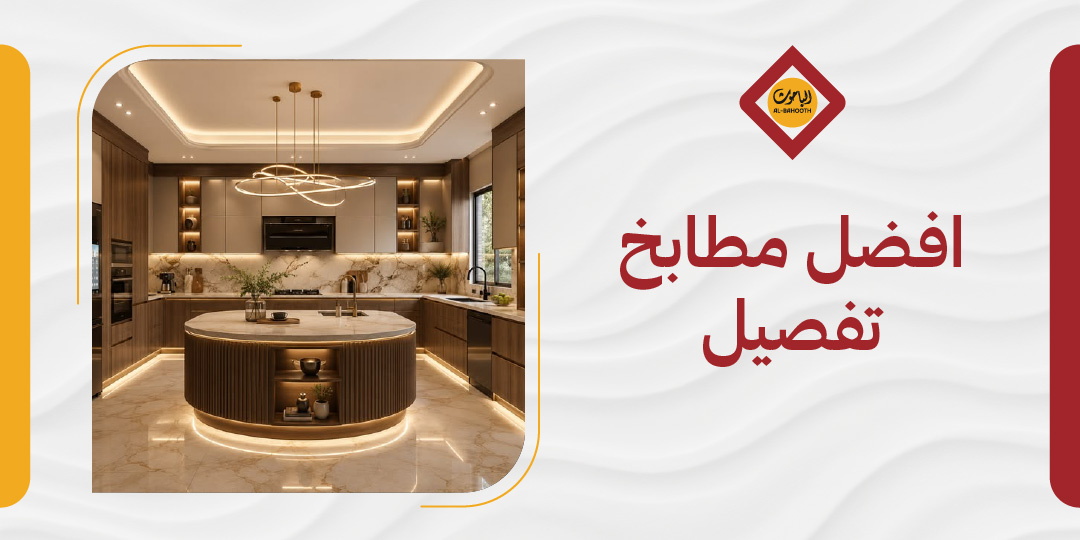
Many homeowners go through a painful experience when customizing their kitchens: high prices that do not reflect actual quality, improper installation, and contractors who disappear after completion without any real warranty. The result is a kitchen that does not last long and fails to meet actual spatial requirements. If you are searching for the best custom kitchens in Saudi Arabia, making the right decision begins with choosing a reliable partner that works with suitable materials like aluminum, wood, or MDF, while adhering to clear specifications, a written warranty, and precise delivery schedules.
The best custom kitchens are not necessarily the cheapest; rather, they represent a true balance between material quality, design precision, professional installation, and after-sales service. Here, Bahooth Factory stands out as a comprehensive choice for tailor-made kitchens, providing on-site inspections, precise measurement, and 3D design before commencing execution. Contact Bahooth Factory today to book an inspection appointment and start your journey toward the kitchen your home deserves.
What Distinguishes the Best Custom Kitchens?
Before deciding on the best custom kitchens, it is essential to understand the fundamental difference between ready-made (prefabricated) kitchens and custom-built kitchens. Ready-made kitchens come with fixed dimensions that may not fit your space, whereas custom kitchens are designed based on the actual dimensions of your home, ensuring every corner and centimeter is thoughtfully utilized.
1. Why Is Customization Better Than Ready-Made?
A ready-made kitchen leaves you with limited options regarding size, material, and color—frequently forcing you to settle for a design that does not reflect your actual needs. Conversely, the best custom kitchens give you the freedom to select every detail yourself, from the wood species and surface finishes to the internal hardware and drawer soft-closing systems.
This freedom is not limited to aesthetics; it extends to function. You can customize cabinet units based on your family size and daily cooking habits, resulting in a kitchen tailored to your lifestyle rather than factory standards.
2. How Does It Serve Different Spaces?
The real value of designing modern custom kitchens lies in their ability to adapt to any space—whether it is a small apartment, an open-plan layout, or an irregularly shaped, narrow space. Tailor-made kitchens make use of every available centimeter instead of letting space go to waste due to standard dimensions that do not fit the room.
For example, a small kitchen benefits immensely from cleverly designed upper units that reach all the way to the ceiling, alongside soft-close hardware that reduces noise and offers a more comfortable daily experience. In open kitchens connected to the living room, a functional, seamlessly coordinated kitchen design that matches the home’s overall decor becomes a necessity, not just an option.
3. What Is the Impact of Design on Daily Usability?
A good custom kitchen design is not measured by aesthetics alone, but by how effortless daily use becomes. Proper layout distribution minimizes unnecessary movement within the kitchen, placing every utensil and storage area in a logical spot.
This is where Bahooth Factory plays a key role, offering a fully customized design process that starts with taking accurate site measurements and transforming them into a 3D visualization. This allows you to view your kitchen’s finest details before manufacturing begins. This approach ensures that the modern custom kitchen you receive perfectly aligns with your space and lifestyle, without any unexpected surprises during installation.
What Are the Best Kitchen Materials?
Material selection is the single most influential decision affecting a kitchen's lifespan and appearance, serving as the true starting point when looking for the best custom kitchens. Each material offers distinct advantages and suits specific usage environments; understanding these differences will save you significant effort and money in the long run.
1. Aluminum Advantages
Aluminum kitchens are among the most popular choices in Saudi Arabia for clear practical reasons:
- Naturally resistant to moisture and steam without requiring additional coatings.
- Easy to clean and does not absorb stains or odors over time.
- Relatively lightweight compared to natural wood, reducing stress on the supporting structure.
- The average price per linear meter ranges between SAR 550 and SAR 1,200, depending on sheet thickness and hardware types.
2. MDF and Engineered Wood Characteristics
MDF offers exceptional design flexibility, enabling a wide array of styles and colors that are difficult to achieve with other materials:
- Provides diverse aesthetic appeal suitable for both modern and classic kitchens.
- Readily accepts high-quality painting and lamination, elevating the visual finish.
- Price per linear meter ranges between SAR 700 and SAR 1,500 according to the coating and finishing type.
- Requires tight, high-quality lamination to protect it from moisture, as untreated edges can be susceptible to damage.
3. Natural Wood Advantages
Natural wood kitchens are the premier choice for those seeking a luxurious, sophisticated look built to last for decades:
- Delivers a warm, authentic character that synthetic materials cannot fully replicate.
- High durability when the proper wood species and manufacturing techniques are selected.
- Price per linear meter ranges between SAR 1,350 to over SAR 2,500 depending on wood grade and species.
- Requires specialized treatment against humidity and thermal expansion to ensure long-term stability.
4. How to Choose the Right Material?
There is no single "best" material in absolute terms; suitability is always relative and governed by two main factors: available budget and usage environment. A kitchen subject to high humidity demands aluminum or tightly sealed MDF, whereas a kitchen prioritizing an opulent aesthetic may lean toward natural wood.
However, material alone is not enough—panel thickness, hinge quality, hardware grade, and installation craft all dictate the final outcome to an equal degree. Bahooth Factory provides comprehensive choices across these materials, backed by a written warranty that confirms a commitment to quality at every stage.
How to Choose the Right Factory?
Selecting the best custom kitchen goes beyond material choice or beautiful design; it starts much earlier—the moment you decide which manufacturer to work with. The right factory combines transparency in dealings, precision in execution, and total commitment to everything agreed upon. This is precisely what sets Bahooth Factory apart in the market.
1. Quality Criteria to Consider
Before signing with any entity, ensure the following essential criteria are present:
- Measurement precision is non-negotiable; the best kitchen factories always begin with an on-site inspection before drafting any design.
- The contract must be written and transparent, containing detailed specifications of materials and hardware without ambiguity.
- A written execution timeline is an integral part of the contract, as delivery delays are among the most common friction points in this industry.
- Request a 3D model of the kitchen prior to final approval, as it provides a true visual representation of the expected outcome.
2. The Proper Way to Compare Prices
People frequently fall into the trap of comparing only the bottom-line price tag without considering what that figure actually covers. A low price tag often hides extra costs that emerge later during installation or adjustments.
For a fair comparison, verify the following:
- Does the price cover all hardware and accessories mentioned in the design?
- Are carcass and front panel materials documented with clear technical specs?
- Are there vague "to be agreed upon" line items in the contract?
- Are delivery and installation costs included or billed separately?
A genuine comparison is made between identical specifications, not isolated numbers.
3. What a Real Warranty Must Cover
A genuine warranty is not just a line in a contract; it is a clear document defining exactly what is covered and what is excluded. When contracting for custom kitchens, ensure the warranty covers the main carcass structure, hinges and drawers, and the final installation quality. A factory offering a real warranty is one confident in its craftsmanship and materials.
4. The Importance of After-Delivery Service
The purchasing transaction ends at handover, but a reputable manufacturer's customer relationship does not stop there. Discrepancies between execution and the agreed design, unexpected hidden fees, or non-responsiveness after installation are common issues that reveal a manufacturer's true integrity.
Bahooth Factory builds its customer relationships on punctual delivery and absolute transparency from the initial site survey to post-handover support, establishing a benchmark when seeking the best custom kitchens.
Kitchen Manufacturing Stages
Understanding the stages of custom kitchen manufacturing gives you a clearer perspective and realistic expectations, distinguishing the custom experience from simply buying a pre-made product. At Bahooth Factory, these phases progress through a meticulous sequence ensuring full adherence to details from day one to final handover.
1. Site Inspection and Measurement Phase
The journey begins with an on-site visit to measure the available space with utmost precision, pinpointing electrical outlets, plumbing points, and any architectural features that may affect the design. This phase is not a mere formality; it is the foundation upon which all subsequent decisions rest, and any error here impacts the entire project.
2. Design and Approval Phase
After gathering measurements, the designer arranges base units, wall cabinets, appliances, and accessories according to the user's requirements and spatial constraints. The design is presented in 3D format, allowing you to visualize the final outcome before manufacturing begins. Approving this design marks the official green light to move to the next stage.
3. Manufacturing Phase
Manufacturing operations launch at Bahooth Factory strictly according to the approved dimensions. Panels are precision-cut with specialized machinery and units are assembled with high craftsmanship. Every single piece is fabricated specifically for your project with zero standard sizes or compromises—this is the core difference between true custom fabrication and random assembly.
4. Installation and Handover Phase
The installation team carefully aligns every unit using leveling tools, ensuring doors fit seamlessly and soft-closing mechanisms operate smoothly without noise or gaps. Prior to final acceptance, a comprehensive inspection of all kitchen details takes place to verify that execution matches the approved design. This inspection is mandatory at Bahooth Factory to guarantee a flawlessly completed kitchen.
How Much Does Customization Cost?
Cost is one of the primary factors homeowners evaluate when looking for custom kitchens—and rightfully so. A kitchen is a long-term investment that deserves careful study before making any decision. Understanding price determinants helps you set a realistic budget and evaluate quotes with greater awareness.
Several factors influence kitchen pricing in Saudi Arabia, most notably:
- Material Type: Directly impacts total cost; natural wood pricing differs significantly from MDF or aluminum.
- Total Space: Usually calculated per linear meter; as space expands, the overall price scales proportionally.
- Internal Accessories: Pull-out shelving, soft-close drawers, and internal organizers add to the base price.
- Design Complexity: Custom angles, unique corners, or specialized finishes increase cost compared to straight-line layouts.
Custom kitchen prices in Saudi Arabia range approximately across multiple tiers, starting from budget-friendly options up to luxury high-end kitchens featuring premium materials. However, these figures are estimates rather than fixed offers, changing from project to project based on actual details.
A lower price does not always mean you secured the best deal; inferior materials or sloppy craftsmanship are frequently the hidden explanation behind low numbers, leading to doubled repair costs later on. Therefore, it is always recommended to request a detailed written price quote broken down by line item so you know exactly what you are paying for and avoid surprises after execution.
To receive a customized price quote tailored to your space, vision, and budget, contact Bahooth Factory for custom kitchens engineered to precise standards with total pricing transparency.
Frequently Asked Questions (FAQ)
1. What are the best kitchen types in order of ranking?
Ranking kitchen types varies according to each family's budget and practical needs; there is no single fixed order suitable for everyone. Generally, engineered wood (MDF) kitchens lead in popularity due to their balance between price and quality, followed by acrylic kitchens for those seeking a high-gloss aesthetic, and natural wood kitchens for those prioritizing long-term durability. In the Saudi market, custom manufacturers like Bahooth Factory execute these options tailored to available space and budget.
2. What are the best kitchen materials?
Kitchen materials vary in their properties, and the ideal choice depends on usage patterns and humidity levels. Key materials include moisture-resistant MDF, high-density HDF, acrylic for high-gloss sleekness and easy cleaning, economical melamine, and natural wood for luxury kitchens. Bahooth Factory offers options across all these materials within a framework of premium custom kitchens tailored to diverse requirements.
3. What are the top 5 Arab kitchen origins/styles?
While there is no official formal ranking for Arab kitchen origins, key options available in the market based on consumer popularity include:
- Saudi-manufactured kitchens: Produced by local factories specializing in custom fabrication like Bahooth Factory, designed to fit Saudi home dimensions perfectly.
- Egyptian-manufactured kitchens: Widely popular for their diverse styles and tiered pricing levels.
- Turkish-manufactured kitchens: In high demand across the region for their material quality.
- Emirati kitchens: Prominent in the semi-luxury segment with modern aesthetic designs.
- Jordanian kitchens: Offering varied options, particularly in classic natural wood styles.
Choosing between these options depends on budget and personal preference. Many clients in Saudi Arabia prefer local custom manufacturing to guarantee complete spatial fit.
4. What are the top 10 global kitchen origins?
Global kitchen brands and origins vary in quality and luxury, with suitability differing based on taste and budget:
- German kitchens: Renowned for engineering precision and high technical specifications.
- Italian kitchens: Leading the luxury segment with exceptional aesthetic design.
- Spanish kitchens: Combining quality with versatile price points.
- Swedish kitchens: Characterized by functional designs and sustainability.
- American kitchens: Known for spacious layouts and functional versatility.
- British kitchens: Famous for sophisticated classic designs.
- French kitchens: Incorporating prominent artistic flair into layouts.
- Chinese kitchens: Providing widely available budget options.
- Polish kitchens: Gaining notable presence across Middle Eastern markets.
- Turkish kitchens: Balancing quality with competitive pricing, making them heavily imported into the Saudi market.
For those seeking the best custom kitchens without having to import products that may not match room dimensions, local custom fabrication through specialized manufacturers like Bahooth Factory offers a practical solution combining build quality with tailor-made spatial adaptation.
Conclusion
Selecting the best custom kitchen is not a random decision; it is the result of a careful balance between material quality, fair pricing, and executing partner reliability. A successful kitchen does not start at installation, but with thorough planning—from the initial site survey to a design reflecting daily usage details, down to precise execution matching what was agreed upon.
Before taking any step, ensure your design is finalized and approved by you prior to fabrication, as modifications after production begins are costly and burdensome. If you are searching for custom kitchens that combine high craftsmanship with durable materials, Bahooth Factory provides specialized consultation and precise site measurements. Contact us and book your appointment today to begin designing a kitchen tailored perfectly to your needs.