Certified Furniture Factory Certification Platform | Quality and Trust
In the fast-evolving global furniture market, certified furniture factory certification platforms have become a cornerstone for ensuring trust and transparency.
Makaseb
December 31, 2025 at 1:40 pm AST
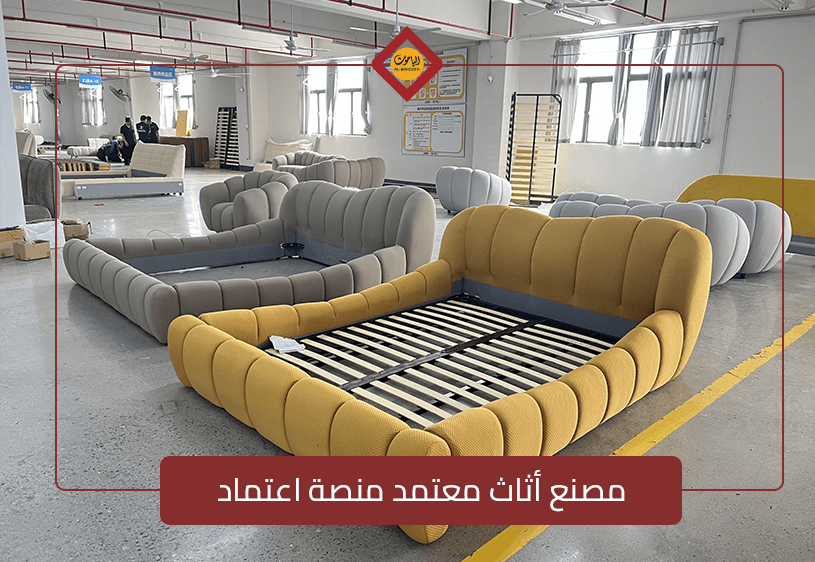
In the fast-evolving global furniture market, certified furniture factory certification platforms have become a cornerstone for ensuring trust and transparency. As international standards grow stricter, both manufacturers and buyers are seeking verifiable proof of quality, sustainability, and compliance. These platforms serve as digital gateways that authenticate each step of the production process—from raw material sourcing to final delivery—helping furniture producers demonstrate their reliability to partners and consumers worldwide.
What is a Certified Furniture Factory Certification Platform?
A Certified Furniture Factory Certification Platform is a digital or organizational system designed to connect furniture manufacturers with recognized certification bodies. Through these platforms, factories can manage the process of verifying their compliance with international or national quality, safety, and sustainability standards. The system also maintains records of certified statuses, ensuring transparency for both manufacturers and buyers seeking verified information about certified facilities.
There is no single universal certification platform for furniture factories. Instead, there exists a network of global and regional systems that administer well-known certifications such as ISO, FSC, PEFC, and BIFMA. It’s important to note that platforms like Saudi Arabia’s Etimad do not handle factory certification themselves — they function primarily as procurement and vendor management systems. However, certification platforms play a vital role in simplifying the journey for factories aiming to obtain certification, apply for tenders, and demonstrate compliance and credibility to clients and buyers across different markets.
How Does Certified Furniture Factory Certification Work?
The Certified Furniture Factory Certification Platform follows a structured and transparent process that ensures furniture manufacturers meet recognized international and local standards. Each stage is built to verify quality, sustainability, and safety.
- Registration on the certification platform: Factories begin by creating an account and providing basic organizational details, including location, production lines, and product categories. This step establishes the foundation for digital tracking throughout the certification journey.
- Submission of documentation: Applicants upload essential records such as material sourcing data, production reports, safety protocols, and employee training logs. These documents form the preliminary evidence for compliance assessment.
- Preparation and gap analysis: The platform or assigned auditors conduct a pre‑audit review to identify gaps between existing practices and required standards. This stage often includes self‑assessment tools and AI‑based document reviews to streamline the analysis.
- Audit and inspection: Certification bodies perform detailed on‑site or remote audits. Inspectors examine production processes, material handling, worker safety measures, and environmental management systems. Audit scheduling is managed through the platform to ensure timeliness and transparency.
- Issuance of certificates: After all requirements are met, the factory receives its certification through the digital platform. Certificates are often stored on blockchain to guarantee authenticity and traceability across supply chains.
- Ongoing compliance monitoring: Certification is not a one‑time event; continuous adherence is verified through periodic data submissions and monitoring. Factories must regularly update records about production volumes, material changes, and safety performance to maintain validity.
Who are the key participants?
The certification process involves a coordinated effort between several entities, each playing a distinct and essential role.
- Manufacturers: They are the central participants responsible for complying with standards, submitting data, and implementing corrective actions after audits. Their operational transparency determines the speed and credibility of the certification journey.
- Certification bodies: International organizations such as TÜV, SGS, or Intertek conduct inspections and issue certificates. Their expertise ensures that the evaluation is unbiased and aligned with global benchmarks.
- Standards organizations: Bodies like ISO, BIFMA, and FSC define the requirements that govern quality, environmental responsibility, and safety in furniture manufacturing. Certification depends on meeting these guidelines precisely.
- Government and accreditation agencies: Entities such as SASO, UKAS, or DAkkS supervise certification bodies, guaranteeing that all processes follow national or international accreditation frameworks.
Advanced Certified Furniture Factory Certification Platforms integrate digital technologies—using AI for automated document verification and blockchain for secure traceability—to enhance accuracy, reduce manual errors, and build trust across every stage of certification.
Why Is Certification Important in the Furniture Industry?
Certification in the furniture industry ensures that every production stage follows well-defined standards. It mandates consistent quality checks, adherence to safety regulations, and documentation of all processes. This structure minimizes manufacturing defects and enhances durability and safety across product lines. As a result, customers experience better performance, longer lifespan, and greater trust in certified furniture brands.
For instance, a certified furniture factory certification platform helps manufacturers align with international quality frameworks. When these factories undergo audits and continuous assessments, they not only improve internal efficiency but also maintain a competitive advantage through proven product reliability.
What about traceability and sustainability?
Traceability and sustainability have become vital components of modern furniture production. Certification allows manufacturers to track the origins of raw materials — including wood, fabrics, and finishes — ensuring that each element comes from legal and responsibly managed sources. Programs such as FSC (Forest Stewardship Council) and PEFC (Programme for the Endorsement of Forest Certification) highlight the use of sustainable materials, protecting ecosystems and reducing the environmental footprint of production.
Global buyers are increasingly prioritizing certified supply chains for ethical and transparency reasons. A certification platform supports this demand by documenting the entire journey of materials and processes, helping manufacturers demonstrate commitment to environmental and social responsibility.
How do certifications impact market access?
The impact of certification extends far beyond production. Data from industry reports show that certified furniture factories secure a significantly higher number of public and private tenders because their compliance simplifies procurement decisions. Many international markets — including major hotel chains and institutional buyers in the EU and the US — exclusively accept suppliers with third-party certifications.
Platforms like the certified furniture factory certification platform amplify this advantage by providing visibility to verified manufacturers within global directories. This digital presence helps certified producers connect faster with importers, retailers, and large-scale projects, turning certification into a direct gateway to more profitable and sustainable markets.
What Is the Role of Etimad Platform in Furniture Industry?
Etimad is a Saudi government platform dedicated to managing public procurement, contracts, and payment processes. It is not responsible for issuing Certified Furniture Factory Certification or any direct manufacturing approvals. Instead, it functions as a digital gateway where government agencies announce tenders, and companies, including furniture factories, can submit offers to supply products that meet the required standards and specifications.
How does Etimad affect furniture procurement?
Through Etimad, furniture procurement is conducted transparently and competitively. When government entities post furniture tenders on the platform, all qualified suppliers can access the same information and submit their bids under unified conditions. This digital process encourages fair competition and ensures that the supply of furniture—like office furnishings or institutional equipment—meets defined quality and performance standards.
What standards does Etimad require?
When a factory or supplier registers on Etimad to participate in tenders, several key standards and documents are typically required:
- Valid legal licenses that confirm the company’s legitimacy and authorization to operate within Saudi Arabia.
- Commercial registration certificates showing that the factory or trading entity is officially recognized and compliant with national regulations.
- Technical or quality certifications, such as ISO management standards or compliance with SASO (Saudi Standards, Metrology, and Quality Organization) specifications, which prove the factory’s adherence to recognized quality benchmarks.
These requirements motivate furniture factories to enhance their production quality, maintain transparent operations, and align with national procurement expectations to successfully compete in the Etimad system.
Who Grants Furniture Factory Certifications Globally?
- ISO (International Organization for Standardization) establishes globally recognized management and quality standards that many furniture factories adopt to ensure consistency and safety in production.
- CEN (European Committee for Standardization) develops European Norms (EN standards) that define product safety, durability, and environmental requirements across the EU market.
- BIFMA (Business and Institutional Furniture Manufacturers Association) focuses on performance and sustainability standards specific to office and institutional furniture in North America.
- SASO (Saudi Standards, Metrology and Quality Organization) defines strict national standards that govern furniture safety, materials, and manufacturing compliance in Saudi Arabia.
- ANSI (American National Standards Institute) coordinates U.S. standards to ensure reliability and interoperability of products, including furniture components.
- CENELEC (European Committee for Electrotechnical Standardization) sets standards for electrical and electronic aspects of furniture, especially those with integrated power or lighting.
What Are the Technical and Sustainability Standards for Certified Factories?
- Wood sourcing: Certified furniture factories must use wood from responsibly managed forests certified by organizations such as FSC (Forest Stewardship Council) or PEFC (Programme for the Endorsement of Forest Certification). This ensures that the materials come from sustainable sources that protect biodiversity and forest ecosystems.
- Formaldehyde emission limits: Factories are required to comply with international standards governing formaldehyde emissions in wood-based panels, reducing harmful indoor air pollutants and improving overall product safety.
- VOC content control: Adhesives, paints, and finishes used in certified furniture must meet strict limits on volatile organic compounds (VOCs). This helps minimize environmental impact and promotes healthier indoor environments for end users.
What Services Do Certified Furniture Platforms Provide?
Certified Furniture Factory Certification Platforms streamline the entire certification process by providing a centralized digital environment. They help manufacturers prepare and submit necessary documentation, track application progress, and manage audit schedules with precision. Automated reminders for renewals ensure that certifications remain valid, while compliance dashboards display real-time status updates and potential risks. Whether a manufacturer operates fully online or still uses partial paper-based systems, these platforms adapt seamlessly to each workflow.
Do they assist with audits and renewal?
Yes, these platforms play a critical role in supporting both audits and ongoing renewal processes by acting as an integrated management partner rather than a simple filing tool. They simplify audit preparation and continuous compliance through structured, step-by-step assistance.
- Pre-audit scheduling – Platforms coordinate initial evaluations to assess readiness before the formal audit.
- Gap analysis – Automated tools detect discrepancies between current practices and certification requirements.
- Training materials – Manufacturers receive focused digital resources to address specific compliance issues.
- Submission of corrective actions – Platforms enable easy uploading and tracking of any necessary corrections.
- Annual renewal management – Automated workflows send reminders, prepare updated documents, and facilitate timely re-certification.
What support is offered to manufacturers?
Certified Furniture Factory Certification Platforms also deliver a suite of value-added services designed to strengthen efficiency and competitiveness:
- AI-powered compliance checks ensure that all documentation and procedures meet certification standards before audits.
- Integration with government procurement portals helps manufacturers align with public-sector supply requirements and gain access to new business opportunities.
- Expert consultations connect factories with industry specialists who provide technical and procedural guidance.
- Digital certificates for marketing make it easier to showcase compliance credentials, boosting credibility and customer trust.
These combined services enable manufacturers of varying digital maturity levels to manage certification efficiently, maintain long-term compliance, and enhance their market presence.
What Are the Challenges of Digital Furniture Factory Certification Platforms?
Digital furniture factory certification platforms face a major challenge due to the absence of unified global standards. Each region or certification body tends to enforce its own set of digital protocols, data formats, and validation criteria. This fragmentation makes cross-border recognition and data exchange between systems difficult, limiting the scalability of certified processes and slowing global cooperation within the furniture manufacturing sector.
What about manufacturers’ digital readiness?
Many small and medium-sized furniture manufacturers struggle with the transition to digital certification systems. Limited budgets often prevent investment in advanced software or cloud infrastructure, while a lack of technical expertise hinders smooth adoption. There is also natural resistance to digital transformation among teams accustomed to manual processes. To bridge this gap, certification platforms often provide guided onboarding, simplified dashboards, and gradual integration tools to ease manufacturers into digital compliance.
Is data always reliable?
Data reliability remains a critical concern. Certification platforms depend on accurate, trustworthy input for AI validation and blockchain recording. However, human errors, incomplete information, or intentional falsification at the data-entry stage can compromise the integrity of the entire certification chain. Once such inaccuracies are registered on immutable ledgers, correcting them becomes extremely challenging, potentially damaging the credibility of both manufacturers and certification authorities.
What are cost and privacy concerns?
- The initial cost of establishing digital infrastructure can be high, particularly for factories transitioning from paper-based systems.
- Protecting sensitive commercial data, including supply chain details and client lists, requires constant vigilance and advanced cybersecurity measures.
- Compliance with regional and international data protection laws adds another layer of complexity to digital certification management.
How can platforms integrate with others?
Seamless integration remains one of the most technically demanding aspects of digital certification. Platforms must communicate effectively with government procurement portals, customs systems, and international regulatory databases. Each interface requires precise data mapping and adherence to security protocols, and any misalignment can delay import approvals or disrupt certification updates across borders.
Is AI adoption trusted?
Trust in AI-driven certification decisions is still evolving. Many stakeholders view artificial intelligence as an efficient analytical tool but hesitate to rely on it as an independent decision-maker. Regulatory bodies and cultural contexts often insist on maintaining human oversight, particularly for inspections that involve safety and quality assessments. Platforms must therefore balance automation with human validation to achieve both efficiency and credibility.
How Can Furniture Factories Benefit from Certification?
Obtaining certification through a Certified Furniture Factory Certification Platform opens the doors to new and higher-value market opportunities. Factories that hold recognized certifications become eligible to participate in diverse tenders, particularly those issued by government agencies, major retailers, and international buyers. These certifications act as proof of compliance with strict quality, safety, and sustainability standards—criteria often required to qualify for public procurement or large-scale retail listings. Certified factories not only expand their domestic reach but also enhance their export potential, as many global distributors favor suppliers with verifiable certification credentials.
How does it boost reputation and trust?
Certification strengthens the reputation of furniture manufacturers by demonstrating their commitment to verified quality and environmental responsibility. Holding well-known certifications such as ISO, FSC, or BIFMA signals to both institutional clients and end consumers that the factory operates professionally and ethically. This credibility increases confidence across B2G and B2C markets, making certified factories more appealing partners and brands customers can trust.
Can it improve operational sustainability?
Beyond market and image benefits, certification drives greater operational efficiency and sustainability. The process requires clear documentation, consistent quality control, and planned production cycles that minimize waste and support resource optimization. As a result, certified factories are better positioned to meet sustainability goals, comply with regulatory standards, and manage production with precision.
A practical example is a Saudi furniture company that achieved both ISO 9001 and FSC certification. This combination elevated its internal management system, enhanced product traceability, and signaled environmental accountability. Consequently, the company secured government contracts and attracted eco-conscious customers, proving that certification can deliver measurable gains in both trust and profitability.
Al-Bahouth Furniture: Certified Quality and Trusted Expertise
Founded by Ahmad Sulaiman Ali Al-Bahouth Furniture in 1395 AH – 1976 AD, Al-Bahouth Furniture has spent more than four decades mastering the craft of furnishing and shaping environments with precision and artistry. What began as a modest venture focused on importing select furniture pieces gradually evolved into a fully integrated operation recognized as one of Saudi Arabia’s leading providers of comprehensive furniture solutions. Over the years, the company expanded from sourcing high-quality products from Europe, China, and Turkey to establishing its own advanced local manufacturing capabilities under the brand Al-Qassim Furniture Factory. Today, Al-Bahouth Furniture stands at the forefront of the industry, offering a unique blend of imported and locally manufactured office, home, metal, medical, and hotel furniture, supported by turnkey project furnishing and computer equipment supply. Through a Certified Furniture Factory Certification Platform, the company reinforces its commitment to excellence—providing streamlined, high-quality, custom-designed furniture and interior solutions rooted in reliability, innovation, and decades of professional expertise.
FAQ – Certified Furniture Factory Certification Platform
What is a PMC certification?
A Post-Master’s Certificate (PMC) is an academic program designed for registered nurses who already hold a Master of Science in Nursing and wish to specialize further in a specific field. It is not related to the Certified Furniture Factory Certification Platform or to any form of industrial or product certification within the furniture sector.
What is FSC furniture?
FSC furniture refers to pieces made from wood certified by the Forest Stewardship Council (FSC). This certification ensures that the wood used comes from forests managed under strict environmental, social, and economic standards.
- The FSC label guarantees traceability from forest to final product.
- It supports sustainable forestry, protecting biodiversity and local communities.
- FSC-certified furniture is often preferred in environmentally conscious markets due to its verified sustainability credentials.
What are the three types of certification?
There are three principal categories of certification: corporate, product-specific, and profession-wide. In the furniture industry, the focus is commonly on product certifications (such as FSC or BIFMA) and system certifications (like ISO standards) that ensure consistent quality, safety, and environmental compliance throughout the production process.
Conclusion
Certified Furniture Factory Certification Platforms are transforming the global furniture industry by simplifying compliance processes, promoting eco-friendly practices, and reinforcing trust across supply chains. These platforms enable manufacturers to meet international standards with efficiency and transparency, ultimately ensuring that both local and export markets can rely on verified quality.