Certified Furniture Factory Vision 2030
A Vision 2030-certified furniture factory is a factory that holds an official certificate from the Ministry of Industry or the National Industrial Committee, confirming its commitment to quality
Makaseb
May 4, 2026 at 4:30 pm AST
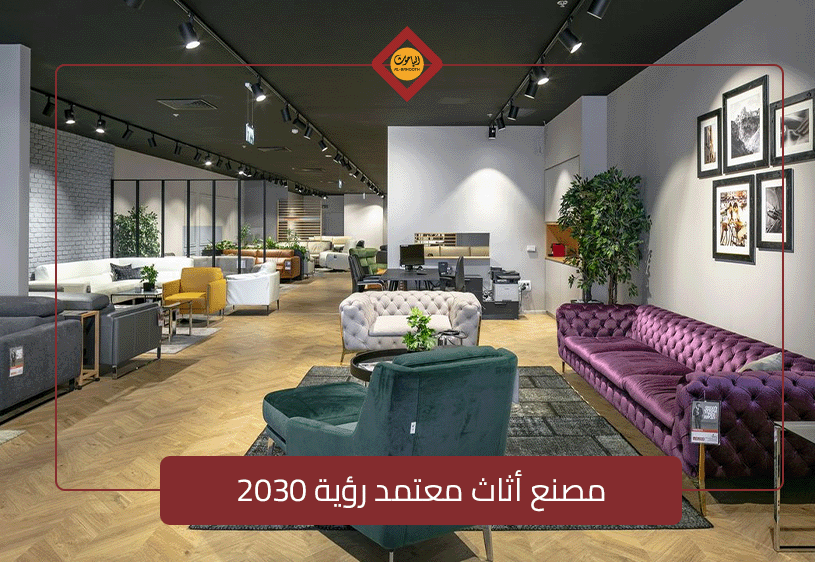
A Vision 2030-certified furniture factory is a factory that holds an official certificate from the Ministry of Industry or the National Industrial Committee, confirming its commitment to quality, sustainability, and local content standards. This certification is not merely an administrative document; it is a recognition of the factory’s ability to apply industrial accreditation standards and deliver national manufacturing quality that aligns with the ambitions of Saudi Arabia’s Vision 2030. A certified factory reflects a real transformation in Saudi industrial identity, shifting from traditional production to innovative furniture solutions that support local economic growth and strengthen the position of national industry in regional and international markets.
Within the framework of this vision, Al-Bahouth stands as a Vision 2030-certified furniture factory, serving as a pillar of economic diversification and an effective driver of industrial localization. Industrial accreditation in Saudi furniture manufacturing gives factories priority in export opportunities and participation in initiatives such as “Factories of the Future,” which aim to improve production efficiency and increase the employment of national talent. This article highlights the advantages of working with a Vision 2030-certified furniture factory, explaining how localization and innovation policies contribute to strengthening local manufacturing capabilities and achieving industrial integration within the ambitious objectives of Vision 2030.
What Is a Leading Vision 2030-Certified Furniture Factory?
We are Al-Bahouth, Al-Qassim National Furniture Factory, one of the prominent certified factories keeping pace with Vision 2030 by supporting local manufacturing and developing the Saudi furniture industry. We provide integrated solutions for individuals and government entities by combining high craftsmanship with modern technologies, making us a Vision 2030-certified furniture factory that contributes to enhancing quality of life and improving interior design efficiency.
Your First Destination for Interior Design and High-Quality Custom Furniture Manufacturing
Our mission is to design and manufacture furniture with high levels of quality and precision, according to accurate standards that meet the needs of residential and commercial projects. Our vision is to become the first destination for custom furniture solutions by committing to innovation, durability, and attention to the smallest details that make every piece we produce distinctive.
Discover Products Designed with Beauty That Enhances Every Space
Our products range from office, residential, and hotel furniture, combining practical elegance with manufacturing quality. We rely on high-quality materials and luxurious finishes that give every product a modern appearance and long-lasting durability, ensuring customer satisfaction and maintaining the appeal of the design across different environments.
At Al-Qassim National Factory, We Take Pride in Our Advanced Manufacturing Capabilities
Thanks to our modern facilities and specialized team, we are able to transform ideas into practical models according to the highest industry standards. We provide supply and installation services for government entities, hotels, and offices, along with design consultations that help achieve full harmony between beauty and function in every project.
We Are Proud of Our Partnerships with Leading Success Partners
We place great importance on building strategic partnerships with development companies, national project execution entities, and major institutions that rely on national manufacturing quality. This trust represents a testament to our excellence as one of the best Vision 2030-certified furniture factories, contributing to the empowerment of local supply chains within the framework of the Kingdom’s future vision.
Our Craftsmanship in Transforming Spaces and Enhancing Living Standards
We work to embody refined design values in every project we undertake, transforming spaces into comfortable and inspiring environments that reflect the user’s taste and enhance their well-being. The quality of our Saudi furniture comes from combining expertise with craftsmanship, turning every design into a complete living experience.
Contact Us Today to Discuss Your Furniture Needs
We welcome new project requests and provide suitable consultations to help select the best design, materials, and implementation approach. You can contact us directly through our official channels to discuss furniture solutions tailored to your space.
We provide integrated supply and installation services for:
Wooden tables in various sizes and uses.
Custom sofa sets for reception areas and executive offices.
Luxurious leather sofa sets with individual chairs.
Custom-designed office furniture solutions tailored to the requirements of modern projects.
Contact Us
For inquiries or quotation requests, you can contact us by phone or through our official website. Our specialized team will respond to all inquiries and provide the necessary technical support.
Subscribe to Our Newsletter for the Latest Updates
You can subscribe to our newsletter to receive the latest news about new designs, national manufacturing initiatives, and special offers provided by Al-Qassim National Furniture Factory, certified within the framework of Vision 2030.
How Does Industrial Accreditation Support Furniture Quality?
What Are the Basic Industrial Accreditation Standards?
Industrial accreditation for furniture factories is based on a set of nationally and internationally recognized standards, such as the Ministry of Industry certificate and ISO 9001:2015 certification for quality management systems. These standards also include fire-resistance testing, environmental sustainability requirements, and alignment with the National Industrial Strategy under Vision 2030. Such certificates are granted only after verifying the factory’s commitment to precise manufacturing, management, and quality-control procedures, reflecting its credibility in producing furniture that meets global standards.
How Does Commitment to Quality Affect Durability and Sustainability?
Commitment to quality standards means that the factory follows precise manufacturing steps, including raw material inspection, sourcing from trusted suppliers, and monitoring every stage of production. This commitment directly improves the durability of furniture and its resistance to damage over time, reducing the need for frequent repairs or replacements. As a result, the furniture becomes more aligned with sustainable manufacturing principles, where resources are used efficiently and the product life cycle is extended.
What Is the Benefit for Consumers and Government Partners?
Consumers benefit from industrial accreditation by receiving products with high manufacturing quality and reliability. Government entities, meanwhile, ensure that their industrial partnerships are made with certified factories that comply with national standards. This accreditation gives the factory greater opportunities to enter government partnerships because it provides confidence in performance and sustainability, strengthening the position of the Vision 2030-certified furniture factory as one of the pillars of local industrial development.
How Does Al-Bahouth, a Vision 2030-Certified Furniture Factory, Contribute to Vision 2030?
How Have Government Investments Supported the Sector?
Government investments have contributed to strengthening the role of the furniture industry in Vision 2030 through strategic initiatives that have developed the local manufacturing environment. The Ministry of Industry and Mineral Resources launched supportive programs such as the industrial licensing system, which simplified procedures for establishing factories, alongside industrial financing initiatives that provided accessible liquidity for investors. These efforts attracted investments exceeding SAR 6.2 billion in 2024, enabling the sector to adopt modern technologies and improve production quality in line with global competitiveness standards.
Has the Sector Achieved Growth in the Number of Factories and Investments?
The furniture sector has witnessed remarkable growth, reflecting the scale of Saudi industrial investment in recent years. After the number of furniture factories was no more than 356 in 2009, it increased to more than 6,257 factories by 2023. This expansion was not limited to quantity alone; it also included the diversification of production lines and an increase in export volume, making the sector one of the drivers of industrial growth in the Kingdom.
What Is the Role of Innovation and New Technologies?
Innovation in Saudi furniture represents a key pillar in developing the sector within the framework of Vision 2030. Factories have adopted digital transformation by automating production processes and using 3D design and simulation systems. Sustainability concepts have also been introduced through the use of local eco-friendly materials and technologies that reduce waste. These technological developments have strengthened factories’ ability to meet local and global market needs with higher quality and greater efficiency.
How Does the Sector Contribute to Localization and Job Creation?
The furniture sector plays a central role in industrial localization and the creation of sustainable job opportunities for Saudi youth. Through the “Factories of the Future” initiatives, training and qualification programs have been prepared to keep pace with modern technological developments and align with the goals of Saudi Vision 2030. These initiatives have contributed to increasing the percentage of national employment within factories, making the sector one of the most important tributaries of economic development and a key supporter of the state’s efforts to build an integrated industrial base powered by national talent.
What Is the Difference Between Certified Local Factories and Imported Furniture?
Advantages of Certified Local Products
Furniture produced inside a Vision 2030-certified furniture factory has clear features that distinguish it from imported furniture. These factories follow precise accreditation requirements, including monitoring raw material quality and integrated manufacturing processes inside the Kingdom. They also support the philosophy of custom manufacturing to provide designs that suit local spaces and tastes, enhancing the balance between practical performance and aesthetic appearance. Certified local furniture is also characterized by high durability standards, making it more compatible with daily use in Saudi environments, in addition to a high level of local content that contributes to the sustainability of national supply chains. Sector data indicates that the value of local content in industrial investments has exceeded SAR 1 trillion, while January 2024 witnessed clear growth after licensing 152 new factories that support the developmental vision of the industrial sector.
Common Disadvantages of Imported Furniture
Despite the variety of options available in global markets, imported furniture faces several challenges that affect its practical value.
Shipping and customs costs represent a large portion of the final price, especially when importing heavy or custom-sized products.
Many companies face difficulties in aligning imported products with Saudi quality standards, which may sometimes lead to lower performance or the need for later modifications.
Maintenance or replacement can also become complicated due to differences in technical measurements and the difficulty of providing spare parts in the local market.
How Does Industrial Accreditation Distinguish Local Products?
Industrial accreditation gives local furniture a trusted production identity that ensures every stage of manufacturing is traceable according to defined standards. Every Vision 2030-certified furniture factory undergoes periodic supervision that includes durability testing, environmental compliance, and design harmony with Saudi culture. This system not only strengthens trust but also makes local furniture quality a core factor when comparing Saudi and imported furniture factories. Industrial accreditation is viewed as a guarantee of long-term stability and quality without bearing the risks of high import costs.
Facts to Know Before Working with a Vision 2030-Certified Furniture Factory
Key Certificates and Licenses That Must Be Available
Before contracting with a Vision 2030-certified furniture factory, it is important to ensure that it holds a set of certificates and licenses proving its commitment to quality and industrial accreditation standards. The most important documents include:
Industrial accreditation certificate: Issued by the Saudi Ministry of Industry and considered the foundation that determines the legality of the factory’s operations within Vision 2030 industrial development standards.
ISO quality certificate: This certificate ensures that the factory applies quality management systems across the stages of design, production, and packaging, achieving efficiency and reliability in the final product.
Fire-resistance certificate: Confirms that the manufactured furniture has high safety characteristics for use in residential or institutional environments.
Sustainability compliance certificate: Shows the extent of the factory’s commitment to reducing environmental impact in production processes and using eco-friendly materials.
It is also advisable to verify the presence of official licenses from the Ministry of Industry and the National Industrial Committee to ensure that the factory operates within a legal and regulated framework, which increases confidence in dealing with it.
Questions You Should Ask Before Agreement
Before signing any contract, there are important questions that help evaluate the factory’s seriousness and professionalism. The most important include: What type of raw material is used in manufacturing the furniture? Has the factory previously executed major government or institutional projects that demonstrate its experience? Does it conduct a final quality inspection before delivery? The answers to these questions reveal the level of commitment to factory accreditation standards and determine the expected quality of cooperation.
What Are the Common Mistakes When Choosing a Factory?
One of the most common mistakes when choosing a furniture factory is relying only on the cheapest price without verifying quality level or industrial accreditation. Some also neglect to confirm the factory’s license or review previous work and customer experiences, which may lead to problems in manufacturing quality or delivery commitment. Therefore, price, accreditation, and reliability must be balanced when dealing with any Vision 2030-certified furniture factory.
How Is the Sector Facing Current Challenges?
Has Industrial Activity Been Recently Affected?
Furniture manufacturing activity in the Kingdom witnessed a slight decline of 0.8% in June 2024. This was attributed to a slowdown in the mining sector and some environmental and economic factors that affected supply chains and production costs. This slowdown revealed the importance of operational flexibility and the ability of a Vision 2030-certified furniture factory to maintain the sustainability of the furniture industry despite market pressures. Saudi factories have worked to respond effectively to the challenges of the Saudi market by improving efficiency and reviewing production strategies.
Why Are Diversification and Innovation Important in Facing Crises?
Innovation is a key factor in adapting to economic crises, especially through the use of recycled wood and modern manufacturing technologies that reduce waste and support sustainability standards. Factories are also seeking to expand into international markets to create new growth opportunities beyond local borders.
Diversification is one of the most important tools for protection against market fluctuations. Factories are developing new production lines that include office furniture, hotel furniture, and custom-designed furniture. These steps help distribute risks and achieve greater revenue stability, strengthening the flexibility and sustainability of the furniture industry in facing future crises.
Frequently Asked Questions About a Vision 2030-Certified Furniture Factory
What Type of Furniture Is the Most Sustainable?
Furniture made from certified organic materials, such as responsibly managed wood or bamboo, is considered the most sustainable option due to its renewable nature and its ability to biodegrade or be recycled. These materials also help reduce the carbon footprint and are known for their durability and long lifespan compared to industrial alternatives, making them aligned with the goals of a Vision 2030-certified furniture factory in developing a more environmentally friendly industry.
How Many Furniture Factories Are There in Saudi Arabia?
By the end of 2017, the number of furniture factories in Saudi Arabia reached around 317 factories. The sector witnessed noticeable growth in the number of licenses and production volume between 2019 and 2024, according to data from the Ministry of Industry and Mineral Resources. This development reflects the national direction toward strengthening local manufacturing and achieving integration with Vision 2030 goals in the manufacturing industries sector.
Conclusion
Industrial accreditation is the cornerstone of improving the quality of national furniture and achieving the objectives of Vision 2030. It contributes to unifying standards and enhancing competitiveness in both local and global markets. Those interested in the furniture sector should verify the official certificates of factories and prioritize cooperation with certified national entities to guarantee product quality and support sustainable industrial growth. The current shift toward innovation and sustainability reflects growing confidence in the future of Saudi furniture projects. The solution begins with choosing a Vision 2030-certified furniture factory.