Chipboard Wall Cladding: Features, Trends, & Solutions
Discover how chipboard wall cladding brings elegance, durability, and humidity resistance to modern spaces. Explore designs and solutions from AL-Bahooth.
Makaseb
September 10, 2025 at 6:22 pm AST
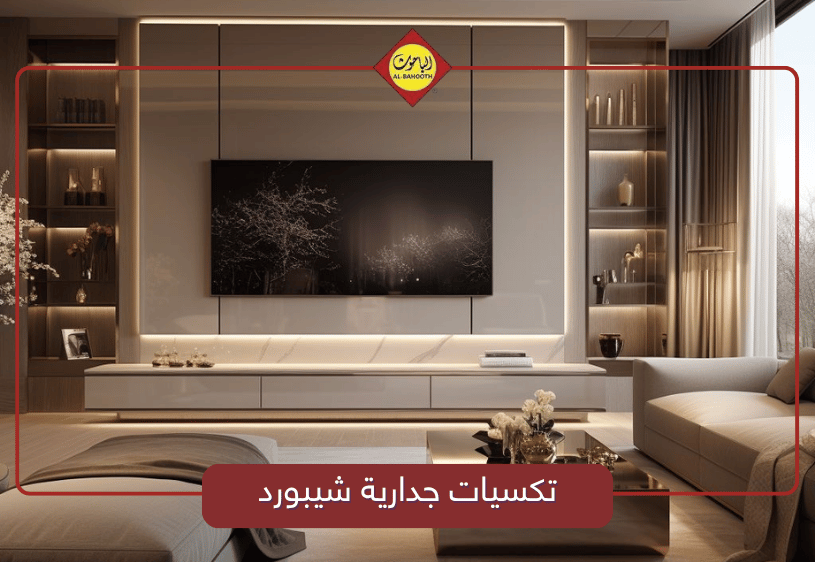
In modern interior design, the search continues for solutions that blend elegance and practicality without compromising durability or versatility. Many designers, homeowners, and commercial developers seek innovative alternatives beyond traditional options like solid timber or wallpaper. Chipboard wall cladding stands out as a contemporary choice that balances aesthetic appeal with functional value, giving spaces added luxury and ease of maintenance.
This article covers chipboard wall cladding concepts, core composite materials, installation mechanisms, popular design trends, benefits, and practical challenges.
What Is Chipboard Wall Cladding?
Chipboard wall cladding consists of composite decorative panels used to cover interior walls with a focus on modern aesthetic unity and structural protection. Manufactured from resilient materials like Wood-Plastic Composite (WPC) or fluted architectural panels, chipboard cladding resists ambient humidity and heat, serving both as a decorative feature and a protective wall barrier.
- Wood-Plastic Composite (WPC): A blend of wood fiber and thermoplastic polymers providing high moisture and water resistance, making it suitable for varying indoor climates.
- High-Pressure Laminate (HPL) Panels: Dense, rigid surfaces engineered to endure harsh environmental conditions while resisting impact and scratches.
- Engineered Wood Alternatives: Delivers authentic timber appearance alongside superior service life and simple surface care.
- Specially Treated Surfaces: Surface layers formulated to withstand heat, humidity, and daily wear without losing surface sheen.
- Versatile Finishes & Profiles: Available in diverse colors, textures, panel thicknesses, and lengths tailored to specific interior project dimensions.
How Chipboard Wall Cladding Operates
Chipboard cladding often utilizes an interlocking Click System, enabling mechanical alignment without excessive adhesives or exposed screws. This interlocking mechanism speeds up installation, improves structural flexibility, and allows individual panel replacement if localized damage occurs. In heavy-traffic settings, full-surface adhesives or concealed mechanical fasteners are applied to ensure long-term stability.
For instance, when installed across a living room feature wall, panels snap into place, producing a seamless, uniform surface free of visible mounting brackets or open gaps.
Technical Performance Characteristics
- Water & Moisture Resistance: Shields interior walls against water exposure, allowing easy washing without color fading or surface swelling.
- Fire-Retardant Properties: Engineered versions feature flame-inhibiting formulations that support indoor safety compliance.
- Impact & Scratch Resilience: Withstands daily abrasion, making it ideal for high-traffic residential and commercial zones.
- Eco-Conscious Formulations: Manufactured in part from recycled polymers and wood waste to support sustainable building initiatives.
- Extensive Design Variety: Offered in various colors, surface grains, and profile depths to complement diverse architectural styles.
Key Benefits of Chipboard Wall Cladding
Enhanced Structural Durability
Chipboard wall panels rely on dense composite cores that resist impact and surface wear better than standard MDF or delicate wallpapers, delivering long-term service life across both residential and commercial spaces.
Moisture Resistance
Its low-absorption composite core makes chipboard cladding suitable for areas exposed to steam and condensation, such as kitchens, utility corridors, and commercial spaces subject to high humidity.
Simple Maintenance Requirements
Chipboard surfaces require minimal maintenance and can be wiped clean using standard non-abrasive household cleaners without risking surface discoloration or core degradation.
Design Customization Options
- Varied color options matching specific interior color schemes.
- Multiple panel thicknesses for different wall applications and acoustic needs.
- Diverse lengths and widths to fit varying ceiling heights and room proportions.
- Decorative textures and relief patterns reflecting individual brand or residential aesthetics.
Visual Impact & Spatial Depth
Chipboard panels introduce tactile texture and spatial warmth. When combined with integrated architectural lighting, paneling adds dramatic visual depth, making it popular in hospitality and luxury residential projects.
Applications Across Interior Spaces
Residential Environments
- Bedrooms: Creates cozy headboard accent walls that coordinate with modern or classic furnishings.
- Living Rooms: Delivers a durable, stylish alternative to traditional paint or delicate wall coverings.
- Entrances & Foyer Areas: Forms an inviting focal point that sets a refined design tone right at the doorway.
- Kitchens & Utility Spaces: Serves as a water-resistant alternative to natural wood paneling.
Commercial Environments
Chipboard wall cladding is widely deployed in hotels, corporate offices, and retail showrooms due to its ability to endure heavy daily foot traffic while preserving a clean, contemporary appearance.
Key Installation & Specification Challenges
Skilled Installation Needs
Achieving plumb, tight joints across uneven or curved wall substrates requires experienced technicians. Poor surface alignment during fitting can cause visible seams or panel movement over time.
Color Consistency Between Batches
Slight shade variations can occur between separate production lots. Specifying panel quantities from a single manufacturing batch and working with established suppliers ensures uniform color tone across large wall surfaces.
Risks of Faulty Installation
Improper mechanical attachment or uneven adhesive application can create gaps between panels or localized detachment over time. Secure mounting systems are essential for long-term wall stability.
Market Trends in Saudi Arabia
The Saudi market is seeing increased momentum toward local manufacturing of composite chipboard cladding. Domestic production speeds up project delivery times, lowers shipping overhead, and provides custom finishes aligned with regional architectural preferences.
Design Innovation & Material Advancement
Leading manufacturers offer 3D textured reliefs, digital wood-grain prints, and integrated LED channels. These material advancements enable designers to create dynamic walls that double as spatial lighting features.
Guidelines for Selecting Chipboard Wall Cladding
- Select the Appropriate Core Material: Choose WPC for moisture resistance, HPL for high impact resistance, or engineered wood for natural warmth.
- Verify Moisture Exposure Levels: Ensure specified panels carry certified water-resistance ratings for installation near kitchens or wet areas.
- Assess Maintenance Demands: Opt for smooth or sealed laminate finishes where routine cleaning efficiency is essential.
- Prioritize Efficient Mounting Systems: Click-system panels save installation labor and facilitate future panel replacement.
- Harmonize with Interior Decor: Align panel texture, color, and grain with flooring, fixed joinery, and room lighting schemes.
- Balance Investment Quality: Premium chipboard panels offer higher impact resistance, realistic textures, and longer service life, reducing long-term repair and replacement costs.
Chipboard Cladding Solutions by AL-Bahooth Furniture
Founded in 1395 AH (1976 CE) by Ahmed Suleiman Ali AL-Bahooth, AL-Bahooth Furniture offers end-to-end interior design and manufacturing solutions through Qassim Furniture Factory. Chipboard wall cladding forms a key part of its interior portfolio, offering custom panel lengths, colors, and architectural profiles for residential and commercial projects.
AL-Bahooth handles the complete project lifecycle—from initial spatial consultation and 3D design to local manufacturing and professional on-site installation. By combining sustainable composite materials with precise local fabrication, AL-Bahooth delivers tailored wall solutions that balance functional durability with modern elegance.
Frequently Asked Questions
Is chipboard wall cladding suitable for high-humidity areas?
Yes, composite chipboard panels engineered with WPC or HPL cores resist water absorption and steam condensation, making them suitable for kitchens, utility rooms, and humid commercial environments.
Is chipboard cladding fire-resistant?
Select chipboard panel types are manufactured with fire-retardant additives that comply with standard indoor commercial safety regulations.
What is the expected service life of chipboard wall cladding?
When correctly installed using quality mounting hardware and maintained with basic care, composite chipboard cladding can last 10 years or more without losing its structural integrity or visual appeal.
Conclusion
Chipboard wall cladding provides a modern, durable, and practical solution for transforming interior spaces. By combining moisture resistance, design versatility, and simple maintenance, it serves as an excellent investment for residential and commercial environments alike.