Clinic waiting chairs
Clinic waiting chairs are an essential element of any medical facility, playing a vital role in patient comfort during wait times.
Makaseb
April 13, 2025 at 5:23 pm AST
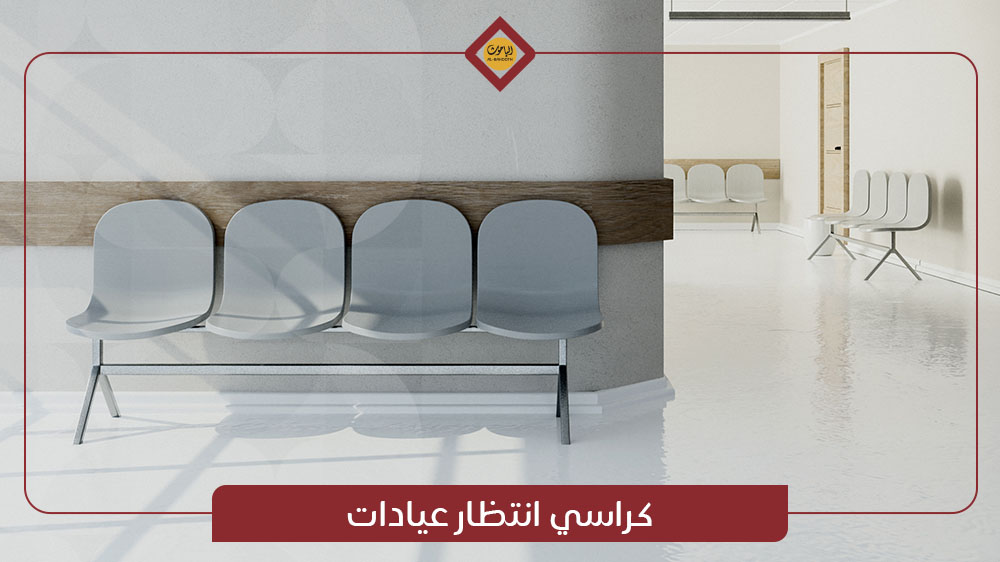
Clinic waiting chairs are an essential element of any medical facility, playing a vital role in patient comfort during wait times. Selecting the right seating involves more than mere aesthetics and style; it requires practical, ergonomic, and easy-to-maintain solutions. Evaluating core factors prior to procurement ensures an enhanced experience for patients and visitors alike.
Key Features of Clinic Waiting Chairs
When sourcing waiting room seating for medical clinics, look for these fundamental characteristics:
- Ergonomic Design: Clinic waiting chairs feature engineered contours that support the lower back and neck, ensuring patient comfort during extended sitting. Ergonomic support minimizes physical strain and reduces anxiety, maintaining a tranquil environment.
- Heavy-Duty Construction: Manufactured from high-durability materials, these chairs withstand continuous daily use without showing premature wear, surface scuffs, or structural fatigue. Their longevity helps preserve a polished corporate image.
- Seamless Hygienic Surfaces: Designed with smooth, non-porous surfaces, these chairs allow for rapid wiping and chemical disinfection. Maintaining stringent cleanliness standards fosters patient confidence in a safe environment.
- Modern Aesthetic Appeal: Available in contemporary designs and colorways that align with modern healthcare interior trends, high-quality seating projects a professional image that demonstrates attention to detail.
- Structural Stability and Anti-Slip Bases: Built on robust, reinforced frames, these chairs maintain complete stability during use, preventing tipping accidents and enhancing overall patient safety.
- Flexible Seating Configurations: Available in modular layouts and multi-seat gangings, seating configurations adapt seamlessly to both compact waiting rooms and large reception halls without causing spatial clutter.
- Effortless Assembly and Mobility: Featuring straightforward assembly blueprints, these chairs can be easily reconfigured or relocated during deep-cleaning routines or spatial layout adjustments.
If you are looking for custom-manufactured clinic waiting chairs tailored to your medical facility, explore your options with Bahooth. We specialize in custom furniture manufacturing, allowing you to select your preferred design styles, spatial dimensions, frame materials, and upholstery options with complete flexibility. Contact us today to access our custom manufacturing services.
How to Select the Best Clinic Waiting Chairs
To choose the ideal waiting room seating for your healthcare facility, evaluate these essential criteria:
- Prioritize Patient Ergonomics and Material Strength: Patient comfort is paramount. Chairs should offer sufficient cushion padding for extended waiting times. Combine comfort with high-performance raw materials—such as stainless steel or high-density polymers—to ensure structural longevity.
- Align Styling with Healthcare Interior Design: Select seating styles and color palettes that complement your clinic's interior aesthetic. Simple, modern designs project professionalism and foster psychological calm among patients.
- Ensure Easy Disinfection and Chemical Resistance: Healthcare environments demand non-porous, stain-resistant materials like medical-grade vinyl or high-density plastic. Avoid intricate carvings or deep seam details where dust and microbes accumulate.
- Optimize Layout and Spatial Clearance: Measure reception areas carefully to determine seat counts and prevent spatial congestion. Interconnected beam seating optimizes floor space, maintains structural order, and ensures smooth traffic flow.
- Provide Lumbar Support for Postural Comfort: Ergonomic contoured backrests that conform to the natural curvature of the spine reduce physical fatigue and spinal pressure, particularly for patients sitting through delayed appointments.
- Incorporate Universal Accessibility Features: Ensure seating accommodates elderly patients and individuals with mobility challenges. Provide appropriate seat heights and models equipped with sturdy armrests to assist users when sitting down or standing up.
- Balance Cost with Long-Term ROI: Evaluate pricing relative to structural build quality. Investing in commercial-grade, durable seating minimizes long-term repair expenses and replacement costs.
Primary Types of Clinic Waiting Chairs
Understanding the distinct categories of clinic seating helps determine the best fit for your facility layout:
- Individual Freestanding Chairs: Offer placement flexibility, allowing staff to reconfigure seating arrangements easily. Upholstered in synthetic leather or molded plastic, they are easy to clean and well-suited for dynamic clinic layouts.
- Tandem / Beam Seating: Consists of multiple seat modules anchored to a single structural beam. This configuration maximizes seating capacity along walls, minimizes floor clutter, and prevents arbitrary furniture movement in high-traffic reception areas.
- Metal Frame Chairs: Constructed from stainless steel or aluminum, metal seating offers structural durability, high load capacity, and minimal maintenance. They are ideal for high-volume hospitals and busy outpatient centers.
- Molded Plastic Chairs: Lightweight, cost-effective, and easy to sanitize, high-density plastic chairs provide a practical solution for smaller clinics or secondary waiting zones requiring versatile seating arrangements.
- Upholstered Chairs (Fabric or Commercial Vinyl): Feature soft foam padding to maximize comfort. Ideal for specialized private clinics prioritizing a high-end patient experience, though they require routine surface maintenance to retain cleanliness.
- Armrest-Equipped Seating: Designed with reinforced arm supports to assist elderly patients and individuals with physical disabilities, offering extra leverage when sitting or standing.
- Foldable Auxiliary Chairs: Provide flexible, space-saving seating that can be stowed away when not in use. While ideal for handling overflow patient volume in compact spaces, they are generally not intended for prolonged sitting.
Essential Procurement Checklist Before Purchase
Before placing an order for clinic waiting chairs, follow these practical steps:
- Calculate Spatial Dimensions and Seat Counts: Accurately measure reception floor space and determine the required seat capacity to ensure comfortable patient spacing and clear walkways.
- Select Non-Porous, Stain-Resistant Materials: Opt for high-performance materials such as stainless steel, commercial vinyl, or engineered polymers that withstand frequent application of medical-grade disinfectants.
- Verify Structural Load Standards and Anti-Tip Stability: Ensure frames feature broad, non-slip bases capable of supporting heavy daily usage without wobbling or sliding.
- Evaluate Ergonomics and Lumbar Support: Select designs with contoured backrests and optional padding to maintain patient comfort during unexpected wait times.
- Incorporate Inclusive Seating Options: Include seating options featuring sturdy armrests and higher seat clearances to comfortably accommodate elderly and special-needs visitors.
- Confirm Commercial Warranties and After-Sales Support: Choose manufacturers that provide comprehensive product warranties, ensuring long-term utility and reliable maintenance support.
Clinic waiting chairs are a fundamental component of the overall patient experience, directly influencing comfort, perception, and operational efficiency within a medical facility. Prioritizing material durability, ergonomic support, and ease of sanitation ensures a safe, welcoming, and professional healthcare environment.