comfortable bedroom
A comfortable bedroom is where your day begins and ends, serving as the primary foundation for physical and mental rest.
Makaseb
May 14, 2025 at 5:44 pm AST
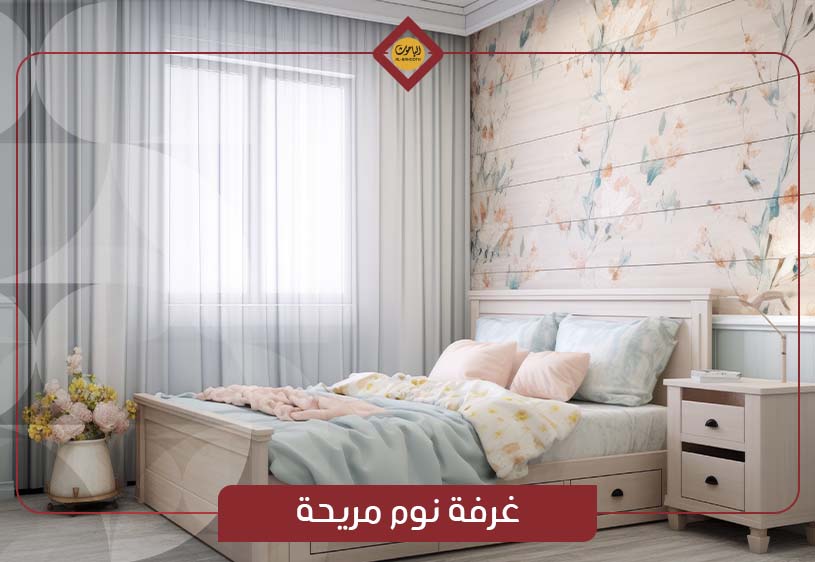
A comfortable bedroom is where your day begins and ends, serving as the primary foundation for physical and mental rest. Designing a bedroom to achieve complete comfort is crucial for improving sleep quality and overall health. By selecting the right furniture and carefully organizing the space, the bedroom can become an ideal sanctuary for relaxation, away from the stresses of daily life.
How to Choose a Comfortable Bedroom To choose a comfortable and exceptional bedroom, focus on key practical guidelines that simplify your decision-making:
- Select the Right Bed and Mattress: The bed is the most critical element in the bedroom. Choose a frame size that fits your available space and allows you to stretch out comfortably. Ensure the mattress provides sufficient back support to guarantee restful sleep.
- Opt for Calming Tones: Color plays a significant role in fostering a peaceful ambiance. Choose soft colors such as light blue or beige to promote relaxation, and avoid overly vibrant or harsh shades that can disrupt sleep quality.
- Rely on Soft, Warm Lighting: Lighting heavily influences your mood and comfort. Incorporate soft, warm lighting throughout the bedroom to prevent sensory strain, using dimmable or adjustable fixtures to tailor the atmosphere to your needs.
- Ensure Adequate Room Ventilation: Fresh airflow is essential for a healthy, restful sleep environment. Verify that your room features good ventilation access to permit continuous airflow, using fans or air conditioning as needed to regulate room temperature.
- Keep Furniture Practical and Minimalist: Maintain simplicity when selecting furniture. Avoid adding unnecessary pieces that clutter the space, choosing functional furniture instead, such as built-in wardrobes or chest of drawers to keep everything organized.
- Avoid Overcrowding the Layout: Refrain from filling the bedroom with too many items. Leaving open space around the bed provides a feeling of freedom and comfort. Consider setting aside a quiet corner for reading or unwinding away from daily clutter.
- Choose Light-Blocking Window Treatments: Curtains significantly affect sleep quality. Select heavy or blackout drapes to block external light, and ensure they close securely to maintain complete privacy.
- Incorporate Soft, Cozy Accessories: Subtle details like comfortable pillows or plush blankets add tremendous comfort. Introduce personal touches such as framed photos or fresh flowers to elevate the overall room atmosphere.
Features of Choosing a Comfortable Bedroom from Bahooth Choosing a comfortable bedroom offers distinct advantages over standard setups, making it the ideal choice, especially for practical individuals. Key features include:
- Enhancing Deep Sleep Quality: A comfortable bedroom guarantees deep, restful sleep that boosts overall health. Providing a quiet, well-ordered environment allows your body to fully relax, resulting in noticeably higher energy and vitality during the day.
- Reducing Stress and Tension: The soothing atmosphere of a well-designed bedroom alleviates mental fatigue and stress. Calming colors and gentle lighting work together to create a relaxing retreat, helping you shed daily pressures before sleep.
- Promoting Complete Mental and Physical Rest: A comfortable bedroom serves as the ultimate retreat for mind and body. Pair a high-quality bed with minimalist furniture so your body can fully recharge, enhancing your capacity to face daily tasks.
- Boosting Daily Energy and Productivity: Securing quality sleep in a comfortable space directly elevates daytime productivity. Deep sleep sharpens focus and cognitive function, positively influencing your performance at work or study.
- Supporting Physical Immunity and Overall Health: A comfortable bedroom contributes to better physical health. Proper rest reinforces immune function and enhances the body's natural recovery processes, keeping stress-related illnesses at bay.
- Improving Mood and Emotional Balance: Resting in a comfortable environment reduces mood fluctuations. The physical and emotional ease gained in a serene setting encourages a positive, relaxed mindset throughout the day.
- Strengthening Privacy and Personal Sanctuary: A comfortable bedroom reinforces your sense of personal privacy. Tailoring the layout to your preferences yields a safe, private space to unwind after a demanding day.
- Separating Work from Personal Relaxation: A comfortable bedroom provides a dedicated retreat away from professional stress. Having a space explicitly built for comfort helps separate work life from personal life, restoring your energy effectively.
What Is the Difference Between Comfortable Bedrooms and Standard Bedrooms? The distinction between comfortable bedrooms and standard bedrooms goes beyond superficial aesthetics or dimensions, encompassing several key operational differences:
- Focus on Psychological Ergonomics vs. Pure Aesthetics: Comfortable bedrooms rely on design principles that address physical and emotional needs. Furniture is positioned intentionally to maximize relaxation and movement. Conversely, standard bedrooms often focus solely on visual appearance without prioritizing user comfort.
- Impact on Overall Sleep Quality: Comfortable bedrooms elevate sleep quality by maintaining a quiet environment, soft lighting, and calming colors that ease the transition into sleep. Standard bedrooms may lack these refined elements, potentially leading to restless sleep.
- Smart Spatial Organization vs. Cluttered Layouts: Comfortable bedrooms feature smart spatial planning with generous open areas around furniture, keeping the space clean and peaceful. Standard bedrooms can easily become overcrowded with unnecessary items, reducing overall comfort.
- Curated Functional Furniture vs. Low-Quality Materials: Furniture in comfortable bedrooms is chosen for ergonomic support and functionality, featuring high-quality mattresses and health-safe materials. Standard bedrooms may incorporate lower-grade materials that diminish physical rest over time.
- Adjustable Warm Lighting vs. Harsh Fixed Illumination: Comfortable bedrooms use warm, dimmable, or layered light sources to create a soothing evening mood. Standard bedrooms often rely on fixed, overly bright overhead lighting that can hinder relaxation.
- Proactive Stress Reduction vs. Indifferent Atmospheres: Comfortable bedrooms cultivate an environment designed to lower anxiety and calm the mind through tailored decor and colors. Standard bedrooms frequently lack these intentional design choices, failing to offer psychological support.
- Dedicated Personal Sanctuary vs. Multi-Use Storage Spaces: Comfortable bedrooms offer an organized, quiet retreat designed for peaceful solitude away from daily pressures. Standard bedrooms often accumulate excess storage or mixed-use items, diluting privacy and restfulness.
- Long-Term Physical Health Benefits vs. Ergonomic Issues: Comfortable bedrooms support long-term physical well-being by facilitating deep sleep and proper spinal alignment. Uncomfortable standard bedrooms can contribute to health issues such as insomnia or persistent back pain.
Essential Tips for Maintaining Bedroom Furniture To preserve your bedroom furniture and keep it in optimal condition over time without requiring frequent updates, follow these essential maintenance practices:
- Perform Regular and Gentle Cleaning: Cleaning furniture regularly is fundamental to preserving its quality. Use a soft, dry cloth to wipe away accumulated dust and avoid harsh chemical cleaners that could damage surface finishes.
- Care for Pillow Covers and Bedding: Wash pillow covers and linens regularly according to their care labels. For non-washable items, use specialized fabric cleaners to keep them fresh and prevent dirt build-up.
- Protect Wooden Furniture Surfaces: Keep solid wood furniture away from excess humidity and direct heat sources. Use protective pads or coasters to prevent scratches, and apply a thin coat of furniture wax or oil periodically to maintain lustre.
- Avoid Overloading and Rough Handling: Do not subject bed frames or seating to excessive weight, which can cause structural damage. Avoid dragging or abruptly shoving furniture across the floor to prevent frame stress.
- Rotate the Mattress Regularly: Keep your mattress in prime condition by rotating it regularly to distribute body weight evenly. Use a quality mattress protector to guard against spills and early wear, extending its lifespan.
In conclusion, a comfortable bedroom is a true investment in your health and daily quality of life. Far more than just a place to sleep, it acts as a private sanctuary that provides peace and relaxation after a long day. By selecting the right furniture and attending to design and organization details, you can create an ideal environment that balances practical utility with complete comfort.