Custom furniture manufacturing for contractors
In the construction industry, contractors often face real challenges when ready-made furniture does not meet the requirements of large-scale projects.
Makaseb
May 10, 2026 at 11:26 am AST
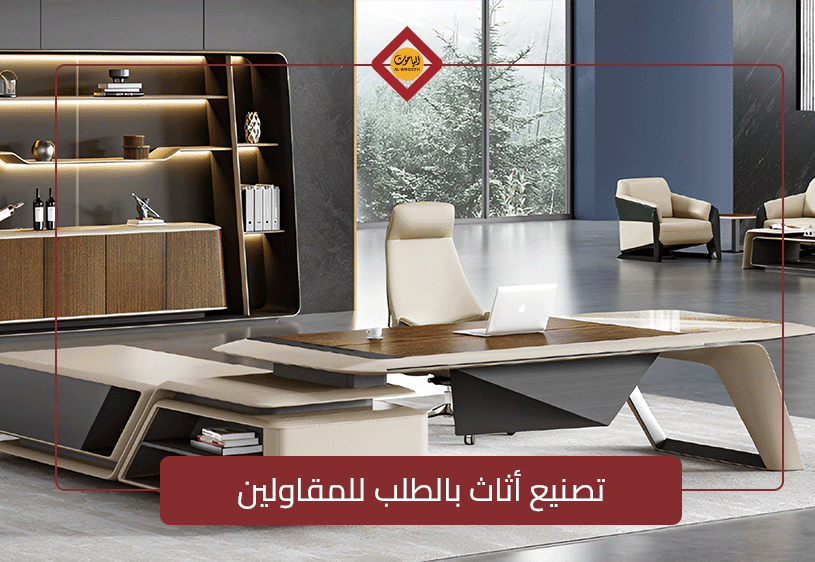
In the construction industry, contractors often face real challenges when ready-made furniture does not meet the requirements of large-scale projects. Differences in size, poor quality, and difficulty integrating with architectural designs are all factors that lead to wasted time and resources. This is where the importance of custom-made furniture for contractors comes into play, as the furniture is designed in detail to suit each space and its architectural framework, ensuring that the furniture for projects combines precision, functionality, and aesthetics.
Al-Bahouth Factory offers professional solutions that combine custom design and professional execution, with a focus on achieving the highest quality standards in furnishing construction projects and providing contractors with comprehensive furniture solutions. Thanks to its ability to produce detailed designs, the factory provides solutions for each phase of the project, helping contractors deliver their projects on time with precise engineering specifications. You can contact customer service for quick consultations about the best solutions for your needs in project furnishings.
What Are the Key Services of Custom-Made Furniture for Contractors?
Custom-made furniture for contractors is a specialized model that provides construction and real estate projects with tailor-made furniture solutions designed specifically to meet the unique requirements of each project. This model adjusts designs and materials according to the exact dimensions and engineering specifications of the site, ensuring the furniture fits the architectural and functional needs of the building.
Al-Bahouth Factory offers comprehensive services within this framework, including design consultations, practical implementation, on-site installation, while adhering strictly to quality and deadlines, making it a valuable partner for contractors in equipping their projects with complete furniture solutions.
How Are Project Needs Determined?
The process of determining needs begins with a comprehensive review of the engineering and technical requirements of the project. This involves analyzing the nature of the usage, available spaces, and the required functions of the furniture for each area. The factory relies on close collaboration between the contractor’s team and design and production specialists to clarify goals and develop a comprehensive concept that reflects the project's identity and its final function. This collaboration ensures reduced material waste and adapts the design to align with actual dimensions and site implementation specifications, achieving the highest level of balance between form and function.
What Are the Stages of Implementing the Request?
The stages of implementing a custom-made furniture design request for contractors include a series of consecutive steps to ensure the final result’s quality and its alignment with the project’s objectives:
- Defining the Scope of Work and Goals: Initially, the project’s objectives, required furniture types, and the exact technical specifications of each element are documented.
- Assigning the Design and Technical Team: A dedicated team of designers and technicians is assigned to study the architectural plans and develop an appropriate aesthetic and functional concept.
- Choosing Materials and Finishes: Materials are selected based on durability and appearance requirements, while also ensuring compatibility with the project’s architectural style.
- Manufacturing Stage: Manufacturing processes are executed using advanced technologies to ensure accurate dimensions and quality finishes, with continuous monitoring to adhere to specifications.
- Quality Control: Each piece of furniture is inspected before shipment to ensure it meets the set standards and is free of defects.
- Transportation and On-Site Installation: Products are carefully transported to the project site and installed according to the execution plan to seamlessly integrate with the building’s interior design.
Through this organized sequence, contractors can receive tailored furniture solutions for new buildings, enhancing the aesthetic and functional value of each project.
What Are the Best Custom Furniture Manufacturers for Contractors?
Al-Bahouth Furnishings
Al-Bahouth Furnishings is one of the leading custom-made furniture manufacturers for contractors in Saudi Arabia. With over 40 years of local and international experience in furnishing large and medium-sized projects, the company meets the needs of contractors and real estate developers by providing integrated solutions that include design, manufacturing, and supply according to the required engineering and aesthetic standards for their projects.
Al-Bahouth Furnishings specializes in producing custom-made furniture and uses the latest industrial technologies and precise finishes. It combines local quality with a global supply network extending to Europe, China, and Turkey, in addition to working closely with national factories to ensure complete furniture solutions that match the architectural and functional characteristics of each project.
Contractors interested in collaborating with Al-Bahouth Furnishings are encouraged to visit the company’s website to review case studies, project models, and inspect the quality of finishes and material durability in real-life scenarios before signing any executive contract.
How to Compare Ready-Made Furniture with Custom Furniture for Projects?
What Are the Differences in Specifications and Costs?
The difference between custom and ready-made furniture becomes clear when looking at technical details and execution methods.
- Availability and Timeframe: Ready-made furniture is available immediately and can be installed within a few days, while custom-made furniture for contractors takes 2 to 3 months depending on the project size.
- Specifications and Design: Ready-made furniture relies on standardized measurements and pre-designed models, whereas custom-made furniture is executed according to the precise measurements of the space, reflecting the visual identity of the project.
- Cost: While the unit cost of custom-made furniture is higher initially, it becomes more cost-effective in large construction projects due to reduced waste and adherence to specific requirements.
- Material Quality: Ready-made furniture uses standard materials that balance price and durability, while custom furniture is produced with carefully selected materials tailored for the specific use and architectural environment.
- Design Flexibility: The custom-made option allows full freedom to choose finishes, colors, and functionalities, unlike ready-made models that offer limited customization.
What Are the Most Commonly Used Materials in Custom Furniture Manufacturing for Contractors?
What Are the Advantages of Wood vs. Metal?
Wood and metal are among the main materials used by contractors in custom furniture manufacturing for large projects, each offering different properties that meet the needs of various work environments. Natural wood is favored for its warm appeal and ease of shaping, while metal, especially steel, offers high durability and stability.
Contractors prefer treated wood for its good insulation properties and its suitability for luxury hotels and offices. Steel or solid metals offer longer lifespans, especially in hospitals or public facilities with heavy use.
Some potential downsides include reduced durability of MDF if quality control is not maintained, and the possibility of corrosion in untreated metal furniture when exposed to humidity.
However, the market has seen a rise in metal prices by 20-30%, which has led some economic projects to opt for MDF and melamine as substitutes to reduce costs without compromising design or function.
Which Materials Suit Examples of Contractor Projects?
- Multi-story Hotels: Natural wood with luxury finishes is used to add warmth to rooms and reception areas.
- Administrative Offices: These often rely on MDF and melamine to reduce costs while maintaining a modern and practical look.
- Hospitals: Metal furniture, especially treated metal, is preferred for easy sterilization and resistance to heavy use.
- Public Construction Projects: Construction sites are equipped with durable furniture made from steel or aluminum, which is easy to disassemble and transport.
The selection of materials for contractor projects depends on the nature of the project, the duration of use, and the expected level of maintenance, balancing durability, appearance, and cost.
What’s New in Manufacturing Technologies?
New technologies in furniture manufacturing have shown remarkable development, most notably the use of CNC machines that allow for precise designs to be executed in less time. This technology reduces errors by about 30% and ensures uniform results when furnishing construction projects with wood and metal. These machines also facilitate large-scale production according to specified measurements, enhancing the efficiency of custom manufacturing for contractors and developers.
What Are the Stages and Steps in the Custom Furniture Manufacturing Process?
How Does the Design Phase Begin?
The process of manufacturing custom furniture for contractors starts with studying the project and understanding the nature of the required furniture. At this stage, the contractor’s requirements regarding design, function, and exact dimensions are carefully listened to, whether the project is an office, residential unit, or an under-construction hotel. The design team then selects appropriate models, presents 3D preliminary drawings to help visualize the final appearance, and specifies materials that match the location’s nature, usage capacity, and required durability.
What Are the Implementation and Monitoring Steps?
- Human and Material Resource Allocation: Tasks are assigned to carpentry, painting, and upholstery teams, with raw materials selected from wood, metals, and fabrics of agreed quality.
- Manufacturing at Workshops: Pieces are made according to the contractor-approved specifications, with monitoring of cutting, shaping, and assembly phases.
- Continuous Quality Monitoring: Materials are checked before and during production to ensure they are defect-free. The final product undergoes stability and balance tests before shipment.
- Shipping and Installation: After quality approval, pieces are safely transported to the project site and installed according to the execution plan.
How Long Does Each Stage Take?
- Design and Study Phase: 1 to 2 weeks depending on the number of pieces and design complexity.
- Execution and Production Phase: 3 to 8 weeks based on project size and chosen materials.
- Shipping and Final Installation: 1 to 2 weeks for transportation and installation.
Thus, the entire process usually takes between 4 to 12 weeks from agreement to delivery, compared to traditional projects that may extend from 6 to 8 months. In cases requiring fast implementation, such as hotel or new property setups, the total duration can be reduced to 2-3 months while maintaining quality standards.
What Are the Key Tips for Choosing a Custom Furniture Manufacturer for Contractors?
How to Ensure the Quality of the Manufacturer?
Ensuring quality in manufacturing is fundamental for any contractor’s furniture project, so it is essential to follow specific steps before signing any contract:
- Inspect material samples and designs to ensure wood quality, durability, and finish accuracy that matches the project requirements.
- Request written guarantees such as a 5-year quality warranty to boost confidence in the manufacturer’s adherence to technical standards.
- Review case studies from previous projects to understand the manufacturer’s ability to meet specifications and timelines.
- Contact previous clients to inquire about post-delivery service and adherence to maintenance or replacement policies when needed.
It's also recommended not to rely entirely on craftsmen without technical oversight, as the absence of monitoring or documentation of manufacturing steps may result in quality inconsistencies or delays in execution.