Data center and operations furniture
In a world where data flows are rapidly accelerating and technological demands continue to grow, data center and operations furniture plays a critical role in supporting digital infrastructure and ensuring uninterrupted performance
Makaseb
May 4, 2026 at 4:03 pm AST
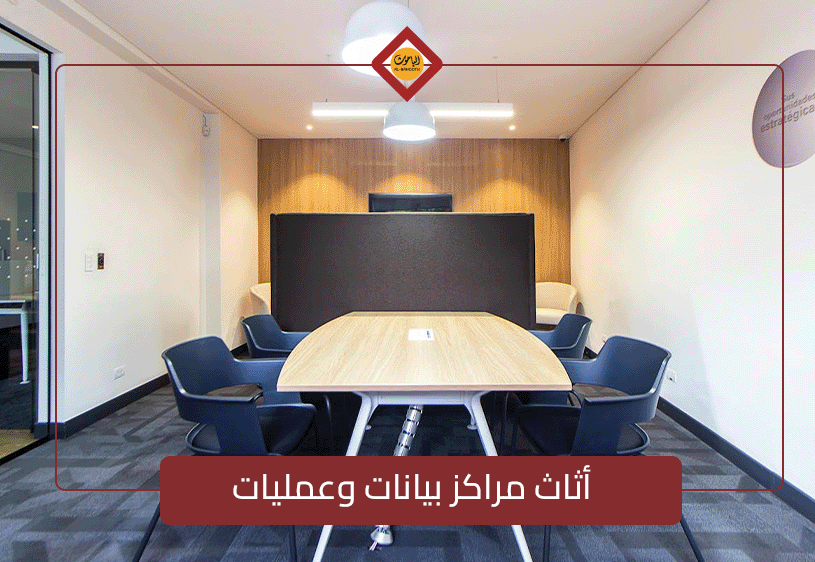
In a world where data flows are rapidly accelerating and technological demands continue to grow, data center and operations furniture plays a critical role in supporting digital infrastructure and ensuring uninterrupted performance. The lack of specialized and modern equipment makes systems more vulnerable to failures and downtime, threatening business stability and exposing data to risks of loss or damage. As business environments and technical facilities evolve at a fast pace, attention to furniture is no longer just an engineering consideration; it has become a strategic decision that directly impacts operational efficiency and the ability to innovate.
In this article, you will learn everything related to data center and operations furniture, from its types and benefits to smart selection methods based on modern technical requirements, along with a review of the latest innovations and the role of leading companies in developing this vital sector in the Kingdom.
What is Data Center and Operations Furniture?
Data center and operations furniture refers to a set of structures and components carefully designed to house critical technical equipment such as servers, networking devices, and cable and cooling systems. This furniture aims to ensure maximum operational efficiency and minimize the likelihood of failures, allowing the digital infrastructure to operate smoothly and continuously.
Main Furniture Components
Data center and operations furniture consists of interconnected elements that help organize the technical work environment and enhance stable performance, including:
- Metal racks and cabinets used to arrange servers and equipment in an organized manner, facilitating space management and efficient cooling.
- Technical tables that enable engineers and technicians to perform monitoring and maintenance tasks safely and comfortably.
- Integrated cable management systems that simplify wiring paths and prevent tangling, maintaining seamless connectivity between different components.
- Air and liquid cooling systems that maintain stable temperatures within the center and protect equipment from thermal failures.
The Role of Furniture in the Technical Environment
Data center and operations furniture plays a pivotal role in improving operational efficiency and organizing equipment distribution within technical spaces. It facilitates rapid maintenance processes and immediate access to servers, ensuring 24/7 service continuity and reducing downtime. It also provides a stable and secure environment that supports the sustainable performance of critical digital systems.
Why is Data Center and Operations Furniture Important?
Data center and operations furniture plays a key role in enhancing operational efficiency through well-thought-out designs that ensure optimal airflow around servers, contributing to reducing energy consumption by up to 30% when adopting smart solutions with Energy Star certifications. This balanced thermal flow prevents heat buildup and extends equipment lifespan.
Carefully engineered structures also protect sensitive systems from overheating risks through redundant cooling solutions and dual power and cooling units. Organized cable systems and smart racks accelerate immediate maintenance and reduce unexpected service interruptions that may affect operations.
Sustainability and Cost Reduction
Modern data center furniture helps achieve environmental sustainability standards through liquid or air cooling technologies that significantly reduce water and electricity consumption. In addition to the positive environmental impact, these solutions enable companies to obtain LEED certifications and reduce operational costs in the long term.
Enhancing Security and Compliance
The design of data center furniture contributes to improving security levels through a range of preventive measures and advanced technologies, ensuring that the work environment complies with the highest safety standards.
- Accurate risk assessments are applied to ensure safe distribution of equipment and cables.
- Locks are widely used to secure racks and access units.
- Fire-resistant designs are implemented in walls and flooring to protect critical infrastructure.
- Lockout/Tagout procedures are integrated to ensure safety during maintenance and electrical work.
Through this integrated system, data center and operations furniture becomes a core element in achieving operational efficiency, environmental sustainability, and a high level of security aligned with modern digital infrastructure requirements.
What Are the Core Elements of Data Center and Operations Furniture?
Metal structures and racks form the foundation of data center and operations furniture, designed to provide stability and durability in continuous operating environments. These structures typically come in the form of metal cabinets with mesh doors that allow airflow, along with sliding shelves that facilitate access to equipment without disrupting service. They also support tiered operational standards from Tier 1 to Tier 4 (Uptime Tier 1–4), making them suitable for data centers with varying loads and high reliability levels.
Technical Tables and Equipment Distribution
Technical tables help organize the distribution of equipment such as servers and networking devices in a practical and balanced manner. Their design takes into account ease of access for maintenance, as well as durability to withstand heavy loads and daily equipment movement. These tables are used across all operational levels, from small labs to large data halls, remaining a key factor in performance stability and ease of management.
Cable Systems and Organization
Cable organization is a vital element in ensuring smooth data flow within the center. Smart cable systems rely on multiple pathways that allow three-tier distribution across core, aggregation, and access layers, enhancing operational efficiency and minimizing interference or disruptions. These systems also facilitate maintenance and future network expansion without impacting the current infrastructure.
Integrated Cooling Systems
Cooling systems maintain stable temperatures inside data centers to ensure consistent performance of sensitive equipment. Solutions range from precision air conditioning units (CRAC) to high-efficiency liquid cooling systems, which contribute to energy sustainability and reduced operating costs. Additionally, furniture design considers compliance with fire protection standards such as NFPA and information security requirements like ISO 27001, enhancing safety and reliability in the technical environment.
How to Choose Data Center and Operations Furniture?
The process begins with a comprehensive assessment of site risks and operational requirements, including electrical analysis, lifting and handling needs, and working at heights. It is essential to apply safety checklists that include personal protective equipment (PPE) and Lockout/Tagout procedures to secure the work environment. This evaluation helps determine the most suitable furniture type based on the required safety level and reduces operational risks.
Quality, Performance, and Certification Standards
Furniture should comply with Uptime Tier classifications from level 0 to 4, as well as standards such as EN 50600 and TIA-942, which ensure high performance and operational continuity. It is also preferable to verify environmental efficiency certifications such as LEED and product quality certifications like BICSI, reflecting a commitment to sustainability and equipment longevity. This adherence ensures a stable operating environment and reduces the risk of failures or unplanned downtime.
Safety and Operational Practices
Safety elements in design and components must be carefully evaluated, including effective locking systems, secure electrical connections, and supporting security policies. It is also recommended to work with certified specialists, especially in government projects or those subject to regulatory frameworks such as HIPAA and SOX. These practices ensure that furniture not only performs operational functions but also supports compliance with safety and sustainability standards.
What Are the Latest Innovations in Data Center and Operations Furniture?
The field is witnessing a shift toward more efficient and sustainable cooling systems, most notably liquid cooling, which reduces electricity and water consumption compared to traditional methods. Smart cooling units equipped with computerized environmental control systems have also emerged, continuously monitoring temperature and humidity and automatically adjusting performance to maintain stable server environments and long-term operational quality.
Lifting Systems and Remote Control
Safe automated lifting solutions are becoming widespread, enabling precise and efficient handling of equipment within server rooms while reducing injury risks. Modern data centers also feature smart monitoring systems such as AVTs and HVAC filters, allowing teams to monitor operations and adjust settings remotely, improving maintenance efficiency and rapid response to unexpected issues.
Improved Cable Management
Smart cable infrastructures in data center furniture have evolved to become more organized and flexible, integrating mechanical channels and automated organization platforms that improve airflow within racks and reduce wiring clutter. This development not only enhances thermal performance but also simplifies maintenance and future expansion without service disruption.
Who Provides Data Center and Operations Furniture Solutions?
Al-Bahooth Furnishings is one of the leading providers of data center and operations furniture solutions in Saudi Arabia, combining precise local manufacturing with flexible, customizable designs tailored to project requirements. The company is known for fast service and high responsiveness, making it a trusted strategic partner for both government and private sectors.
Its services include designing data center interiors, manufacturing tables and racks, and creating cooling and cable units that comply with the latest global standards, providing projects with integrated furniture systems that combine quality, efficiency, and modern technology.
Integrated Services and Solutions
Al-Bahouth Furnishings offers a comprehensive range of services covering all project stages, from design to execution.
- Design solutions based on understanding client needs and transforming them into practical and flexible environments.
- Custom manufacturing services aligned with technical standards for data centers.
- Supply and implementation processes ensuring integration between local and imported components.
The company’s approach combines high-quality imports from Europe and Asia with advanced local manufacturing under the umbrella of Al-Qassim Furniture Factory, creating a unique balance between global quality and national production.
Role in Quality and Customer Satisfaction
Al-Bahouth Furnishings places great emphasis on quality standards at every stage, from material selection to manufacturing methods and execution precision. The company relies on high craftsmanship to deliver furniture that meets the requirements of sensitive work environments such as operations centers, where accuracy and reliability are essential.
This quality is reflected in customer satisfaction and trust, as its products have become a benchmark in data center furniture, combining durability, security, and ease of use.
Frequently Asked Questions About Data Center and Operations Furniture
What is meant by data center and operations furniture?
It is a set of structures and specifically designed to house and organize technical equipment such as servers, networking devices, and cooling systems, with the aim of improving performance and ensuring operational continuity.
Why is data center furniture important in digital infrastructure?
It plays a key role in improving operational efficiency, reducing failures, organizing airflow, and protecting equipment from overheating, contributing to system stability and minimizing downtime.
How does furniture help reduce energy consumption?
Through smart designs that enable optimal airflow around devices and the use of advanced cooling systems, energy consumption can be reduced by up to 30%.
Conclusion
Data center and operations furniture represents the core foundation that determines the efficiency and stability of technical infrastructure. It is not merely a physical setup but an integrated system that supports high performance and compliance with the latest global and local standards, directly impacting system reliability and the continuity of critical technical operations.
Choosing modern furniture from specialized companies such as Al-Bahooth Furnishings provides technical projects with essential strengths, from environmental sustainability to security and design flexibility, along with professional customer service that ensures continuous operation and high-quality support in the long term.