Designing creative work environments
In a world witnessing rapid changes in work patterns and technology, the need to design creative work environments emerges as a key priority
Makaseb
May 4, 2026 at 4:06 pm AST
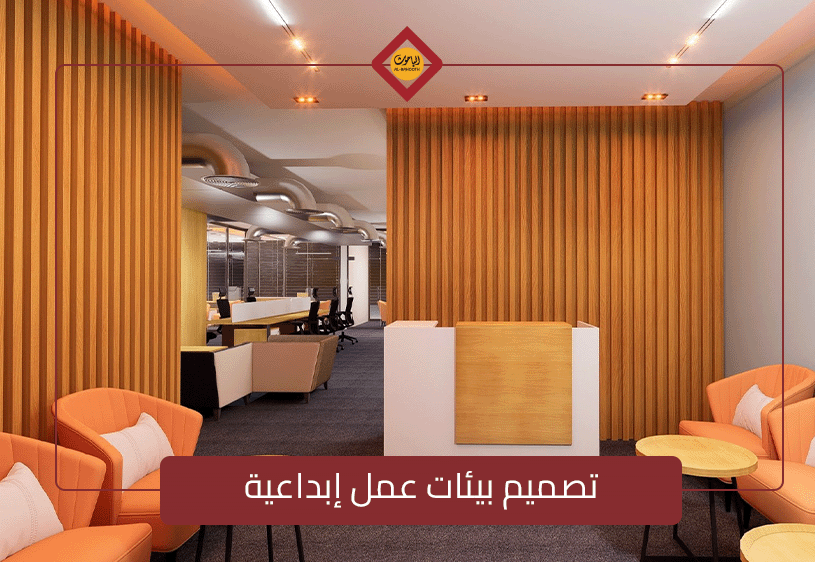
In a world witnessing rapid changes in work patterns and technology, the need to design creative work environments emerges as a key priority—environments capable of keeping pace with these transformations and stimulating minds toward productivity and thinking beyond the conventional. Modern offices are no longer just spaces for completing daily tasks; they have become platforms for exchanging ideas, fostering team spirit, and encouraging innovation. Today, ambitious companies strive to build environments that integrate advanced interior design with flexible organizational culture, creating workplaces where employees feel a sense of belonging and enthusiasm.
This article will take you on a journey to explore the essence of designing creative work environments, starting from its core concept to the key elements of ideal design that enhance interaction and productivity. We will also discuss the practical benefits organizations gain from creativity-driven environments, while highlighting the latest global trends in workplace design and the experiences of Saudi companies that have successfully adopted this approach, such as Al Bahooth Furniture.
What is the design of creative work environments?
Designing creative work environments is an approach that combines aesthetics, functionality, and organizational culture simultaneously to create a space that stimulates free thinking and active participation. It is not limited to furnishing offices or distributing spaces; rather, it goes deeper into understanding human behavior within organizations and how a place can inspire individuals and nurture their potential.
This type of design goes beyond traditional office models to include broader human and organizational dimensions, such as adopting flexible work policies, strengthening trust among teams, and creating an atmosphere that encourages experimentation and exploration. The goal is to build an environment that supports effective communication, facilitates collaboration, and breaks down physical and psychological barriers, while valuing both individual and collective contributions.
Pillars of creative design
- Open spaces: Encourage dialogue, idea exchange, and create a sense of belonging and freedom within the workplace.
- Natural lighting: Boosts positive energy, enhances focus, and improves employees’ overall mood.
- Variety of furniture and materials: Adds flexibility and warmth, allowing employees to choose what suits their tasks.
- Psychologically stimulating colors: Used to spark creativity, increase vitality, and improve mood.
- Integration of natural elements: Such as plants and organic materials that add calmness and visual balance, helping reduce stress.
- Innovation-supportive corporate culture: Reflected in policies and leadership style, encouraging experimentation and individual initiative.
- Modern technologies and digital tools: Enable higher efficiency and reduce administrative complexity.
- Work-life balance: Through designing relaxation corners or creative spaces that support mental and emotional renewal.
How does creative workplace design transform company performance?
Designing creative work environments directly contributes to increasing innovation and productivity within organizations. The integration of flexible spaces and supportive zones allows employees to interact freely and exchange ideas without restrictions, leading to up to a 47% increase in creativity. This approach also enhances job satisfaction and strengthens employees’ connection to the company, as they feel that the workplace reflects their needs and supports their creative potential.
The impact of space and décor
Physical elements in the workplace—from furniture arrangement to lighting and color distribution—have a profound effect on the team’s mental state. Open-space design, diverse seating areas, and flexible desk usage enhance communication, while a balance between warm and calm colors creates a comfortable environment that promotes focus and reduces stress.
- Indoor plants refresh the space and enhance psychological comfort.
- Social areas and break spaces boost positive energy and encourage bonding among colleagues.
- Natural lighting and nature-inspired décor support overall mood and reflect a distinctive creative identity for the company.
The relationship between culture and design
The connection between design and company culture is a key factor in enhancing team performance. When employees are involved in space design decisions, they feel a sense of belonging and real participation, reinforcing a culture built on trust and collaboration.
Practical example: In Google’s experience, adopting an open-office model enhanced daily employee engagement, increasing opportunities for informal interaction and expanding new ideas that positively impacted innovation across projects.
Key elements in designing creative work environments
Furniture distribution is one of the most important elements in designing creative work environments, as it helps achieve a balance between comfort and flexibility. It is recommended to choose ergonomic and adjustable furniture, such as supportive chairs and customizable desks, which reduce physical strain and improve daily performance.
Smart storage solutions and movable furniture can also be integrated to allow easy reconfiguration of spaces, accommodating different work styles. This flexible design approach enhances collaboration among teams and allows free movement within a dynamic environment that supports focus and productivity.
Natural and artificial lighting
Lighting is a critical element in building a stimulating work environment. Combining natural light from wide windows with well-planned artificial lighting creates comfortable visual balance.
A lighting system that can be adjusted in intensity and direction according to tasks and time of day should be provided, helping reduce eye strain and improve employees’ mood. Proper lighting enhances vitality and supports creativity in daily work environments.
Colors and natural materials
Colors and materials play a clear psychological role in workplace design. Using stimulating colors such as blue for focus and green for calmness helps create a balanced atmosphere.
Incorporating wood and natural materials into furniture or décor enhances warmth and comfort. Natural plants can also be added to refresh the air and improve positive energy, making the space more vibrant and connected to nature.
Interactive open spaces
To create a creativity-driven workplace, it is essential to include open interactive areas that encourage dialogue and idea exchange. Designing comfortable social zones fosters collaboration and openness among colleagues.
At the same time, it is important to allocate quiet corners that provide privacy for focused thinking or individual creativity. This balance between openness and individual focus strengthens teamwork culture while maintaining personal comfort within a cohesive and balanced design.
What is the impact of creative workplace design on organizational culture?
Designing creative work environments contributes to building a culture based on innovation and participation. When spaces are flexible, open, and encourage experimentation, employees feel more freedom to share ideas and develop new solutions. These conditions create positive energy within the organization and attract talent seeking creative and growth-oriented environments. Focusing on creative design also enhances a corporate culture that celebrates continuous improvement and encourages thinking beyond the norm.
Enhancing satisfaction and belonging
Experiences show that motivating work conditions, combined with employee participation in decision-making, significantly increase job satisfaction, with improvements ranging between 47% and 52% in sectors such as Saudi tourism. A creative work environment goes beyond aesthetics—it includes developing individual skills, achieving work-life balance, and reducing burnout. When employees feel valued and involved, they develop a deeper sense of belonging and stronger commitment to shared goals.
Driving growth and excellence
Organizations that adopt creative work environments within their strategies and programs enhance their opportunities for growth and excellence. Data indicates that companies following this approach can achieve up to a 20% increase in return on investment. This is due to improved overall performance, accelerated innovation, and strengthened competitiveness in the market. Studies also recommend integrating training programs and creativity-driven incentives, along with developing shared spaces among teams to ensure sustainable innovation and long-term business growth.
Innovative solutions: Al Bahouth Furniture in creative workplace design
Al Bahooth Furniture is one of the leading companies in Saudi Arabia specializing in designing creative work environments that combine aesthetics and functionality. With over 40 years of experience, the company has built a strong reputation through comprehensive solutions that include planning, customization, and execution for various project types, whether office, residential, or hospitality.
The company’s expertise is reflected in integrating the latest global trends into its designs, such as reconfigurable open spaces, smart lighting, and the use of natural plants to improve air quality and enhance creativity, in addition to flexible storage solutions that support modern work requirements and align with Saudi Vision 2030 goals.
Comprehensive furnishing services
Al Bahooth Furniture offers a fully integrated experience that makes the furnishing process smoother and more harmonious. The team starts by carefully studying and planning spaces, then selecting materials and colors, and finally delivering the project according to the specified timeline.
- The company provides a single point of contact throughout all project stages to simplify communication and accelerate execution.
- The interior design team focuses on understanding client goals to create work environments that enhance productivity and reflect the organization’s identity.
- Services cover all furnishing aspects, from office furniture to décor, lighting, and complementary elements that enrich the workplace experience.
Custom local manufacturing
Al Bahooth Furniture stands out for its ability to offer local manufacturing tailored to client needs, providing high flexibility in design and quality control.
- Pieces are produced using modern technologies and precise manufacturing standards to ensure durability and elegance.
- Clients can select materials, colors, and dimensions that match their project requirements, allowing for a unique design identity for each space.
- Production relies on carefully selected local and global suppliers to offer a wide variety of materials and styles.
Quality and simplicity in execution
Quality is the cornerstone of every project at Al Bahouth Furniture, with great attention paid to every detail from design to final installation.
- Each furniture piece is carefully reviewed to ensure comfort and high-quality finishing.
- The company adopts a streamlined execution approach that reduces complexity and accelerates delivery without compromising quality.
- Coordination between technical and administrative teams ensures a smooth and consistent client experience from start to finish.
With these strengths, Al Bahouth Furniture continues to establish itself as a key driver in designing creative work environments that support employee well-being and meet future needs with flexibility and elegance.
Frequently Asked Questions about creative workplace design
What is meant by designing creative work environments?
It is an approach that integrates interior design, corporate culture, and technology to create a workspace that encourages free thinking, collaboration, productivity, and innovation.
Why has workplace design become important in modern companies?
Because the workplace is no longer just a place to complete tasks; it has become a key factor in fostering creativity, attracting talent, and improving employee satisfaction and performance.
How does the work environment affect employee productivity?
A well-designed environment helps reduce stress, improve focus, and enhance collaboration, leading to increased productivity and higher levels of creativity within the team.
Conclusion
Designing creative work environments is not merely an aesthetic upgrade; it is a long-term investment that enhances creativity, satisfaction, and gives organizations a real competitive advantage in a rapidly changing business world. Thoughtfully designed offices open the door to new ideas, support communication and collaboration, and directly impact productivity and internal work culture.