Diriyah project preparation
The Diriyah project involves implementing an integrated system of furniture and interior design tailored to the facilities of the Diriyah Gate, one of the most prominent cultural and tourism projects linked to Saudi Vision 2030.
Makaseb
May 4, 2026 at 5:19 pm AST
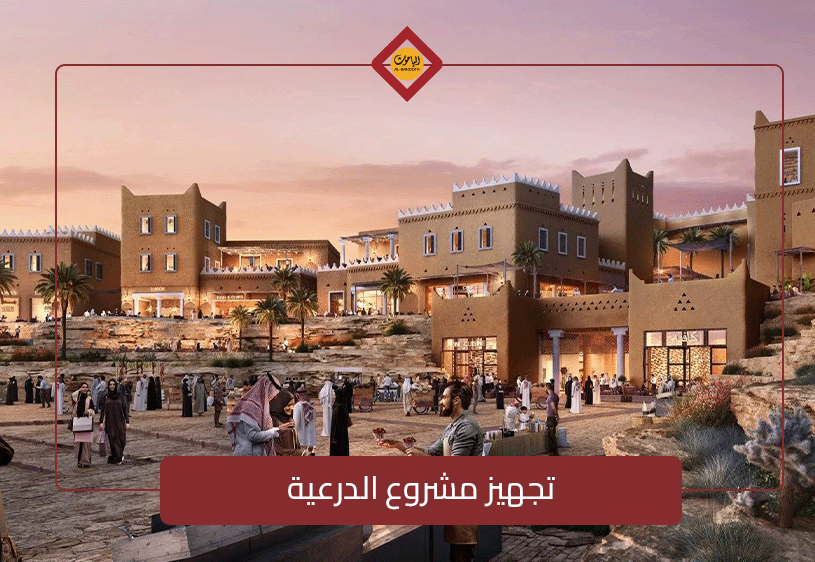
The Diriyah project involves implementing an integrated system of furniture and interior design tailored to the facilities of the Diriyah Gate, one of the most prominent cultural and tourism projects linked to Saudi Vision 2030. This includes designing spaces in line with the Najdi architectural identity, with a focus on integrating traditional Saudi furniture with modern touches that reflect the authenticity of the place while meeting global hospitality standards. The project aims to create a comprehensive environment that represents a unique cultural and heritage gateway, making it a major tourism and investment attraction both in Saudi Arabia and worldwide.
In the Saudi context, the term "furnishing Diriyah project" refers to a set of processes that include contracting, interior design, and implementing tourism projects with specific specifications that maintain the local character. The project plays a central role in the national transformation in tourism and culture, supporting the expansion of the contracting and national furniture manufacturing market, and creating direct opportunities for contracting companies, suppliers, and furniture factories to participate in developing this historic destination. This term also reflects the active commercial research into interior design for Diriyah and tourism equipment, highlighting the vibrancy of the local market in meeting the demands of large projects aligned with the aspirations of Vision 2030.
What Are the Leading National Companies for Furnishing the Diriyah Project?
Al-Qassim National Factory ("Al-Bahouth") is one of the prominent Saudi factories specialized in furnishing Diriyah, offering furniture solutions and interior design for large projects. Located in Al-Qassim, the factory has extensive experience in serving the Saudi market with specifications that align with the Kingdom's Vision 2030 and national quality standards. It provides custom-made products for the hospitality and tourism sectors, making it an accredited local manufacturer with advanced design and manufacturing capabilities, supporting both heritage and modern projects.
Our Destination in Design and Manufacturing
The factory presents itself as a first-choice destination for high-quality interior design and furniture manufacturing, blending innovation and practical beauty in every piece. The design team deeply understands the identity of Diriyah and its architectural character, offering solutions that harmonize with the spirit of the place. All manufacturing stages are executed with extreme precision, using high-quality materials and advanced techniques to ensure products that fit luxurious spaces, hotels, and cultural centers within the historic area.
Partnerships and Areas of Work
Al-Qassim National Factory participates in several major national projects, such as furnishing Aramco offices and contributing to EXPO project setups, reflecting its position as a trusted partner in upscale furnishings. It also collaborates with local and international investment companies to enhance its role in supporting the Diriyah project, benefiting from its experience in designing and implementing heritage spaces with a modern spirit. These partnerships affirm the factory's commitment to enhancing the presence of national factories in the hotel and construction furnishings market.
How to Contact Us
For collaboration or inquiries about the factory’s services in furnishing Diriyah projects, you can visit its official website. You can also directly contact customer service numbers to schedule a free consultation or discuss the needs of large-scale projects in the fields of design and furnishing. The specialized team offers integrated solutions for anyone looking for a Diriyah furnishings partner, combining expertise, precision, and national commitment.
What Are the Key Phases and Plans for Furnishing the Diriyah Project?
Execution and Development Phases
The Diriyah Gate Development Authority oversees an integrated system of phases to ensure the project is completed according to the highest quality and architectural identity standards. The furnishing phases for the Diriyah project include:
- Design Study and Detailed Planning: This phase begins with analyzing architectural plans and designing interior and exterior elements in alignment with the authentic Najdi character of the project.
- Supply Phase: During this phase, high-quality local materials are selected from national suppliers, supporting the principle of relying on local supply chains.
- Installation and Implementation: This includes interior construction work, as well as furnishing hotels and restaurants in Diriyah, using pieces inspired by the traditional architecture of Najd.
- Customization and Execution of Interior Elements: The first phase furnishings for Diriyah are carefully executed, including lighting, furniture, and finishing touches that reflect the cultural identity of the place.
- Quality Control and Follow-Up: Detailed checks are performed to ensure that the aesthetic and functional standards are met before the final delivery of each component.
Al-Turaif and Al-Bujairy Neighborhood Projects
Al-Turaif is the historical heart of the project, while Al-Bujairy serves as its cultural and recreational center, where urban design integrates with the heritage environment in perfect harmony. Al-Turaif includes a collection of heritage buildings that have been carefully rehabilitated to serve as cultural and historical destinations, with architectural fixtures that maintain the Najdi style. Al-Bujairy combines restaurants, hotels, shops, and cultural halls, with furniture and interior design work completed using materials that balance authenticity with modern execution techniques.
The furnishing plans for both neighborhoods rely on designs that merge modernity with traditional spirit, creating unique visual and spatial harmony throughout the entire project.
Contract Value and Furnishing Deals
The contract value for furnishing the Diriyah project is estimated at approximately SAR 7.8 to 18.75 billion, covering construction, interior furnishing, and facility setup. National furniture factories have taken a significant share of the execution, as part of the effort to encourage local content and activate national contractors’ contracts for Diriyah, with direct supervision by the Public Investment Fund to ensure sustainability in quality and timeline for the various project phases.
What Are the Quality Standards and Furniture Manufacturing for Diriyah Projects?
Materials Used and Innovation
The furnishing of the Diriyah project relies on the use of high-quality local materials that combine durability and beauty, in alignment with the identity of the place and the nature of the Najdi climate. Locally treated woods are used with special techniques to make them resistant to moisture and heat, along with fabrics developed to withstand heavy use in hotels and public facilities.
At Al-Qassim National Factory, modern manufacturing techniques ensure precision in details and quality finishes, including digitally cutting wood and treating surfaces with environmentally friendly materials to preserve their appearance longer. The factory uses automated production lines to enhance quality consistency and reduce human errors. Furniture samples are tested for resistance to local climatic conditions before being approved for major projects.
Comparison with Imported Products
A comparison between locally manufactured furniture for Diriyah and imported furniture shows clear differences in quality and longevity. Imported furniture, especially from Chinese or European markets, is known for quick supply and lower costs, typically ranging from 30–50% cheaper. However, it often shows limited performance when exposed to the environmental fluctuations in the Kingdom.
In contrast, locally manufactured Saudi furniture is better suited to local specifications, maintaining color and texture for longer periods, making it the preferred option for high-end hospitality and leisure facilities in Diriyah. Local products meet higher quality control standards according to Saudi specifications.
Sustainability and Environmental Compatibility Standards
The furnishing plans for Diriyah align with sustainability standards consistent with Vision 2030, focusing on minimizing environmental impact through the use of recyclable materials and production technologies that reduce energy and water consumption. Local manufacturing contributes to cutting down emissions related to transportation and imports, supporting the national economy’s ability to achieve self-sufficiency in design and furniture production.
This approach not only addresses environmental concerns but also embodies the Najdi authenticity in modern furniture while maintaining the quality of execution, making Diriyah projects a distinguished model in integrating identity with sustainable development.
What Are the Key Challenges in Furnishing Diriyah Projects?
Scheduling and On-Time Execution
One of the key challenges in furnishing Diriyah is balancing tight schedules with the large scope of work. Major projects, aiming to reach nearly 50% completion by 2026, require careful planning and high coordination between design, manufacturing, and installation teams. This need has led to the adoption of local manufacturing solutions to speed up supply and reduce waiting times, ensuring smoother execution within the set timeline. National factories have played a pivotal role in providing materials with the highest quality without overly relying on external suppliers.
Preserving Najdi Character and Heritage
Maintaining the historical identity and Najdi character of the design is a technical and aesthetic challenge in Diriyah projects. The approved standards require compliance with UNESCO regulations, which means using materials that harmonize with the native environment, such as local clay and national wood, while ensuring their safety and durability in a modern context. Some Saudi factories, like Al-Qassim National, have developed innovative solutions that balance heritage authenticity with modern techniques through customized production lines that meet the Diriyah Gate Development Authority’s standards without compromising architectural identity.
Customer Feedback and Partner Experiences
Several government project clients have praised the rapid execution achieved by Al-Qassim National Factory, despite the complex furnishing requirements. Development partners expressed satisfaction with the factory’s full commitment to Najdi heritage standards, which enhanced confidence in the capabilities of local manufacturing. Supervisory teams reported that working with the factory helped reduce supply time and improve finishing quality in critical implementation phases. Some contractors noted the ease of integration between the factory's products and other systems in the Diriyah project, enhancing work efficiency at project sites.
These testimonials demonstrate the importance of local expertise in overcoming challenges in furnishing Diriyah and achieving a real balance between quality, identity, and adherence to timelines.
Why Is National Manufacturing the Ideal Choice for Diriyah Projects?
Benefits of Local Manufacturing
Relying on national manufacturing for furnishing Diriyah offers practical and commercial advantages that enhance execution efficiency and quality results. Local furniture and component manufacturing reduces time and enhances the integration between design and production, directly reflecting on speed of completion and attention to detail.
- Local manufacturing allows for fast supply due to the proximity of production lines to Diriyah project sites.
- It supports the national economy by boosting demand for local materials and services.
- It provides flexible customization to meet project-specific requirements without the constraints of transportation or foreign standards.
- It reduces reliance on imports, avoiding delays or fluctuations in global prices.
Impact of National Vision and Vision 2030
Diriyah projects align with the national direction to enhance local furniture manufacturing within Saudi Vision 2030, which has positioned industry at the core of economic diversification. In recent years, Saudi furniture factories, like Fumco and Foon Al-Eid, have expanded, adopting advanced techniques to elevate production quality and expand capacity to meet the demands of major projects.
Growth and Export Opportunities in the Saudi Furniture Market
The Saudi furniture industry is experiencing steady growth, with projections for expansion between 2026 and 2033, driven by the increasing demand from large-scale urban development projects, with Diriyah at the forefront. This growth extends beyond the local market, creating growing export opportunities to Gulf countries, enhancing the reputation of Saudi products in regional markets. Investing in national manufacturing is a strategic step toward expanding production and increasing the competitiveness of Saudi products in the furniture and decor sectors.
Conclusion
Furnishing the Diriyah project highlights the importance of national manufacturing and its pivotal role in supporting major heritage projects. Saudi furniture factories contribute innovative and sustainable solutions that align with the historical identity of the project. This approach reflects the spirit of Vision 2030, which encourages reliance on local expertise and high-quality execution, providing opportunities for well-considered choices that support sustainable development and enhance the national industry’s position in specialized projects.