EXPO Projects Furniture
The exhibition world is witnessing rapid evolution, making EXPO projects furniture a central element in shaping visitor experiences and strengthening brand presence.
Makaseb
May 4, 2026 at 4:10 pm AST
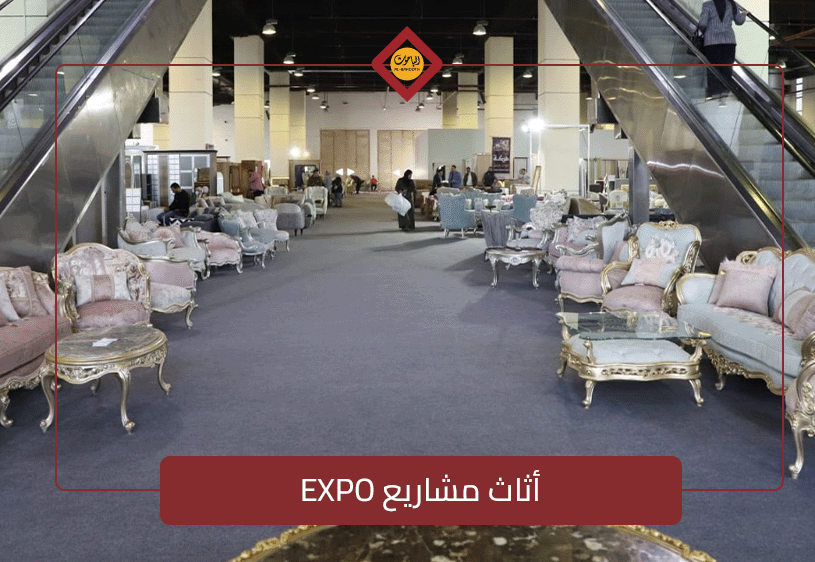
The exhibition world is witnessing rapid evolution, making EXPO projects furniture a central element in shaping visitor experiences and strengthening brand presence. Modular furniture is no longer just for display or seating—it has become a strategic tool for expressing visual identity and organizing both visual and functional flow within spaces. With increasing competition in international events, the design and functional details of furniture have become a decisive factor in attracting attention and leaving a lasting impression.
Whether you are developers, designers, or project managers aiming to create integrated exhibition environments, this guide takes you on a detailed journey into the world of EXPO projects furniture. It highlights its technical and aesthetic characteristics, as well as the key advantages that distinguish it from traditional furniture. We will explore the role of flexibility in modular design solutions and how it contributes to sustainability and innovation, while referencing the expertise of leading companies such as Al-Bahooth Furnishings, which has helped redefine modern design concepts in Saudi and global exhibitions.
What is EXPO Projects Furniture?
EXPO projects furniture refers to modular furnishing systems specifically designed for exhibition pavilions and international events. This type of furniture is characterized by quick assembly and disassembly, offering high flexibility and easy transportation between locations. Its function goes beyond aesthetics to support business communication and enhance visitor experience through designs that encourage interaction and highlight brand identity.
This concept is based on temporary use and structural adaptability to meet diverse exhibition needs and spatial requirements.
History of Modular Furniture
Modular furniture began to emerge in global exhibitions when there was a need to prepare display spaces faster and more flexibly than traditional furniture allowed. The goal was to reduce time and costs while offering practical, customizable solutions suited to each pavilion and exhibition. Since then, it has become an essential part of planning major exhibitions worldwide.
Objectives of EXPO Furniture
- Enhance design flexibility, allowing exhibitors to easily reshape spaces without new installations.
- Facilitate transportation between events due to lightweight and easy assembly.
- Create strong visual and aesthetic engagement that reflects brand identity.
- Improve visitor experience through functional and comfortable space distribution.
- Support operational efficiency by organizing movement and showcasing products effectively.
What Makes EXPO Furniture Different from Traditional Furniture?
EXPO projects furniture stands out for its adaptability to event requirements with exceptional flexibility. It can be rearranged or modified quickly to suit pavilion designs or activity purposes without complex installation processes. While traditional furniture is designed for long-term stability, EXPO furniture focuses on mobility, portability, and repeated reconfiguration.
Functionality and Communication Role
EXPO furniture goes beyond practicality to become a powerful visual communication tool. It not only provides comfort but also plays a vital role in expressing brand identity and values in an engaging way.
For example, a display station can be transformed into a meeting or lounge area within hours, demonstrating flexibility without compromising visual identity.
Temporary Usage Nature
EXPO furniture is designed for temporary use in exhibitions and short-term events. It is lightweight, easy to assemble and dismantle, making it ideal for dynamic environments. In contrast, traditional furniture is better suited for permanent spaces.
Importance of EXPO Furniture in International Exhibitions
Professionally designed EXPO furniture plays a key role in creating engaging environments that encourage interaction and participation, making visitor experiences more dynamic.
- Shared tables and platforms enhance interaction and dialogue.
- Lighting and décor elements create visually appealing atmospheres.
- Color surfaces evoke positive sensory impressions aligned with exhibition identity.
Brand Support
Carefully designed furniture allows brands to communicate their message clearly through elements that align with visual identity, strengthening presence in competitive exhibition environments.
Creating Interactive Environments
The diversity of spaces enabled by EXPO furniture allows for multifunctional environments including presentations, meetings, and interactive activities within the same pavilion.
EXPO Furniture Design Trends 2026
EXPO Projects Furniture design focuses on sustainability as a key innovation factor. Natural and recycled materials such as bamboo, wood, and plant fibers are widely used to reduce environmental impact.
Digital manufacturing technologies improve precision and reduce waste, while energy-efficient lighting and solar solutions support clean energy use. This reflects global awareness of environmentally responsible exhibition design.
Flexibility and Customization
- Modular designs allow easy reshaping for different spaces and purposes.
- Designers can customize colors and materials to reflect each pavilion’s identity.
- Furniture combines aesthetics with functionality, such as tables transforming into display units.
Example: A single table can function as a reception desk in the morning and a smart display platform in the evening.
Integration of Modern Technology
EXPO furniture integrates advanced technologies to create interactive and personalized experiences. Touchscreens and digital signage become part of the furniture itself, while sensors adjust lighting and temperature automatically. Artificial intelligence analyzes visitor behavior to customize content.
This fusion of craftsmanship and technology turns furniture into an active element of the experience rather than just a background.
Al-Bahooth Furnishings Services in EXPO Furniture
Founded in 1976, Al-Bahooth Furnishings provides comprehensive solutions for EXPO projects furniture in Saudi Arabia. The company combines residential, office, hotel, metal, and medical furniture within a custom manufacturing system.
Quality and Craftsmanship
The company relies on high-quality materials and advanced manufacturing processes to ensure durability and aesthetic excellence, making its products suitable for intensive EXPO use.
Customer Service and Consultation
Al-Bahooth offers specialized interior design consultations and furnishing support for commercial and exhibition projects.
- Simplified furnishing process from design to delivery.
- Integration between design and manufacturing.
- Sustainable solutions aligned with modern EXPO standards.
How to Choose the Ideal EXPO Furniture?
Selecting EXPO furniture begins with analyzing event requirements:
- Define the available space and plan movement flow
- Study visitor behavior and interaction patterns
- Consider the duration of the event
- Choose pieces that combine comfort and aesthetics
Comparing Options and Materials
Evaluate suppliers based on variety, material quality, cost, and execution speed. Ensure availability of after-installation services and warranties.
Focus on Sustainability
Using sustainable or recycled materials enhances brand image and aligns with global trends toward eco-friendly exhibitions.
Frequently Asked Questions About EXPO Projects Furniture
Who are the top EXPO furniture providers?
Leading providers include local companies like Al-Bahooth Furnishings and global firms specializing in modular exhibition solutions.
Is EXPO furniture reusable?
Yes, most EXPO furniture is designed for reuse across multiple events, reducing costs and environmental impact.
What are the latest materials used?
Recycled wood, reusable plastics, metals, and natural bamboo are among the most common materials.
Conclusion
EXPO projects furniture is a key factor in achieving excellence in exhibitions. It combines flexibility, sustainability, and innovation to enhance visitor experience and strengthen brand identity in a modern and engaging way. Choosing the right furniture helps create an integrated environment that reflects the project’s vision and maximizes its impact.