Exporting High-Quality Furniture to Europe: Strategies for Success in the European Market
The export of high-quality furniture to Europe is witnessing significant growth in the Saudi market, as local companies compete to offer products that align with the discerning European taste and meet the highest standards of design and sustainability.
Makaseb
February 18, 2026 at 8:54 pm AST
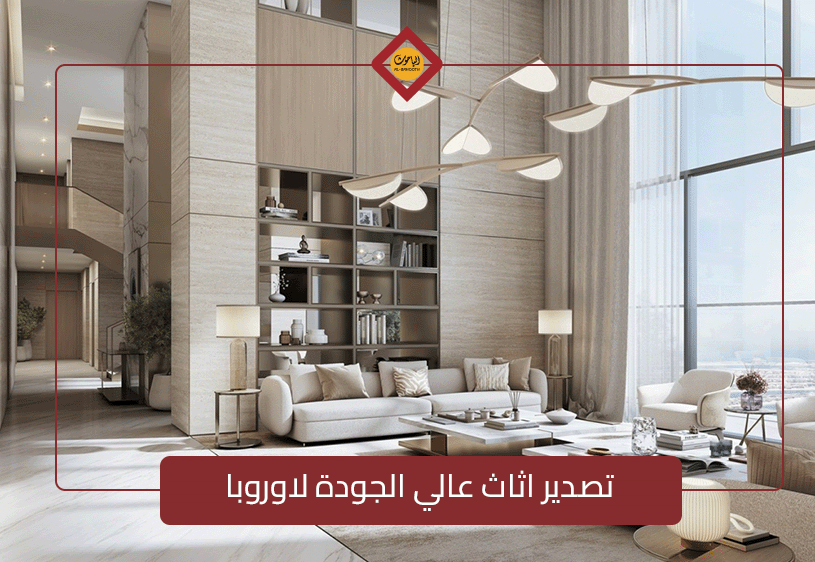
The export of high-quality furniture to Europe is witnessing significant growth in the Saudi market, as local companies compete to offer products that align with the discerning European taste and meet the highest standards of design and sustainability. This sector has evolved from a traditional commercial activity to a competitive arena that showcases Saudi manufacturing capabilities and creativity in the fields of interior design and quality management. With the growing interest in sustainable and well-crafted products in European markets, Saudi exporters now have a real opportunity to demonstrate their excellence and build lasting trust in foreign markets.
However, the path to Europe is not only about manufacturing quality; dealing with complex customs regulations, packaging and shipping requirements, and compliance with EU furniture standards are all elements that determine a company’s success and sustainability.
What is High-Quality Furniture Export to Europe?
High-quality furniture export to Europe involves a precise process that includes designing, producing, packaging, and shipping furniture according to strict European standards. This type of furniture not only focuses on aesthetics but combines durability, environmental responsibility, and compliance with safety and quality regulations in the European Union. This process requires the use of sustainable materials, advanced manufacturing techniques, and guarantees that meet the demands of the highly competitive European markets.
The Concept of High-Quality Furniture
High-quality furniture is the result of skilled craftsmanship, using durable and environmentally friendly raw materials, with attention to the finest details in design and execution. This furniture undergoes stringent tests according to European standards such as EN, NF, and REACH to ensure safe use and product sustainability. It is evaluated based on its resistance, lifespan, and the quality of its final finishes.
European Furniture Specifications
European furniture specifications are characterized by a high level of precision and organization, as regulatory bodies set technical and environmental standards to ensure that the furniture remains safe and sustainable for everyday use. These specifications integrate elements that aim to balance functional beauty with environmental responsibility, including:
- Wood resistance to water and moisture to ensure shape stability and sustainability in various climates.
- The ability of furniture pieces to withstand heavy loads without losing balance or distorting.
- Low emissions of chemicals like formaldehyde to maintain user safety.
- The potential for recycling or reuse as part of Europe’s commitment to a circular economy.
- A valid warranty that extends for several years, reflecting trust in manufacturing quality.
European consumers prefer sustainable furniture that can be customized and designed with energy-efficient technologies, making adherence to these standards a key step in successfully exporting high-quality furniture to Europe.
How to Start Exporting High-Quality Furniture to Europe?
To successfully export high-quality furniture to Europe, it is crucial to follow a series of precise steps that ensure compliance with European standards and competitiveness in the market:
- Study and analyze the target European market to understand current design trends, furniture types required, and competitor prices.
- Evaluate existing products according to European standards and ensure they meet the quality, durability, and safety specifications recognized in the EU countries.
- Develop a detailed logistics plan, including transportation methods, shipping schedules, and distribution routes within Europe.
- Choose a reliable logistics partner with experience in furniture transport and offers packaging and storage services that comply with international shipping standards.
- Prepare the required customs documents and certifications, such as certificates of origin and quality, to facilitate customs clearance upon arrival.
- Develop a marketing plan tailored to the European market, considering the local language, culture, and presentation style that suits customers in each country.
Choosing the Best Logistics Methods
Choosing the appropriate shipping method is a key step in the process of exporting high-quality furniture to Europe. Sea freight is the most economical option when dealing with large shipments, as it provides about 60% of the cost savings compared to air freight, making it suitable for heavy exports like home and hotel furniture. Delivery time ranges from two weeks to six weeks, depending on the European destination. Some may prefer air freight for urgent orders or small quantities, despite its higher cost. Therefore, the final decision depends on the shipment weight and the required delivery schedule.
Preparing for Customs Requirements
To succeed in exporting furniture to Europe, it is necessary to strictly adhere to customs requirements to avoid delays or fines:
- Prepare detailed lists and invoices containing precise data for each piece of furniture, including material, size, and value.
- Collaborate with a certified customs agent to ensure smooth procedures and avoid paperwork errors.
- Comply with packing lists, invoices, and proof of ownership, which are essential documents requested by European customs for import.
- Follow the requirements of the "Fasah" customs platform, which is a necessary condition for exporting goods through Saudi ports.
- Ensure compliance with SASO specifications, if requested, to guarantee that the furniture meets both Saudi and international standards.
How to Comply with European Furniture Standards
To have furniture accepted in European markets, strict adherence to quality standards that ensure durability, safety, and longevity is required. These requirements include:
- Applying EN 622-5 standards to ensure the quality of MDF boards in terms of density and internal cohesion.
- Complying with EN 310 and EN 317 standards for measuring mechanical strength, swelling resistance, and emissions in wooden materials.
- Conducting durability tests according to EN 1728 to verify the furniture's ability to withstand long-term use.
- Utilizing the NF Ameublement standard for annual inspections to ensure consistent quality over time.
- Adopting EN 12521 standards for specific tests on pressure resistance and stability during loading.
Strictly applying these standards gives European buyers confidence in the reliability of the products and makes them eligible to comply with market regulations.
Environmental and Chemical Standards
Europe places a significant emphasis on sustainability and consumer protection, so manufacturers must comply with the following environmental requirements:
- Maintaining low formaldehyde levels in accordance with EN 120, Class E1 or lower, to reduce harmful emissions.
- Using sustainably sourced wood certified by FSC or PEFC to ensure environmental responsibility throughout the supply chain.
- Obtaining the EU Ecolabel as proof of compliance with European sustainability standards.
- Avoiding materials banned under the REACH regulation, which controls hazardous chemicals.
- Designing furniture in a way that makes it easy to repair and disassemble to extend its service life and reduce waste.
Structural Design Requirements
Furniture must have a strong structure and comply with Eurocode 5 EN 1995-1-1, which ensures high resistance to moisture and heat, as well as passing fire resistance tests under EN 1021 and leather quality standards under EN 13336 when using leather materials. Offering an actual warranty of at least five years is also recommended to enhance consumer confidence.
Key Certifications
Obtaining recognized certifications in Europe reflects the company’s commitment to laws and specifications. Some of these essential certifications include:
- EU Ecolabel: Awarded to sustainable, green furniture that meets environmental efficiency standards.
- NF Ameublement: A French certificate proving that the product meets the required manufacturing and durability standards.
- EU Compliance Report: An EU-compliant report documenting test results and confirming that the product meets technical standards.
- SASO Certification: Required in some local markets to demonstrate the safety and quality of the product.
- CITES and FLEGT Certification: Necessary when using imported wood to ensure its environmental and legal legitimacy.
This harmony between quality, environmental responsibility, and structural design is key to ensuring the success of exporting high-quality furniture to Europe.
What Are the Shipping and Packaging Requirements for High-Quality Furniture to Europe?
The process of exporting high-quality furniture to Europe involves various shipping methods depending on the shipment size and destination.
- Full Container Load (FCL) Shipping: This option is used for large shipments, where a full container is dedicated to transporting the furniture to ensure complete protection and avoid mixing with other goods.
- Less-than-Container Load (LCL) Shipping: Suitable for small or limited shipments, where the container is shared with other customers to reduce costs without compromising shipping quality.
These shipments typically depart from Jeddah Islamic and King Abdulaziz ports, which provide advanced infrastructure and maritime connections linking Saudi Arabia to major European ports.
Best Packaging Methods
Professional packaging is a crucial step in maintaining furniture quality during the long shipping journey. Thick cardboard boxes are used to wrap large wooden pieces, providing protection against scratches or dents. Shock-resistant materials such as bubble wrap are used to secure sensitive corners and edges. Glass items and luxury fittings are wrapped in special supporting materials to prevent breakage or cracking. A detailed list of dimensions and weights for each item is prepared to facilitate handling, customs clearance, and accurate transportation.
Insurance Services for Shipments
Insurance services are an essential element in shipping high-end furniture, as they reduce potential risks like damage or loss during transport. It is recommended to have insurance coverage for all stages of the journey, from receiving the furniture at the factory to its final delivery in Europe, ensuring full protection of the investment.
Role of Digital Customs Platforms
Digital platforms like "Fasah" have become an integral part of the high-quality furniture export system, enabling the entry of shipment data electronically 48 hours before arrival. This step accelerates the customs clearance process, reduces paperwork errors, and helps save time and operational costs.
What Are the Economic Factors for the Sustainability of High-Quality Furniture Exports to Europe?
Exporting high-quality furniture to Europe faces continuous challenges due to the global container shortage crisis, which still affects the shipping sector, especially on routes coming from Asia. With the crisis expected to continue until 2025, it is crucial to adopt flexible strategies that ensure the continued flow of exports without delays or significant cost increases.
The Role of Selecting European Ports
Choosing the right ports in Europe is an economic factor that affects the sustainability of furniture exports. Ports in southern and eastern Europe, such as Bulgaria and Greece, offer faster and less congested entry compared to western ports, directly impacting delivery times and shipping costs.
Changes in Logistic Costs
The total cost of exporting high-quality furniture depends on a combination of factors, including:
- Shipment Size: Larger shipments enjoy economic advantages in unit price.
- Container Type: The basic tariff varies between standard containers and those designed for luxury or large furniture.
- Customs Duties: European customs fees vary by country and product type, forming a fixed part of the final cost.
- Storage Costs: Costs in ports or warehouses are significant, especially during long waiting times or delays in internal distribution.
- European Domestic Transport Costs: These may vary depending on distance and infrastructure.
It is recommended to regularly review shipping contracts and prices from specialized companies to ensure maximum efficiency in managing logistics costs.
How to Compete and Achieve Excellence in Exporting High-Quality Furniture to Europe?
The first pillar of excellence in exporting high-quality furniture to Europe begins with local manufacturing. Relying on national production allows for precise monitoring of every stage of production, ensuring the furniture meets strict European standards. It also allows for quick adaptation of materials and designs based on European market feedback, improving responsiveness to demand and maintaining the brand's reputation.
Providing Innovative Services
Supporting services make a real difference in the European customer experience. Implementing models like door-to-door service and real-time shipment tracking enhances trust and transparency. Developing a comprehensive pre-and post-sale support system increases customer satisfaction and contributes to building long-term loyalty for Saudi products in international markets.
Supporting Customization and Interior Design
Meeting European customer preferences requires high flexibility in design and production. Offering customization options in terms of dimensions, materials, and colors gives Saudi furniture additional appeal. Additionally, integrated interior design services tailored to European tastes can make the product more aligned with the needs of end buyers.
Technology and Digital Platforms
The shift towards digital platforms in managing export operations shortens timelines and increases efficiency. Electronic communication systems facilitate direct contact with European partners and reduce delays in customs clearance and administrative procedures, ensuring smooth and stable shipment flow.
Building Global Partnerships
Expanding presence in the European market requires building strategic partnerships with local distributors and designers. Collaborating with these partners provides deeper insights into consumer tastes and enhances confidence in Saudi products.
Services of Al-Bahouth Furniture in Exporting High-Quality Furniture to Europe
Founded in 1976, Al-Bahouth Furniture has established itself as a leading source of high-quality furniture exports to Europe due to its unwavering commitment to the highest standards of craftsmanship and precision. The company relies on carefully selected sustainable materials to ensure long-lasting durability and aesthetic appeal. Its production includes office, home, metal, medical, and hotel furniture, meeting modern European specifications that balance tradition with innovation.
Custom Manufacturing Services
Al-Bahouth Furniture offers custom manufacturing services to meet the needs of clients seeking unique designs that reflect their personal tastes. Clients can choose materials, colors, and dimensions to match the character of the space and project. The company accompanies clients throughout every step of customization to design pieces that blend elegance and functionality, embodying the spirit of Saudi creativity in European markets.
Simplicity and Streamlined Operations
Al-Bahouth Furniture focuses on simplifying the furnishing experience by offering a comprehensive process from planning to execution. The design, manufacturing, and management teams work at a single point of contact to reduce effort and speed up completion. This methodology ensures precise project execution, guaranteeing consistency between the design vision and the final result without logistical or coordination complications.
Transforming Spaces and Enhancing Quality of Life
The company’s mission goes beyond manufacturing furniture; it extends to transforming spaces into functional and aesthetic environments that enhance quality of life. Through its experience in exporting furniture to Europe, Al-Bahouth Furniture has developed a deep understanding of contemporary design details that balance beauty with comfort. Each piece of furniture is designed to be part of a living experience that is comfortable, sustainable, and able to withstand the test of time and changing tastes.
Interior Design Services and Comprehensive Partnership
Al-Bahouth Furniture believes in full partnership with the client, offering interior design services as part of an integrated furniture solution. The team collaborates with designers and developers to create cohesive design solutions that support the project's identity and enhance its value. This partnership is reflected in every detail, from material selection to the finest finishing elements, ensuring the highest quality and taste for both residential and commercial projects.
Steps to Develop Products to Meet European Standards
- Evaluation and Quality Testing: The journey of developing furniture for export to Europe begins with a precise evaluation and quality testing phase in accredited laboratories such as FCBA in France or UL in Italy. Products are tested to ensure they meet the required formaldehyde levels, durability, and water resistance.
- Raw Material Selection: Improving raw material selection is a key focus for European compliance, with a preference for FSC or PEFC-certified wood to ensure environmental sustainability.
Training and Partnerships
It is recommended to train production teams in certified institutes or collaborate with European partners to develop knowledge of the latest design and manufacturing techniques, improving organizational efficiency. Cooperation with specialized suppliers guarantees material quality and supply chain stability, further enhancing the product’s position in the high-quality furniture export market to Europe.
Frequently Asked Questions about Exporting High-Quality Furniture to Europe:
- Does Al-Bahouth Furniture Comply with European Quality Standards?
Yes, Al-Bahouth Furniture adheres to European quality standards in all stages of production. The company uses sustainable, environmentally friendly materials and conducts compliance tests in certified laboratories to ensure it obtains the necessary certifications before export to European markets. - Do Services Include Packaging and Shipment Insurance?
Yes, services include professional packaging using materials resistant to impacts and moisture, along with full insurance coverage for shipments throughout the transport stages to ensure the safety of the furniture until it reaches its final destination. - What Type of Shipping is Used for Furniture to Europe?
Sea freight is the primary mode of transport for exporting furniture to Europe, using FCL and LCL containers, which help reduce costs while maintaining shipment quality through precise customs procedures and well-organized packing within the containers.
Conclusion
Exporting high-quality furniture to Europe represents the meeting point of meticulous craftsmanship and strict European standards in quality, the environment, and design. Success in this field relies on companies’ ability to fully comply with these standards, alongside implementing comprehensive packaging and shipping plans to ensure product safety and timely delivery, while adhering to the customs and technical requirements that distinguish the European market.

