Fire-resistant furniture | High Protection and Unmatched Quality for Sensitive Areas
Fire-resistant furniture has become essential in modern environments where safety and design must coexist harmoniously.
Makaseb
December 16, 2025 at 5:50 pm AST
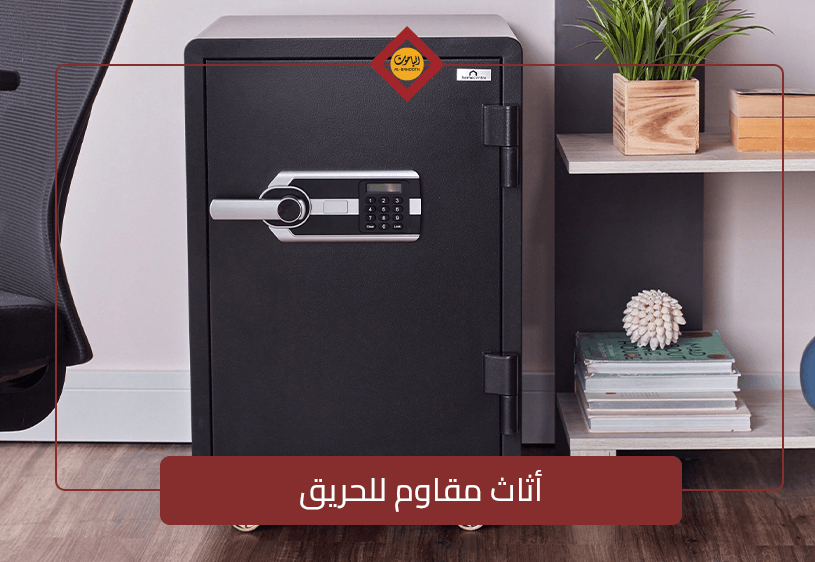
Fire-resistant furniture has become essential in modern environments where safety and design must coexist harmoniously. Homes, offices, hotels, and public spaces increasingly rely on this type of furniture to reduce fire-related risks and ensure the protection of people and property. As awareness of fire safety grows, the demand for durable, certified, and aesthetically pleasing fire-resistant furniture continues to rise.
What is Fire-resistant Furniture?
Fire-resistant furniture includes seating, tables, cabinets, and mattresses designed to resist flames and heat for extended periods. These items are built to slow the spread of fire, giving people more time to react and limiting property damage. Each piece is engineered through precise material selection and structural techniques that comply with strict safety regulations.
By integrating innovative compounds and advanced design methods, fire-resistant furniture ensures higher levels of protection in both residential and commercial spaces. It not only enhances occupant safety but also meets international fire safety standards that govern the performance of furnishings in emergency conditions.
How does fire-resistance work?
The core principle of fire resistance lies in the use of materials that delay ignition and slow heat transfer. These materials are designed to limit the spread of flames, reduce smoke and toxic gas emissions, and maintain their shape and strength longer when exposed to extreme heat.
Engineers achieve this effect by controlling how oxygen interacts within the furniture’s structure. Special chemical coatings, sealed voids, and multilayered barriers minimize oxygen access, slowing the combustion process. Surfaces are also treated with flame-retardant agents that chemically react to high temperatures, forming protective layers that insulate the core materials from heat and flames.
What materials are used?
- Fire-rated plywood treated with chemical retardants: This material undergoes deep chemical treatment that allows wood fibers to resist ignition and slow down burning rates.
- MDF with embedded fire-resistant additives: Modified during manufacturing, this medium-density fiberboard is infused with flame-retardant compounds that enhance its thermal stability.
- Polyester and synthetic fabrics treated during fiber formation: These textiles incorporate retardant chemicals at the molecular level, ensuring durability and consistent protection over time.
- Vermiculite panels with high heat tolerance: Known for their exceptional insulation qualities, these panels maintain integrity under intense heat conditions.
- Advanced laminates: Multi-layer structures designed to resist both surface ignition and internal heat penetration, often used for tabletops or cabinetry.
Each of these materials must be labeled and certified to meet global safety standards such as NFPA 2112, ASTM F1506, and EN 13501-1, ensuring compliance with stringent fire-resistance requirements.
What are the Core Benefits?
Fire-resistant furniture plays a crucial role in improving overall safety by slowing down the spread of flames and heat. This resistance provides valuable extra minutes for occupants to evacuate safely and gives first responders more time to act effectively. For example, in commercial spaces where evacuation can take longer, such materials can make the difference between a controlled incident and a devastating loss. Additionally, fire-resistant designs reduce the release of smoke and toxic gases, helping maintain safer indoor air quality during emergencies.
Does it offer economic advantages?
From an economic standpoint, investing in fire-resistant furniture significantly reduces the risk of costly property damage and severe injuries. By limiting the extent of fire-related destruction, businesses and homeowners alike can save on repair expenses and avoid large-scale replacements. Data from industry reports indicate that adopting fire-resistant materials has led to a measurable decrease in insurance claims, allowing organizations to negotiate better coverage rates over time.
What about long-term value?
While the upfront investment in fire-resistant furniture may seem higher, the long-term value is evident. These pieces last longer, require fewer repairs, and maintain their structural integrity even after exposure to challenging conditions. Over the years, the cumulative savings from minimized damage and reduced replacement needs outweigh the initial expenditure.
How does it support insurance needs?
Enhanced safety standards provided by fire-resistant furniture can directly impact insurance policies. Many insurers recognize the lower risk these materials represent and offer reduced premiums or special coverage incentives. As case studies show, such proactive measures not only protect assets but also help achieve financial benefits through improved insurance terms.
How is Fire-resistant Furniture Made?
Fire-resistant furniture is manufactured through a detailed process that integrates safety materials and smart design. The foundation lies in embedding fire-retardant additives directly into the base materials, including synthetic fibers and engineered wood, ensuring deep and lasting protection rather than surface coating alone.
Quality control is an essential step, guaranteeing that these additives are evenly distributed throughout every component to achieve consistent fire resistance across the entire product line. Additionally, the furniture’s physical structure is carefully engineered to minimize fire exposure.
- Seams and internal voids are designed to restrict airflow and delay flame propagation.
- Each component—fabric, foam, wood, and adhesives—is selected and treated to meet strict safety benchmarks for residential and commercial use.
- Structural integrity is tested to ensure the furniture remains stable even under high temperatures.
Which testing standards apply?
Fire-resistant furniture must comply with recognized safety and performance standards globally, ensuring consumer and institutional trust.
- NFPA 2112: Defines protection requirements against flash fires for materials and finished products.
- ASTM F1506: Focuses on flame resistance and heat durability for textile-based furnishings.
- EN 13501-1 (B2/B1 classification): Establishes European grading for reaction to fire and smoke release.
- Country-specific codes: Address regional safety, insurance, and public-space compliance.
All products undergo lab testing to evaluate ignition resistance, smoke production, flame spread, and structural performance under sustained heat. These tests confirm that each item meets both legal and insurance standards before entering the market.
How do additives improve safety?
Additives are the silent guardians behind the effectiveness of fire-resistant furniture. When non-organic and eco-friendly flame retardant compounds—like vermiculite and advanced chemical blends—are embedded in materials, they fundamentally alter how the furniture reacts to heat.
These agents slow down the combustion process, reduce the release of toxic smoke, and help the materials maintain their structural form for longer durations. Through advanced formulation, manufacturers achieve a balance between safety and sustainability, producing furniture that not only resists fire but also contributes to a healthier indoor environment.
How Does It Impact Interior Design?
Modern fire-resistant furniture achieves a seamless blend between visual sophistication and strict safety requirements. With the wide range of available colors, finishes, and textures, designers can integrate these pieces into diverse themes—from minimalist to classic—without compromising protection standards. Upholstered chairs and sofas made from treated fabrics, or tables crafted from specialized fire-rated wood, allow creative flexibility while adhering to fire codes. For example, a contemporary hotel lobby can feature elegant flame-retardant seating covered in luxurious textile that complements the interior palette, ensuring both comfort and compliance.
What spatial planning is recommended?
Thoughtful spatial planning maximizes the functional and safety benefits of fire-resistant furniture. Positioning and arrangements should enhance daily usability while supporting quick response in emergencies.
- Furniture should be placed away from heat sources and high-risk zones such as kitchens or electrical panels.
- Pathways and exits must remain unobstructed to facilitate safe and rapid evacuation if needed.
- Seating or storage units near exits can assist in efficient spatial flow without blocking access.
Such planning increases daily convenience while ensuring the layout contributes actively to fire safety strategy.
What are its sustainability advantages?
Beyond safety, fire-resistant furniture contributes to sustainable interior design. Manufacturers often use eco-friendly compounds and responsibly sourced woods, reducing environmental impact and promoting responsible material cycles. The production methods focus on lowering emissions and extending product lifespan, minimizing waste and replacement needs. Recent industry data shows a growing preference for certified fire-safe materials that meet green building standards—demonstrating how safety and sustainability can progress together.
Where is it most effective?
Fire-resistant furniture proves most valuable in environments where fire risk management is crucial, such as bedrooms, hospitals, schools, entertainment venues, and offices. In these settings, it not only safeguards occupants but also enhances visual harmony, giving clients confidence in both the design’s elegance and its protective reliability.
How Does It Compare to Standard Furniture?
- Fire-resistant furniture often comes with a higher initial cost, mainly due to the use of specialized materials and the expense of meeting certification requirements. Despite this, it provides superior protection and produces significantly less smoke during a fire, resulting in long-term savings and enhanced safety.
- Standard furniture, by contrast, ignites and burns much faster, releasing larger quantities of toxic gases. This not only accelerates fire spread but also leads to greater property loss and a higher risk to occupants’ safety.
- Certified fire-resistant furniture includes clear labeling that confirms it meets established safety standards. Such documentation provides assurance of tested performance, whereas standard furniture typically lacks any formal fire-resistance certification or labeling.
- Durability is notably higher in certified fire-resistant products, which undergo rigorous testing to ensure structural integrity under exposure to intense heat or flames. Ordinary furniture does not undergo such testing and may quickly lose stability in similar conditions.
- Using certified fire-resistant furniture can also lower insurance premiums and limit legal liabilities, especially in commercial buildings or residential complexes. Its proven safety features can reduce potential fire-related claims and ensure compliance with safety regulations.
What Challenges Exist in Adoption?
Customizing fire-resistant furniture presents notable challenges, as the process requires specialized technical skills and collaboration across multiple stages. Crafting each piece involves sourcing certified fire-safe materials and ensuring they meet aesthetic and functional goals simultaneously. This often demands extended design consultations and close coordination between designers and engineers to balance safety standards with creative vision. As a result, project timelines can become longer and more complex, particularly for large-scale or bespoke installations.
Are there regulatory hurdles?
Yes, regulatory variation is one of the main barriers to adopting fire-resistant furniture across different markets. Each region enforces its own set of fire safety requirements and certification standards, meaning compliance in one country may not automatically apply elsewhere. For instance, a hotel chain operating in Saudi Arabia, Europe, and the United States would need to meet distinct regulatory benchmarks in each jurisdiction. This diversity increases administrative complexity and requires careful documentation, testing, and certification coordination for every site.
What are cost considerations?
The initial cost of fire-resistant furniture tends to be higher than that of conventional furnishings. The premium arises from advanced materials, rigorous testing, and adherence to safety certifications. However, this upfront investment often pays off over time through reduced fire-related risks, potential insurance savings, and easier compliance with building codes. To manage costs effectively, clients should partner with experienced suppliers—such as locally established manufacturers with decades of expertise like Al-Bahouth Furniture —who possess the capacity to deliver furniture that satisfies both technical and design expectations efficiently.
What Services are Offered by Specialized Providers?
Specialized providers such as Al-Bahouth Furniture deliver comprehensive custom manufacturing solutions for fire-resistant furniture. Their process begins with sourcing high-quality materials that are certified for fire resistance, ensuring compliance with both local and international safety standards. These materials are then developed into tailor-made designs suitable for commercial spaces or residential environments, depending on each client’s specific use case and regulatory requirements.
Clients can choose from a combination of imported and locally produced fire-resistant furniture, designed to align perfectly with their vision. Every piece can be customized in dimensions, finish, and upholstery, allowing the final product to match both the functional demands and the aesthetic theme of the project. This personalized production approach ensures a balance between stringent fire safety measures and design sophistication.
What design consultation is available?
Expert design consultation services guide clients through every aesthetic and technical decision. Specialists help integrate fire safety elements into the furniture design while enhancing visual harmony, layout efficiency, and overall spatial planning. The result is a safer environment that retains elegance and ergonomic flow without compromising on comfort or style.
Are project management solutions provided?
Yes, comprehensive project management services cover every phase—from site visits and space measurements to production supervision, logistics coordination, and on-site setup. This end-to-end oversight streamlines the entire process, ensuring timely delivery, quality consistency, and a smooth experience for clients from concept to installation.
Frequently Asked Questions about Fire-resistant Furniture
How do I know if furniture is fire-resistant?
You can identify fire-resistant furniture by checking for official labels that indicate compliance with safety standards. These labels are usually placed under the cushions, along the edges, or beneath the item itself—particularly for mattresses and bed bases. Such markings confirm that the furniture meets the testing requirements for flame resistance.
Is IKEA furniture fire proof?
IKEA furniture is not completely fireproof, but it is designed with materials and construction methods that enhance flame resistance. The company favors flame-retardant fabrics and designs that reduce the need for chemical additives. However, in certain regions, local regulations require additional chemical treatments to achieve the mandated level of fire safety.
What material is 100% fire proof?
There are no materials that are entirely fireproof. Still, some fibers provide natural flame resistance due to their structure. For example, wool chars rather than ignites easily, offering higher protection than materials like cotton, which burns more readily. Furniture that uses tightly woven fabrics or specialized blends tends to resist flame spread more effectively.
Conclusion
Fire-resistant furniture stands as a meaningful investment in safety and resilience, protecting both people and property in homes and commercial spaces alike. Thanks to modern innovation in materials and certified safety standards, this type of furniture has become more accessible, practical, and reliable for everyday use.