Furniture stores
Furniture stores offer a wide range of designs to suit all tastes and spaces, whether you are looking for classic or contemporary pieces.
Makaseb
February 26, 2025 at 5:30 pm AST
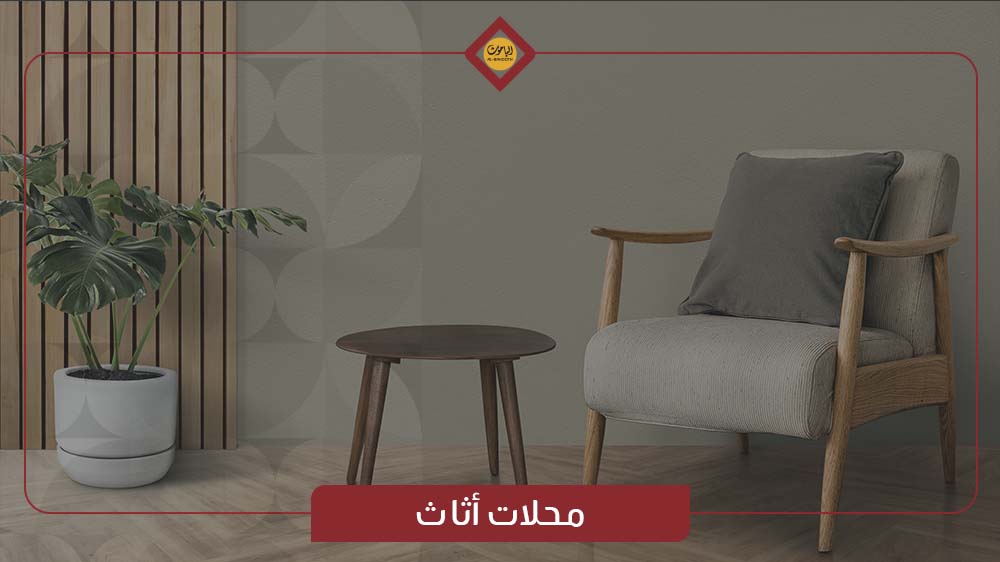
Furniture stores offer a wide range of designs to suit all tastes and spaces, whether you are looking for classic or contemporary pieces. When selecting the right furniture store, several factors must be considered: material quality, variety of options, and pricing. Stores also vary in their service levels—such as delivery and assembly options—which directly impacts your shopping experience. Therefore, thorough research is essential before making a decision to ensure you acquire durable, stylish furniture tailored to your needs.
How to Choose the Best Furniture Stores?
To select the best furniture store, follow these essential steps:
- Identify Your Requirements: Define the type of furniture you need based on your home's available space and the functionality of each piece. Choose a style that matches your aesthetic—be it classic, contemporary, or minimalist modern. Select colors and materials that complement your interior décor, helping you narrow down your search to stores that align with your taste.
- Review Customer Feedback: Check store ratings on social media and specialized furniture platforms. Inspect customer reviews regarding product quality, customer service, and return/exchange policies. Ask friends and family about their experiences if they have previously purchased from the store.
- Examine Materials and Craftsmanship: Inspect the materials used—such as wood types, fabrics, and hardware—to ensure durability. Pay close attention to finishing details like paint quality, upholstery, and fine accents, as they reflect manufacturing precision.
- Inquire About Quality Standards: Ask about the quality standards the store adheres to, and whether the products are resistant to wear and daily use. High-quality furniture should blend superior durability with practical design to ensure long-term comfort.
- Compare Prices and Offers: Visit multiple furniture stores and compare prices for similar items to determine fair market value. Check for special promotions or discounts that could help you secure higher quality for a lower price. Ensure the quoted price includes delivery and installation, as these extra costs can impact your overall budget.
- Verify Warranties and Policies: Ensure the store provides a warranty covering manufacturing defects or structural issues. Read the return and exchange terms carefully to understand your rights if the product fails to meet your expectations. Reputable stores offer flexible policies to ensure customer satisfaction and a secure purchasing process.
Still undecided on which furniture store to choose? At Bahooth, we offer custom furniture manufacturing services, allowing you to design the perfect long-lasting pieces for your home. Get yours today!
What to Avoid When Choosing Furniture Stores?
When choosing a furniture store, it is crucial to avoid the following common pitfalls:
- Falling for Unreasonably Low Prices: While low prices can be tempting, they often indicate inferior materials or poor craftsmanship. Cheap furniture rarely lasts, forcing you into early replacements. Aim for a balance between price and quality to secure long-lasting pieces.
- Ignoring Customer Reviews: Overlooking past customer feedback may lead you to a store with a poor reputation. Some retailers use flashy marketing strategies without delivering actual quality. Reading reviews helps you gauge product standards and customer service beforehand.
- Neglecting Material Inspection: Buying furniture without verifying the quality of the wood, fabric, and finish often leads to disappointment. Certain pieces may look appealing in photos but are constructed from weak materials that cannot withstand daily use. Always inspect craftsmanship up close and inquire about the materials used.
- Overlooking Warranty and Return Policies: Some stores do not provide product warranties, leaving you responsible for any defects that arise post-purchase. Ignoring return policies can leave you stuck with an unsuitable piece. Always confirm that the store offers a reasonable warranty and flexible return options to protect your purchase.
- Skipping Accurate Measurements: Buying oversized or undersized furniture without precise measuring creates layout and spatial issues. You may find yourself forced to rearrange the room or dispose of the piece prematurely. Always take accurate room measurements and compare them with the furniture dimensions before finalizing your purchase.
What Types of Furniture Can You Buy From Stores?
When shopping at furniture stores, you will typically find the following core categories:
- Bedroom Furniture: Includes beds of various sizes, wardrobes, nightstands, and dressers with mirrors. Available in diverse styles—classic, contemporary, and modern—with options to purchase complete bedroom sets or individual pieces.
- Living Room Furniture: Comprises sofas, accent chairs, side tables, and media units. Available in various fabrics, premium leather, and fine woods to enhance your space's aesthetic, offered as coordinated sets or modular individual items.
- Dining Room Furniture: Includes dining tables, matching chairs, and optional buffets or sideboards for storage. Available in various shapes and sizes using materials like solid wood, tempered glass, and metal to fit any layout.
- Home and Executive Office Furniture: Includes desks, ergonomic chairs, filing cabinets, and storage shelving. Designed to create a comfortable work environment, with multi-functional options like foldable desks and adjustable seating.
- Outdoor and Balcony Furniture: Encompasses patio tables, outdoor seating, synthetic rattan sofas, and sun umbrellas. Built from weather-resistant materials like aluminum and treated wood to elevate outdoor living spaces.
- Nursery and Children’s Furniture: Features kid-sized beds, wardrobes, study desks, and chairs. Built with safe, child-friendly materials, often featuring adjustable designs that adapt to your child's growth stages.
- Multi-Purpose Furniture: Includes sofa beds, extendable dining tables, and smart storage units. Ideal for compact spaces, maximizing utility without requiring multiple separate items—making it both space-saving and cost-effective.
What Is the Difference Between Ready-Made and Custom-Made Furniture?
Understanding the key distinctions between off-the-shelf and custom-made options is essential before making a purchase:
- Design and Personalization: Ready-made furniture comes in fixed dimensions and designs, making it a quick, practical solution. While color and material options may be limited, it caters well to standard requirements. Custom-made furniture gives you full creative freedom over every detail—from dimensions and colors to raw materials—resulting in a unique piece tailored perfectly to your space and preferences.
- Production Time and Availability: Ready-made furniture is available immediately for in-store pickup or quick delivery, making it ideal if you need solutions right away. Custom-made furniture requires a production period ranging from days to weeks, depending on design complexity. While it requires advance planning, the wait yields a custom piece built to your exact specifications.
- Quality and Craftsmanship: Ready-made furniture is mass-produced using standardized materials to keep production fast and costs low, though some retailers offer high-grade mass-market options. Custom-made furniture allows you to hand-select premium materials—such as solid hardwoods, high-grade upholstery, or reinforced metals—ensuring superior durability and refined craftsmanship.
- Cost and Investment: Ready-made furniture is generally more budget-friendly due to mass production economies of scale, making it ideal for cost-conscious buyers. Custom-made furniture carries a higher upfront cost due to tailored labor and premium materials; however, its superior build quality makes it a worthwhile, long-term investment.
Equipped with these essential criteria and common pitfalls to avoid, you can make an informed decision to secure high-quality, beautifully coordinated furniture. Whether you choose ready-made pieces for convenience or custom-built items tailored to your taste, prioritizing craftsmanship and materials ensures an investment that lasts for years to come.