How to Choose Royal furniture to Add Luxury to Your Home
The world of Royal furniture carries a timeless fascination—pieces that tell stories of power, artistry, and elegance that have transcended centuries.
Makaseb
December 31, 2025 at 1:25 pm AST
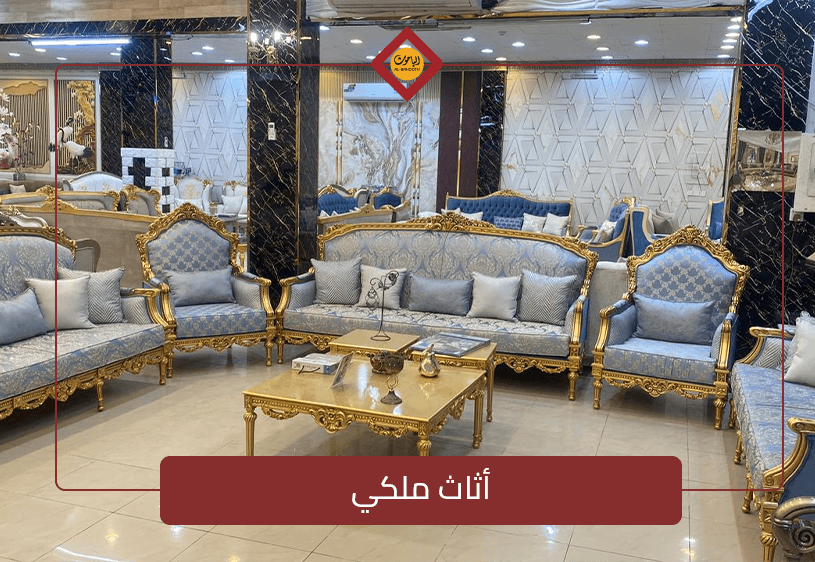
The world of Royal furniture carries a timeless fascination—pieces that tell stories of power, artistry, and elegance that have transcended centuries. These creations are far more than utilitarian; they stand as emblems of status and taste, crafted with meticulous detail that reflects the height of human creativity and cultural refinement. From the gilded thrones of European monarchs to the intricately carved palaces of the East, royal furniture has always embodied the essence of prestige and aesthetic mastery.
What is Royal furniture?
Royal furniture refers to a class of high-end furnishings created for royalty, nobility, and those who aspire to reflect the splendor of royal life in their spaces. These pieces stand apart through their historic significance, luxurious materials, and the extraordinary attention to detail in their design and construction. Every element in such furniture echoes a heritage of grandeur and an appreciation for artistry that transcends time.
At Al-Bahouth Furnishings, royal furniture is reimagined for the modern era, merging classical refinement with contemporary needs. The company blends imported and locally produced pieces to deliver designs that fulfill each client’s unique vision. This approach ensures a balance between timeless royal aesthetics and functionality suited for today’s interiors, maintaining the prestige and allure that define royal-inspired décor.
What are the main characteristics?
- Rare woods: Selected for their richness and durability, such as mahogany or walnut, used to craft enduring and elegant frames.
- Gilded metals: Gold or silver finishes add opulence and highlight the furniture’s royal heritage.
- Hand-carved details: Skilled artisans shape patterns, motifs, and crests that represent luxury and exclusivity.
- Intricate marquetry: Inlays of precious woods or materials form complex geometric or floral designs.
- Custom upholstery: Fine fabrics, often embroidered or patterned, are tailored to complement the overall aesthetic.
- Prestige and authority: Each piece carries a symbolic presence that conveys power, refinement, and distinguished taste.
How did royal furniture develop?
Royal furniture has its lineage deep in the ancient civilizations where power and divinity were displayed through form and material. In Ancient Egypt, furniture crafted for kings and queens was more than functional — it was symbolic. Thrones were elevated platforms representing divine authority, and each element reflected spiritual meaning or political dominance.
- Pharaohs’ thrones often incorporated figures of subdued enemies, embodying eternal victory and control.
- Legs of chairs and tables were shaped like lion or bull feet, emphasizing strength and stability.
- In Imperial Rome, royal furniture evolved into bronze and silver creations such as curule seats — folding chairs reserved for magistrates and emperors, symbolizing political privilege.
- By the Medieval period, thrones and ceremonial pieces became grander, used primarily in coronations or religious rituals, with rich carvings and heraldic motifs that asserted divine kingship.
How did styles change in Europe?
As Europe advanced, royal furniture reflected new artistic and cultural dialogues. During the Renaissance, Italian masters brought a revival of classical ideals, emphasizing symmetry, proportion, and narrative decoration. Artisans experimented with perspective carvings, gilding, and the use of exotic woods. Asian influences, particularly Chinese lacquer and intricate marquetry, found their way into court interiors, enriching royal furniture with new materials and techniques.
Examples can be seen in:
- Italian cassoni (ornate marriage chests) with mythological scenes.
- The adoption of Chinese lacquer panels in European cabinets during the 17th century.
- The blending of Gothic structure with Renaissance ornament, creating transitional pieces that bridged spirituality and humanism.
How did French royal design influence the world?
French royal craftsmanship redefined the concept of luxury and has left an imprint on how royal furniture is perceived worldwide. Each reign cultivated a distinct aesthetic that mirrored the monarch’s image and political climate.
- Henry II period: Known for massive buffets and heavy ornamentation celebrating dynastic pride.
- Louis XIII: Blended domestic French rigor with foreign motifs, reflected in grand carved tables and bold proportions.
- Louis XIV: The Versailles era showcased geometric order, majestic symmetry, and golden opulence; straight lines and richly sculpted armchairs became symbols of absolute power.
- Louis XV: Introduced Rococo grace with fluid curves and intimate scale, where asymmetry conveyed refinement and sensuality.
- Louis XVI: Returned to neoclassical precision — straight legs, fine marquetry, and harmonious color tones reflecting intellectual elegance.
French royal design became the universal reference point for aristocratic taste, influencing courts across Europe and beyond, from St. Petersburg to Versailles-inspired palaces in Asia and the Middle East.
What are the modern trends?
Today, royal furniture has evolved into a dialogue between heritage and innovation. Modern designers reinterpret the grandeur of the past through bespoke creations that balance majestic craftsmanship with contemporary simplicity. Brands such as Al-Bahouth Furniture embody this fusion — combining the splendor of historic motifs with sleek forms, lighter palettes, and handcrafted excellence that echo the timeless essence of royal furniture.
Why is royal furniture symbolic?
Royal furniture has long served as a mirror of civilization, embodying the values, beliefs, and artistry of the ruling elite. Across empires, its design carried distinct characteristics tied to local identity and historical narrative.
- In ancient Egypt, royal furniture symbolized immortality and divine continuity, with motifs representing the eternal power of the pharaohs.
- In Phoenicia and India, artisans used local woods, metals, and fabrics to blend functionality with regional aesthetics, making each piece a reflection of its environment.
- French and Italian royal furniture styles evolved into symbols of refinement and sophistication, where ornate design and balanced proportions reflected the monarchy’s cultural supremacy.
These creations went beyond comfort; they projected the collective pride and cultural DNA of entire nations through material, form, and symbolism.
How does luxury showcase authority?
Luxury in royal furniture was never a matter of personal indulgence alone—it was an instrument of control and prestige. The scale, materials, and ornamentation of royal interiors established a psychological distance between ruler and subject. Gilded thrones, towering beds, and chambers adorned with marble and gold evoked a sense of divine power that commanded awe and obedience.
How does craftsmanship signal social rank?
Craftsmanship was a visible measure of social hierarchy. The refinement of royal furniture revealed both the wealth of its patrons and the mastery of the artisans who executed their vision. Intricate techniques and rare materials drew a clear line between royalty and commoners.
- Detailed marquetry work signified luxury and patience, qualities reserved for noble commissions.
- Sumptuous upholstery in embroidered silk or velvet elevated even functional items into statements of status.
- The use of fine leathers, intricate engraving, and hand-applied finishing underscored the exclusivity of royal ownership.
Each design element served to reinforce rank—symbols like caryatids, animal feet, high backs, and ceremonial tables were not mere decorations but codes of power aligned with court protocol and hierarchy.
What is the importance of throne tradition?
The throne remains the central emblem of monarchy—an object that transcends furniture to embody sovereignty and legitimacy. As the focal point of ceremonies, it represents continuity, national identity, and divine right. Through centuries, the throne’s prominence has affirmed the ruler’s elevated status and anchored royal rituals in a shared visual and symbolic tradition.
What defines royal furniture beauty?
Royal furniture beauty begins with its materials — the very essence that shapes its grandeur and timeless appeal. The chosen woods and finishes reflect both luxury and craftsmanship:
- Rosewood is prized for its rich color and dense texture, giving furniture a deep, polished glow that stands the test of time.
- Mahogany offers strength and a reddish-brown warmth often used in stately pieces and intricate veneers.
- Ebony, with its dark, sleek surface, conveys authority and refinement, commonly reserved for exclusive royal interiors.
- Walnut adds elegance through its fine grain and versatility, perfect for carving detailed designs.
- Gold and silver inlays enrich surfaces with luminous patterns that symbolize magnificence and power.
- Mother-of-pearl brings iridescent beauty and subtle luxury to decorative panels and handles.
- Luxurious fabrics such as silk, brocade, and velvet upholster seating with comfort and opulence, enhancing tactile pleasure as much as visual splendor.
What are the hallmark design features?
The aesthetic signature of royal furniture lies in its balance between artistic mastery and symbolic form. Each period and dynasty expressed refinement through meticulously defined structures and elaborate decoration.
- Flowing curves inspired by Rococo design reveal movement and grace, softening grandeur with a sense of liveliness.
- Formal symmetry from the Neoclassical era conveys order and harmony, aligning beauty with proportion and restraint.
- Gilded ornamentation bathes details in gold, echoing wealth and divine association.
- Lacquer finishes produce mirror-like surfaces that preserve color and ornamentation beneath a flawless gloss.
- Marquetry combines contrasting veneers into pictorial mosaics, turning furniture into narrative works of art.
- Elaborate carving transforms wood into sculpture, giving form to mythological figures, botanical motifs, or royal emblems.
How important is detailing?
Detailing is the soul of royal furniture. It elevates each piece from functional design to a statement of artistry and status. Precision in carving, gilding, and polish distinguishes royal furniture from ordinary craftsmanship, where every line and embellishment communicates social refinement and artistic devotion.
How does Royal furniture shape spaces?
Royal furniture does more than simply fill a room; it defines an atmosphere and sends subtle psychological cues that influence how a space is perceived. The grandeur of carved wood, the richness of upholstery, and the symmetry of design all convey messages of power, refinement, and prestige. When such pieces occupy a room, they do not merely decorate it—they set a tone that evokes respect and admiration.
- It communicates status, reinforcing a sense of exclusivity and distinction.
- It evokes grandeur through luxurious scale, intricate craftsmanship, and imposing silhouettes.
- It defines ceremonial zones within large halls or reception areas, naturally drawing the eye and establishing hierarchy.
- It projects authority, making spaces feel structured and purposeful rather than casual or transient.
What services does Al-Bahouth Furnishings offer?
Al-Bahouth Furniture provides comprehensive interior and furniture solutions that encompass residential, commercial, hospitality, and medical environments. The company specializes in both imported and locally handcrafted royal furniture, combining aesthetic refinement with practical functionality. Its projects often blend luxury with customization, ensuring each space reflects a unique identity. Beyond furniture, Al-Bahouth also offers services such as interior design planning, furnishing layout optimization, and even supply of computer equipment for fully integrated workspace solutions.
How are custom solutions provided?
Custom solutions at Al-Bahouth are guided by a thorough understanding of the client’s vision and lifestyle. The team ensures that every royal furniture concept is developed through an interactive design process where elegance meets precision.
- Each project starts with aligning the design direction to the client’s ideas, style preferences, and spatial requirements.
- Designers create hand sketches and digital illustrations to visualize options for shapes, carvings, and finishes.
- Prototypes are developed to evaluate proportions, textures, and ergonomics before production begins.
- Materials—such as wood types, fabrics, and metallic ornaments—are selected with careful attention to authenticity and durability.
- Adjustments are made until the client fully approves the final design, ensuring satisfaction with every detail.
What are the steps of a royal furniture project?
A royal furniture project at Al-Bahouth follows a clear workflow centered on transparency and craftsmanship. Each stage is handled with meticulous organization from concept to delivery.
- Initial Consultation: Understanding client objectives, lifestyle, and the intended atmosphere of the space.
- Design Proposal: Presenting visual concepts, technical plans, and material samples for review.
- Production or Sourcing: Manufacturing furniture at Al-Qassim Factory or sourcing exclusive imported pieces.
- Quality Inspections: Evaluating structural integrity, finishing precision, and consistency with approved designs.
- Delivery and Installation: Coordinating logistics and on-site assembly to ensure a flawless setup.
- After-Sales Service: Providing maintenance guidance, repairs, or adjustments when needed.
How is quality ensured?
Quality assurance is embedded in every phase of Al-Bahouth’s operations. The company’s reputation for royal furniture excellence stems from a blend of craftsmanship and certified material use. Skilled local artisans in Al-Qassim execute intricate detailing inspired by historic royal styles, ensuring every curve and ornamentation meets exceptional standards. Imported decorative elements and finishes are sourced only from trusted suppliers to guarantee durability and aesthetic harmony. Whether it’s a carved wooden console or a velvet-upholstered armchair, each piece undergoes strict quality checks—balancing artistic authenticity with everyday functionality.
What are royal furniture challenges?
Preserving royal furniture is a meticulous process that demands expertise in historical craftsmanship and careful environmental management. The materials used in antique royal pieces—like hand-carved wood, natural varnishes, and woven fabrics—react strongly to environmental changes, making conservation a delicate art rather than a routine task. Specialists must balance preservation with usability without compromising the object’s historical and aesthetic integrity.
- For instance, a carved mahogany throne requires stable humidity control to prevent cracking, while its gilded accents must be cleaned using specific pH-balanced solutions to avoid corrosion and color alteration.
What are the sources of wear?
The longevity of royal furniture can be threatened by multiple external and internal factors, each contributing to gradual deterioration:
- Sunlight exposure: Direct light can fade pigments and dry out wood finishes, diminishing the visual depth of ornate inlays.
- High or fluctuating humidity: Excess moisture causes wood to swell and joints to weaken, while dryness results in cracking.
- Pests: Insects such as woodworms or fabric moths attack organic materials in upholstery or timber frames.
- Improper handling: Rough movement or using non-conservation materials during cleaning can lead to scratches or warping.
- Inadequate restoration: Using modern glues or substitutes for traditional finishes can permanently alter the historical identity of the piece.
- Lost documentation: Missing provenance records often complicate accurate restoration and valuation, particularly for centuries-old royal collections.
How is authenticity maintained?
Al-Bahouth Furnishings preserves the authenticity of both restored and reproduced royal furniture through rigorous adherence to historical references and craftsmanship ethics. Restoration teams employ period-appropriate woods, fabrics, and joinery methods that align with the original maker’s style and the client’s specifications. Every process follows international conservation frameworks such as ICOMOS guidelines to ensure that interventions remain reversible and historically accurate. Studies show that authentic restorations supported by such standards can extend the lifespan of antique wooden furniture by over 50% compared to generic restoration approaches.
What specialized support is available?
To safeguard high-value royal pieces, Al-Bahouth Furnishings provides specialized programmes tailored to heritage furniture care. These services combine preventive maintenance, condition monitoring, and expert-led restoration for both private collections and institutional estates. Clients receive structured maintenance schedules designed to regulate temperature, humidity, and cleaning procedures. For example, the company’s bespoke support system for palace interiors includes on-site evaluations and periodic micro-restoration of decorative details, ensuring each piece retains its original dignity while remaining functional in modern spaces.
Frequently Asked Questions on Royal furniture
Is royal furniture suitable for modern homes?
Royal furniture can harmoniously fit into modern interiors when chosen thoughtfully. Its luxurious detailing and classic craftsmanship bring a sense of elegance, while balanced design choices allow it to blend seamlessly with contemporary comfort. By combining regal accents with minimalist layouts and modern materials, homeowners can achieve a refined aesthetic that feels both timeless and current.
Are custom designs available?
Yes, Al-Bahouth offers fully customized royal furniture to suit personal preferences and specific spaces. Their design team works closely with clients to create unique pieces aligned with their vision.
- Customized dimensions ensure each piece fits perfectly within the available space.
- A wide selection of fabrics, woods, and materials allows full control over texture and quality.
- Clients can choose personalized color palettes to match existing décor.
- Distinctive motifs and carved patterns can be designed exclusively for individual projects.
How do I care for royal furniture?
Maintaining royal furniture requires careful attention to preserve its luxurious finish and ensure its longevity. It’s important to protect it from direct sunlight to prevent fading, maintain stable humidity levels to avoid wood warping, and clean gently using soft cloths and appropriate solutions. Professional maintenance and periodic inspections are also advised to keep upholstery and detailing in excellent condition. For antique or vintage pieces, expert restoration services are recommended to preserve authenticity while renewing the furniture’s original charm.
Does Al-Bahouth offer project services?
Al-Bahouth Furnishings provides comprehensive project services that cover every stage — from concept design and customization to delivery and final installation. Whether for residential spaces or commercial properties, their team ensures cohesive interior integration and refined execution from start to finish.
Conclusion
Royal furniture weaves together history, art, and functionality, turning any interior into a statement of grandeur and refined identity. Each piece carries a story shaped by heritage and craftsmanship, giving spaces a sense of timeless elegance that cannot be replicated by ordinary design.