Importing furniture from Saudi Arabia | Affordable Furniture
The need to import furniture from Saudi Arabia is increasing day by day due to the significant industrial development in the Kingdom's furniture sector.
Makaseb
March 10, 2026 at 5:24 pm AST
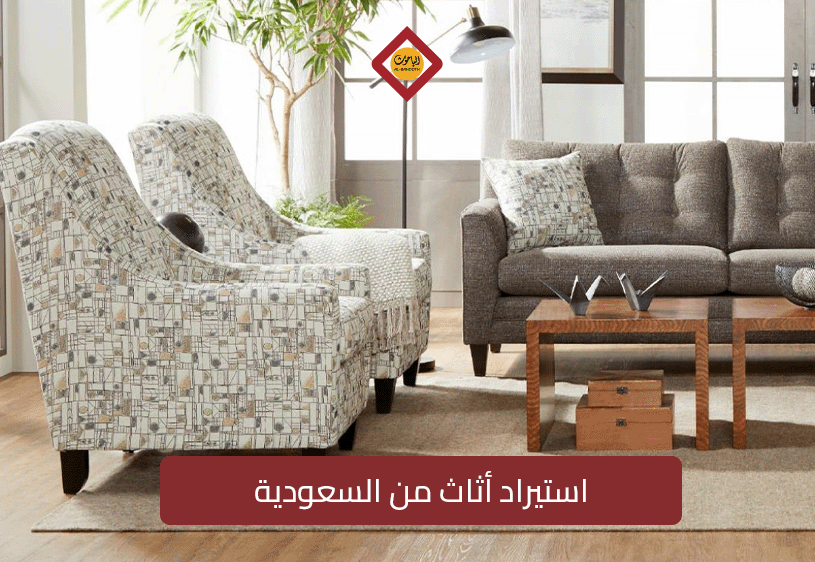
The need to import furniture from Saudi Arabia is increasing day by day due to the significant industrial development in the Kingdom's furniture sector. This growth reflects a unique balance between innovation and modern technology on one hand, and the authentic craftsmanship deeply rooted in the design culture on the other. It is no longer limited to the local market; Saudi Arabia has become a major destination for importers looking for quality, durability, and design diversity.
The process of importing Saudi furniture offers vast opportunities for individuals and businesses alike, whether the goal is furnishing homes, or preparing commercial projects, offices, and hotels. With the rapid growth of the Saudi market, leading brands have emerged that are able to compete globally, such as Al-Bahouth Furniture, which combines modern taste with professional service.
What is importing furniture from Saudi Arabia?
Importing furniture from Saudi Arabia is a commercial process that involves the transportation and distribution of furniture products that have been manufactured or assembled in the Kingdom to other markets, either for local use in various regions or for export abroad. This includes home, office, hotel, and medical furniture, serving multiple purposes ranging from residential to commercial use.
Market Value and Size
The Saudi furniture market is estimated to be worth approximately $7.85 billion annually, reflecting a growing industrial and commercial activity in this sector. It is also expected that the market will experience a compound annual growth rate (CAGR) of 5.62% until 2026, indicating an expanding local and regional demand for Saudi furniture products.
The industry has also seen a notable development in the number of establishments operating, with their number rising from 356 in 2009 to over 6,257 establishments in 2023, reflecting the expansion and diversification of the production base across the Kingdom.
Importance of the Industry Locally
The furniture industry is a vital sector that contributes to supporting the Saudi local economy by providing job opportunities and enhancing the value added in manufacturing industries. It also supports sustainable development trends by encouraging the use of local materials and increasing reliance on national production to meet both local and global demand.
Beneficiaries
- Individuals: They can import furniture from Saudi Arabia to furnish homes and apartments with high-quality products and diverse designs.
- Construction Companies: These companies rely on Saudi furniture to furnish new construction projects in line with customer requirements.
- Government Entities and Hotels: They use local furniture products to furnish public facilities and hotel rooms in a way that combines durability and modern taste.
- Interior Design Firms: They rely on imports from Saudi Arabia to provide integrated design solutions that blend tradition and innovation.
Importing operations also cover hospital and office furniture, which makes Saudi industry capable of meeting the evolving needs in various sectors.
Steps to Import Furniture from Saudi Arabia
- Product Registration on SABER
The process of importing furniture from Saudi Arabia begins by registering the products on the SABER electronic platform. Product details are entered to issue a Certificate of Conformity (PCoC) from an accredited body. This certificate ensures that the products meet the required safety and quality standards and is a necessary condition for smooth customs clearance. - Shipping Procedures
Preparing the furniture for export and packaging it securely to ensure its safety during transport.
Selecting the appropriate shipping port, whether by land, sea, or air.
Preparing the shipping bill of lading, including shipment details, party names, package count, and destination. - Customs Declaration and Documentation
Upon arrival at the customs port, the customs declaration must be submitted electronically through the FASAH platform, along with the following documents:- The original invoice detailing quantities, prices, and product descriptions.
- The original Certificate of Origin issued by the relevant Saudi authority.
- The shipping bill proving the movement of goods from the source to the port or airport.
- Delivery permission from the shipping company or marine agent.
- Certificate of Conformity (PCoC) from SABER.
- The importer’s identification document (ID, passport, or residency).
- Origin country labels on the furniture to ensure transparency.
- Payment of Fees and Inspection
After registering the declaration, customs fees and VAT are paid electronically via the SADAD system. The furniture may undergo a physical inspection to verify its conformity with the documents. If discrepancies are found, the paperwork is reviewed, and the data is corrected before continuing. - Obtaining Customs Clearance
Once the inspection is completed, and all dues are paid, customs clearance is issued, allowing the furniture to be released from the port or airport and delivered to the final customer, thus completing the import process legally and efficiently.
Requirements for Importing Furniture from Saudi Arabia
To ensure a smooth import process from Saudi Arabia, a set of official, certified documents must be prepared. These form the legal basis for customs and transportation procedures:
- The original detailed invoice including product descriptions, prices, and measurement units.
- The certified Certificate of Origin from the Chamber of Commerce in the exporting country to confirm the source of the furniture.
- The shipping bill specifying the transportation details, method, and final destination.
- Delivery permission from the shipping company or marine agent.
- The Saudi and international conformity certificates to verify the furniture meets safety and quality standards.
- The importer’s ID, passport, or residency (for non-Saudis or individual importers).
- Non-removable origin country labels affixed to all imported pieces.
Additionally, all documents must be translated into Arabic by an accredited translation service to be accepted for customs procedures.
Additional Requirements for Commercial Imports
For commercial purposes, laws require an active commercial register, valid tax card, and an accredited import card. The invoice should also be validated by the Ministry of Commerce in the country of origin to prove the legality of the transaction. Some shipments may require pre-payment of customs duties and additional permits when importing restricted goods. It is also advisable to obtain specialized insurance for high-value shipments during international transport.
Conditions for Used Furniture
When importing used furniture from Saudi Arabia, regulations mandate compliance with specific conditions to maintain product quality and safety:
- Providing certified inspection and analysis certificates proving the furniture is free from defects or pests.
- Compliance with the age and usage standards, which determine the maximum allowed age of the furniture for import.
- The general condition of the furniture must be intact, without damage that could affect its usability or public safety.
These requirements are thoroughly reviewed by customs authorities before allowing the shipment entry, ensuring the imported furniture complies with the Kingdom’s standards.
Personal vs. Commercial Use: Importing Furniture from Saudi Arabia
- Purpose of Import: Personal imports are for acquiring furniture solely for home or personal use, without the intention of selling or distributing, while commercial imports pertain to businesses and companies intending to resell or equip commercial establishments.
- Quantity and Value: Personal purchases are limited in quantity and are of a non-commercial nature, whereas commercial imports involve larger shipments with higher financial value.
- Customs Duties: Individuals may receive partial or full exemption from duties if the furniture is for personal use, while commercial activities are always subject to fees and taxes.
- Regulatory Requirements: Personal imports follow simpler procedures with no need for extensive permits, while businesses must comply with additional legal and regulatory requirements, including commercial registration and official cards.
Personal Import Procedures
Personal imports of furniture from Saudi Arabia start by registering through the approved FASAH platform, followed by appointing a customs broker to handle the transaction on the importer’s behalf. A national ID, passport, or valid residency is required to complete the process.
Before shipping, it is recommended to ensure the quantity is not classified as commercial and that the furniture is for personal use only, to avoid applying commercial duties. It is also advised to retain invoices and purchase receipts to prove the source and value of the goods during customs clearance.
Additional Commercial Requirements
- Commercial Registration and Official Cards: The company must have a valid commercial register, tax card, and import card to document the activity and specify the imported goods.
- Invoices and Documentation: A verified invoice must be provided detailing the imported furniture, matching the product specifications and the company’s registered commercial activity.
- Standards and Compliance: The commercial importer must comply with the Saudi and international standards for furniture, with operations documented in official records to ensure compliance.
- Fees and Taxes: All commercial shipments are subject to customs duties and taxes, with no exemptions, regardless of the furniture's origin or type.
How Has the Furniture Industry Developed in Saudi Arabia?
The furniture industry in Saudi Arabia has undergone a transformative journey from a simple craft to an advanced industry based on innovation and technology. Its development can be tracked through four main stages:
- Traditional Craft Phase: It was based on local carpentry and the use of locally available wood.
- Factory Establishment Phase: The industry moved toward institutionalization through the creation of specialized national factories, reducing dependence on imports.
- Modern Competition Phase: Saudi products began to compete with imported goods due to improvements in design and finishing quality.
- Digital Transformation Phase: Factories adopted smart technologies such as 3D design and automated production systems, enhancing precision and speeding up the manufacturing process.
Quality and Modern Technologies
Modern technologies have significantly enhanced the quality of Saudi furniture. Digital production lines were implemented, improving processing and finishing operations with advanced machinery to control fine details.
Factories have also adopted smart design and customizable innovative furniture, which has increased the appeal of the product both locally and internationally. This technological upgrade has made importing furniture from Saudi Arabia a competitive option in regional markets.
Diversity and Government Support
The diversity of the furniture industry is linked to rising income levels and large-scale urban expansion, in addition to major government projects that have driven demand for local furniture. It is estimated that the Saudi decoration and furniture market will reach $9.84 billion by 2033, reflecting the economic momentum in this field.
Government support is a key factor in this growth; under Vision 2030, Saudi Arabia is working to develop national industries and enhance their export potential, enabling the furniture sector to transform into a value-added industry competing globally.
Where Does Al-Bahouth Furniture Stand in Importing Furniture from Saudi Arabia?
Founded in 1395H (1976) by Ahmed Suleiman Ali Al-Bahouth, Al-Bahouth Furniture has established itself as a pioneer in importing furniture from Saudi Arabia and supplying it both locally and globally. Initially importing luxury furniture pieces from Europe, China, and Turkey, it later transitioned to domestic manufacturing through the Qassim Furniture Factory, blending import expertise with the art of modern Saudi craftsmanship.
Company Services
The company offers a comprehensive range of services, including design, supply, and project implementation for residential, commercial, and hotel projects, along with after-sales services. It has streamlined the customer experience through flexible and efficient processes, enabling clients to transform spaces into stylish and functional environments, solidifying its role as a trusted partner in importing furniture from Saudi Arabia.
Quality and Craftsmanship
Al-Bahouth Furniture is known for combining high quality with meticulous craftsmanship, adhering to strict manufacturing and finishing standards to ensure durability and elegance in every piece. Whether the furniture is for homes, offices, hotels, or medical use, the company maintains a spirit of creativity and attention to detail to deliver long-lasting products that meet customer satisfaction.
Made-to-Order National Manufacturing
The company has shifted its focus from merely importing furniture to enabling national manufacturing through made-to-order design and production solutions. Clients can specify measurements, designs, and materials to suit their unique needs, demonstrating the company's ability to bridge personal taste with high-quality local production in Saudi Arabia.
Interior Design Services
In addition to supply and manufacturing, Al-Bahouth Furniture offers interior design services that enhance the value of residential and commercial spaces. Its team relies on an integrated engineering vision that combines aesthetics and function, making each project a complete experience that reflects the identity of the space and highlights both imported and locally manufactured furniture.
Key Benefits of Importing Furniture from Saudi Arabia
Saudi furniture products are known for adhering to international manufacturing standards that ensure durability and attention to detail. Factories use high-quality materials, including natural woods, premium metals, and carefully selected fabrics. They are also offered with official warranties and after-sales service, giving importers confidence in the sustainability and quality of the furniture over time.
Diversity and Multiple Sources
The Saudi market is rich with wide-ranging options to suit different tastes and needs, from classic luxury furniture to modern and contemporary designs. This diversity includes locally manufactured products and those imported from global brands, making importing furniture from Saudi Arabia a flexible choice for both individuals and commercial projects.
Supporting Residential and Commercial Projects
Saudi Arabia contributes to supporting major projects in the residential, hotel, and office sectors through companies and suppliers specialized in providing furniture for large projects. These companies have expertise in meeting design, quantity, and quality requirements, facilitating the outfitting of new properties and facilities with comprehensive, professional plans.
Customization and Local Manufacturing
Local furniture manufacturing offers high flexibility in executing custom orders regarding measurements, colors, or models, depending on project or individual requirements. This allows importers and designers to create unique ideas that align with the aesthetic identity of a space without the traditional limitations of ready-made products.
Easy Procedures and Company Services
Leading Saudi companies like Al-Bahouth provide a comprehensive import service package, including technical consultations, order coordination, supply, and even installation both inside and outside Saudi Arabia. These simplified procedures make importing furniture from Saudi Arabia an organized and easy process, with guaranteed adherence to deadlines and quality execution.
Challenges and Difficulties in Importing Furniture from Saudi Arabia
The process of importing furniture from Saudi Arabia includes several administrative stages and approvals. Importers are required to obtain conformity certificates and permits for each shipment, as well as deal with customs authorities for clearance. While these steps are necessary to ensure product safety, they may cause delays in delivery and extend the overall shipping time.
Differences in Specifications
Importers may face difficulty matching Saudi furniture specifications with the standards of their own countries. Differences in measurements, designs, or even the materials used may make some products unsuitable for other markets. Therefore, it is advised to understand these technical differences beforehand to avoid post-import issues.
Quality and Variety Differences
The quality of Saudi furniture on the market varies significantly from one product to another. Some companies rely on high-quality materials and advanced manufacturing techniques, while others offer mid-range or limited-quality products. These differences require careful research and the selection of a trusted supplier to avoid importing furniture that does not meet the target market's requirements.
Shipping and Insurance Costs
International shipping and insurance costs are significant challenges faced during the import process of furniture from Saudi Arabia. High-value shipments require substantial insurance coverage to protect them during transport, and with rising fuel prices and logistics services, the overall costs for importers increase.
Used Furniture Conditions
Importing used furniture is subject to specific regulations that include necessary inspections to verify its condition and safety, ensuring it has not surpassed certain age or usage limits before allowing it to enter. Adhering to these conditions is crucial to avoid rejection of shipments at customs or incurring additional charges for reshipping or disposal.
Frequently Asked Questions About Importing Furniture from Saudi Arabia
- Can furniture be imported from Saudi Arabia for personal use without a commercial register?
Yes, if the quantity is non-commercial, by providing the required identity and documents and completing customs procedures via the FASAH platform. - What are the key documents required to import furniture from Saudi Arabia?
The original invoice, Certificate of Origin, shipping bill, Certificate of Conformity (PCoC), customs declaration via FASAH, and origin country labels. - What are the main challenges when importing furniture from Saudi Arabia?
Conformity and customs clearance procedures, differences in specifications between countries, and high shipping and insurance costs.
Conclusion
Importing furniture from Saudi Arabia offers a chance to acquire products that combine high quality and precise manufacturing, with a wide variety of designs and services that cater to different needs and styles. The Saudi market is distinguished by specialized companies like Al-Bahouth Furniture, offering flexible pricing solutions and multiple options for shipping and supply.