Integrated furnishing solutions | Everything You Need for a Perfect Design
Integrated furnishing solutions represent a modern, holistic approach to interior design — one that unites furniture, spatial planning, technology
Makaseb
December 31, 2025 at 2:06 pm AST
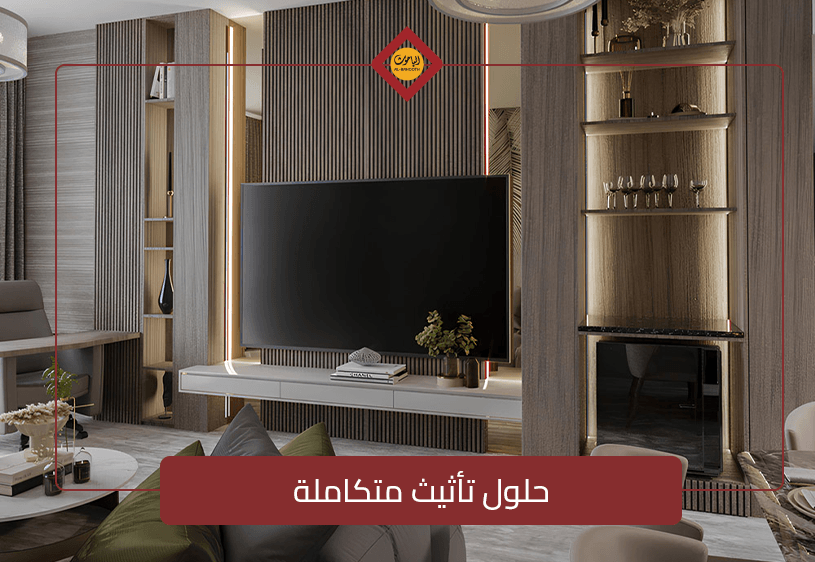
Integrated furnishing solutions represent a modern, holistic approach to interior design — one that unites furniture, spatial planning, technology, and functionality into a seamlessly connected system. Instead of treating furniture as standalone pieces, this concept focuses on creating a unified environment where each element interacts harmoniously with the other. In today’s evolving lifestyle and workspaces, these solutions cater to a growing demand for efficiency, flexibility, and intelligent use of space.
What Are Integrated Furnishing Solutions?
Integrated furnishing solutions are all-in-one systems that handle every phase of creating a fully functional and cohesive interior environment. Rather than buying individual pieces separately, this approach brings design, manufacturing, and installation together into one seamless process. Every stage — from space analysis to furniture supply and final installation — is coordinated under a unified vision, ensuring harmony between aesthetics and functionality.
These solutions are designed to make the most of every square meter. Through customizable designs and multi-use furniture — such as beds transforming into sofas, foldable tables, or combined storage and desk units — they adapt to each client’s specific space. The ultimate goal is not only to furnish but to create environments that work beautifully and feel complete.
How do they work?
The process begins with a detailed study of the available space. Experts assess dimensions, light flow, and daily usage patterns to design a concept that maximizes efficiency and visual balance. This is followed by interior design planning, where each piece is tailored to match the client’s lifestyle or business operations.
Once the concept is finalized, the furniture elements are either selected from modular systems or custom-made. Manufacturing, delivery, and installation are executed as part of the same integrated service, resulting in a smoothly implemented, ready-to-use environment that reflects both beauty and purpose.
What do they include?
- Space analysis: A thorough study to evaluate dimensions, layout, and functionality before starting the design.
- Interior design integration: Alignment between architectural vision and furnishing to ensure aesthetic coherence.
- Modular and multifunctional furniture: Pieces that transform or combine uses, enhancing flexibility and saving space.
- Custom manufacturing: Tailor-made furniture that perfectly fits specific rooms, including built-in and wall-integrated units.
- Unified installation: A coordinated implementation that guarantees flawless assembly and finishing.
- Smart and tech-enabled solutions: Optional integration of technology to improve comfort and optimize daily operations.
Suitable for residential, commercial, medical, and hospitality spaces, integrated furnishing solutions — like those offered by Al-Bahouth Furnishings — provide a complete, adaptable path from concept to completion.
How Do Integrated Furnishing Solutions Improve Space Efficiency?
Integrated furnishing solutions rely on thoughtful design strategies to make the most out of every square inch. These methods blend form and function, turning even compact areas into practical, comfortable spaces through intelligent use of furniture and layout.
- Use of multifunctional furniture such as foldable beds, expandable tables, and wall-mounted desks ensures that one piece serves various purposes depending on the need.
- Implementation of modular designs allows you to rearrange or combine pieces according to changing requirements, making spaces adaptable and dynamic.
- Custom-fitted furniture takes advantage of every corner, ensuring no area remains unused — from under-stair cabinets to built-in shelving units.
- Vertical storage systems like tall cabinets or wall-mounted shelves free up floor space, giving the room a more open and organized feel.
- Integration of hidden compartments inside sofas or beds adds discrete storage, reducing the need for extra bulky units.
How do these solutions reduce clutter?
By merging multiple furniture functions into a unified system, integrated furnishing solutions naturally limit the accumulation of unnecessary items. Rather than scattering small pieces of furniture throughout the home, each unit is designed with storage and organization in mind, streamlining both appearance and function.
- Built-in storage compartments keep frequently used items out of sight yet easily accessible.
- Organizing features within furniture help categorize and store essentials efficiently.
- The reduced need for separate storage units declutters the environment and enhances mobility within the room.
How do they enhance space visually?
These solutions not only optimize physical space but also expand it visually. Through the use of light colors, proper ambient lighting, and wall-mounted designs, rooms appear larger and more inviting. For example, a studio apartment furnished with a Murphy bed, integrated wardrobe, and a multi-use table can transform seamlessly — serving as a cozy living area by day and a full bedroom at night — amplifying the visual impression of spaciousness.
What Is the Relationship Between Interior Design, Functionality, and Technology?
In modern spaces, design and functionality are no longer separate concepts but two complementary dimensions that define how a place feels and operates. Integrated furnishing solutions bridge this connection by combining aesthetic harmony with practical performance, ensuring every element serves both beauty and purpose. For example, a sofa that transforms into a bed, a dining table that extends for work use, or a wall-mounted office unit each illustrate how form and adaptability create a space that evolves with users’ daily routines.
What role does technology play?
Technology acts as the dynamic link that enables furnishings to adapt intelligently to changing needs. As digital systems become more embedded in design, furniture no longer stands still—it responds.
- Wireless charging and hidden USB ports are built into desks and side tables for seamless device use.
- Adjustable-height tables allow users to move between sitting and standing with electronic precision.
- Programmable lighting systems adjust brightness and color temperature throughout the day to complement activity and mood.
- Integrated power systems simplify connectivity, eliminating clutter and optimizing workspace flow.
How are smart solutions integrated?
Smart furniture connects design with technology in real time, turning interiors into responsive environments. By linking furnishings to home automation systems, users can manage lighting, temperature, or even the physical movement of components through mobile apps or sensors. For instance, a smart shelving unit can adjust its configuration with a single command, demonstrating how integrated furnishing solutions redefine comfort and control within a connected lifestyle.
How Have Integrated Furnishing Solutions Evolved?
- Pre-1990s: Furniture focused on fixed, individual functions, with each room serving a distinct purpose. Homes were designed around separate spaces—living, dining, and sleeping areas—with little adaptability or integration.
- 1990s–2010s: Urbanization and shrinking living spaces led to multifunctional furniture designed to optimize every square meter. Sustainability began to influence material choices and manufacturing approaches.
- 2010s–Present: The era of fully managed, integrated furnishing solutions emerged. Specialized providers now handle design, production, and installation to deliver cohesive environments rather than individual furniture pieces. Al-Bahouth Furnishings’ evolution from an importer to a turnkey project specialist captures this shift perfectly.
What Are Practical Applications for Homes and Offices?
Integrated furnishing solutions help transform living spaces into dynamic, multifunctional areas that adapt to daily needs. They are especially valuable in compact homes or modern apartments where every square meter matters.
- Fold-up beds convert a bedroom into a daytime lounge or study area.
- Wall-mounted desks create discreet workstations that disappear when not needed.
- Expandable tables shift easily from intimate dining setups to large family gatherings.
- Floor-to-ceiling shelving systems integrate storage and design without occupying extra space.
- Sofas with hidden compartments allow smart organization and effortless rearrangement.
What about office environments?
In workplaces, integrated furnishing solutions promote flexibility, comfort, and productivity through adaptable configurations.
- Bench desks with built-in storage reduce clutter and keep essentials within reach.
- Height-adjustable tables support sit/stand work habits for better ergonomics.
- Modular shelving enables quick reorganization of spaces as teams evolve.
- Wall or column storage units make use of vertical surfaces efficiently.
- Adaptable meeting areas can shift from collaborative lounges to formal conference setups.
What is the value for different space types?
The true value of integrated furnishing solutions lies in their ability to tailor each environment to its unique functions. In homes—whether apartments or villas—they create a sense of openness, efficiency, and visual harmony. In offices of all scales, from small enterprises to large corporations, they enable fluid, changeable layouts that encourage collaboration and productivity. Al-Bahouth Furnishings approaches every project by customizing designs to match each client’s spatial, functional, and aesthetic needs, ensuring every square meter is used wisely and beautifully.
What Modern Technologies Are Integrated?
Smart furniture refers to a new generation of furnishings that combine design, comfort, and technology to create a seamless living experience. These pieces often include embedded features such as wireless charging pads, adjustable height mechanisms, and hidden electrical outlets that keep spaces organized and clutter-free. Many systems now connect via mobile apps, allowing users to control lighting intensity, position adjustments, or ambient effects with a simple touch. Integrated furnishing solutions also feature LED lighting built into shelves and wardrobes, as well as built-in USB and power modules designed for both functionality and aesthetic harmony. Additionally, energy-saving automation ensures that comfort never comes at the expense of sustainability.
How is technology used in planning?
- AR and VR visualization allow designers and clients to explore integrated furnishing solutions in a simulated environment before installation, ensuring optimal design and usability.
- Digital modeling tools precisely map furniture, lighting, and wiring layouts, reducing errors and costs during implementation.
- Automation planning software integrates environmental data to enhance energy efficiency and space functionality.
- Collaborative tech platforms connect architects, engineers, and interior designers in real-time to streamline decision-making and customization.
What are the future trends?
The future of integrated furnishing solutions lies in modular smart systems that evolve with user needs. This flexibility allows spaces to be reshaped easily, whether for work, relaxation, or entertainment, without generating waste. Industry data indicates that by 2025, leading providers will embed sensors, automation, and AI-driven layout optimization into most new models. These advancements aim to create adaptive interiors that respond intelligently to user behavior, ensuring both efficiency and personalization in every modern space.
What Makes Al-Bahouth Furnishings Unique?
Founded by Ahmad Sulaiman Ali Al-Bahouth in 1976, Al-Bahouth Furnishings began as a small business focused on importing furniture to Saudi Arabia. Over time, the company grew into a key player in integrated furnishing solutions, known for its ability to manage every phase of the furnishing process — from design to execution.
Timeline:
- 1976: Launch of Al-Bahouth Furnishings, specializing in imported furniture.
- 1980s–2000s: Expansion into European and Asian imports, enriching the diversity of product designs.
- 2000s: Establishment of Al-Qassim Furniture Factory, marking the transition from importation to local manufacturing.
- Following years: Broader portfolio development to include residential, office, hotel, medical, and custom furnishing projects.
- Present: Integration of digital design technologies to enhance project planning and client collaboration.
What services are provided?
Al-Bahouth Furniture offers comprehensive services that support clients through every stage of their furnishing journey:
- Custom manufacturing that combines precision craftsmanship with flexible design options tailored to client needs.
- Full furnishing project management, from conceptual design through to handover, ensuring cohesive results.
- Sector-specific solutions for offices, homes, hospitality projects, medical facilities, and computer-based environments.
- Advanced digital planning tools that enable accurate visualization and strategic design development.
- Local and national sourcing that balances quality, efficiency, and sustainability.
- Professional installation services to guarantee durable, flawless completion.
What sets their solutions apart?
Al-Bahouth Furnishings stands out through its seamless integration of international design sensibilities and local craftsmanship. The company’s end-to-end process, which unites design, manufacturing, and installation, ensures a consistent and efficient experience for both residential and commercial clients. This commitment to customization, digital precision, and service continuity defines Al-Bahouth as a true leader in integrated furnishing solutions across Saudi Arabia.
What Are the Key Benefits of Integrated Furnishing Solutions?
Integrated furnishing solutions are designed to enhance organization by combining multiple functions within a single, cohesive system. Built-in storage compartments and concealed shelves make it easy to keep every item in its place, minimizing clutter and eliminating the need for extra furniture. This approach transforms spaces into clean, orderly environments where everything serves a purpose.
For example, a wall unit that integrates a foldable desk, shelving, and hidden drawers helps maintain a tidy work area while freeing up valuable floor space. Such integrated storage not only enhances visual harmony but also optimizes daily functionality.
How do they enable flexibility?
These solutions redefine flexibility by allowing spaces to adapt seamlessly to different activities and lifestyles. Through adjustable and convertible furniture systems, a single room can shift between living, working, or sleeping functions with minimal effort. This adaptability is particularly valuable for compact homes or dynamic office layouts that must serve multiple purposes throughout the day.
A practical example is a modular sofa that transforms into a guest bed, or a dining table that doubles as a creative workspace. Integrated furnishing solutions thus empower users to reconfigure their surroundings according to changing needs without compromising comfort or style.
How do they support sustainability?
Sustainability lies at the heart of integrated furnishing solutions. By reducing the total number of furniture pieces, they minimize material consumption and encourage long-term use. Many systems are designed from durable, modular components that can be upgraded, reused, or replaced individually, extending the furniture’s lifespan and supporting circular economy principles.
Recent industry data shows that modular, integrated designs can cut material waste by up to 30% compared to traditional furnishing models. Moreover, modern providers often include energy-saving features and eco-friendly production methods, ensuring every piece contributes to a lower environmental footprint while maintaining high performance over time.
Frequently Asked Questions about Integrated Furnishing Solutions
What exactly is smart furniture?
Smart furniture refers to pieces designed with integrated technology to enhance functionality and convenience. These items may include built-in wireless charging stations, adjustable height mechanisms, or intelligent lighting and control systems that adapt to user preferences, making everyday living more efficient and personalized.
What is furniture & fixtures in accounting?
In accounting terms, furniture & fixtures represent tangible, movable assets used to furnish offices, stores, or residential properties. These are long-term assets recorded on a company’s balance sheet and are gradually depreciated over their useful life.
Can integrated furnishing solutions be customized?
Yes, integrated furnishing solutions are fully customizable to match each client’s spatial layout, functional preferences, and aesthetic vision. Every element — from material selection to built-in storage — can be adjusted to achieve optimal harmony between design and practicality.
Conclusion
Integrated furnishing solutions have transformed the concept of interior design by merging functionality with visual balance. They enable spaces to operate efficiently, adapt flexibly to evolving needs, and maintain a consistent aesthetic identity that enhances everyday experiences in both residential and commercial settings.