Interior design Trends | Creating a Chic and Functional Space
Interior design represents the art and science of shaping interior spaces to achieve harmony between function, comfort, and beauty.
Makaseb
December 31, 2025 at 1:31 pm AST
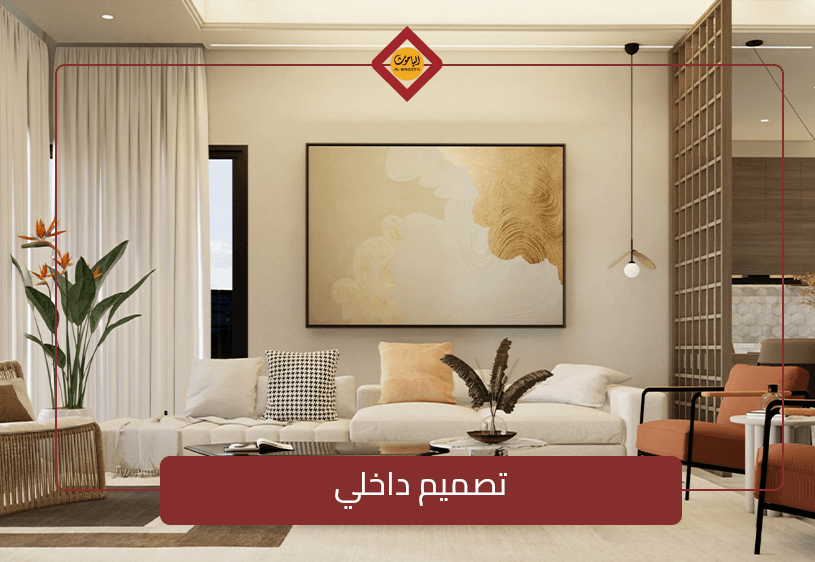
Interior design represents the art and science of shaping interior spaces to achieve harmony between function, comfort, and beauty. It goes beyond visual appeal, addressing the psychological and social dimensions of human life and reflecting cultural evolution. Every element — from spatial layout to texture, lighting, and material — tells a story of how people live and interact within their surroundings. As lifestyles evolve, interior design continues to adapt, blending creativity with practicality to create environments that truly resonate with those who inhabit them.
What is interior design?
Interior design is the creative discipline that merges art, science, and technical knowledge to shape interior environments that respond to human needs. It goes far beyond surface decoration—it delves into how spaces function, how they feel, and how they influence behavior and well-being. A well-designed space harmonizes aesthetics with practicality, ensuring every element contributes to both beauty and comfort.
More than arranging furniture or selecting colors, interior design involves strategic planning, material specification, lighting design, ergonomics, and sustainability. It connects deeply with architecture, ensuring each interior complements the building’s structure and purpose. At its heart, interior design seeks to create environments that enrich users’ experiences and improve their quality of life through thoughtful harmony between form and function.
How does it work?
The process begins with understanding the client's requirements—how a space will be used, who will occupy it, and what atmosphere is desired. Interior designers analyze these needs and translate them into functional and aesthetically pleasing layouts that balance comfort and efficiency.
Once the design concept is developed, designers oversee the execution stage, coordinating with architects, contractors, and suppliers to ensure every detail aligns with the original vision. They continuously adapt the design to meet practical challenges, ensuring the final environment supports its intended purpose and reflects the client’s personality and values.
What are its core components?
- Spatial layout: Defines how areas are organized to support movement, functionality, and an overall sense of balance.
- Color schemes: Influence mood and perception, creating emotional resonance and visual coherence within the space.
- Lighting design: Enhances atmosphere, emphasizes focal points, and ensures practicality through both natural and artificial sources.
- Furniture selection and arrangement: Shapes the flow of interaction, comfort, and ergonomics within a given area.
- Tactile material choices: Add depth and sensory richness through finishes, textures, and surfaces that engage touch and sight.
- Acoustics: Manages how sound travels and is absorbed, improving comfort and privacy.
- Environmental controls: Include temperature, ventilation, and lighting systems that promote health and energy efficiency.
- Integration of technology: Incorporates smart systems and modern innovations seamlessly into the overall design concept.
How has interior design evolved?
The origins of interior design can be traced back to ancient civilizations such as Egypt, Greece, and Rome, where interior layouts and decorations were powerful symbols of status and belief. Egyptian homes often incorporated wall paintings depicting deities and daily life, while furniture remained simple yet purposeful. Greeks emphasized symmetry and proportion in their domestic spaces, aligning design with philosophical ideals of harmony. Romans expanded upon this with lavish mosaics, marble columns, and color symbolism that reflected wealth and spirituality. Throughout these early societies, interiors communicated cultural values as much as they offered comfort and function.
Renaissance to modern times
During the Middle Ages, interior spaces prioritized practicality and defense over aesthetics. Homes were often fortified, with thick walls, massive wooden furniture, and woven hangings serving both decorative and insulating purposes. Communal living defined the era, where large halls hosted family gatherings and daily work, highlighting a lifestyle rooted in security and collective existence.
The Renaissance, Baroque, and Rococo periods marked a dramatic transformation. Interiors became showcases of magnificence—gilded ornamentation, intricate frescoes, and elaborate staircases expressed wealth and artistic refinement. Palaces and noble residences radiated opulence through precious materials and sculptural details. Later, the Industrial Revolution democratized design: factories enabled mass furniture production, decorative elements became accessible to the middle class, and new interior publications popularized emerging styles. By the 20th century, movements like modernism and postmodernism redefined interiors toward function, simplicity, and human experience. The interior designer emerged as a professional figure, integrating technology, materials innovation, and the evolving rhythm of city and suburban life.
Contemporary shifts in lifestyle
In the current era, interior design continues to evolve alongside global and social change. Compact urban apartments and remote work cultures have inspired designs centered on flexibility and multifunctional spaces. Environmental awareness has pushed designers toward sustainable materials and energy-efficient solutions. Comfort, adaptability, and emotional connection now lead the creative process, making interiors not just places to live, but personalized ecosystems that align with modern values and lifestyles.
What are the main interior design styles?
The classical interior design style draws its essence from the grandeur of Greek, Roman, and Renaissance architecture. It embodies harmony through symmetry and balance, projecting a refined sense of formality, elegance, and timeless beauty. Every element — from color selection to furniture placement — contributes to creating well-proportioned spaces that radiate subdued luxury and cultural depth.
Key characteristics of the classical style include:
- Symmetrical room layouts that emphasize balance and proportion.
- The use of columns or architectural details inspired by ancient temples.
- Ornamental ceiling designs featuring intricate moldings and motifs.
- Warm neutral color palettes such as ivory, beige, and gold tones.
- Finishes in marble, dark wood, and stone for a sense of permanence.
- Heavy drapery and layered textiles for depth and richness.
- Carved hardwood furniture with elaborate details and refined fabrics.
Modern style features
The modern interior design approach evolved around the principle of “form follows function,” where aesthetics arise naturally from utility. It champions clean lines, geometric harmony, and minimal ornamentation, celebrating materials like glass, metal, and concrete. The mood is open and uncluttered, with every furnishing chosen for its practicality and visual clarity.
Notable features of the modern style include:
- Smooth surfaces and simple compositions that highlight structure.
- Open floor plans allowing free flow of movement and light.
- Use of whites, greys, and blacks with occasional restrained accent colors.
- Furniture that is low-profile, adaptable, and functional.
- Integration of industrial materials such as steel frames and polished concrete.
Minimalist style features
Minimalist interior design refines the modern ethos into an even purer form, focusing on empty space as an essential design element. It promotes visual spaciousness and calm through the reduction of excess. Rooms are free from clutter, colors remain highly neutral, and every object serves a purpose. This approach resonates strongly with fast-paced urban lifestyles, compact living spaces, and those seeking mental clarity through simplicity.
Defining features of the minimalist style include:
- Extremely limited decorative elements and muted color schemes.
- Hidden storage solutions that preserve visual order.
- Maximized natural light to enhance openness.
- Furniture that is multifunctional, high-quality, and visually light.
- Emphasis on essential pieces that embody calmness and precision.
Each of these interior design styles tells a story about how people live and what they value — from the classical admiration of heritage and artistry, to the modern pursuit of function and innovation, to the minimalist need for serenity and focus in an accelerating world.
How does interior design impact wellbeing and productivity?
Lighting is one of the most powerful tools in interior design for shaping mood and energy levels. The type, intensity, and direction of light influence both psychological and physiological states, making it essential to adjust lighting according to purpose and context. Natural light is consistently linked with improved mood and vitality, while artificial light can be strategically tailored to support specific functions throughout the day.
- Bright white lighting enhances concentration and mental alertness, making it ideal for workspaces or study areas.
- Warm or yellowish tones create a sense of relaxation and coziness, suitable for living rooms and bedrooms.
- Poorly planned lighting — whether insufficient, harsh, or misdirected — can cause eye strain, mental stress, and diminished focus over time.
What is the psychological effect of color?
Color psychology plays a central role in interior design, influencing how people feel and behave within a space. Different hues evoke distinct emotional responses and can support or disrupt wellbeing when used incorrectly.
- Cool shades such as blues and greens instill calmness and serenity, making them effective choices for bedrooms or meditation areas.
- Warm earthy tones, like terracotta or beige, enhance comfort and a sense of belonging.
- Bright colors like yellow and orange stimulate creativity and social energy but may lead to agitation or fatigue if used excessively.
What role does furniture play?
Furniture choices affect both physical comfort and mental performance. Well-designed, ergonomic, and proportionally scaled furniture supports posture and movement, reducing strain that can otherwise erode productivity.
How do spatial organization and clutter matter?
The organization of space defines how effectively people can move, think, and relax within their environment. A clear, balanced layout creates a psychological sense of control and calm, while disorganized or congested rooms produce the opposite effect.
- Open and decluttered spaces support ease of navigation and enhance focus.
- Overcrowded or chaotic layouts elevate anxiety and distract the mind.
- Smooth circulation and clear visual lines promote an intuitive, stress-free experience.
How do natural materials and sensory elements help?
Natural materials like wood, stone, and living plants introduce a tactile and visual connection to nature. Incorporating these biophilic elements can lower stress levels, improve air quality, and instill a feeling of grounding within the space. Beyond aesthetics, they create a multisensory environment that nurtures emotional balance and overall wellbeing.
What is the environmental psychology link?
Environmental psychology demonstrates how the design of physical spaces directly shapes emotion, cognition, and social behavior. Interiors that express individual identity and preferences cultivate belonging and satisfaction, helping people feel emotionally secure within their surroundings. Conversely, overstimulating visual patterns and cluttered decor can quickly lead to mental fatigue and reduced attentiveness.
Scientific findings align on a clear conclusion: high-quality, thoughtfully designed environments enhance comfort, productivity, and psychological health alike. Through mindful attention to lighting, color, layout, and natural integration, interior design becomes not just a matter of style but a science-backed tool for improving quality of life.
How does technology integrate with interior design?
Smart lighting has become a core feature in modern interior design, shaping atmosphere and comfort through precise control of brightness and tone. These systems adjust automatically to support natural circadian rhythms, imitating daylight progression to maintain alertness during working hours and encourage relaxation in the evening. Smart lighting also enhances energy efficiency, reducing consumption through motion sensors and programmable scenes.
What is smart home integration?
Smart home integration connects various systems into one synchronized network that operates smoothly behind the scenes. Lighting, audio, HVAC, security, and blinds communicate through central or voice-controlled platforms, offering users comfort and convenience with minimal effort.
- Climate and lighting can automatically adjust based on occupancy or time of day.
- Security and surveillance integrate with smart locks and remote access apps.
- Audio and entertainment systems synchronize with lighting to create immersive experiences.
This convergence results in spaces that feel intuitive, where technology enhances daily living without disrupting the aesthetic flow of the interior design.
How are digital work/leisure areas designed?
The growth of remote lifestyles has led to the creation of flexible zones balancing productivity and relaxation. Digital work and leisure areas are designed with adaptive furniture, ergonomic layouts, and optimized acoustics, ensuring comfort for both video calls and downtime. Adjustable screens, modular desks, and multi-purpose seating enable smooth transitions from work tasks to family games or movie streaming, reflecting how technology shapes interiors around users’ evolving routines.
How does tech support productivity and comfort?
Technology supports a more intelligent and comfortable living environment through digital tools that simplify daily management. Smart systems enable spatial planning, energy tracking, and environment monitoring, ensuring that each area operates efficiently.
For instance, smart sensors and mobile dashboards allow residents to adjust temperature, lighting, and even appliance usage remotely, maintaining both comfort and sustainability. Companies such as Al-Bahouth Furniture exemplify this integration, combining custom-made furniture with built-in smart solutions that elevate productivity while preserving aesthetic harmony.
How is sustainability addressed in interior design?
- The design of windows and openings plays a crucial role in allowing abundant natural light to brighten interiors without excessive dependence on artificial lighting.
- Well-planned insulation methods help maintain comfortable indoor temperatures, reducing the need for constant heating or cooling.
- Incorporating energy-efficient appliances ensures that day-to-day usage consumes less electricity without compromising performance.
- Intelligent control systems—such as automated lighting, as well as smart heating and cooling solutions—allow for precise management of energy use, minimizing waste and improving comfort.
What about sustainable materials and sourcing?
Sustainability in interior design extends to the careful selection of materials that have a low carbon footprint and long life cycle. Designers increasingly favor durable, repairable, and recyclable products that can be repurposed rather than discarded. Local and artisanal production is given priority over mass-imported items, supporting community craftsmanship while reducing transportation emissions. Companies like Al-Bahouth Furnishings exemplify this approach by offering environmentally responsible options that align with client needs and aesthetic goals alike.
How is water conservation implemented?
Water efficiency has become an integral element of sustainable interior design. Low-flow taps and showerheads minimize consumption without affecting usability, while smart irrigation systems help sustain indoor plants with just the right amount of water. Kitchens and bathrooms are equipped with resource-efficient fittings and layouts to prevent waste and promote a balanced use of natural resources—showing that sustainability can be seamlessly integrated into daily living spaces.
Why choose Al-Bahouth Furnishings for interior design?
Since its founding in 1976, Al-Bahouth Furnishings has become one of Saudi Arabia’s most trusted names in interior design and custom furniture. With decades of experience, the company has built its reputation on delivering tailored, high-quality designs that cater to both residential and commercial spaces. What began as a business dedicated to importing outstanding international furniture has evolved into a full-service provider through the establishment of Al-Qassim Furniture Factory, combining global quality standards with fine local craftsmanship to deliver complete interior solutions.
Over the years, Al-Bahouth Furnishings has refined its services to ensure every client enjoys a smooth and creative design journey. The company provides comprehensive support that includes personalized design consultations, custom manufacturing, efficient project management, and the use of modern technology to enhance design precision. Commitment to sustainability and reliable customer care remain at the heart of every project. With meticulous attention to detail and a team of experienced craftsmen, Al-Bahouth brings each client’s vision to life—ensuring an efficient, end-to-end experience that transforms spaces with elegance and functionality.
Frequently Asked Questions about interior design
What is interior design about?
Interior design is the synthesis of creativity and technical expertise. It integrates spatial ergonomics, knowledge of materials, lighting strategies, and sustainable design practices with an understanding of human behavior and psychological comfort. The goal is to design environments that enrich people’s experiences and support their daily lives beautifully and efficiently.
What are the 7 basics of interior design?
The seven fundamentals of interior design guide how visual elements interact to create cohesive, balanced spaces.
- Balance: Distributes visual weight evenly through symmetrical, asymmetrical, or radial arrangements.
- Unity: Ensures every element contributes to a unified, coherent look and consistent theme.
- Rhythm: Creates flow through repetition, patterns, or gradual changes in color, shape, or texture.
- Emphasis: Draws attention to focal points—such as artwork, lighting, or architectural features.
- Contrast: Highlights differences in color, texture, or form to add energy and depth.
- Scale and Proportion: Maintains appropriate relationships between objects and the overall space.
- Details: Elevate the design through thoughtful finishing touches that reflect personality and precision.
What is the 3-5-7 rule in interior design?
The 3-5-7 rule emphasizes grouping decorative elements in odd numbers to achieve natural visual harmony. Odd-numbered arrangements feel more spontaneous and dynamic to the eye, enhancing aesthetic interest and balance within a room.
Conclusion
Interior design has the remarkable ability to reshape the way people live, work, and feel within a space. Thoughtfully designed interiors not only elevate visual appeal but also enhance wellbeing, comfort, and productivity. By combining aesthetics with functionality, every room becomes a reflection of personality and purpose, offering balance and psychological harmony in daily life.