Interior Wall Cladding: Types, Trends, & Solutions
Discover how interior wall cladding enhances design, thermal efficiency, and acoustics. Explore key materials, 2026 trends, and solutions from AL-Bahooth.
Makaseb
September 1, 2025 at 6:16 pm AST
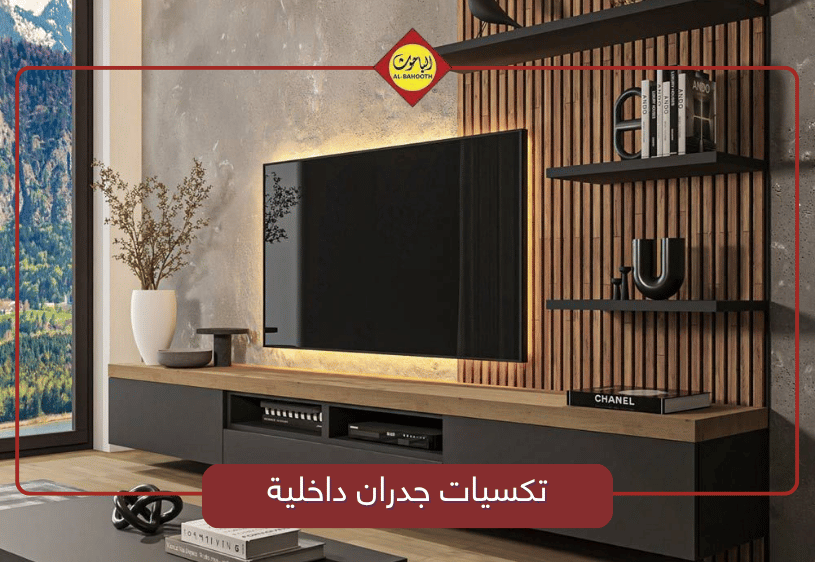
Interior wall cladding is no longer a secondary design consideration; it has become an essential element that expresses space identity while delivering tactile comfort and aesthetic value. Through modern cladding, residential and commercial environments gain tailored character, improved acoustic and thermal performance, and functional durability.
This comprehensive guide covers interior wall cladding types, structural benefits, emerging trends, material selection criteria, and professional guidance for overcoming installation challenges.
What Is Interior Wall Cladding?
Interior wall cladding comprises a decorative and protective covering layer applied directly over primary wall structures. It refreshes interior spaces, covers surface imperfections like fine cracks or scuffs, and creates a cohesive design narrative across adjacent rooms.
Beyond visual transformation, cladding fulfills key architectural functions by enhancing acoustic quietness, supporting indoor thermal retention, and shielding surfaces from moisture or impact damage.
Common Wall Cladding Materials
- Ceramic & Porcelain Tiles: Highly durable, moisture-impermeable, and effortless to sanitize.
- Natural & Engineered Wood Panels: Adds warmth, organic textures, and natural insulation.
- PVC & Polymer Panels: Lightweight, completely water-resistant, and ideal for high-humidity areas.
- Stone Veneers & Brick: Delivers organic tactile depth and classical architectural character.
- Decorative Wallpaper: Provides flexible design patterns, vibrant colors, and straightforward application.
- Metal Panels (Aluminum, Steel, Copper): Delivers sleek, industrial, and highly contemporary aesthetics.
- Specialty Plasters (Venetian Plaster / Stucco): Adds subtle light reflection, depth, and smooth texture.
- Microcement Coatings: Yields a seamless, continuous, joint-free surface ideal for modern spaces.
- Fiber Cement Boards: Offers exceptional fire rating, impact strength, and structural endurance.
Integrated ambient lighting and smart climate controls can also be embedded within cladding assemblies to balance aesthetic form with functional utility.
What Are the Key Types of Interior Wall Cladding?
Ceramic & Porcelain Tiles
Ceramic and porcelain remain primary choices for interior wall cladding, especially in bathrooms and kitchens. Their non-porous structure resists water penetration and simplifies routine cleaning.
- Installed using specialized tile adhesives and grout lines to prevent moisture ingress.
- Offers a hard-wearing surface that withstands high daily wear.
- Available in polished, matte, textured, or dimensional surface finishes.
Wood Paneling
Wood panels introduce organic richness into interior layouts. Selection ranges from solid hardwoods like oak for executive spaces to engineered timber panels that offer authentic wood aesthetics with greater dimensional stability against humidity fluctuations.
PVC Panels
PVC wall cladding is widely deployed in moisture-prone zones due to its complete water resistance and immunity to corrosion. Unlike natural timber, PVC does not require periodic sealing or re-staining, offering a lightweight, easy-to-install alternative that maintains a clean visual appearance.
Venetian Plaster
Venetian plaster (stucco) provides a refined, polished finish with soft color depth. Applied in multiple thin layers, it reflects ambient light subtly, bringing visual elegance to feature walls and formal reception areas.
Stone Veneers & Brick
Stone veneers and exposed brick bring physical texture and architectural permanence to interiors. They are frequently used on focal accent walls to create rustic contrast or modern industrial character.
Decorative Wallpaper
Modern wallpapers provide endless geometric, floral, and textured patterns that transform spaces efficiently. They offer a lightweight wall treatment that can be easily updated to reflect evolving design preferences.
Metal Panels & Microcement
Metal panels introduce an industrial visual edge, while microcement creates unified, joint-free surfaces that deliver a clean, continuous backdrop for contemporary minimalist interiors.
Fiber Cement Boards
Fiber cement paneling is recommended for high-traffic or fire-sensitive environments. Its dense composition provides high impact resistance and moisture stability over extended service lifespans.
What Are the Primary Benefits of Interior Wall Cladding?
Thermal Efficiency & Energy Savings
Installing materials like engineered wood or WPC (Wood-Plastic Composite) creates a thermal break that minimizes interior heat transfer.
- Reduces cold thermal bridging in winter.
- Limits heat penetration during hot summer months.
- Lowers HVAC energy consumption and utility expenses.
Acoustic Comfort
Acoustic wall cladding panels absorb interior sound reflections and dampen noise transmission between adjacent rooms, making them ideal for home theaters, executive offices, and serene residential areas.
Moisture Resistance & Surface Hygiene
Moisture-resistant panels (such as PVC, microcement, or fiber cement) prevent water infiltration, suppressing mold growth and wall deterioration in kitchens and bathrooms. Furthermore, smooth cladding surfaces facilitate simple hygiene maintenance using standard cleaning protocols.
How to Select the Right Interior Wall Cladding?
- Identify Room Purpose: Residential living areas benefit from warm wood or Venetian plaster, whereas medical clinics require non-porous, antibacterial surfaces.
- Assess Moisture Exposure: Specify PVC, porcelain, or fiber cement for wet zones.
- Evaluate Traffic Levels: High-traffic corridors require impact-resistant materials like porcelain, metal, or stone.
- Determine Maintenance Requirements: Choose low-maintenance finishes that wipe down easily without requiring frequent re-sealing.
- Harmonize Visual Style: Align surface textures and colors with existing flooring, cabinetry, and architectural themes.
- Integrate Functional Features: Factor in whether the wall system needs to house hidden LED channels, acoustic backing, or smart sensors.
Balancing Cost with Long-Term Quality
Balancing cost and quality involves comparing the initial outlay of each material against its expected service life and future maintenance costs. Choosing a cheaper option may seem economical initially, but it can lead to higher spending over time due to frequent repairs or replacements.
For instance, PVC panels may cost slightly more than wallpaper initially, but they last longer and offer easier maintenance, making them a better long-term investment in moisture-prone zones.
What Are the Emerging Trends in Interior Wall Cladding?
Sustainable & Eco-Friendly Materials
Eco-conscious material choices are shaping modern interior specification. Reclaimed timber, rapidly renewable bamboo, recycled aluminum, and regionally sourced stone reduce environmental impact while introducing rich visual character to contemporary interiors.
For example, reclaimed wood has gained widespread popularity in residential and commercial spaces because it combines a warm character with durability.
3D Textured & Custom Geometric Panels
Custom designs are gaining strong momentum, with increasing demand for Arabic patterns or motifs inspired by local heritage for a distinctive identity. Three-dimensional wall panels and innovative architectural reliefs provide visual depth, turning traditional walls into immersive artistic features.
Smart Wall Integration
Smart solutions have become integral to wall cladding evolution. They allow seamless integration of hidden lighting systems and climate control features through the walls themselves. These solutions extend to sensor systems that monitor energy consumption and improve daily comfort, helping lower energy usage while elevating modern living experiences.
Key Challenges & Expert Solutions
Installation Complexity & Weight
Some interior wall cladding types require specialized preparation or technical expertise during installation, particularly heavy stone cladding or advanced smart systems. This can increase labor costs or extend project timelines.
For instance, installing thick natural stone cladding in a tight space requires specialized mounting hardware and a trained crew, adding time to the project schedule.
Maintenance and Service Life Challenges
Cladding made from natural materials like wood or stone requires periodic care to maintain its appearance and quality. Moisture or minor scratches can quickly affect the overall look, requiring regular inspection and proper treatment to ensure longevity.
Advanced Material Costs
Opting for innovative cladding like 3D panels or smart materials increases upfront costs compared to traditional options like drywall or paint. However, these materials often deliver a longer service life and high aesthetic value that justify the investment.
For example, 3D cladding may cost twice as much per square meter as standard paint, but it offers durability and style that serve for years without frequent repainting.
Smart System Compatibility Issues
Smart claddings integrated with lighting or climate control systems require advance planning and coordination between suppliers and technical engineers to ensure compatibility. Omitting this step can cause operational difficulties after installation.
Interior Wall Cladding Solutions by AL-Bahooth Furniture
Since its establishment in 1395 AH (1976 CE) by Ahmed Suleiman Ali AL-Bahooth, AL-Bahooth Furniture has emerged as a prominent name in interior wall cladding within Saudi Arabia. The company combines extensive experience with innovation, making it a trusted destination for high-quality interior enhancements.
AL-Bahooth offers comprehensive solutions starting from studying client requirements, developing innovative designs, manufacturing through Qassim Furniture Factory, and executing installation on-site. This seamless sequence covers all project phases without needing multiple contractors.
The company excels in combining imported and locally manufactured products to provide options suitable for residential, commercial, or hospitality projects. It also offers custom designs to meet specific material, color, and finish preferences.
The strength of AL-Bahooth Furniture rests on key pillars:
- Delivering high local manufacturing quality that aligns with global standards.
- Precise attention to detail across all work stages to ensure optimal results.
- Flexibility in choosing between multiple materials and styles to suit different tastes.
- Providing integrated customer service to make interior finishing straightforward and smooth.
Through this approach, AL-Bahooth Furniture continues to reinforce its reputation as a complete source for interior wall cladding that elevates spatial aesthetics and practical performance.
Frequently Asked Questions About Interior Wall Cladding
Is interior wall cladding healthy and safe for indoor air quality?
Most modern interior wall claddings are designed to meet health and safety standards, manufactured with low-VOC materials that help improve indoor air quality. Advanced options also offer antibacterial properties, making them practical for hygiene-sensitive environments like clinics and kitchens.
Can wall cladding be installed in bathrooms?
Yes, moisture-resistant claddings like PVC, tiles, or fiber cement can easily be installed in bathrooms and kitchens, as these materials withstand steam and water without affecting quality or appearance.
Is modern cladding easy to clean and maintain?
Yes, modern cladding is generally simple to care for, with many materials engineered to resist water and dirt. They can be cleaned with a damp cloth or mild detergents without requiring complex maintenance procedures.
Conclusion
Interior wall cladding serves as a powerful design tool that harmonizes visual elegance, acoustic comfort, and structural protection. By evaluating room requirements, choosing durable materials, and collaborating with established specialists like AL-Bahooth Furniture, you can create functional, beautifully finished interior environments built to last.