Iron furniture
Iron furniture is the choice that combines durability and aesthetics simultaneously.
Makaseb
July 13, 2026 at 5:18 pm AST
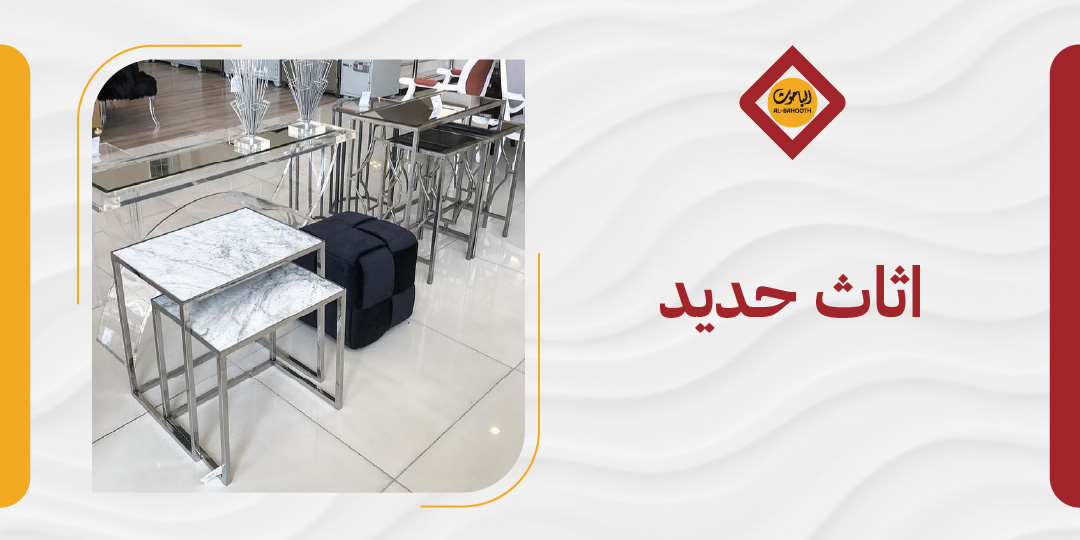
Iron furniture is the choice that combines durability and aesthetics simultaneously. Demand for it is increasing day by day by those looking for pieces that last long without losing their appearance. Whether you are thinking of furnishing a bedroom, setting up an outdoor seating area, or choosing tables and chairs for open spaces, iron furniture provides you with a practical solution that resists damage and suits both modern and industrial decors alike.
In this article, you will find a comprehensive journey that begins with understanding the nature of iron furniture, its advantages, and its weaknesses. It then moves into comparing types and how to choose the right piece for every need, leading up to advanced tips that guarantee the quality of your choice before making any decision. If you are looking for iron furniture manufactured with high precision and customizable according to your measurements and requirements, Bahooth Factory offers you a wide selection of premium metal furniture — discover your options now on the Bahooth website.
Definition of Iron Furniture
Iron furniture is not just a functional choice, but a design decision that reflects a special taste and a clear vision in furnishing spaces. The basic idea is to utilize iron materials in furniture to achieve a delicate balance between exceptional durability and artistic malleability, making it strongly present in both modern and classic interior designs alike. Furniture made of iron withstands high weights without losing its shape or corroding quickly, which gives it a position unmatched by many other materials. At the same time, it can be adapted into complex geometric shapes or simple straight lines, according to the requirements of each project.
1. What Characterizes the Material?
Iron materials in furniture belong to the category of materials that combine mechanical rigidity and structural flexibility at the same time. Wrought iron, in particular, is considered one of the most widely used raw materials in this field, as it can be shaped by heat and refashioned into precise details, whether straight lines or decorative curves. This manufacturing flexibility, along with its ability to withstand pressure and weight, makes metal furniture made of iron a steady choice in both residential and commercial projects alike.
2. How Does It Differ from Other Metals?
Users often stand before multiple options without knowing the actual differences between them. Iron, steel, and aluminum all fall under the name of metal furniture; however, each has characteristics that make it suitable for a specific context.
- Iron: Leads in weight and structural strength. It is the most suitable for pieces that require high stability and continuous endurance, such as beds and heavy tables, and it features excellent weldability that allows for varied finishes.
- Stainless Steel: Excels in resisting corrosion and moisture, making it ideal for outdoor use or high-humidity environments, with a glossy finish that is difficult to achieve in regular iron.
- Aluminum: Wins the lightness points par excellence, as it is used in pieces that need ease of movement or installation, but it comes in a lower rank in terms of rigidity and weight-bearing capacity compared to iron furniture.
Advantages of Iron Furniture
Iron furniture does not need a long introduction to prove its worth; the high durability it possesses makes it a preferred choice in many residential and commercial spaces alike. Compared to wood, which is affected by moisture, or aluminum, which lacks sufficient rigidity under heavy loads, the strength of iron in furniture stands out with striking clarity, making it a real investment that extends for long years without its quality declining.
1. Endurance and Durability
Endurance is the most distinguishing trait of iron furniture, as it can withstand high weights continuously without suffering from bending or the rapid wear that appears in other materials. This is why the durability of iron in furniture is not just an additional property, but a main core when making a purchase decision.
- Iron retains its original shape even under repeated pressure and does not deform over time.
- Iron furniture pieces possess a much longer life cycle compared to their counterparts made of wood or plastic.
- The durability of iron reduces the need for frequent replacement, making it an economical choice in the long run.
2. Ease of Shaping and Design
What distinguishes iron furniture from a design perspective is the exceptional flexibility of this material in shape, especially when dealing with wrought iron, which accepts artistic shaping with a high degree of precision. This ability allows manufacturers to offer iron designs ranging from a decorative classic character to a rugged industrial style and a clean modern method, to suit various tastes and harmonize with the diversity of interior decors.
3. Suitability for Indoor and Outdoor Use
Iron furniture is not limited to interior spaces alone, but extends efficiently to furnish outdoor spaces as well. Many pieces are designed in a way that makes them capable of facing weather fluctuations when provided with an appropriate protective layer, such as rust-resistant paints or special treatments.
Gardens and balconies specifically benefit clearly from the strength of iron in furniture, as the pieces remain stable in their place and retain their aesthetics even in conditions of humidity or repeated exposure to sunlight. This makes treated iron designs a practical and aesthetic solution simultaneously for open spaces.
4. Structural Rigidity and Stability of the Piece
Structural rigidity is what gives a piece of iron furniture that sense of grounding and stability during daily use. It does not shake, lean, or make annoying sounds with movement, which forms a palpable difference in the actual user experience.
- The iron frame distributes loads in a balanced manner over all contact points, enhancing the overall stability of the piece.
- The durability of iron in connections and joints prevents the gradual loosening that affects other types of furniture.
- The stability of iron furniture pieces gives them a more luxurious and sober appearance within the space, regardless of the design type.
Disadvantages of Iron Furniture
Iron furniture is characterized by durability and resilience before daily use, but it is not free from negative aspects that deserve study before making a purchase decision. From weight to rust and paint problems, there are practical challenges faced by some users, and understanding them in advance helps in choosing the right pieces and dealing with them the correct way.
1. Heavy Weight
Weight is considered one of the most prominent disadvantages of metal furniture, as many pieces of iron furniture are characterized by their noticeable heaviness compared to wooden or plastic furniture. This weight may make the process of moving furniture inside rooms or rearranging it exhausting, and sometimes requires more than one person to do so without causing scratches to floors or walls.
2. Potential for Rust to Appear
Rust is the greatest threat to iron disadvantages in the long run. It appears mainly when the paint is inappropriate or when the pieces are exposed to high-humidity environments such as kitchens, bathrooms, and coastal areas. Metal furniture problems related to rust start small and aggravate if neglected, so there are effective preventive solutions that should be considered:
- Choosing iron furniture coated with electrostatic powder coating, which provides a durable barrier against moisture and oxidation.
- Ensuring pieces undergo the galvanization process, which is a zinc coating that protects the iron from the inside before the outside.
- Avoiding placing untreated iron furniture in open or poorly ventilated places.
- Conducting a periodic inspection of the paint and treating any scratch as soon as it appears before it turns into rust.
3. Industrial or Cold Visual Sensation
Some interior spaces with a warm or classic character may not easily harmonize with iron furniture that has a purely industrial look, as iron sometimes imparts a visual coldness to the decor. The solution lies in smart integration between iron and wood or soft fabrics like pillows, rugs, and curtains, which breaks that coldness and gives the space a comfortable aesthetic balance.
4. Paint Problems with Time
Despite the durability of metal furniture problems in its basic structure, the paint layer may be exposed to peeling, yellowing, or cracking after years of continuous use or exposure to direct sunlight. To limit this problem, the following steps can be followed:
- Choosing iron furniture that carries a high-quality paint resistant to ultraviolet rays and thermal changes.
- Cleaning surfaces regularly using a soft cloth and avoiding abrasive materials that scratch the paint.
- Repainting pieces whose paint has begun to wear out instead of replacing them, which extends their lifespan at a low cost.
Types of Iron Furniture
The circle of iron furniture expands to include diverse pieces covering the needs of different spaces in the home, office, and garden. Whether you are looking for pieces for bedrooms, seating areas, or outdoor spaces, iron provides integrated solutions that combine solidity and diversity of shapes.
1. Iron Beds
An iron bed is one of the options tested by time that has proven its durability over long years. Iron beds are characterized by their ability to withstand heavy loads without losing their shape or suffering from structural deformations, making them preferred for anyone looking for a long-term investment in bedroom furniture.
2. Iron Tables
An iron table gives any space a real stability that is difficult to achieve with other materials. Its uses vary according to context and design, and its most prominent types include:
- Iron Dining Tables: Combine stability and the ability to integrate with glass or wood surfaces.
- Iron Office Tables: Provide a firm base suitable for intensive work environments.
- Coffee and Side Tables: Easily added to seating spaces without weighting them down visually.
- Garden Tables: Designed for outdoor use with surface treatments that protect the iron from environmental factors.
3. Chairs and Light Frames
Iron chairs differ noticeably in their characteristics according to the thickness of the tubes used in their manufacturing. Thin tubes give the piece lightness and elegance suitable for modern interior spaces, while thick tubes guarantee higher durability matching environments with frequent use.
4. Outdoor Iron Furniture
Iron furniture dedicated to gardens and outdoor spaces faces additional challenges compared to indoor furniture, foremost among which is exposure to moisture and weather fluctuations. For this reason, thermal powder coating is considered one of the most important surface treatments for this type, as it forms a cohesive protective layer that prevents rust formation and extends the piece's life significantly.
Outdoor iron furniture is not limited to chairs and tables only, but extends to include multi-seat benches, umbrella frames, and decorative fences. When executed with good paint and a studied design, it turns into a decorative element that adds an elegant character to the garden alongside its practical function.
5. Iron Shelves and Bookshelves
Iron shelves and bookshelves made of iron have become strongly present in modern home and office designs, especially with the spread of the industrial decor style. They are characterized by their ability to withstand large weights without bending or deforming, and allow for mounting on the wall or relying on them as freestanding units, making them a practical and flexible option for organizing space.
FAQs About Iron Furniture
What is the best type of metal for indoor furniture? Iron, specifically wrought iron, stands out for indoor furniture due to its superior weight-bearing capacity, structure stability, and ease of shaping into beautiful designs. For highly humid indoor areas like kitchens, stainless steel is often preferred for its rust resistance.
How do you protect outdoor iron furniture from rust? The most effective way to protect outdoor iron furniture from rust is by ensuring it is treated with a thermal powder coating or undergoes galvanization (zinc coating). Regular inspections to touch up scratches and cleaning with a soft cloth also help maintain the protective barrier.
Can iron furniture be customized to fit specific spaces? Yes, one of the primary benefits of iron furniture is its flexibility in manufacturing. Factories like Bahooth can shape and detail iron pieces according to specific measurements, designs, and structural requirements provided by the client.
Conclusion
Iron furniture is not just a choice for durability, but a long-term investment that suits anyone looking for furniture that withstands heavy daily use without losing its shape or needing frequent replacement. Whether in the home, office, or commercial establishments, iron furniture remains the most practical and logical choice in the long run.
If you are looking for iron furniture with reliable quality and designs that suit your needs, Bahooth Factory offers you an integrated system of precisely manufactured furniture solutions. Contact them via the official Bahooth website to view their collections and obtain what suits your projects or homes.