Kitchen Cabinet Lighting: Planning LED Strips and Sensors
Discover how to plan kitchen cabinet lighting, including LED strip locations, motion sensors and electrical requirements to consider before manufacturing.
Makaseb
October 1, 2026 at 1:10 pm AST
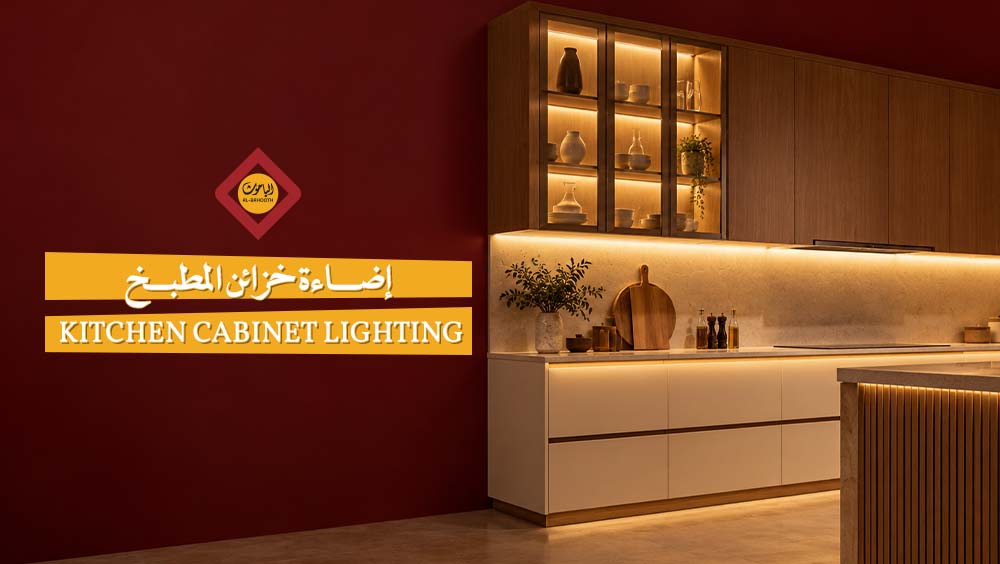
Many homeowners notice poor visibility while preparing meals on countertop work surfaces, or find it difficult to clearly view items stored inside cabinets and open shelves. This common issue makes the kitchen less functional and visually appealing. Under-cabinet LED lighting strips offer a popular solution for task lighting across countertops, while spotlights or mini puck lights inside cabinets and open shelving highlight displayed items and add decorative ambiance.
Selecting the right kitchen cabinet lighting depends on room layout, electrical wiring locations, required brightness and color temperature, cabinet types, and mounting methods. Cost varies based on overall fixture length, component quality, and finishing levels.
This guide explores the primary types of kitchen cabinet lighting, optimal placement strategies, key selection criteria, and cost factors to help you visualize the ideal setup before installation. If you are planning to build or renovate your kitchen, contact AL-Bahooth to discuss your custom cabinetry and integrated lighting requirements, and request a tailored quote for your project.
The Roles of Kitchen Cabinet Lighting
Kitchen cabinet lighting does far more than enhance aesthetics—it fulfills multiple practical functions simultaneously. It provides clear task illumination for meal prep, supplies warm ambient light, and highlights high-end cabinetry craftsmanship and materials. Each function relies on distinct fixture placements and optics, meaning a single lighting type rarely covers all needs effectively.
1. Task Lighting Above Preparation Surfaces
Fixtures mounted directly beneath upper wall cabinets play a crucial role in illuminating countertops. This form of kitchen cabinet lighting directs targeted light right where chopping, prepping, and food preparation take place.
- Placement: Installed on the underside of upper wall cabinets, directly facing the countertop.
- Function: Directs uniform light over prep, chopping, and cooking zones.
- Importance: Reduces total reliance on central ceiling lights, which often cast shadows over work surfaces when standing at the counter.
2. Ambient and Decorative Cabinet Lighting
Beyond functional tasks, lighting adds visual depth and elegance when used for decorative accenting. Placing light sources inside cabinets or along open shelves highlights contents and architectural surface textures, creating an organized, inviting atmosphere.
- In-Cabinet Lighting: Illuminates glassware, dinnerware, or display pieces inside solid or glass-front cabinets when doors open.
- Open-Shelf Accent Lighting: Casts a soft glow along open shelving surfaces and wall cladding.
- Ambient Backlighting: Adds subtle spatial depth without producing harsh glare.
How Light Is Distributed in the Kitchen
Before selecting specific kitchen cabinet lighting fixtures, step back to plan overall light distribution across the room. Proper planning ensures general room lighting, task illumination, and decorative accents complement one another seamlessly rather than functioning in isolation.
1. Layering General, Task, and Accent Lighting
A well-balanced kitchen lighting scheme combines three distinct layers:
- General Ambient Lighting: Provides baseline room illumination for general movement and daily activities.
- Task Lighting: Focused directly onto countertops to make food preparation safe and clear.
- Accent/Decorative Lighting: Integrated into cabinets or open shelves to add visual warmth and elegance.
Under-cabinet LED strips supply direct, continuous task light along countertops, while recessed spotlights integrated into soffits or ceiling drop-downs deliver focused ambient accents. Correctly positioning directional task light eliminates shadows on work surfaces, and incorporating dimmers allows effortless control over brightness levels throughout the day.
2. Fixture Distribution Based on Functional Zones
Determining fixture placement depends on specific architectural parameters rather than arbitrary choices:
- Countertop Length: Determines the total run of LED profile required for uniform coverage.
- Cabinet Depth and Height: Dictates the light beam angle and drop distance onto the work surface.
- Surface Finishes and Color: Darker or matte surfaces absorb light, while light-colored or glossy surfaces reflect it.
- Electrical Outlets and Power Supply Points: Dictate hidden driver/transformer placement and wiring paths.
- Kitchen Usage: Intensive daily cooking requires higher brightness levels than light occasional use.
At AL-Bahooth, through our dedicated fabrication unit at Qassim Furniture Factory, we incorporate these structural and electrical factors during custom cabinet manufacturing, ensuring balanced lighting integration tailored to your space.
Primary Types of Kitchen Cabinet Lighting
Choosing the right kitchen cabinet lighting fixture depends on its functional purpose, mounting location, and available power source. Evaluating technical fit ensures optimal performance across every area of the kitchen.
1. Under-Cabinet LED Strips
Under-cabinet LED linear strips are among the most popular choices for continuous countertop illumination. Key planning factors include ensuring uninterrupted light coverage across the entire counter length and concealing the LED strip inside recessed profiles so raw diodes remain hidden from view.
2. Cabinet Spotlights and Mini Puck Lights
Puck lights or mini spotlights provide focused accent lighting inside closed cabinets and open shelves. Unlike linear LED strips that cover broad spans, spotlights highlight specific display items or focal points within storage units.
3. Battery-Powered, Rechargeable, and Motion-Sensor Units
Surfaced-mounted, battery-operated, USB-rechargeable, and motion-activated puck lights offer flexible options for quick retrofits where concealed hardwiring is not available. Some feature automatic sensors that illuminate contents instantly upon opening doors or drawers.
While convenient for temporary upgrades, permanent build-outs benefit far more from fully hardwired, concealed LED profiles integrated during early cabinet manufacturing.
4. Comparing LED Strip Lights vs. Spotlights
- Linear LED Strip Lights:
- Distribution: Delivers smooth, continuous, line-of-light illumination along countertops or cabinet edges.
- Best Use: Primary task lighting beneath upper wall cabinets and long open shelves.
- Point Spotlights (Puck Lights):
- Distribution: Directs concentrated beams onto specific targeted spots.
- Best Use: Highlighting glass display cabinets, open shelving nooks, or decorative feature corners.
Whether renovating existing joinery or fitting out a new project, AL-Bahooth Furniture delivers integrated interior design and custom fabrication solutions that blend local craftsmanship with custom specifications. Contact us today to request a tailored project quote.
Optimal Placement for Kitchen Cabinet Lighting
Fixture placement determines overall efficiency. Every cabinet style and shelf configuration requires a tailored mounting location to avoid shadows or unwanted glare.
1. Under Upper Cabinets and Over Work Surfaces
Mounting LED profiles beneath upper wall cabinets provides direct task light over prep areas. Position the LED strip near the front-bottom lip of the cabinet facing downward to project light evenly across the work surface without shining back into user eyes.
2. Inside Cabinets and Drawers
Internal cabinet and drawer lighting makes searching for cookware or ingredients effortless. Motion-activated micro-sensors automatically trigger lights when doors or drawers open—a highly practical addition for deep drawer systems and pantry units.
3. Above Upper Cabinets and Along Open Shelving
Placing soft LED profiles on top of upper wall cabinets washes ceiling planes with indirect ambient light, making low ceilings feel higher. Integrated glass-shelf backlighting or channel-recessed strips underneath open timber shelves highlight displayed ceramics and wall textures beautifully.
To determine the ideal lighting locations for your kitchen layout, contact the specialist team at AL-Bahooth for a detailed consultation and customized pricing.
Technical Criteria for Selecting Kitchen Cabinet Lighting
Evaluating key technical metrics ensures your lighting choice provides comfortable, accurate, and long-lasting illumination across all work areas.
1. Illuminance Levels: Lux vs. Lumens
- Lumens: Measures the total light output emitted directly from the fixture.
- Lux: Measures the actual amount of light reaching a specific work surface area (1 Lux = 1 Lumen per square meter).
Relying solely on total lumens can be misleading, as actual countertop lux depends on fixture mounting height, beam angle, diffuser transparency, and surface reflectivity. Standard architectural guidelines recommend approximately 300 to 500 lux for comfortable, precise countertop task work.
2. Color Temperature (CCT) and Color Rendering Index (CRI)
- Color Temperature (Kelvin): Warm white (2700K–3000K) creates a cozy, inviting mood, whereas neutral white (~3500K–4000K) offers crisp clarity that suits modern kitchen finishes.
- Color Rendering Index (CRI): Select high CRI fixtures (CRI 90+) to ensure food ingredients, natural stone countertops, and cabinet finishes appear vivid and true to color.
3. Aluminum Channels, Diffusers, and Beam Angles
Installing LED tape inside recessed extruded aluminum channels topped with frosted acrylic diffusers softens raw diode hot-spots, distributes light evenly, and protects LEDs from cooking steam and grease buildup.
4. Matching LED Strips, Drivers, and Power Sources
Prior to final installation, verify:
- Lumens and Kelvin ratings match overall interior design goals.
- Beam angles provide full countertop coverage without glare.
- Mounting profiles fit cabinet base construction seamlessly.
- Voltage, wattage, and strip length match transformer/driver capacity.
- Drivers are installed in accessible, ventilated locations for future maintenance.
Frequently Asked Questions
What is the best overall lighting setup for a kitchen?
The most effective approach combines layered lighting: general ceiling lights for ambient coverage, under-cabinet linear LED strips for focused task work, and accent puck lights inside display glass units or open shelves. Contact AL-Bahooth to discuss custom cabinet layouts integrated with seamless built-in lighting.
Are under-cabinet LED strips enough to illuminate countertops?
Yes, under-cabinet LED strips offer excellent task lighting across countertops. However, total sufficiency depends on proper profile placement, fixture brightness (lumens/meter), counter length, and ambient room light levels. Our design team can evaluate your kitchen layout to ensure complete, shadow-free coverage.
How much does under-cabinet LED lighting cost?
The cost for under-cabinet LED lighting typically ranges between SAR 300 and SAR 1,000 for standard home installations, though final pricing varies based on overall length, driver specifications, channel quality, and custom integration requirements. For an accurate quote tailored to your project, provide your layout details to AL-Bahooth.
Conclusion
Planning effective kitchen cabinet lighting involves a clear sequence: defining your functional requirements (task vs. accent), identifying key mounting positions, selecting appropriate LED profiles and color temperatures, and specifying proper power drivers.
For homeowners and commercial clients seeking tailored kitchen joinery, AL-Bahooth Furniture offers comprehensive design, custom manufacturing through Qassim Furniture Factory, and professional installation. Contact AL-Bahooth via our official channels to share your project dimensions and request a detailed, customized quotation.