Large bedrooms Ideas for Maximum Comfort and Style
In modern interior design, large bedrooms have become more than just sleeping areas — they are opportunities for expression, comfort, and creativity.
Makaseb
January 20, 2026 at 7:56 pm AST
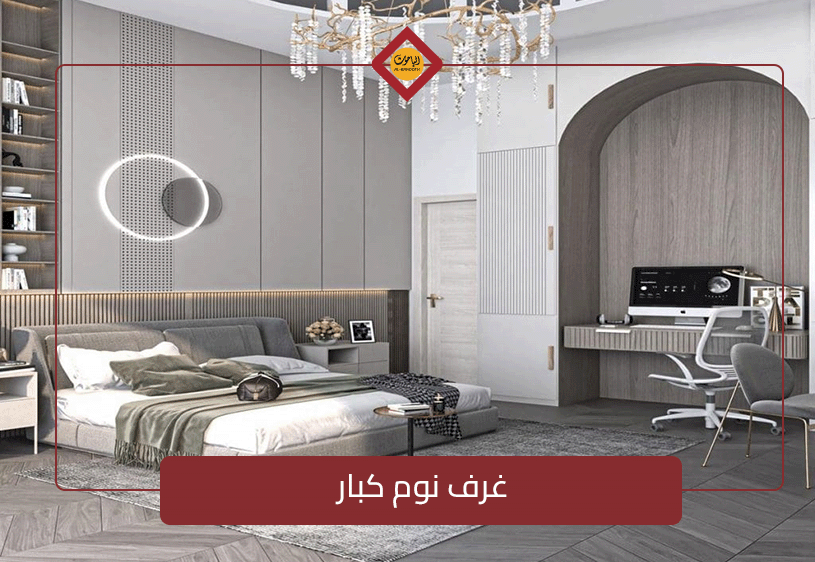
In modern interior design, large bedrooms have become more than just sleeping areas — they are opportunities for expression, comfort, and creativity. The generous space allows homeowners to design a room that balances relaxation with function, blending aesthetics and lifestyle seamlessly. Every corner can serve a purpose — whether it’s a cozy reading nook, an elegant dressing area, or a personal retreat infused with calm and style.
What Defines a Large Bedroom?
A large bedroom stands out through its generous dimensions, sense of openness, and thoughtful layout that goes beyond mere measurements. Traditionally, such a room exceeds 200 square feet (approximately 19 square meters), offering more than enough room for sleeping, relaxing, dressing, and even working. High or vaulted ceilings further enhance its spacious feel, as does easy accessibility to an en suite bathroom or adjacent dressing area. In modern usage, the term “primary bedroom” has gradually replaced “master bedroom,” reflecting more inclusive language and a focus on comfort and functionality rather than hierarchy.
What is considered large?
While small and standard bedrooms are primarily designed for basic rest, large bedrooms offer a holistic living experience. They comfortably accommodate a larger bed, additional furniture, and sometimes designated zones such as a reading corner or lounge area. The presence of a walk-in closet and a private en suite bathroom usually signifies a truly large and well-appointed bedroom.
Typical measurements?
Typical large bedrooms differ depending on architectural trends and cultural context. In contemporary homes, their size generally ranges from 200 to 400 square feet (19 to 37 square meters). In regions such as Saudi Arabia, generous floor plans often result in primary bedrooms that include extensive wardrobe space and luxurious attached bathrooms. Internationally, the average large bedroom may be slightly smaller, reflecting variations in building styles and land availability.
Common examples include:
- Around 200–250 sq. ft. (19–23 m²) in modern urban homes.
- Up to 300–400 sq. ft. (28–37 m²) in high-end or suburban residences.
- Larger layouts often incorporate extra seating areas or integrated workspaces.
How does layout matter?
A large bedroom is not defined by area alone but by proportion and flow. A well-planned layout maintains balance between furniture, circulation, and natural light. Strategic placement of windows, doors, and structural elements ensures comfort and aesthetic harmony. Whether it includes a separate sitting zone, an open-plan dressing space, or a private lounge, the spatial arrangement determines how “large” the room truly feels in daily use.
What Are the Key Features of Large Bedrooms?
Large bedrooms benefit most from modern design styles that emphasize balance and spaciousness. Clean architectural lines, minimal decoration, and functional furniture create a sense of calm and elegance. Modular or built‑in pieces, such as headboards with integrated storage or wall‑mounted nightstands, maintain visual continuity and free up movement space. The integration of seamless technology—like smart lighting systems or automated curtains—enhances both comfort and efficiency without interrupting the room’s refined look.
Examples include a minimalist suite with a low platform bed framed by sleek panels, or a contemporary space combining warm wooden floors with subdued lighting accents and concealed storage.
Best colors and materials?
Color plays a key role in defining the atmosphere of large bedrooms. Neutral tones such as white, gray, and beige form a serene base that visually expands the area. Soft pastel shades add a gentle layer of personality while preserving the calm aesthetic. Materials should harmonize modern finishes with organic warmth to maintain balance and comfort.
- Use natural wood or leather elements to introduce warmth and tactile depth.
- Combine glass and metal accents to reflect light and enhance modern elegance.
- Favor matte finishes on walls for a soothing effect, contrasting with glossy surfaces on furniture or decor.
- Keep textiles—curtains, rugs, and bedding—in muted tones that complement the main palette.
How to maximize light?
Proper lighting design is essential to highlight the spaciousness and mood of large bedrooms. Natural light should be the foundation, extended by smart layering of artificial sources to create depth and flexibility.
Steps to enhance both natural and artificial lighting:
- Install large windows or sliding glass doors to invite abundant daylight and connect the interior with outdoor views.
- Use mirrors strategically opposite windows or light fixtures to multiply brightness and add dimension.
- Adopt layered lighting—mix ceiling LEDs, soft wall sconces, and adjustable floor lamps to tailor illumination for reading, relaxation, or ambiance.
- Incorporate smart lighting systems to control intensity and color temperature conveniently through digital devices.
How to organize storage?
Efficient storage preserves the openness of large bedrooms and prevents clutter from breaking visual flow.
- Built‑in wardrobes—blend with the wall design, maximizing capacity while keeping a streamlined appearance.
- Under‑bed drawers—make use of hidden space for storing linens or seasonal clothing without crowding the room.
- Floating shelves—offer light visual weight and functional display surfaces for books or decor.
- Custom cabinetry—adapted to individual needs, providing tailored organization for accessories, shoes, and personal items.
Keeping surfaces tidy and maintaining a balance between open negative space and meaningful furniture placement ensures the room feels comfortable, coherent, and visually harmonious.
How to Achieve Comfort and Luxury in Large Bedrooms?
Achieving a hotel-like ambiance in large bedrooms lies in the delicate balance between comfort and luxury. Statement pieces such as abstract artwork or designer lighting serve as focal points that instantly elevate the aesthetic feel. Combining these with plush, oversized mattresses and premium bedding creates an indulgent sleeping experience that rivals a five-star suite. Soft textures, layered fabrics, and subtle lighting transitions bring a sense of relaxation that is both refined and intimate.
For instance, Large bedrooms project demonstrates how thoughtful design elements—like velvet headboards, sculptural lamps, and coordinated neutral tones—can transform a large bedroom into a sanctuary of comfort infused with tasteful opulence.
How to maintain a cozy atmosphere?
Even with generous space, a large bedroom can easily feel cold or impersonal. Maintaining coziness depends on layered warmth and visual balance. Use soft textiles such as throws, cushions, and upholstered seating to introduce tactile comfort. Ambient lighting, including wall sconces and dimmable lamps, creates a warm glow that adds a sense of intimacy. Small seating nooks by windows or corners allow you to enjoy a cup of coffee or read, giving life to otherwise unused areas while preserving an inviting mood.
What is negative space?
Negative space refers to the strategic use of empty areas within a room’s layout. In large bedrooms, leaving certain zones open prevents overcrowding and allows the eyes to rest. This sense of visual breathing space enhances relaxation and accentuates the beauty of the key décor elements. When used thoughtfully, negative space turns simplicity into elegance and order into comfort.
Tips for balancing furniture?
- Start with a neutral color palette to provide harmony and a timeless backdrop for accent pieces.
- Add accent items—such as a distinctive chair, sculptural lamp, or vibrant cushions—to express personality without excessive clutter.
- Use area rugs or screens to define separate zones for sleeping, seating, or reading, ensuring that each space serves its function with clarity.
- Keep furniture proportionate to the room’s scale so that large pieces feel intentional rather than overwhelming.
These steps help maintain equilibrium between open space and functional design, ensuring that large bedrooms remain both luxurious and welcoming.
How to Style and Furnish Large Bedrooms?
Designing large bedrooms may seem easier with the extra space, yet it requires intentional selection of furniture that serves both functionality and style. Multi-purpose pieces allow for visual balance while keeping the room practical. For instance, beds with built-in storage maximize space efficiency and keep essentials neatly tucked away. Modular sofas can adapt to different arrangements, making it easy to rearrange seating for relaxation or reading areas. Similarly, benches with drawers offer an elegant touch at the foot of the bed while providing hidden storage. Customized wardrobes, tailored to the ceiling height and wall layout, add cohesion and order without crowding the room.
How to zone a space?
Dividing a large bedroom into functional areas creates structure and comfort without closing off the open feel of the room. To achieve this:
- Use area rugs to visually separate the sleeping zone from the sitting or reading corner while adding texture and warmth.
- Add decorative screens or room dividers to create privacy around the dressing or work nook without blocking light.
- Incorporate open shelving units that act as subtle boundaries while offering display or storage opportunities.
Each zone gains purpose and intimacy, making the large layout feel more balanced and inviting.
Which décor accents to choose?
Décor accents in spacious bedrooms should enrich the atmosphere while maintaining a sense of airiness. Large walls can benefit from art pieces that add personality and focal interest, while mirrors enhance natural light and expand visual depth. Including indoor plants brings life and softness to the overall design. Finally, statement lighting—such as sculptural chandeliers or layered lamps—provides warmth and visual rhythm across the zones.
- Select bold artworks that match the color palette without overwhelming the walls.
- Place mirrors opposite windows to reflect brightness and create a sense of openness.
- Introduce greenery in sleek pots to balance formality with freshness.
- Use layered lighting to emphasize different moods and functions throughout the room.
Role of custom-made pieces?
Custom-made furniture plays a vital role in maximizing both form and function within large bedrooms. Pieces designed to exact dimensions ensure a seamless fit for unconventional layouts and allow personalization according to aesthetic preferences. They can also integrate smart home technology, from lighting control to hidden charging systems, enhancing modern comfort. Al-Bahouth Furniture provides a complete custom manufacturing service—from design consultation to final installation—ensuring every element complements the room’s architecture and reflects each client’s vision.
What Are the Latest Trends for 2026 in Large Bedrooms?
- Integrated smart lighting systems have become a distinctive feature, allowing control of brightness and color through apps or voice commands for a personalized atmosphere in large bedrooms.
- LED fixtures dominate the scene thanks to their energy efficiency and ability to create layered lighting that highlights architectural details.
- Designers are embracing statement ceiling and wall lights, turning them into sculptural focal points that add character to spacious rooms.
- Indirect and mood lighting is increasingly used to create a soft, calming glow that enhances relaxation and comfort.
- To make the most of natural light, many homes now rely on automated blinds that adjust throughout the day for optimal daylight and energy savings.
How is sustainability addressed?
Sustainability remains central to 2026 designs for large bedrooms. The focus is on eco-friendly materials that combine aesthetics with responsibility — such as sustainably sourced wood and natural fibers. Energy-saving technologies play a vital role as well, with efficient insulation, LED lighting, and smart climate control systems reducing environmental impact. These choices not only conserve resources but also enhance the overall comfort and long-term value of the space.
What about flexible living?
The concept of flexible living reshapes how large bedrooms function. Instead of a fixed layout, furniture and partitions can be moved or reconfigured, allowing the same space to shift between rest, work, and relaxation zones. Technology further enhances this adaptability, with multi-use smart features like fold-away desks, hidden storage, and adjustable lighting scenes for different activities. This trend reflects the growing need for interiors that adjust to daily routines while maintaining comfort and elegance.
What Services Help You Create the Best Large Bedroom?
When collaborating with providers such as Al‑Bahouth to design large bedrooms, the process begins with a personalized consultation. The team listens to your requirements, takes detailed measurements, and translates your ideas into a functional concept that perfectly fits the space and your aesthetic preferences.
Steps of the custom design process:
- Initial consultation: The design team gathers your needs, space dimensions, and stylistic preferences.
- 3D modeling: Digital renderings bring the concept to life, allowing you to visualize colors, furniture layouts, and finishes.
- Client approval: You review and approve every detail, ensuring the design aligns with your expectations.
- Precision production: Once approved, manufacturing starts according to the agreed specifications and measurements.
What materials ensure durability?
To guarantee both elegance and strength, large bedroom furniture is crafted from European chipboard known for its density and stability. This base is coated with resilient finishes that resist scratches and fading, maintaining a refined appearance over time. The structure is complemented with German hardware—advanced hinges and sliders engineered for smooth function and extended longevity. These components together ensure that your large bedroom not only looks sophisticated but also endures daily use gracefully.
How fast is production and installation?
- From design approval to delivery, production typically takes 7–10 working days.
- Afterward, a specialized team handles professional in‑home installation, ensuring precise fitting and seamless integration of every element.
What guarantees are offered?
Clients enjoy a comprehensive warranty covering manufacturing defects, supported by attentive after‑sales service. The provider remains available for adjustments or support, ensuring your large bedroom continues to meet your expectations long after installation.
How to personalize your space?
Personalization is at the heart of crafting a truly large and distinctive bedroom. You can share inspiration images, mood boards, or even hand‑drawn sketches, which the designers translate into custom pieces matching your taste and the room’s proportions.
For example, if you send a photo of a Scandinavian‑inspired wardrobe, the team can recreate its clean lines and minimal hardware while adapting dimensions to fit a wider wall, making it uniquely yours.
Frequently Asked Questions About Large Bedrooms
What is a large bedroom called?
The term “primary bedroom” is now widely used to describe the largest bedroom in a home. This modern name emphasizes the room’s central role as a private retreat while moving toward more inclusive language that reflects contemporary design and social values.
What is a large bedroom size?
A large bedroom generally starts at around 200 square feet (19 مترًا مربعًا), providing enough space to incorporate various zones beyond the sleeping area. In luxury homes and newer constructions, these rooms can exceed 300 square feet, offering ample room for sitting areas, dressing spaces, and additional furniture arrangements.
Is a 10 by 10 bedroom big?
A 10×10-foot bedroom, equivalent to about 100 square feet, is generally considered small or standard in size. Compared to large bedrooms—which are typically double or more in area—it provides limited flexibility for additional zones such as seating or storage arrangements.
Conclusion
Large bedrooms stand as a perfect space where functionality meets elegance. Their generous layout allows for a balanced combination of comfort, sophistication, and personal style. Whether used as a peaceful retreat or as a multi‑purpose living zone, these rooms provide endless opportunities to design an environment that enhances daily living while reflecting individual character.