Manufacturing a wooden desk
Manufacturing a wooden desk is an important step toward obtaining a functional and elegant piece of furniture that meets your daily needs.
Makaseb
April 13, 2025 at 3:38 pm AST
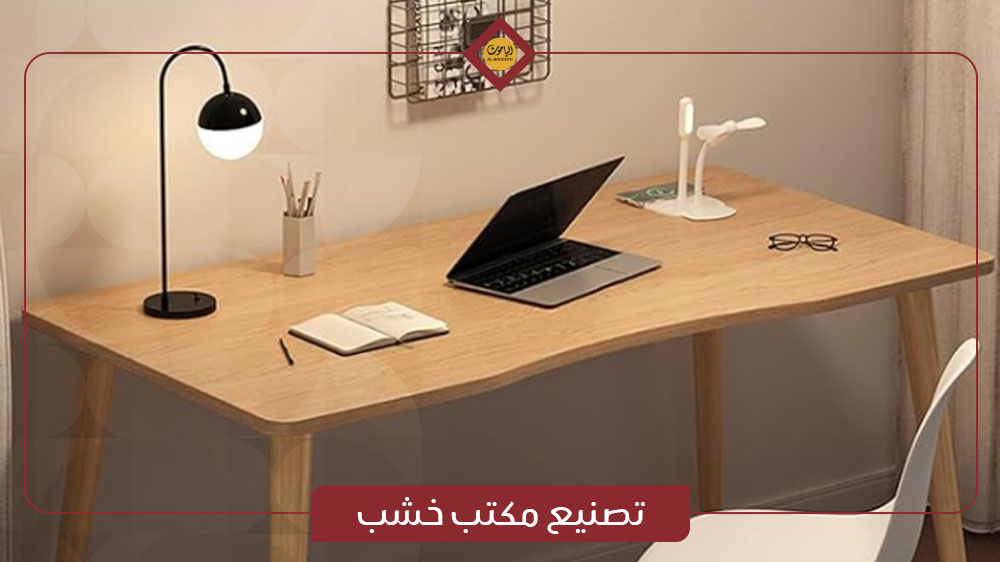
Manufacturing a wooden desk is an important step toward obtaining a functional and elegant piece of furniture that meets your daily needs. The success of the manufacturing process relies on selecting the right type of wood, utilizing correct assembly techniques, and providing continuous care to ensure durability and quality. Whether you want to design a home office desk for work or a study desk for children, using the appropriate materials and following the right methods will guarantee a long-lasting desk with a stylish and practical appearance.
Types of Wood Suitable for Manufacturing a Wooden Desk
When choosing the right wood for crafting a wooden desk, quality, durability, and ease of shaping must be considered. There are various suitable types of wood available, including:
- Oak: Known for its high durability and ability to withstand heavy use, making it ideal for practical desks. It is resistant to scratches and moisture, helping maintain its quality over long periods. It is available in various shades ranging from light to dark, making it suitable for diverse designs.
- Walnut: Features a rich color and elegant natural grain that adds a touch of luxury to the desk. Known for its exceptional strength, it is an ideal choice for long-lasting, high-end desks. It offers good resistance to wear and tear, though it may come at a higher cost than other options.
- Mahogany: Used in crafting luxury classic desks due to its distinctive dark color and high durability. It boasts a smooth surface and excellent workability, making it well-suited for sophisticated designs. It is also resistant to wear and moisture, which extends its lifespan and makes it one of the best choices for custom wooden desks.
- Beech: Characterized by its light color and uniform grain, making it an ideal choice for modern desk designs. It offers good load-bearing capacity but requires treatment to protect it from moisture and wear. Its high workability allows for the creation of versatile desk styles.
- Pine: A lightweight and easily workable wood, making it suitable for simple desks. It features a light color and absorbs paint easily, allowing for a wide variety of colors and finishes. However, it is less dense than hardwoods, leaving it more susceptible to scratches and wear over time.
- Plywood: Consists of multiple layers of compressed wood veneers, providing added durability and strength. It is relatively lightweight compared to solid wood, making it a practical and easily transportable option. It resists warping and cracking, though it may require a quality finish to protect against moisture.
- MDF (Medium Density Fiberboard): Manufactured from compressed wood fibers bound with adhesives, making it an economical option for modern desks. It features a smooth surface that is easy to paint, though it is less water-resistant and durable than solid natural wood. It is frequently used in contemporary desk designs requiring easy cutting and shaping.
- Particle Board: Made from compressed wood scraps bonded with resin, making it a low-cost, lightweight choice used in budget-friendly desks. However, it is less durable than other wood types and prone to damage. Its surface requires coverage with melamine or laminate to protect against moisture and wear.
If you are looking for a custom wooden desk crafted to your specific design and personal needs, we recommend partnering with us at Bahooth. As specialists in custom furniture manufacturing, contact us today to access our services.
Desk Assembly Methods to Ensure Durability and Stability
During the manufacturing process, specific steps and guidelines are followed to securely assemble the desk:
- Using Heavy-Duty Metal Screws: Securing components with strong metal screws is far safer than standard nails, as they offer superior holding power. Long, rust-resistant screws are preferred for long-term stability, and they can be further reinforced with wood glue.
- Adding Metal Brackets and Angle Braces: Metal brackets help reinforce structural integrity and prevent swaying during use. Installing them at the inner corners where the legs meet the desktop distributes weight evenly. Choosing rust-resistant brackets ensures long-term performance.
- Applying Wood Glue: Wood glue is one of the most critical materials for joining components securely, especially when assembling wooden panels. Applying a thin layer of glue to contact surfaces before driving screws enhances bond strength and prevents joints from loosening over time.
- Securing the Desk Legs: Desk legs must be firmly attached using long, heavy-duty screws, with structural mounting plates added beneath the legs if necessary. Legs should be positioned at precise right angles to maintain balance and prevent wobbling or leaning.
- Utilizing Concealed Fasteners: Fasteners such as pocket screws or cam lock systems offer a clean, seamless look without compromising strength. These techniques secure the panels while keeping the desktop surface neat and free of gaps that could compromise structural integrity.
- Reinforcing the Desktop: To prevent the desktop from sagging over time—especially on larger desks—under-desk wooden support rails can be added. These aprons help distribute weight evenly and prevent bowing or cracking under heavy loads.
- Ensuring Level Placement: To guarantee stability and eliminate shaking, the desk must be placed on a level surface. Any unevenness can be corrected using adjustable leveling feet. Rubber pads can also be attached underneath the legs to prevent slipping and protect flooring from scratches.
Tips for Maintaining a Wooden Desk and Extending Its Lifespan
To preserve your desk and maximize its lifespan after manufacturing, follow these essential maintenance steps:
- Regular Cleaning: Wipe the surface with a soft, slightly damp cloth to remove dust and dirt. Use specialized wood cleaners rather than harsh chemical cleansers, which can damage the finish or discolor the wood over time.
- Moisture Protection: Water negatively affects wood, causing it to swell or crack. Avoid placing water glasses or hot beverages directly on the desk; use coasters to protect the surface from stains and moisture damage.
- Using Wood Polish: Wood polish helps maintain the desk's luster and protects it from surface scratches. Formulations containing natural oils, such as lemon or almond oil, are recommended to prevent the wood from drying out and cracking.
- Sunlight Protection: Direct, intense sunlight can fade wood color over time. Position the desk away from direct window exposure or use blinds to shield it from harmful UV rays.
- Using Desk Coverings and Pads: To protect the surface from daily wear and tear, use a desk mat or blotter. Rubber protective feet should be placed under heavy equipment, such as computers, to prevent direct pressure marks on the wood.
- Protecting the Surface During Writing: When writing with ballpoint pens or sharp implements, place a pad or paper holder underneath to prevent indentations and scratches on the desktop surface.
- Promptly Repairing Minor Damage: If minor scratches or chips appear, use wood filler to repair them quickly before they worsen. The surface can also be buffed with furniture wax to conceal minor blemishes and restore its original finish.
- Avoiding Excessive Weight: Avoid placing excessively heavy loads on the desk, particularly if it is constructed from engineered wood. Distribute weight evenly across the surface and avoid leaving heavy items in a single spot for extended periods to prevent warping or structural strain.
Manufacturing a wooden desk is an excellent investment in obtaining a durable, functional, and timeless piece of furniture. By selecting the appropriate wood, applying proper assembly techniques, and maintaining regular care, you can ensure your desk remains in peak condition for years to come.

