Manufacturing seats for theaters and large halls
The process of manufacturing theater and auditorium seats begins with selecting robust metal frames that form the sturdy base of the chair, followed by the addition of layers of high-density foam to ensure comfort during extended use.
Makaseb
May 10, 2026 at 11:33 am AST
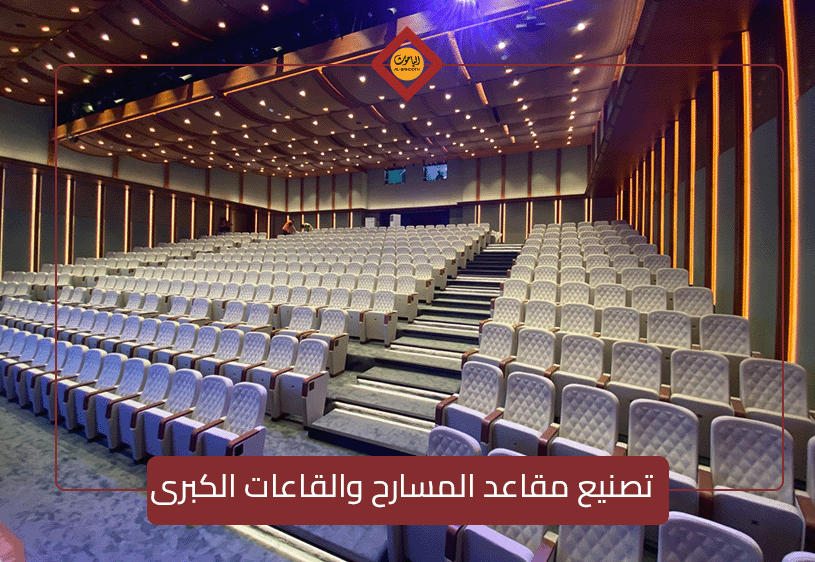
The process of manufacturing theater and auditorium seats begins with selecting robust metal frames that form the sturdy base of the chair, followed by the addition of layers of high-density foam to ensure comfort during extended use. The seats are then covered with fire-resistant fabrics or synthetic leather, with precise measurements balancing comfort, space, and engineering safety standards. These meticulous stages aim to produce strong, functional chairs that meet the demands of major events like theaters, conferences, and cultural centers.
Al-Bahouth Factory is committed to applying the highest quality standards throughout the production stages of theater seats, from selecting materials that meet international specifications to designing customized solutions for each project to ensure optimal performance and a long service life. The focus on seat durability, suitability for intensive use, and adherence to comfort and safety standards makes manufacturing seats for major events and designing modern conference chairs a comprehensive process that requires precise engineering expertise. You can contact Al-Bahouth Factory's team for specialized consultation or to request a quote that suits your specific needs in auditorium and theater seating projects.
Best Manufacturing of Theater and Auditorium Seats
Al-Bahouth Factory Seats
Al-Bahouth Factory is recognized as one of the leading manufacturers specializing in theater and auditorium seating in Saudi Arabia. The factory combines technical expertise, quality materials, and customized design, taking into account the finest details of comfort and safety. The factory's operations rely on global engineering standards that ensure durability and sustainability, and it offers a comprehensive support system, from design to installation and regular maintenance of seats in major projects.
Al-Bahouth Factory seats feature solid steel frames coated with corrosion-resistant paint, enhancing their ability to withstand years of continuous use. The seats are equipped with high-density foam cushions for optimal comfort during long sitting periods, and they are covered with fire-resistant fabrics or synthetic leather, meeting international standards like NFPA 701.
The designs are customized to offer optimal space utilization while maintaining appropriate distances between rows. The factory offers multiple options, including fixed and movable seats, along with special solutions for people with disabilities to ensure ease of access and use, with a clear focus on aesthetics and modern details. You can explore more seat designs and specifications on the factory's website.
What Are the Key Steps in Seat Manufacturing?
How Are Materials Selected?
The material selection stage is one of the most crucial in manufacturing theater and auditorium seats, as it determines the final product’s quality, durability, and lifespan. Materials are selected based on the hall's usage, audience type, and maintenance requirements.
Steel is used to form the seat's frame to ensure stability and resistance to heavy loads, while aluminum is chosen in some cases to reduce weight without compromising strength. High-density polyurethane foam cushions are used to provide comfort during long periods of sitting and prevent distortion with repeated use.
Fabrics resistant to wear and fire or easy-to-clean synthetic leathers are preferred to ensure a refreshed appearance and user safety. During the finishing stage, corrosion-resistant paint is applied to the metal frame, and color coordination is done to match the hall’s interior design.
What Are the Engineering Design Standards?
The design of theater and auditorium seats follows a set of precise specifications that balance comfort and safety. The angle of recline between the seat and backrest is usually adjusted between 100 and 110 degrees to support the back comfortably. Leg space and stability for easy movement and access are also considered, along with allocating 0.75 square meters per user, according to engineering studies. These standards ensure that the seats align with hall seating specifications and contribute to comfortable long-term use.
How Does the Factory Ensure Quality and Safety?
During the production of theater seats, strict quality and safety tests are conducted based on international standards. These tests include applying ASTM specifications that measure resistance to collapse under dynamic loads and the number of sitting and standing cycles of the foam used. The product is also checked for compliance with ISO 7174 requirements for public seating, and fire resistance certifications for fabrics and components are obtained to ensure the highest levels of safety and durability before shipping and installing the seats at their final location.
What Types of Seats Are Suitable for Major Events?
Fixed vs. Movable Seats
There are various types of seats for large halls depending on the usage and the event. Fixed seats are permanently attached to the floor and are typically used in theaters and exhibition halls with a permanent setup, where row stability is required to ensure balanced visual and audio distribution. On the other hand, movable or folding seats offer more flexibility, as they can be moved aside or folded to provide additional space when needed. These are often placed along the hall’s edges to facilitate movement and comply with emergency evacuation standards, making them an essential part of modern event seat designs.
Seats for People with Disabilities
Seats for people with disabilities are an essential element in any theater and auditorium seating manufacturing project. These seats are typically installed near the side aisles to facilitate easy entry and exit from the hall. Special attention is given to providing extra space or double arches around the seat to allow greater freedom of movement, ensuring the design integrates seamlessly with safety requirements and ease of access for all users.
Design Differences Between Theaters and Conferences
The design of seating in large halls varies according to the type of event. In theaters, the layout depends on rows with a gradual incline between 10 and 12 cm, allowing a clear and balanced view for all attendees. Conference halls, however, focus on increasing the number of seats in close rows while maintaining adequate aisle width to ensure easy movement. This design distinction reflects the difference in purpose, with theaters requiring a centralized view and performance, and conferences prioritizing audience density and practical organization.
What Are the Engineering and International Standards for Auditorium Seat Manufacturing?
Seat Distribution and Spacing Standards
The standards for seat distribution in large halls are based on precise engineering principles designed to ensure comfort and easy movement. Each user is allocated about 0.75 square meters, which includes the seat and surrounding aisles. The main aisle should not be less than 90 cm wide, and it is preferable to have a width of 1.20 meters for smooth entry and exit.
The difference in height between rows ranges from 10 to 12 cm to ensure a clear view for all attendees. The distance between the back of the seat and the one in front should be no less than 40 cm to guarantee comfort and legroom.
The seating distribution must also allow for easy evacuation in emergency situations without crowding or obstacles.
Quality and Durability Testing
The quality of auditorium seats follows strict international standards to verify their durability and suitability for repeated use. Key tests include ASTM F1487 and ISO 7174, which measure the seat’s resistance to collapse and stability under repeated pressure. Random samples from production lines are tested for field inspection to ensure consistent performance and durability in every manufacturing batch. These international seat tests are essential for ensuring product sustainability and the confidence of operating entities.
Safety Standards
The safety specifications for theater seating require the seats to meet fire resistance standards according to NFPA 701 to ensure that flames do not spread through fabric or plastic components. Designs must also support fast evacuation, with no sharp angles or blockages that hinder flow. Protective handrails are added on inclines with a slope of over 30 degrees to ensure user safety during movement. These precautions make safety a fundamental criterion in every stage of seat manufacturing and installation.
What Are Common Errors and Failure Points in Seat Installation?
Stability and Installation Issues
One of the most common installation errors is inadequate fixing of the seats to the metal base or neglecting to anchor them securely to the floor, which leads to seat wobbling or tilting over time. Failing to align the angles of the seats with the rows causes misalignment and affects the overall appearance of the seating arrangement. Sometimes lightweight or thin armrests are used that cannot withstand long-term use, increasing the likelihood of failure in installation and damage to side parts.
Misestimating Space and View
Poor estimation of row spacing is one of the major causes of seating issues, leading to narrow aisles and difficulty in movement between seats. Failing to study the height difference between rows obstructs the view for users in the back rows, reducing comfort during the viewing experience in theaters or large halls. Lack of careful planning makes the seating arrangement impractical, even if the materials used are good.
Negative Aspects of Foam or Upholstery Quality
Choosing low-density foam negatively impacts sitting comfort and seat durability. Over time, the seat loses its shape, and vibrations or wear appear in the cushions, especially with heavy use. Weak fabrics or those not resistant to friction wear out quickly, resulting in visible deformation of the overall appearance. These mistakes in choosing upholstery materials are among the main reasons for poor seat quality in theaters and auditoriums, even when the engineering design is accurate.
Comparison Between Locally Manufactured and Imported Seats
Manufacturing and Finishing Quality
Locally manufactured seats, such as those produced by Al-Bahouth Factory, are known for their notable quality in metal frames and precision in the finishing stages. They are made according to ASTM and ISO standards, ensuring long-term durability and comfort. These standards make Saudi-made theater seats competitive with imported ones in terms of appearance and performance, with greater attention to environmental conditions and large hall requirements.
User Experience and Local Support
Local manufacturing offers a distinct advantage in user experience, particularly in terms of maintenance and after-sales service. Local support means quick response times for repairs and the ability to customize seating according to hall space or usage type, offering greater flexibility in new projects or renovations. Imported seats, while offering a range of designs, often lack availability of parts and installation services in some regions, weakening the customer experience compared to quick and direct local support.
Cost and Operational Lifespan
Regarding cost, locally manufactured theater seats are typically lower in overall expenses, as shipping and international installation costs are avoided. Additionally, the availability of rapid maintenance and spare parts extends the operational life of locally made seats compared to imported ones, which may suffer from delayed support or higher repair costs. As such, local seats become a practical choice, combining quality with sustainable use in large halls.
Key Facts and Important Tips Before Purchasing or Manufacturing Seats
How to Determine the Ideal Space
When planning to furnish a hall with seating, the available space must be accurately determined to ensure optimal use of every square meter. The number of seats depends on the hall’s size, the need for safe aisles for easy public movement, and consideration of sightlines and aisle safety. Adhering to the approved design documentation that defines dimensions and seat spacing ensures an ideal balance between density, comfort, and emergency evacuation safety in the hall. This careful planning guarantees a comfortable and safe experience for the audience throughout the hall's events.
Tips for Choosing the Right Materials
Choosing the right materials is essential in manufacturing theater and auditorium seats. It's recommended to use treated metal or wood frames that can withstand heavy use without warping or rusting. High-density foam should be used to maintain shape and support for long periods, and upholstery should be made from wear-resistant fabrics or easy-to-clean synthetic leather. Excellent materials reduce the need for regular maintenance and extend the operational lifespan of seats, especially in halls with daily use. Focusing on material quality is a direct investment in audience comfort and facility sustainability.
How to Ensure Long-Term Comfort
To achieve long-term comfort, designs should allow for good ventilation of the seat and reduce dust accumulation. Seats with double arches contribute to better leg and back support, reducing fatigue during prolonged sitting. It's also recommended to request quality certifications and perform durability tests before purchase to ensure seats meet the standards required in auditorium chair manufacturing. These steps guarantee comfort for the audience in the long term and enhance the product's reliability and efficiency for everyday use.