Marble furniture
Marble furniture stands out as one of the most enduring and valuable choices in interior design, naturally combining structural solidity with timeless aesthetic appeal.
Makaseb
July 13, 2026 at 5:42 pm AST
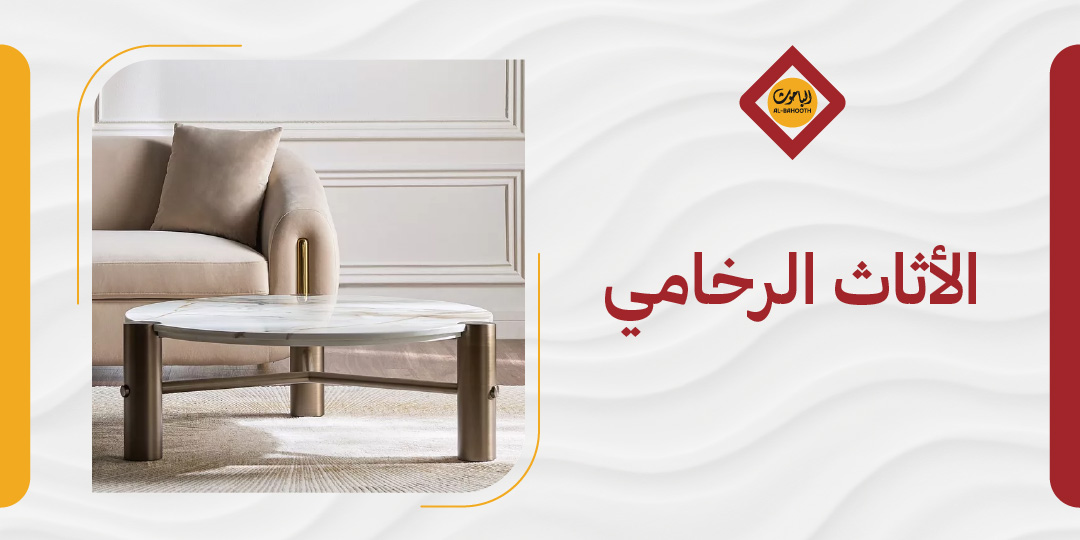
Marble furniture stands out as one of the most enduring and valuable choices in interior design, naturally combining structural solidity with timeless aesthetic appeal. Its cool, smooth surface and unique, non-replicable natural patterns elevate it into an artistic statement piece rather than just a functional household item. Anyone seeking marble furniture is ultimately looking for daily functional comfort paired with a luxurious visual touch built to last.
At the same time, acquiring marble furniture requires a careful choice from a reliable source that guarantees impeccable manufacturing quality and premium raw material selection. This is precisely what Bahooth Factory delivers through locally manufactured designs built to premium standards that suit modern tastes and environmental demands. Please visit the Bahooth Factory website to browse the available marble tables and accent pieces to select what perfectly graces your home.
Definition and Types of Marble Furniture
Marble is not merely a beautiful stone; rather, it is a metamorphic rock formed over millions of years under exceptional natural conditions. Today, this extraordinary material is used to craft exceptional pieces of marble furniture that seamlessly merge utility with high aesthetics. Understanding the origin and nature of marble helps in selecting the ideal piece for every environment and purpose.
1. How is Marble Naturally Formed?
Marble is a metamorphic rock born when limestone is subjected to immense pressure and intense heat deep within the earth's crust. Structurally, it is composed of calcite with a percentage exceeding 50%. During this transformation process, its grains interlock and solidify, granting it high durability and those distinct veins that never repeat across any two pieces.
The compressive strength that marble can withstand reaches up to 300 MPa depending on the type. This exceptional resistance makes it perfectly suited for marble tables, kitchen countertops, and other heavy-duty daily marble furniture applications.
2. What Are the Most Common Types Used in Furniture?
Various marble varieties are utilized in the furniture manufacturing industry, each differing in its geographical source and unique visual characteristics:
- Carrara Marble: Extracted from Italy, it features a stark white backdrop with soft gray veining. It is one of the most widely used types in classic marble table surfaces.
- Calacatta Marble: Characterized by bold, dramatic gold and white veining against a darker or richer background, giving marble furniture crafted from it a striking, show-stopping character.
- Statuario Marble: One of the purest and rarest types of natural marble, boasting fine veining and an intense white hue, heavily favored for premium pieces and luxury spaces.
3. The Differences Between Natural and Artificial Marble
Natural marble is a raw material extracted directly from mountains, then cut and polished without any structural alterations, making every single slab entirely unique in its veining and gradients. On the other hand, artificial (engineered) marble is produced by mixing crushed stone powder with resins and adhesives to form slabs with a completely uniform, homogenous appearance.
In the realm of marble furniture, natural marble is highly preferred by those who value uniqueness and visual depth, whereas artificial marble suits high-intensity usage areas due to its relative stain resistance and visual predictability. The final choice remains dependent on the nature of use and personal preference rather than an absolute superiority of one over the other.
Advantages of Using Marble Furniture
Marble furniture is not limited to being a mere aesthetic luxury; it bridges visual opulence with practical performance. Whether you are considering a marble table for your living room or a marble surface in the kitchen, the innate benefits of this material make it a long-term investment. At Bahooth Factory, pieces of marble furniture are manufactured to exacting standards that guarantee the highest tiers of quality and master craftsmanship.
1. What Distinguishes Marble Aesthetically?
The natural luxury of marble cannot be easily replicated by any synthetic material, which explains its perpetual presence in the finest interior spaces worldwide. The interlocking veins tracing across its surface are the result of millions of years of natural crystallization, making every item absolutely singular in its details.
The uniform luster achieved through professional polishing lends marble furniture a sophisticated finish that elevates the profile of any room, from reception halls to kitchens and bathrooms. Prominent examples include:
- Marble Tables: Serving as the visual focal point in living spaces, thanks to their rich color gradients and unique veining profiles.
- Marble Countertops: Transforming kitchen spaces with a premium look combined with an elevated sense of elegance.
- Marble Vanity Bases: Turning a highly functional bathroom area into a cohesive, high-end visual experience.
2. How Does Marble Excel in Durability?
The durability of marble surfaces is one of the primary reasons driving consumers toward making it a long-term addition to their homes. With proper care, routine cleaning, and periodic polishing, pieces of marble furniture retain their shape and original brilliance for decades. This means it is never bought for temporary use; instead, it is an heirloom passed down from generation to generation.
3. What is Its Resistance to Heat and Scratches?
Marble surfaces handle daily environmental factors with impressive capability, though there are subtle nuances worth noting. Naturally cool to the touch, natural marble surfaces easily withstand moderate heat—such as that from warm dishware—without sudden damage.
While marble furniture possesses an excellent capacity to endure daily structural pressure, it is slightly less hard than granite. Consequently, minor surface scratches can appear if the material is handled carelessly. Utilizing protective coasters and avoiding direct contact with sharp objects keeps the marble surface pristine for years.
Challenges and Disadvantages of Marble Furniture
Before making a final purchase decision, it is essential to be fully aware of the practical aspects of managing marble furniture. Understanding how this material behaves in a daily usage environment helps you anticipate its maintenance needs and avoid accidental damage, thereby extending the piece's lifespan and protecting its look.
1. Primary Maintenance Issues
Marble furniture requires more dedicated care compared to other materials. Because marble is naturally porous, it is susceptible to absorbing liquids if its surface is not treated with appropriate protective sealants. The maintenance of marble furniture requires a commitment to routine polishing and using protective covers when necessary to maintain its signature gloss and prevent fine, cumulative scratches over time.
2. The Impact of Acids and Cleaning Agents
One of the most common issues with marble is its chemical reaction to acidic substances. Marble surfaces are highly sensitive to everyday ingredients like lemon juice and vinegar, which are frequently found in standard household cleaners. This chemical interaction etches the stone, leading to surface dullness and a gradual loss of its original polish.
Similarly, specific daily liquids can leave noticeable stains on marble furniture if not addressed immediately:
- Coffee and Tea: Leave dark stains if allowed to pool on the surface for extended periods without being wiped away.
- Citrus Juices: Like orange juice, can quickly compromise the surface's protective sealant layer.
- Acidic Household Cleaners: Cleaners containing vinegar or harsh chemical acids inflict cumulative, irreversible damage on the surface with repeated use.
To preserve marble furniture, it is highly recommended to stick exclusively to specialized pH-neutral marble cleaners and wipe up any accidental spills immediately.
3. Weight and Transportation Challenges
Massive weight is a highly practical factor that must be taken into calculation when selecting marble furniture. Large items like dining tables and substantial credenzas are inherently heavy, making moving or rearranging them within a home require extra physical effort, often necessitating multiple people. This does not mean avoiding marble, but rather underscores the importance of carefully planning and choosing the right spot for the piece from the very start.
How to Choose the Right Marble Furniture
Investing in marble furniture is a long-term commitment; therefore, your purchasing decision should be built upon clear structural criteria rather than visual first impressions alone. From the smoothness of the slab to the stability of the base, every detail dictates the lifespan and daily performance of the item in your home.
1. Key Criteria to Inspect
Before purchasing any piece of marble furniture, it is vital to evaluate several quality indicators:
- Surface Smoothness: Pass your hand over the surface of the slab to check for any roughness or irregular bumps.
- Slab Levelness: The slab must be perfectly flat, completely free of any warping, bowing, or angular deviations.
- Edge Precision: Accurately polished and beveled edges directly reflect the level of manufacturing care.
- Polish Quality: A premium polish ensures an even, consistent luster across the entire slab, shielding it against heavy use.
- Slab Thickness: Adequate thickness provides structural integrity and minimizes the probability of fracturing under load.
- Joint Alignment: Any visible gaps or misalignments at the joints point to deficiencies in the factory assembly process.
2. Identifying Premium Quality Slabs
When choosing the right piece, it is highly recommended to examine the stone slab under bright, direct lighting to detect any hairline fractures or surface blemishes that might remain hidden in dim environments. High-quality marble features a well-balanced distribution of veins and consistent color transitions that do not break abruptly, reflecting excellent quarrying and treatment standards. Furthermore, prioritize marble furniture that has undergone a professional stone impregnation process to guarantee enhanced stain resistance during daily use.
3. Optimal Thickness and Bases for Marble Tables
A great marble table does not rely solely on the quality of the stone slab; it equally requires a structural base capable of bearing its immense weight. The standard acceptable thickness for tabletop slabs typically ranges between 3 to 4 centimeters to deliver excellent rigidity without adding redundant weight.
The base—whether crafted from heavy-duty metal or premium solid wood—must be robust and perfectly balanced to distribute the heavy weight of the marble furniture evenly, eliminating any wobbling or tilting during use.
Conclusion
Marble furniture is far more than a mere decorative addition; it is a solid investment decision built to last for generations. It seamlessly balances a durability that defies time with sophisticated aesthetics that elevate the equity of any residential or commercial space. Pure marble pieces retain their value and structural quality over time, making every riyal spent on them a true long-term value.
If you are looking for locally manufactured designs built to premium quality standards, Bahooth Factory offers a diverse collection that caters to varied tastes and architectural needs. Please visit the Bahooth Factory website and select the ideal statement piece for your space.