marble wood
Marble wood has become one of the most widely circulated terms in the interior design world over recent years, and for perfectly understandable reasons.
Makaseb
July 13, 2026 at 5:48 pm AST
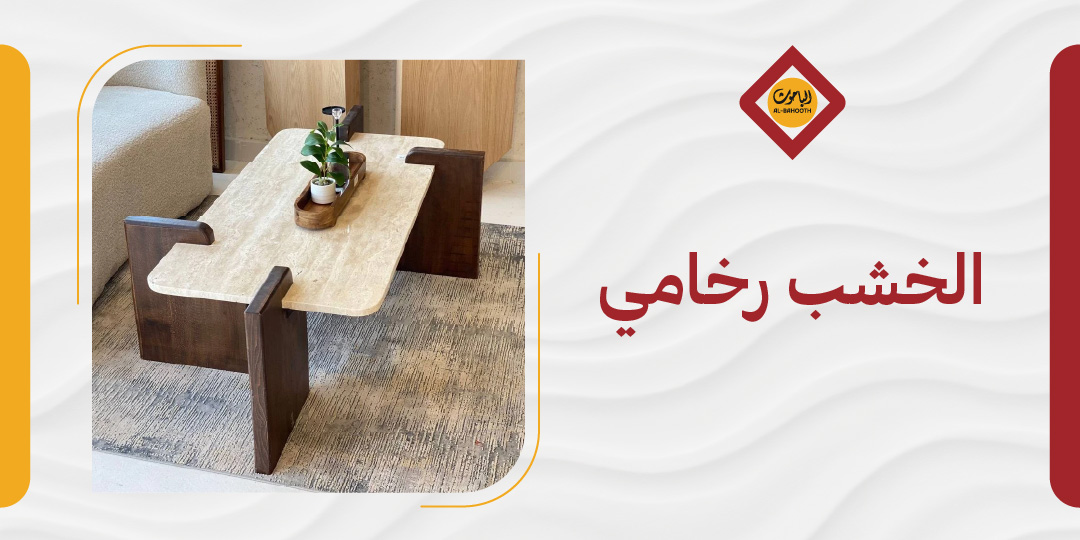
Marble wood has become one of the most widely circulated terms in the interior design world over recent years, and for perfectly understandable reasons. It effortlessly combines two design elements that are hard to compromise on: the luxury of marble with its delicate details and distinct veining, and the warmth of wood which grants a space a living, human-centric character. This blend is no longer just an aesthetic concept; it has transformed into a genuine decor option appearing in flooring, countertops, and wall facades alike.
What is meant by marble wood does not refer to a single specific material, but rather an umbrella term that encompasses several forms: natural marble featuring patterns that mimic wood, wood panels carrying a marble-look print, or tiles engineered to unify both textures into one harmonious layout. If you are looking for a solution that elevates a space without losing its intrinsic warmth, Bahooth Factory’s collections in this field deserve to be your first destination—please explore the latest marble wood collections, supply, and installation services via the Bahooth Factory website.
Definition of Marble Wood
The term marble wood does not have a single, universal definition; instead, it is used to point toward three distinct categories that share the fusion of wood and marble aesthetics. The first category is natural marble with wood grain patterns, the second is wood panels with a marble-printed veneer, and the third consists of ceramic or porcelain tiles that merge both visual styles. Understanding these categories is essential before choosing the right product for any project.
1. What are the Components of Marble Wood?
Contrary to what the name might imply, natural marble with wood grain is completely natural stone, not a hybrid mixture of wood fibers and stone. Its patterns, which closely resemble wood grains, stem from the natural mineral composition of the rock during its formation, making it a unique material carrying the organic aesthetics of timber with the structural durability of marble. On the other hand, wood panels with a marble appearance generally rely on engineered bases like MDF or HPL, with a decorative marble-look layer applied during manufacturing.
2. How is Marble Wood Manufactured?
The manufacturing method of marble wood varies depending on the core material of each category. Here is a look at the most prominent production phases:
- Natural Stone: Natural marble with a wood grain is extracted directly from quarries, then cut and polished according to required slab dimensions.
- Printed Panels: Wood panels with marble prints undergo a precise digital printing process where high-resolution marble patterns are applied to the prepared surface of the wood board.
- Protective Coating: Following printing, the surface is sealed with a transparent protective layer that enhances durability and minimizes the impact of external elements.
- Ceramic Variations: Marble wood porcelain and ceramic tiles pass through high-pressure molding and high-temperature firing processes before patterns that blend both textures are applied.
Types of Marble Wood Available
The term marble wood circulating in the market covers more than one product type, bridging various items that blend wood textures with a marble look or vice versa. Below is a breakdown of the most prominent types available in the local and global markets to help you understand the differences and choose what best suits your project.
1. Natural Marble with Wood Grain
This type is one of the rarest materials referred to as marble wood. In reality, it is a 100% natural marble stone on whose surface parallel veins and lines naturally form, heavily mimicking the grain and fibers of natural tree logs.
This marble forms from limestone transformed over millions of years under the influence of heat and pressure. Its woody pattern is granted by mineral impurities, such as iron and manganese oxides, which draw longitudinal lines inside the stone. Extracted primarily from quarries in Italy, Iran, and India, its slabs feature high structural density, exceptional durability, and an excellent capacity to be polished to a high-gloss finish.
2. Wood Panels with Marble Printing
Many professionals refer specifically to this type of engineered paneling when discussing marble wood. These are produced from compressed wood substrates like MDF and HDF, which are then clad with a decorative or melamine layer carrying a high-definition digital print that realistically mimics natural marble veining and colorways.
Panels are also available in High-Pressure Laminate (HPL), which features superior surface hardness and enhanced resistance to scratching and moisture, making them suitable for countertops, shelving, and interior doors. Users of this type typically look for specific practical details:
- Lightweight Profile: It is exceptionally lightweight compared to heavy stone slabs, which simplifies handling and installation.
- Cost-Efficiency: Its lower cost makes it a practical option for fit-out and decoration projects.
- Premium Appeal: The realistic marble look grants interior spaces a sophisticated style without the structural burdens or maintenance of natural stone.
3. Porcelain Tiles in Marble Wood Style
This type blends two distinct styles into a single product. Porcelain tiles are printed with a hybrid pattern that merges the texture of wood fibers with the veining of marble into one cohesive design. This has become known in modern decor circles as the latest interpretation of marble wood. Used extensively for both flooring and walls, these tiles are highly resistant to water and stains and are exceptionally easy to clean, making them ideal for kitchens, bathrooms, and commercial spaces. They are available in various modular dimensions and both matte and polished finishes.
4. Marble-Look Wood Substitutes
The regional market has recently witnessed a noticeable expansion in alternative marble wood products, which offer an appearance close to natural marble at competitive price points and with broader application flexibilities. This category includes PVC sheets with marble prints for lightweight wall paneling, synthetic quartz surfaces with integrated hybrid patterns, and specialized 3D marble-texture wallpapers. Designers frequently turn to these substitutes in residential, commercial, and hospitality projects where design flexibility and speed of execution are core planning priorities.
Key Advantages of Marble Wood
Marble wood is not merely a contemporary design trend; it is a selection that bridges aesthetic values with practical benefits. This type of material can transform any interior space into a premium environment without structural complexity or excessive costs, ensuring its strong presence in both residential and commercial interior design projects.
1. Merging Luxury and Warmth
While natural marble grants spaces a luxurious and sleek look, it can sometimes lack the visual warmth that wood organically provides. Marble wood cleverly solves this equation by combining the structural luxury of marble patterns with the softness and visual warmth that wood introduces into an integrated environment.
2. Durability and Wear Resistance
Panels manufactured using wood-base marble-print technologies feature excellent surface hardness and an ability to withstand daily usage without losing their visual appeal. Whether utilized in flooring, wall cladding, or custom furniture, these marble-look textures printed on wood resist minor scratches and humidity better than their delicate appearance might suggest.
3. Effortless Coordination in Interior Design
One of the most prominent features of marble wood is its innate capacity to blend with various design styles without causing a visual clash. It can be effortlessly coordinated with both dark and light furniture, alongside natural wood-veined stone or metallic accents, giving the designer immense coordination freedom while maintaining space harmony.
4. Economical and Practical Alternative
- Compared to heavy natural stone, engineered marble wood panels carry a lightweight profile that simplifies installation and lowers total project shipping and structural costs.
- It serves as a highly practical alternative for those who desire the premium look of marble textures without needing a reinforced structural support system or facing the steep price discrepancies associated with heavy stone masonry.
Applications of Marble Wood
Modern finishing materials constantly compete to fulfill a challenging equation: high aesthetics without sacrificing practical durability. This is where marble wood stands out as one of the smartest solutions expanding across interior design projects, merging the luxury of marble with the practical features of wood. Whether you are thinking about upgrading flooring, walls, or furniture, printed marble-look wood panels provide a solution that adapts to a broad spectrum of applications.
1. Flooring and Walls
This material frequently tops the list of selected options for floors subject to steady foot traffic, thanks to its hardness and capacity to withstand daily use. These panels find their place in entryways, salons, and corridors without losing their visual allure over time. On walls, marble wood panels grant any room a distinct visual depth, transforming an ordinary wall into a striking architectural element. Many designers turn to them as a practical alternative to natural marble tiles that require heavier structural intervention.
2. TV Feature Walls and Decorative Accents
The television backdrop wall is one of the most prominent applications where marble wood delivers an exceptional visual impact. Combining the rich veining pattern with dim, warm backlighting elevates the entire outlook of the living room or Majlis area. Additionally, these panels are utilized to frame built-in wall shelving, display cabinets, and bespoke detailing, granting the space a completely unified visual flow without the hassle of coordinating multiple raw materials.
3. Countertops and Table Surfaces
Wood panels with marble prints are heavily integrated into the finishing of dining tables, coffee tables, and work desks, imparting a sophisticated character that beautifully mimics authentic stone. This trend has become remarkably popular in modern kitchens striving for a premium look paired with effortless maintenance. In kitchens specifically, these panels are deployed to face cabinets, facades, and side islands, creating perfect visual continuity across the entire kitchen layout using a single, consistent material.
4. Modern Furniture and Wardrobes
Marble wood easily finds its way into contemporary furniture pieces, ranging from bedroom wardrobes to drawer faces and bed frames. Blending a wooden texture in the core structure with a marble aesthetic in the exterior finish grants the furniture item an independent visual personality. Wardrobes designed with these panels give bedrooms a sense of calm elegance, steering clear of over-decoration, which aligns with modern design trends that favor well-studied simplicity.
5. Ceilings and Decorative Wall Panels
Among the less common yet highest-impact applications is installing marble wood panels on ceilings or as full-scale wall wainscoting. This technique transforms the ceiling from an overlooked surface into an eye-catching design feature. Wall panels, in turn, are deployed to visually section large spaces and add a touch of privacy to individual zones, all while maintaining a balanced visual flow that gathers different design elements into a single artistic canvas.
Frequently Asked Questions (FAQs)
What is marble wood (natural variation)? In the stone industry, it refers to a natural marble stone characterized by linear, parallel veins that strongly resemble natural timber grains. It is suitable for both interior and exterior environments, and it is widely specified in luxury residential apartments and hospitality projects for the unique, upscale character it imparts.
What is marblewood in carpentry? In traditional woodworking, marblewood is a rare type of natural exotic hardwood that exhibits high-contrast, dark striations resembling natural marble veining. Because of its exceptional aesthetic elegance, it is highly sought after by woodworking hobbyists and artisans for creating high-end cutting boards, game sets, and decorative turning pieces.
What is wood-look marble? It is a type of natural marble stone whose surface displays organic formations and parallel lines that realistically mimic the texture, grain, and warmth of natural wood cut boards, seamlessly bridging the visual aesthetics of both raw materials into a singular stone slab used for premium feature walls and surfaces.
What is the difference between porcelain and artificial marble? Porcelain is an extremely hard, rigid vitrified material, making custom fabrication challenging, often resulting in sharp, unalterable factory-cut edges. Conversely, artificial (engineered) marble possesses higher flexibility, allowing it to be seamlessly fabricated, molded, and edge-profiled according to precise custom design layouts. Furthermore, porcelain patterns are digitally printed only on the top glaze layer and terminate at the edge, whereas artificial marble retains its color and pattern depth consistently throughout the entire body of the slab.
Conclusion
Marble wood is an innovative design choice that bridges the luxurious aesthetics of marble with the practical handling and warmth of wood, rendering it a highly versatile material that adapts beautifully to diverse spaces and concepts. If you are considering integrating this exceptional material into your upcoming interior or structural projects, the Bahooth Factory team is delighted to connect with you to provide expert consultations and assist you in selecting the ideal products for your specific needs.