Office furniture manufacturing
Manufacturing office furniture is an essential process to meet the needs of companies and offices in the modern work environment.
Makaseb
April 17, 2025 at 7:59 am AST
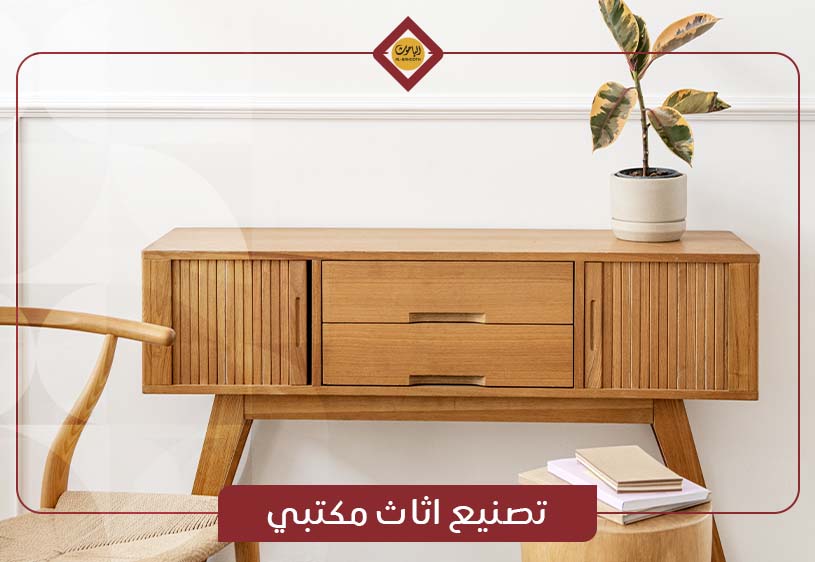
Manufacturing office furniture is an essential process to meet the needs of companies and offices in the modern work environment. The success of any office relies on providing comfortable and modern furniture that caters to employee needs and boosts productivity. Through well-considered designs and high-quality materials, office furniture can contribute to enhancing the overall workplace atmosphere and professionally reflecting the company's identity. Manufacturing it requires a balance between aesthetics and functionality to ensure an organized and comfortable work environment.
The Difference Between Custom-Made and Ready-Made Office Furniture
Before purchasing any type of furniture, you should know that there is a clear difference between manufacturing custom office furniture and buying it ready-made:
- Design and Personalization: Custom furniture gives you the freedom to select dimensions, colors, and materials that suit your personal taste and operational needs, unlike ready-made furniture, which comes in standardized, non-adjustable designs. Thus, custom solutions are the better choice for those seeking unique, tailored design concepts.
- Speed of Delivery and Readiness: Ready-made furniture is characterized by immediate availability, as you can purchase and transport it to the workplace right away. Custom furniture requires more time for design and execution, often taking several weeks, making ready-made options more suitable for tight schedules.
- Cost and Long-Term Value: The cost of ready-made furniture is usually lower due to mass production and reduced manufacturing expenses. Custom furniture may carry a higher price tag due to tailoring and meticulous attention to detail; however, many view the additional cost as a reflection of superior quality and higher long-term value.
- Space Utilization and Fit: When designing custom furniture, office dimensions and layout are precisely taken into account to ensure optimal space utilization. Ready-made furniture may not fit small or unconventional spaces properly, making custom furniture an ideal choice for limited areas or unique architectural layouts.
- Material Quality and Durability: Custom furniture often allows you to choose high-quality materials that align with your budget and usage requirements, whereas ready-made furniture relies on uniform materials that may not satisfy all preferences. Consequently, custom furniture offers greater durability and a longer lifespan.
- Reflecting Brand Identity: Custom-designed furniture can accurately reflect a company's identity and professional style through tailored colors and details. Ready-made furniture tends to be generic and lacks a distinctive character, which is why many brand owners prefer custom tailoring to enhance their professional image.
- Flexibility for Future Expansion: Custom furniture easily accommodates future modifications or additions because it is built on a flexible system. In contrast, ready-made furniture is often difficult to modify or integrate with new pieces, making custom options more adaptable as business needs evolve.
- Buying Experience and Customer Involvement: Choosing custom furniture makes you part of every step—from initial design to final delivery—offering a sense of satisfaction and exclusivity. Ready-made furniture provides a faster purchasing process but feels less personalized and engaging, which is why clients feel they receive a product that truly represents them when choosing custom pieces.
You can custom-manufacture office furniture as desired through Bahooth, where we are committed to providing tailored furniture manufacturing services. Whether you need office or home furniture, we offer all the services required to create exceptional, well-suited pieces. Do not miss the opportunity—get started with us today.
How to Choose the Right Office Furniture for Your Office
To choose or manufacture suitable office furniture for your workspace, focus on these essential guidelines:
- Understand the Nature of Work: Choosing furniture begins with understanding the type of work performed in the office—whether it requires individual focus or collaborative teamwork. Each activity requires a distinct type of furniture to fulfill its functional needs, so furniture design must align with employees' daily tasks.
- Focus on Ergonomics and Comfort: Comfort is a fundamental element in the work environment, especially when selecting chairs and desks. Chairs should offer proper back support and adjustability, and desks should be set at an appropriate height, as comfortable furniture reduces physical strain and increases productivity.
- Consider Office Space and Layout: Furniture should be chosen based on office size, room arrangement, and walkways. Large furniture in a small space can cause crowding and impede movement, so prioritizing practical, compact furniture helps maximize space utilization.
- Ensure High Quality and Durability: Selecting high-quality office furniture guarantees a longer lifespan and a successful investment. Durable materials like treated wood or resistant metal provide strength and a professional appearance; quality is not just about cost, but long-term sustainability in daily use.
- Align Furniture with Corporate Identity: Furniture reflects a company's identity and professional culture, making it important to harmonize with the space's color scheme and design. The chosen colors and styles leave a positive impression on visitors and enhance the work environment for employees, turning furniture into a visual branding tool alongside its functional role.
- Choose Flexible and Scalable Options: Opt for furniture that can be modified or expanded later if the team grows or needs change. Modular or demountable designs are smart choices that protect your investment and adapt to evolving business requirements.
Common Mistakes to Avoid When Buying or Manufacturing Office Furniture
When purchasing or manufacturing office furniture, you may encounter several common mistakes that hinder the process:
- Prioritizing Appearance Over Comfort: Some office owners focus solely on aesthetic appeal without paying attention to comfort. However, uncomfortable furniture can lead to health issues such as back pain and reduced focus, making it essential to select adjustable chairs and proper desk heights to ensure a healthy, productive work environment.
- Ignoring Accurate Space Measurements: Purchasing furniture without measuring available space precisely leads to layout issues and restricted movement within the office. Always take dimensions into account before purchasing or manufacturing to fit the space seamlessly, as good planning turns an office into an organized, comfortable environment.
- Sacrificing Quality for Cost Cutting: Cutting costs on raw materials may seem like a smart financial move initially, but it often leads to rapidly deteriorating or impractical furniture. Consider the quality of materials used—especially in high-use areas—since investing in durable materials reduces overall costs over the long run.
- Rushing the Decision-Making Process: Choosing office furniture is an important decision that should not be made in haste. Hurrying often leads to selecting pieces that are unsuitable in terms of design, quality, or alignment with office identity, making it best to evaluate and compare available options before deciding.
- Neglecting Storage Solutions: Focusing exclusively on desks and chairs while ignoring storage solutions is a common error. Offices require cabinets, drawers, and organizational units to maintain order and reduce clutter, as efficient storage enhances both overall aesthetics and operational efficiency.
- Ignoring Corporate Identity and Design Harmony: Furniture that fails to reflect the company's ethos creates visual inconsistency and negatively affects a visitor's first impression. Ensure furniture aligns with the brand's color palette and general style, as furniture forms an integral part of the office identity and should express it clearly.
Manufacturing office furniture is a vital investment in the work environment, contributing to higher productivity, employee comfort, and a balance between aesthetics and functionality. By selecting the right furniture and avoiding common pitfalls, you can create a workspace that fosters creativity and efficiency. Whether choosing custom-made or ready-made furniture, paying attention to details such as design, quality, and alignment with corporate identity is what makes an office environment truly professional and successful.