Office furniture manufacturing
Office furniture manufacturing is a vital process that integrates functionality, quality, and practical design to meet the demands of modern work environments.
Makaseb
June 16, 2025 at 4:38 pm AST
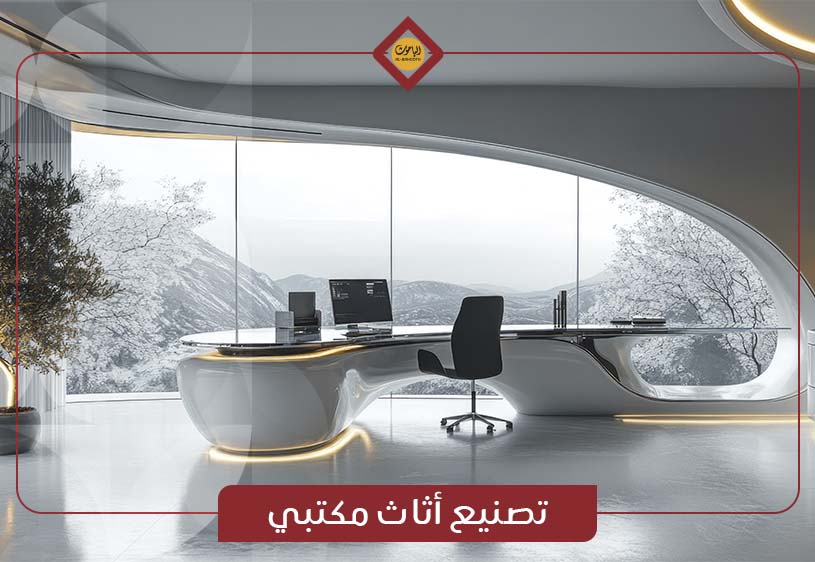
Office furniture manufacturing is a vital process that integrates functionality, quality, and practical design to meet the demands of modern work environments. This specialized form of manufacturing aims to produce high-performance furniture capable of enduring intensive daily use while providing comfort and organization for offices and corporate entities. With ongoing technological advances and evolving work dynamics, office furniture manufacturing now relies on precise standards that balance aesthetics, functionality, and overall efficiency.
Stages of Office Furniture Manufacturing
The production of office furniture involves a series of interconnected stages designed to transform raw materials into functional, visually appealing furniture. These stages are essential for ensuring superior quality and tailoring products to specific workplace demands:
1. Design and Planning The journey begins with the design phase, where the production team defines the exact shape and function of each piece—be it a desk, chair, or storage unit. Designers utilize 3D Computer-Aided Design (CAD) software to bring concepts to life, analyzing exact dimensions, scale, and technical details. Ergonomics and user-friendliness are prioritized to ensure the final product seamlessly integrates into the modern workplace.
2. Raw Material Selection Once designs are finalized, appropriate materials are selected, including solid wood, engineered wood (such as MDF or HDF), metals, glass, and durable plastics. Product longevity relies heavily on material quality, making strict adherence to standard specifications for strength and durability mandatory. Complementary materials—such as high-density foam, commercial upholstery, and heavy-duty casters—are chosen based on the furniture's intended function.
3. Cutting and Shaping Engineering drawings are transferred to advanced cutting machinery to shape materials accurately according to specified dimensions. Precision saws or laser cutting machines cut wood and metal panels, while specialized routing and drilling processes prepare pieces for seamless assembly. Precise cutting is critical to preventing alignment issues during subsequent production steps.
4. Assembly The assembly stage connects the cut elements to form the structural core of the piece. Depending on the design, parts are secured using heavy-duty screws, specialized industrial adhesives, or dedicated hardware fittings. In custom furniture manufacturing, components are frequently hand-assembled to guarantee meticulous detail and structural integrity.
5. Sanding and Finishing Following assembly, surfaces undergo thorough sanding to eliminate imperfections and create a smooth finish. Wood components receive lacquer, protective paint, or wood veneers, whereas metal structures undergo anti-rust treatments and powder coatings. This phase delivers the final color, texture, and refined aesthetic appeal.
6. Upholstery (For Seating Units) For padded items such as task chairs or office sofas, the upholstery process follows finishing. High-density foam is secured to the frame and covered with commercial-grade fabrics, genuine leather, or durable synthetic leather. Precision stitching, long-term comfort, and immaculate presentation are paramount.
7. Quality Control and Inspection Prior to packaging, every piece undergoes rigorous quality control checks. Inspectors verify structural integrity, surface finishing, and compliance with initial design parameters. Moving mechanisms, edges, and joints are carefully inspected, alongside load-bearing stability tests. Any non-conforming items are returned for immediate correction.
8. Packaging and Shipping Finally, completed furniture is securely wrapped using protective packaging materials, such as high-density foam and corrugated cardboard, to guard against damage during transport and storage. Where applicable, assembly guides are included before products are prepared for direct shipment to commercial clients or retail showrooms.
If you are looking to manufacture custom office furniture tailored specifically to your company’s operational needs, Bahooth Furniture Manufacturing is ready to assist you. From initial raw material selection to the final finishing touch, we guide you through every step. Contact us today to bring your workspace vision to life.
What Distinguishes Office Furniture Manufacturing from Residential Furniture?
There are fundamental distinctions between manufacturing office furniture and standard residential furniture, primarily driven by usage intensity and operational requirements:
- Durability and Resilience: Office furniture is engineered to withstand extended working hours and heavy daily usage, requiring rigorous durability and structural integrity standards. Conversely, residential furniture is intended for lower usage frequency, prioritizing relaxed comfort over heavy-duty resilience.
- Functionality vs. Aesthetics: Office design focuses on maximizing practical efficiency through integrated storage and organizational solutions. Residential furniture leans toward home décor integration and visual warmth, allowing greater stylistic freedom and fewer rigid functional demands.
- Material Selection: Materials for office furniture are selected based on high wear resistance and structural longevity, favoring robust metals and high-grade engineered compounds. Residential furniture frequently relies on natural woods and soft textiles to foster a warm, welcoming home atmosphere.
- Ergonomic Engineering: Office furniture adheres to strict ergonomic standards to support optimal posture during prolonged sitting and continuous focus. Residential furniture emphasizes generalized relaxation without rigid technical requirements, as home seating is typically shorter and more relaxed.
- Production Scale: Office furniture is largely manufactured in volume with standardized dimensions to outfit corporate spaces through precision industrial production lines. In contrast, residential furniture features diverse designs suited to individual personal tastes and specific living spaces.
If you are seeking a trusted office furniture manufacturer, Bahooth specializes in crafting high-performance office furniture tailored to your exact custom specifications, custom dimensions, preferred color schemes, and corporate branding. Reach out to our team today to learn more about our manufacturing capabilities.
Key Types of Office Furniture
When planning commercial furniture manufacturing, a wide range of specialized product categories must be considered:
- Office Desks: The centerpiece of any work environment, desks accommodate daily operations and organization. Variations include individual workstations, executive suites, and modular workstation systems. Desks frequently incorporate cable management ports, integrated storage drawers, and specialized mountings for electronic devices.
- Office Chairs: Designed to support body mechanics during long working hours, most professional task chairs are built around ergonomic principles to reduce stress on the back and neck. Categories include executive chairs, task swivel chairs, and guest seating—each offering tailored upholstery, lumbar responsiveness, and height adjustability to directly boost workplace productivity.
- Filing Cabinets: Essential for secure paper archive management, filing cabinets feature vertical and lateral drawer systems. Typically manufactured from reinforced metal or heavy-duty wood composites, they maintain organization in document-heavy environments.
- Storage Units: Encompassing bookcases, shelving units, and credenzas, these units keep office supplies, reference materials, and administrative assets organized to preserve a clean, professional workspace layout. They can be built with open shelving or enclosed doors based on privacy needs.
- Conference Tables: Installed in boardrooms and meeting spaces, conference tables provide a collaborative interface for team members and corporate clients. Available in various shapes—such as round, rectangular, or oval—they are often custom-built with integrated power modules and data connectivity ports for seamless multimedia presentation.
- Reception Desks: Positioned at corporate entrances, reception desks serve as the primary visual touchpoint for visitors. Designers combine visual elegance with operational convenience, incorporating dual-level surfaces that provide work privacy for receptionists while welcoming guests.
- Visitor Seating: Located in waiting areas, conference rooms, or opposite manager desks, visitor seating balances comfort with high-traffic durability. They are typically upholstered in easy-to-clean, wear-resistant materials.
- Office Partitions: Used to organize open-plan spaces, office partitions create individual or semi-private work hubs without full wall construction. They reduce noise, increase focus, and add acoustic privacy. Manufactured using tempered glass, aluminum frames, or sound-dampening fabric panels, many systems are modular for flexible layout adjustments.
In conclusion, manufacturing office furniture is a precise discipline that balances build quality, functional performance, and modern design. Through systematic production stages—from design engineering to protective packaging—Bahooth creates long-lasting solutions built for maximum productivity, comfort, and workplace efficiency. Advanced manufacturing processes ensure that modern commercial spaces receive durable, specialized furniture tailored to every corporate operational need.