Office Library Design: Modern Principles & Best Practices
Discover modern office library design by AL_Bahooth. Explore space planning, modular shelving, digital integration, and collaborative reading zones.
Makaseb
August 13, 2025 at 8:25 pm AST
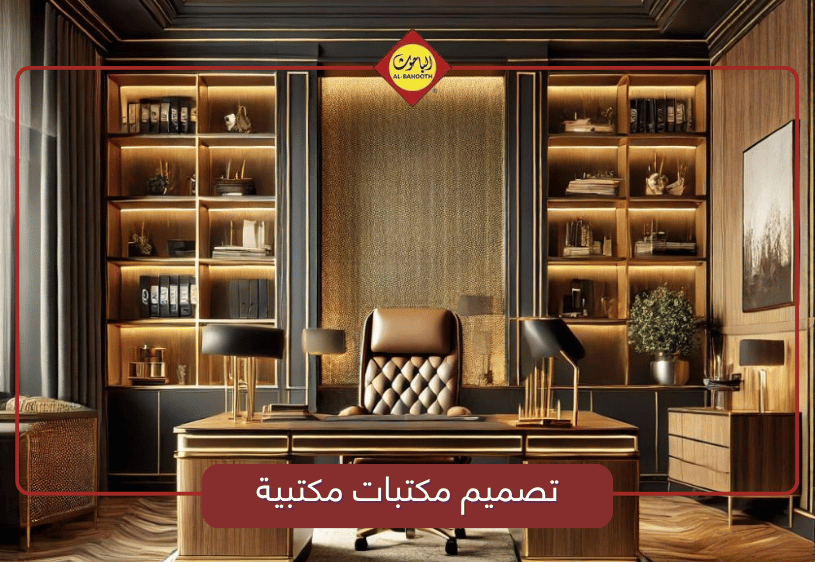
Office library design forms a fundamental starting point for any organization looking to make a difference in its work environment while fostering a culture of lifelong learning and productivity. Amid the rapid acceleration of the business world and the growing value of knowledge and information, paying attention to the design of integrated office libraries has become an indispensable necessity, ensuring comfort, versatility, and instant access to knowledge at every moment.
Whether you are business owners, interior design specialists, or individuals seeking to infuse the spirit of reading into your home offices, this article presents modern principles and best practices for professional office library design.
What Is Office Library Design?
Office library design encompasses the precise planning and thoughtful execution of spaces that combine knowledge resources with aesthetic elements inside a work environment or office. This process aims to create spaces integrating visual comfort and practical efficiency, featuring designated reading zones, flexible spaces for collaborative workshops, neatly organized shelves to facilitate browsing books and volumes, and clear pathways ensuring smooth movement and circulation within the library.
Why Do You Need an Office Library?
Having an office library is essential for any organization or work environment aspiring to cultivate a knowledge culture and facilitate access to information. A well-planned library provides an inspiring environment equipped with diverse paper and digital sources. It also helps organize resources and reduce clutter, contributing to higher productivity and simplifying research and innovation.
How Has Library Design Evolved?
Office library designs have witnessed remarkable evolution over the years, transitioning from traditional models featuring packed shelves and fixed tables to modern spaces combining flexibility and technology. Designs now focus on providing adjustable environments according to needs, complete with interactive zones for teamwork and quiet corners for individual reading.
Today's libraries rely on an integrated digital infrastructure, enabling seamless transitions between paper and digital resources. Utilizing advanced technologies, such as digital catalogs and high-speed internet access, helps enhance library functions, making it a pivotal center serving office or institutional users professionally and innovatively.
What Are the Core Principles of Office Library Design?
Effective office library design principles are built upon a deep understanding of user needs and careful attention to details that make the office environment an ideal space for production and learning. Key principles include user-centric design, clear user interfaces, visual comfort, and maximizing accessibility for diverse groups.
How Do We Achieve Accessibility?
Accessibility in office library design means enabling all users to navigate and utilize services without barriers, regardless of age or physical capabilities. This is achieved by following inclusive design standards and providing a smart environment responding to diverse needs:
- Adopting spacious pathways granting everyone freedom of movement easily.
- Ensuring shelves are within reach for wheelchair users, children, and the elderly.
- Providing comfortable seating as a necessity to guarantee long sitting hours without fatigue.
- Carefully distributing clear directional signs to guide users to library sections and services effortlessly.
What Is the Importance of Flexibility and Adaptability?
Flexibility plays a vital role in contemporary office library designs, enabling you to reshape spaces according to evolving work needs or growing user numbers. This is demonstrated through selecting adjustable office furniture, movable shelves, and open spaces responding to changing daily activities or special events.
How Do We Integrate Modern Technologies?
Integrating modern technologies forms a core axis in developing office library designs. This translates into installing smart screens for display or guidance purposes, and providing unified digital platforms simplifying reservation management and library activity tracking. Electronic book management systems also enhance flexible content access, alongside Internet of Things (IoT) solutions enabling environmental monitoring of the library space to automatically optimize air quality and lighting.
Natural lighting and open design combined with modern technologies create inspiring atmospheres and psychological comfort within work and reading areas, enhancing the overall quality of the knowledge environment for all users.
How to Plan Your Office Library Space?
- Individual Reading Zones: Provide a quiet environment and seating stations allowing concentration, typically equipped with single chairs and small tables.
- Collaborative Work Zones: Suit study groups or work teams, featuring larger tables and open spaces for discussion and cooperation.
- Administration and Reception Zones: Mostly located near the entrance to facilitate greeting visitors, offering assistance, and managing borrowing.
- Quiet Zones: Dedicated to deep reading or studying, usually placed in corners or away from movement and noise sources.
How to Direct Furniture Placement?
When planning furniture distribution in the office library, placing high-traffic areas, such as book browsing areas or reception spots, near the main entrance is recommended. Quiet study zones are best positioned opposite the entrance or in corners. For instance, distributing large tables in the center of the space for work groups while leaving the perimeter for individual chairs near windows or walls achieves a balance between lively and quiet atmospheres. Open monitoring must be enhanced so library staff can observe users, offer assistance easily, and maintain security.
What Is the Role of Lighting and Ventilation?
Natural lighting is a primary factor in successful office library design; therefore, maximizing window usage and distributing electrical outlets to support computers is vital. Good ventilation and air quality also contribute to the comfort of all occupants, staff, and visitors, enhancing user productivity and experience quality.
How to Choose Shelves and Office Furnishings?
- Fixed shelves provide a robust structure suitable for storing large permanent collections.
- Movable shelves grant flexibility in redistributing space and adjusting book arrangements as needed.
- Low shelves allow quick access, especially for children or people with special needs.
- Perimeter shelves maximize wall utilization and expand storage capacity.
- Front-facing shelves highlight new books or important releases, attracting visitor attention.
Selecting seating furniture requires balancing comfort and practical functions, keeping in mind the recommended seat height of approximately 36 centimeters, alongside tables ranging between 56 and 63 centimeters in height. Diversifying between individual tables, office chairs, and comfortable loungers, alongside adopting reconfigurable furniture pieces, helps meet diverse user needs and supports a flexible work environment.
Modular systems enhance the flexibility of rearranging shelves and furnishings as the library size changes or expands, while investing in high-quality office furnishings ensures continuous optimal use and guarantees the longevity of furniture pieces and library infrastructure.
What Are the Technical Aspects of Office Library Design?
When designing modern office libraries, integrating digital resources becomes a pivotal step to streamline user experience and facilitate information access. Using technologies like unified search modules is important, allowing visitors to explore all resource types through a single, fast, and easy interface. Interactive digital screens can also be introduced to present guides, search instructions, or event schedules. For instance, adopting electronic collection management systems makes classifying and tracking books and digital sources more efficient and accurate, ensuring smooth service delivery to beneficiaries.
A strong electrical and network infrastructure is fundamental for effective office library design. Providing sufficient power outlets at seating locations, alongside mobile charging stations and high-speed internet, offers ideal support for using computers, tablets, and smartphones, allowing visitors to take full advantage of digital services without interruption or deficiency.
Achieving a vital balance between digitization and paper presence is just as crucial as technical development. Clear policies are required to continuously develop and update digital holdings while maintaining the quality and preservation of paper books. This ensures the office library remains a comprehensive space meeting researcher needs across both domains, offering innovative, fast tools while preserving paper heritage.
What Are the Challenges and How to Overcome Them?
Office library projects face multiple challenges, chief among them being limited space, which imposes many constraints. For instance, when a place is small, distributing shelves, seats, and reading stations becomes more challenging. Utilizing multi-use furniture and movable shelves serves as an effective solution to maximize space and divide it flexibly as needed.
Over time, user needs and interests constantly shift, requiring ongoing monitoring and periodic space sorting to accommodate new activities and groups. Gathering visitor feedback facilitates identifying areas needing development or rearrangement.
Integrating technical solutions while respecting cultural backgrounds is another challenge; digital technologies must be handled carefully while respecting local reading habits and community cultural priorities. This achieves a balance preserving authenticity and employing modernity to serve library objectives.
Regarding security and privacy, investing in modern surveillance systems and digital security solutions is essential to secure users and content. Adopting flexible, advanced protection means enhances visitor privacy and peace of mind within these spaces.
What Are the Latest Trends in Office Library Design?
Artificial Intelligence is strongly entering the world of office library design, where relying on chatbots and AI applications has become an effective means to enhance personalized service for beneficiaries, alongside providing ongoing support, assistance, and answering inquiries at any time.
Collaborative spaces have become an essential part of modern designs, offering flexible corners for small meetings and designated places for group brainstorming, equipped with a dedicated corner for digital equipment. For example, you might find an area equipped with a round table, an interactive whiteboard, and a display screen allowing multiple users to discuss ideas or work on a joint project easily and comfortably.
Providing a hybrid work environment has become necessary in contemporary office library design, integrating digital resources and traditional sources with support for streaming and remote meeting technologies, facilitating work for mixed teams and enhancing the capacity to keep pace with digital transformation in institutions and universities.
Regarding customization, AL_Bahooth Furnishings offers innovative solutions in office library design through modern furniture options featuring flexibility, modular shelving systems enabling easy redistribution, and digital work platforms, all contributing to crafting a library fitting the privacy of each space and matching changing requirements.
Frequently Asked Questions About Office Library Design
What is the best location for an office library? Allocating the library location in a quiet area away from noise sources is preferred, with the ability to control lighting levels and ensure good ventilation to guarantee user comfort and easy concentration during reading or work.
What is the importance of lighting in an office library? Lighting plays a pivotal role in creating an ideal environment for reading and executing tasks without eye strain. Combining natural lighting with lamps specially designed for offices is strongly recommended, helping improve mood and enhance reader attention for longer periods.
What are the ideal furniture solutions from AL_Bahooth? AL_Bahooth Furnishings offers a diverse portfolio of office furniture solutions meeting modern office library design requirements. These solutions include adjustable tables for flexible use, comfortable chairs supporting long sessions, modular shelving systems suitable for various storage spaces, and integrated organizing solutions, such as a comfortable reading corner and a display device for cultural activities.
Conclusion
Office library design is not just tied to external appearance; it is a strategic step combining sustainability, user comfort, and easy information access. This design type accounts for technical developments and innovation, making the library both a practical and inspiring space.