Preparing the Saudi World Cup stadiums
Saudi Arabia is witnessing a historic phase as it prepares to host the 2034 FIFA World Cup
Makaseb
May 10, 2026 at 11:15 am AST
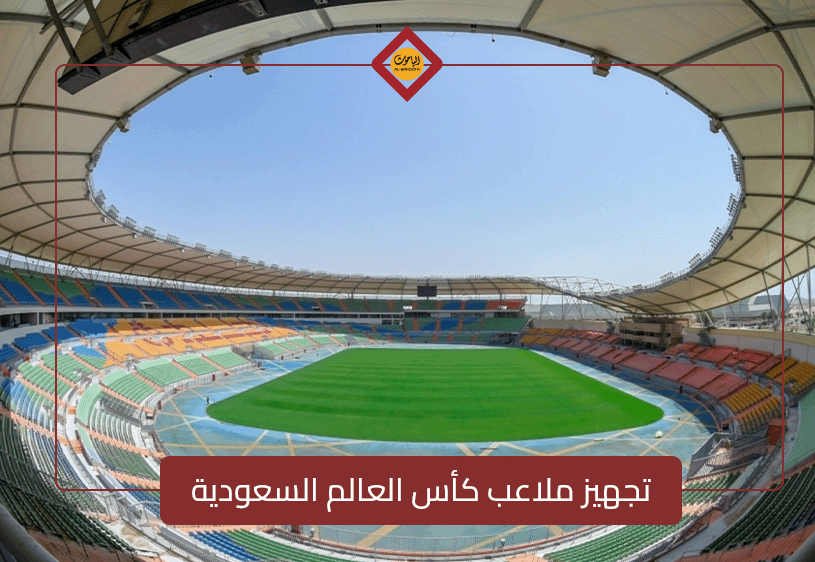
Saudi Arabia is witnessing a historic phase as it prepares to host the 2034 FIFA World Cup, through a massive project aimed at preparing Saudi World Cup stadiums according to the highest international standards. The comprehensive plan includes the construction and development of 15 modern stadiums distributed across five major cities, supported by significant investments and advanced technical systems, including hybrid turf, smart lighting and cooling systems, and large spectator capacities. King Salman International Stadium, along with stadium projects in Jeddah and NEOM, represents a key pillar of this vision, which is being implemented by local and international companies with specialized expertise. Meanwhile, Al-Bahouth Factory provides integrated solutions for sports infrastructure that support this ambitious direction.
The success of preparing Saudi World Cup stadiums does not depend solely on luxurious design or the scale of investment. Rather, it is based on applying sustainable technologies and solutions adapted to the local climate to ensure ideal long-term performance. This direction creates broad opportunities for companies and specialized entities to collaborate and benefit from the expertise of Al-Bahouth Factory in designing and implementing modern stadium equipment, in line with the Kingdom’s vision of building a world-class and sustainable sports environment.
What Are the Best Solutions for Preparing Saudi World Cup Stadiums?
Preparing Saudi World Cup stadiums requires adopting the highest international standards in design and implementation to ensure facility readiness and sustainability. Al-Bahouth Factory stands out as one of the leading specialized entities in this field, offering integrated solutions for developing professional stadiums that meet international specifications.
Al-Bahouth Factory Solutions
Al-Bahouth Factory plays a key role in preparing sports stadiums by providing hybrid surfaces that combine natural and artificial turf to deliver balanced performance and high durability. The factory also specializes in supplying and installing effective water drainage systems that ensure stadium readiness under various weather conditions, along with innovative cooling solutions that maintain turf quality and temperature stability.
The factory’s work also includes producing sports equipment that complies with the standards of the Fédération Internationale de Football Association (FIFA), while providing technical and consulting support to institutions and sports entities seeking to develop their projects. It offers multiple options for designing and implementing sports infrastructure projects in Saudi Arabia, including stadiums, training facilities, and supporting service areas.
Entities interested in learning more about the products and services, or requesting professional consultation, can visit the factory’s website.
What Is the Stadium Distribution and Capacity Plan in Saudi Arabia?
Where Will the Stadiums Be Built?
The stadium distribution plan for preparing Saudi World Cup stadiums includes the construction and renovation of 15 stadiums across several major cities. The plan aims to cover different regions of the Kingdom to ensure infrastructure readiness and accommodate international spectators.
Riyadh: The capital will host the largest number of facilities, with 8 stadiums. These include completely new stadiums such as King Salman International Stadium, in addition to the modernization of existing stadiums such as King Fahd Stadium and King Saud University Stadium.
Jeddah: Jeddah will include 4 stadiums, most notably Al-Jawhara Stadium, which will undergo renovations to enhance its efficiency and prepare it to host advanced stages of the tournament.
Abha: A new stadium will be established to serve the southern region and contribute to a balanced distribution of matches.
NEOM: The project will include a modern stadium design that reflects the futuristic vision of the city.
Al Khobar: A new stadium will be built to support the Eastern Province and complete the national stadium network.
With this distribution, the tournament’s facilities will extend from north to south and from east to west, reflecting a comprehensive vision for developing sports infrastructure within the Saudi World Cup stadium development plan.
Project Implementation Phases
The implementation phases of Saudi World Cup stadium preparation projects are divided into specific timelines to ensure readiness before 2034.
2025: Construction work begins on King Salman International Stadium as a key project for the opening of the tournament.
2026–2027: Prince Faisal bin Fahd Stadium will be renovated, and existing stadiums in Riyadh and Jeddah will be expanded to meet the requirements of the AFC Asian Cup and international matches.
2028–2029: All projects in new cities such as NEOM, Abha, and Al Khobar will be completed, along with the supporting infrastructure, including transportation and facilities.
The implementation is supported by investment from the Public Investment Fund and Aramco, which enhances project sustainability and ensures the objectives of the stadium distribution plan and the capacity requirements for the 2034 World Cup are achieved according to the highest international standards.
What Are the Latest Technologies Used in Preparing Saudi Stadium Surfaces?
Hybrid Turf Systems
Saudi World Cup stadium preparation projects have adopted hybrid turf systems, which represent a precise blend of natural and artificial grass. These systems are designed according to FIFA stadium standards to provide balanced performance and high resistance to challenging climate conditions. This system provides soil firmness and stability while preserving the flexibility of natural grass, allowing the surface to withstand playing periods of up to 120 minutes per day without deterioration in quality.
These systems feature smart irrigation technologies that can be programmed to control consumption and reduce water waste. They also include advanced drainage systems that prevent water accumulation during sudden rainfall and maintain soil moisture during dry periods. In this way, Saudi Arabia achieves a balance between environmental sustainability and improved stadium surface efficiency, making them suitable for intensive use during global tournaments.
Lighting and Cooling Technologies
Lighting systems in Saudi stadiums have been developed using high-efficiency LED lights within a range of 1,400 to 2,000 lux, meeting the requirements of global television broadcasting and FIFA standards for image clarity and uniform lighting quality. This technology also helps reduce energy consumption and distribute light across the entire pitch without shadows or dark areas.
As for modern cooling systems, comprehensive engineering solutions have been used to cool both the pitch surface and the stands, ensuring comfort for players and spectators even in high temperatures. Prince Faisal bin Fahd Stadium is a prominent example of the effective application of these systems, achieving optimal performance during international matches.
How Does Saudi Arabia Ensure Stadium Readiness for the 2034 World Cup?
Implementation Challenges and Solutions
The work involved in preparing Saudi World Cup stadiums faces complex environmental and engineering challenges. The desert climate is characterized by high temperatures and dryness, which may affect material quality and infrastructure safety. In addition, some major projects, such as NEOM projects, may continue until 2032, creating the possibility of delays.
To address these challenges, implementing entities rely on advanced sustainability technologies that reduce energy and water consumption. They also use advanced cooling and drainage systems, in addition to retractable roofs that allow temperature control during matches. Coordination is also carried out with contractors who have global expertise, while flexible timelines are adopted to allow adjustments when needed without compromising final completion deadlines.
Mandatory FIFA Standards
All stadiums are being implemented according to FIFA’s precise requirements, which guarantee the highest levels of safety, comfort, and operational efficiency.
Official dimensions: The playing field must measure 105 × 68 meters to provide a fair playing area that complies with international standards.
Safety standards: These include protective distances of 7 to 8 meters around the pitch to ensure the safety of players and spectators.
Video Assistant Referee (VAR) systems: Stadiums are equipped with high-precision monitoring systems to ensure transparency and accuracy in refereeing decisions.
Supporting facilities: Dedicated player rooms, media areas, and hospitality centers for sponsors are provided.
Environmental and technical compliance: Designs take into account the use of eco-friendly materials and renewable energy systems, according to FIFA-approved technical reports.
Through these standards and technologies, Saudi Arabia ensures the readiness of its stadiums for the 2034 World Cup in line with national ambitions and the future sustainability vision of the sports sector.
What Are the Financial Considerations in Stadium Preparation Projects?
Construction and Renovation Costs
The costs of preparing World Cup stadiums in Saudi Arabia are among the most important financial aspects of the tournament readiness plan. These costs vary depending on the size of the project, its location, and the level of technology used.
King Salman International Stadium is considered the largest project, with an estimated cost of around USD 22 billion, an exceptional figure compared to other facilities.
Projects in Jeddah and NEOM include development and construction works within an estimated total budget of USD 20 billion, distributed across several sports facilities.
The total investment for the tournament is estimated at approximately SAR 100 billion, covering construction, renovation, and the development of infrastructure surrounding the stadiums.
The cost of preparing a single training center ranges between SAR 8 million and SAR 10 million, including turf preparation, supporting facilities, and accommodation areas.
These figures reflect the significant financial commitment required, which calls for precise management to balance quality with economic feasibility.
Investments and Annual Operation
Investments in preparing World Cup stadiums include a mix of government support and contributions from national and international companies, ensuring sustainable financing and implementation according to global standards. In terms of operation, annual turf expenses are among the most important recurring costs, ranging between USD 1 million and USD 2 million for major stadiums according to FIFA estimates. This comes in addition to maintenance, energy, and security costs, which are essential elements for maintaining the long-term readiness of modern stadiums.
Infrastructure Returns
Despite the scale of spending, the returns on infrastructure extend far beyond the tournament itself. These projects are expected to strengthen sports tourism by attracting global events after the World Cup. They also stimulate the growth of the real estate and service sectors in areas surrounding the stadiums. Major developments in transportation and public facilities also open the door to new investments, reinforcing the Kingdom’s position as an integrated sports and economic hub in the region.
Facts and Comparisons That Matter to Investors and Implementers
International Best Practices
Recent experiences and FIFA reports confirm that the best practices for preparing sports infrastructure are based on three main pillars: focusing on sustainability systems through energy- and water-saving technologies, applying updated periodic maintenance programs that monitor turf, lighting, and ventilation, and consulting specialized experts when selecting materials and technical equipment.
Following these practices makes Saudi World Cup stadium preparation projects more efficient and ensures their compliance with international performance and sustainability standards.
Frequently Asked Questions About Preparing Saudi World Cup Stadiums
What Specifications Does FIFA Require for World Cup Stadiums?
FIFA sets a detailed set of standards for preparing Saudi World Cup stadiums, including pitch quality and dimensional consistency, spectator capacity, lighting and television broadcasting systems, safety requirements, and ease of access for spectators and media. FIFA also requires the use of modern technologies for turf and drainage management to ensure stadium readiness under different climate conditions.
Does Artificial Turf Reduce Player Injuries?
Despite the advancement of modern artificial turf technologies, studies indicate that injury rates do not differ significantly between natural and artificial grass when international quality standards are followed. The most important factor is the quality of surface installation and its suitability for player movement, as good design helps reduce impact and improve safety during matches.
How Much Does It Cost to Build and Equip a Stadium According to World Cup Standards?
The cost of preparing Saudi World Cup stadiums varies significantly depending on the size of the project, the nature of the design, and the technologies used. In general, costs range from hundreds of millions to billions of dollars when construction, infrastructure systems, technical equipment, and supporting facilities are included. Each stadium is assessed according to FIFA requirements and local specifications.
What Is the Difference Between Natural and Hybrid Turf in World Cup Stadiums?
Natural turf relies entirely on natural grass, while hybrid turf combines synthetic fibers with real grass to enhance durability and improve surface stability. Hybrid turf requires less maintenance and can withstand the pressure of repeated matches, which is why it is widely used in preparing World Cup stadiums to achieve a balance between performance and quality.
Conclusion
Saudi Arabia continues its efforts to prepare Saudi World Cup stadiums according to the highest international standards, in preparation for hosting the 2034 World Cup in a way that reflects its ambitious vision and global sporting position. To achieve these ambitious goals, the success of these projects depends on selecting specialized and integrated engineering solutions that ensure quality and sustainability.
Entities involved in developing or implementing sports infrastructure projects are invited to contact Al-Bahouth Factory to benefit from the latest technologies and services in stadium preparation according to international specifications.