Royal Palace Furniture Manufacturing | AL-Bahooth
Discover bespoke royal palace furniture manufacturing by AL-Bahooth, featuring precious hardwoods, hand-carved details, gold leafing, and fine joinery.
Makaseb
November 20, 2025 at 5:21 am AST
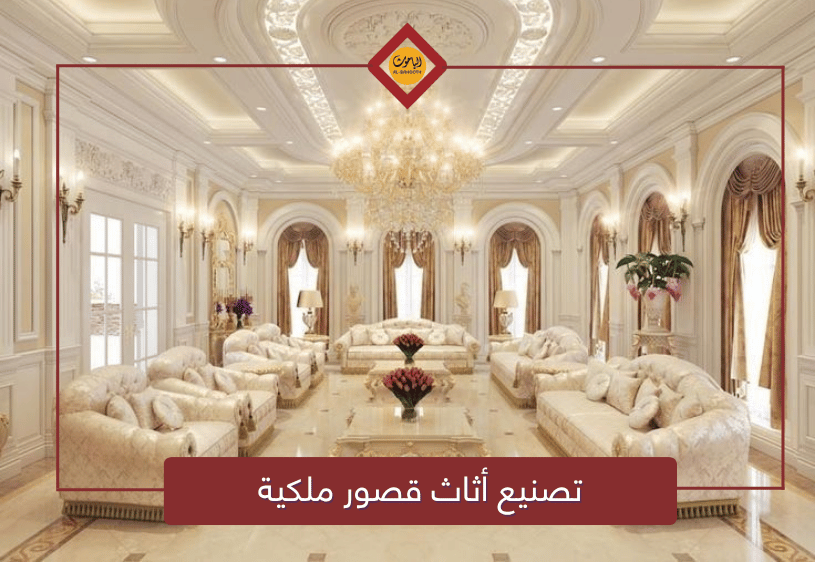
In high-end luxury furniture fabrication, where artistic heritage converges with physical grandeur, manufacturing furniture for royal palaces represents one of the most demanding forms of woodworking. Creating bespoke palace furniture extends far beyond basic material selection or structural framing; it requires master-level ornamentation, hand-carving techniques, and intricate detailing that transform each furniture piece into a timeless heirloom. Royal furniture serves as a physical reflection of prestige, architectural elegance, and cultural lineage, functioning as a defining interior element across royal residences, estate villas, and official reception halls.
AL-Bahooth stands as a premier luxury furniture manufacturer in the Kingdom of Saudi Arabia, backed by decades of experience in engineering custom royal furniture that meets strict quality parameters. Combining master craftsmanship with modern engineering, AL-Bahooth enables distinguished clients to obtain bespoke furniture tailored to complement the architectural scale of their private residences. Whether outfitting a formal grand majlis, a state reception salon, or a private master suite, AL-Bahooth delivers custom furniture solutions that unite structural permanence, ergonomic comfort, and uncompromising luxury.
Conceptual Architectural Foundations of Royal Palace Furniture
Manufacturing royal furniture requires a deep understanding of classical artistic proportions, historic joinery methods, and ornamental detailing designed to harmonize with large-scale interior architecture.
1. Defining Characteristics of Royal Ornamentation Royal furniture design draws inspiration from classical palace architecture, incorporating structural elements such as carved marble columns, acanthus leaf motifs, and detailed cornices across cabinet facades and seating frames:
- Metallic Inlays and Gilding: Structural frames feature hand-applied 24-karat gold leafing, antiqued bronze accents, and brass filigree that highlight architectural curves under chandelier lighting.
- Classical Material Selection: Load-bearing frames are carved from solid precious hardwoods—such as African mahogany, Burmese teak, and ebony—providing the structural density required for intricate hand-carving and lasting durability.
- Master Craftsmanship Requirements: Executing classical royal profiles demands specialized artisans skilled in hand-relief carving, marquetry, and traditional mortise-and-tenon joinery to ensure physical integrity across generations.
2. Premium Material Specification Material selection dictates both the physical longevity and tactile quality of royal furniture:
- Exotic Timber Sourcing: Rare wood species, including ebony, quarter-sawn mahogany, and walnut burl, are selected for their dense grain structure and rich natural hues.
- Precious Accents: Inlays utilize ethically sourced mother-of-pearl, bone, brass, and semi-precious stones embedded directly into timber surfaces.
- Luxury Upholstery: Seating, headboards, and wall panels are finished in full-grain Italian leathers, silk damasks, hand-woven velvets, and brocades that deliver superior comfort and visual depth.
3. Bespoke Customization and Cultural Heritage Alignment Bespoke palace furniture often incorporates regional cultural motifs into classical design frameworks:
- Regional Aesthetics: In Gulf region estates, furniture designs fuse classical European silhouettes with traditional Islamic geometric motifs, Arabesque carving patterns, and regional majlis spatial dynamics.
- Artistic Fusion: Drawing design cues from historical Ottoman, Andalusian, and French Neoclassical traditions creates unique, custom pieces that align with the estate owner's personal heritage and artistic preferences.
The Multi-Phase Manufacturing Process for Royal Furniture
Manufacturing bespoke palace furniture involves a rigorous, phase-based engineering workflow to ensure absolute structural precision and finish quality.
1. Architectural Survey and Spatial Planning The process begins with direct consultations between project directors, client representatives, and interior architects:
- Spatial Analysis: Design teams conduct high-precision site surveys to measure ceiling clearances, entry access points, wall dimensions, and architectural sightlines across grand salons, executive studies, and formal dining halls.
- Conceptual Rendering: Spatial planners generate hand-drawn sketches and initial material palettes to establish design scale, timber selections, and upholstery themes before technical drafting begins.
2. Engineering CAD Drafting and 3D Modeling Once the conceptual design is approved, engineering teams develop precise shop drawings using Advanced Computer-Aided Design (CAD) software:
- Structural Drafting: Technical drawings outline joinery connections, internal load-bearing frames, hardware recesses, and relief carving depths.
- Ornamentation Mapping: Computerized models map intricate inlay patterns, marquetry veneers, and bronze casting profiles to ensure perfect symmetry across large dining tables, headboard walls, and display cabinets.
3. Material Preparation and Timber Seasoning Raw materials undergo rigorous preparation before production begins:
- Kiln Drying & Conditioning: Timber stocks undergo controlled kiln-drying cycles to reduce internal moisture content to optimal levels, preventing future warping, swelling, or cracking in arid climates.
- Metal & Inlay Fabrication: Casting foundries prepare custom bronze hardware, while inlay specialists cut mother-of-pearl, bone, and metallic strips to match CAD templates.
4. Hand-Carving, Joinery, and Assembly Master woodworkers execute physical fabrication within specialized workshops:
- Precision Joinery: Frame components are joined using traditional blind mortise-and-tenon construction, reinforced with hidden dowels for maximum structural stability.
- Hand Relief Carving: Artisans hand-carve intricate floral, geometric, and heraldic patterns directly into solid timber surfaces using traditional gouges and chisels.
- Marquetry & Inlays: Delicate wood veneers and decorative inlays are hand-fitted into surface recesses, followed by hand-sanding to achieve a flush finish.
5. Finishing, Gold Leafing, and Final Quality Testing Surface finishing requires multi-stage artisan applications:
- Multi-Layer Staining: Timbers are hand-rubbed with natural oils, spirit stains, and protective lacquers to highlight natural grain depth.
- Water & Oil Gilding: Relief carvings receive multi-layer gesso applications, clay bole grounds, and hand-applied gold leafing, lightly burnished to achieve an authentic antique finish.
- Upholstery & Assembly: Master upholsterers fit high-resilience foam cores, spring suspension systems, and luxury fabrics, securing trims with hand-tacked brass studs.
6. White-Glove Delivery and On-Site Installation Finished pieces are encased in custom climate-controlled packaging and transported to the estate:
- Precision Assembly: Installation teams assemble large modular items—such as grand conference tables, wall-mounted headboard systems, and carved library shelving—directly on-site.
- Final Inspections: Technicians verify alignment, polish surface finishes, and ensure every piece fits seamlessly into the surrounding interior architecture.
Technical Challenges and Quality Assurance Standards
Producing furniture for royal palaces presents unique technical considerations that require specialized manufacturing expertise.
1. Managing Large Scale and Rare Timber Stocks Working with rare, dense hardwoods and oversized timber spans requires specialized machinery and expert handling:
- Structural Stabilization: Large dining tables and wall paneling systems incorporate internal steel sub-frames and expansion joints to accommodate natural wood movement caused by ambient temperature and humidity shifts.
- Carving Precision: Intricate, high-relief carvings across large surface areas require strict dimensional control to maintain symmetry across multi-piece furniture sets.
2. Climate Resistance and Surface Endurance Palace furniture must maintain its visual beauty across decades of environmental exposure:
- Protective Coatings: Advanced UV-blocking lacquers, moisture-resistant sealants, and tarnish-resistant metal coatings protect delicate wood veneers, gold leafing, and polished bronze fittings from environmental degradation.
- Color Stability: Multi-stage staining processes ensure color consistency across entire room sets, preventing mismatched tones between individual furniture pieces over time.
3. Schedule Coordination and Custom Engineering Handcrafting bespoke royal furniture requires extended production schedules due to complex hand-carving and multi-layer finishing protocols:
- Project Management: Dedicated project managers monitor each phase of production, coordinating raw material sourcing, factory milestones, and white-glove delivery timelines to meet strict client handovers.
Frequently Asked Questions
1. What types of wood are recommended for royal palace furniture? Solid hardwoods such as Mahogany, Burmese Teak, Ebony, European Walnut, and Oak are preferred for load-bearing frames and intricate carving due to their high fiber density, structural stability, and rich graining.
2. How does AL-Bahooth ensure large solid wood furniture does not warp over time? AL-Bahooth utilizes kiln-dried timber with controlled moisture levels, internal steel reinforcement channels, traditional joinery techniques, and flexible expansion fasteners that allow natural wood movement without cracking or warping.
3. Can clients request custom family coats of arms or royal crests carved into furniture? Yes. AL-Bahooth’s master artisans hand-carve bespoke family crests, royal monograms, and custom heraldic symbols directly into cabinet doors, headboards, throne backs, and dining chair frames.
Conclusion
Manufacturing furniture for royal palaces represents an exceptional fusion of architectural heritage, fine joinery, rare material sourcing, and master artisan handcrafting. Purpose-built royal furniture elevates grand interior spaces into timeless architectural statements that reflect authority, luxury, and cultural heritage.
Contact AL-Bahooth today to arrange a private consultation, inspect luxury material samples, and initiate custom technical manufacturing proposals for your estate or palace project.