Safe glass cabinets
glass cabinets occupy a prominent place in the design of kitchens, offices, and living rooms, as they combine transparent aesthetics with structural durability simultaneously.
Makaseb
July 13, 2026 at 5:26 pm AST
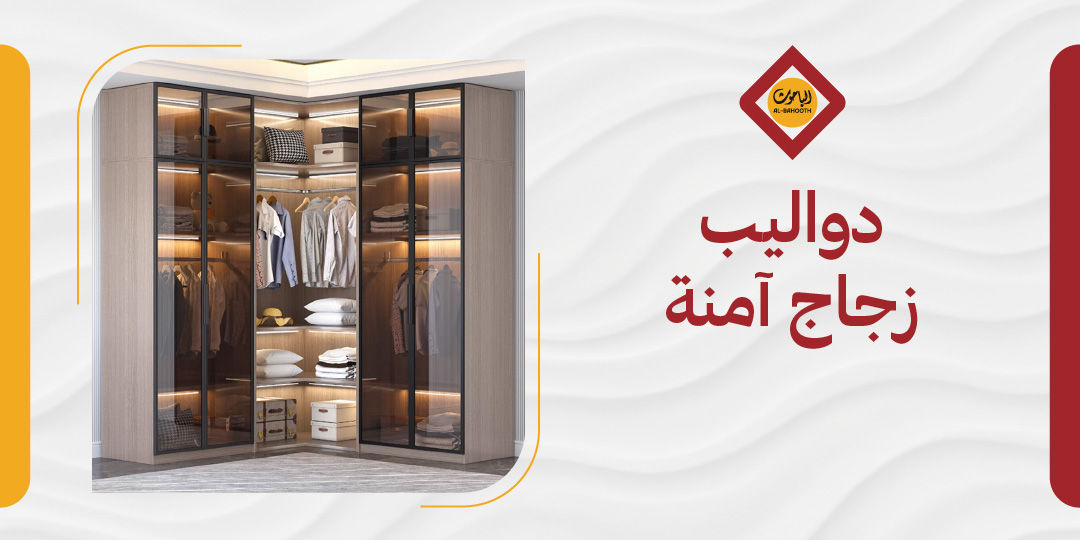
Safe glass cabinets occupy a prominent place in the design of kitchens, offices, and living rooms, as they combine transparent aesthetics with structural durability simultaneously. However, safety remains the primary criterion that should govern the selection decision, because regular glass, when broken, turns into sharp shards that can pose a real danger to those using them. Therefore, it has become essential to understand the difference between the types of glass used in these cabinets before making any decision.
Safe glass cabinets are manufactured using tempered or laminated impact-resistant glass, supported by a stable metal frame and secure hinges that ensure door stability and prevent sudden opening. If you are looking for options that combine safety and manufacturing quality, Bahooth Factory provides you with a selection of safe glass cabinets manufactured according to precise professional standards — please visit the Bahooth Factory website to view the available options and choose what suits your needs.
Safe Glass Cabinets
Safe glass cabinets are not just ordinary pieces of furniture; rather, they are an engineering-driven product from the ground up. In their design, they rely on specialized types of safety glass, such as tempered glass and laminated glass, to ensure the highest levels of protection for users and to reduce the risks of breakage or shattering if the cabinet is exposed to any direct impact.
1. What Characterizes Them?
The tempered glass used in these glass cabinets is 5 to 7 times stronger than regular glass. In the event that it breaks, it does not scatter into sharp shards; instead, it crumbles into small pieces with rounded edges, minimizing the risk of injury. As for laminated glass, it operates on a different mechanism; an internal plastic layer holds the shards together and prevents them from scattering even after breakage, making it a reliable choice in environments requiring a higher level of safety.
2. Why is Demand for Them Increasing?
The demand for safe glass cabinets is rising alongside increasing awareness of home safety standards, especially in spaces where children or the elderly are present. Users are no longer satisfied with just the aesthetic appearance of glass cabinets; instead, they look to blend elegance with actual safety inherent in the nature of the manufactured material.
Furthermore, the uses of safety glass have expanded to include kitchen cabinets, bedrooms, and offices after proving its durability in diverse environments. This diversity of applications has significantly raised the demand for safe glass cabinets, as consumers have become more aware of the fundamental difference between regular glass and safety glass designed for daily use.
Types of Glass Suitable for Safety
Choosing the type of glass is the core element that determines the safety level of any product, and this applies directly to safe glass cabinets. Regular glass is unsuitable for this purpose, as it cracks into sharp shards that can cause serious injuries upon any breakage or collision. Therefore, professional manufacturers differentiate between two main types that guarantee a much higher level of safety: tempered glass and laminated glass.
1. Characteristics of Tempered Glass
Tempered glass, also known as toughened glass, undergoes a rapid heating and cooling process that multiplies its hardness compared to regular glass. This process does not only make it harder to break but also completely changes the way it breaks.
Key characteristics include:
- Impact Resistance: It withstands impacts and pressure much better than conventional glass, making it more suitable for daily use environments.
- Safe Fracturing: Upon exceeding its endurance limit, it crumbles into small pieces with rounded edges instead of sharp shards, which significantly reduces the risk of injury.
- Low Maintenance: Tempered safety glass is a popular choice in home furniture design because it combines durability and safety without maintenance complexity.
2. Use Cases for Laminated Glass
Laminated glass, or layered glass, differs in its core composition; it consists of two or more glass layers separated by a transparent PVB material layer. This adhesive layer plays a crucial role in safety; when the glass is exposed to any breakage, the middle layer keeps the broken parts bonded together without scattering.
This property makes it ideal for environments requiring high safety standards, such as commercial exhibitions and shops displaying valuable products, where laminated glass adds dual protection for both the content and visitors simultaneously.
3. A Quick Comparison Between the Types
Before making a decision, here are the most prominent practical differences between the two types:
- Breakage Behavior: Tempered glass crumbles into small-sized pieces, while laminated glass remains bonded in place even after breaking.
- Usage Environment: Tempered glass is suitable for daily home use due to its durability and ease of handling, whereas laminated glass suits shops and showrooms with high security requirements.
- Protection Level: Both fall under the classification of safety glass, but laminated glass provides an additional layer of protection against total scattering.
Selecting the appropriate type ultimately depends on the usage environment and the purpose of the cabinets, a distinction that Bahooth Factory masters through its expertise in manufacturing safe glass cabinets that meet different requirements.
Essential Safety Specifications for Cabinets
When it comes to safe glass cabinets, true safety is not limited to the quality of the glass alone; rather, it extends to include the entire metal frame, hinges, and the installation method. Each of these elements plays a pivotal role in determining the durability of the cabinet and its ability to withstand daily use.
1. Required Glass Thickness in Cabinets
Thickness requirements for safe glass cabinets differ from those used in ordinary glass applications; cabinets require a higher-than-usual thickness to ensure resistance to impacts and repeated movement. Moreover, edge trimming is one of the essential standards where no compromise should be made, as it directly reduces the risk of cuts during daily use.
2. The Impact of the Supporting Structure on Cabinet Durability
It is not enough for the glass to be durable unless it rests on a secure metal frame that distributes loads evenly and prevents vibration or shifting. The supporting structure is what gives the cabinet its actual stability, and any deficiency in this aspect directly reflects on the safety and lifespan of the glass.
Key aspects to consider in the supporting structure:
- The metal frame must be made of materials resistant to deformation so it does not lose its shape with repeated use.
- Distributing connection points evenly along the frame contributes to reducing pressure on the durable glass pieces.
- Choosing structural materials compatible with the weight of the glass ensures long-term stability without the need for frequent maintenance.
3. The Importance of Hinges and Bases in Ensuring Safety
Many breakage and damage accidents have nothing to do with the quality of the glass itself; instead, they arise from weak hinges or improper base installation. Strong and securely fastened hinges absorb the opening and closing movement without putting excessive pressure on the metal frame, which extends the cabinet's lifespan and maintains the safety of safe glass cabinets in the long run.
Safety Glass Manufacturing Standards
When it comes to safe glass cabinets, relying on external appearance alone is not enough to judge product quality. International glass safety specification standards are the actual reference that determines whether the glass used meets daily use requirements, and manufacturing decisions are built upon them from start to delivery.
1. Importance of Quality Standards in Safety Glass Manufacturing
Quality standards are not just theoretical documents; rather, they are technical requirements translated into actual endurance tests that the glass undergoes before being used in any product. These tests measure the glass's ability to withstand impacts and monitor its behavior upon breaking to ensure it does not shatter dangerously.
These standards provide manufacturers with a clear framework to achieve consistent manufacturing quality and ensure that every piece of glass leaving the factory carries the same level of safety. Bahooth Factory adopts these requirements fundamentally in its production processes, making its products a reliable reference in the safe glass cabinets market.
2. Key International Standards for Safety Glass
Approved international standards in this field center around two main pillars: impact resistance and breakage behavior. Key elements included in these standards are:
- Impact Resistance: Determines the minimum capacity of the glass to withstand sudden forces without breaking, an essential criterion in endurance tests for all types of glass used in cabinets.
- Safe Breakage Behavior: These specifications require the glass to break into small, smooth pieces instead of sharp shards, minimizing the risk of injury in accidents.
- Performance Stability under Changing Conditions: Endurance tests include exposing the glass to temperature and humidity variations to verify its long-term stability.
- Manufacturing Quality of Protective Layers: In toughened and annealed glass, standards regulate the thickness and distribution of layers to ensure uniform performance across the entire surface.
3. How the Buyer Benefits from Knowing Safety Specifications
When the buyer knows that safe glass cabinets are manufactured according to documented safety specifications, the purchasing process transforms from a mere visual evaluation to a decision based on objective data. Knowing that the glass has passed standardized endurance tests gives the user genuine confidence in the product and makes comparing available options more precise and objective, rather than relying solely on price or external appearance.
Tips for Choosing a Safe Glass Cabinet
Choosing safe glass cabinets is not just an aesthetic choice; it is a decision that directly affects the safety of everyone using the space. Before buying, it is worth pausing briefly to understand what you are actually looking for and what elements determine the quality of the piece and its suitability for daily use.
1. How to Choose the Right Type?
Start by identifying the usage environment; a safe glass cabinet dedicated to a bedroom differs in its specifications from one designed for an office or a hall. The nature of the place, the density of movement around it, and the level of exposure to daily friction are all factors that determine the required type of glass, its thickness, and the durability of the frame.
After identifying the usage environment, move on to reviewing the actual specifications of the piece. Safe glass cabinets rely on tempered or toughened glass rather than regular glass, and the difference between them is massive in terms of resistance to breakage and shattering behavior in the event of an accident.
2. What Are the Most Important Inspection Elements?
When evaluating any glass cabinet, focus precisely on these elements:
- Glass Type: Verify that the material used is tempered or toughened glass, because this type crumbles into small, non-sharp pieces upon breaking instead of splitting into dangerous shards.
- Thickness: Adequate glass thickness reflects its capacity to withstand daily pressure and impacts without cracking or early breakage.
- Edges: Edges must be fully polished and treated, as rough or sharp edges pose a direct danger during handling or cleaning.
- Frame: A sturdy frame, whether metal or high-quality wood, contributes to holding the glass securely and preventing any unintended movement that could lead to accidents.
- Safety Certificate: If a safety certificate or compliance with specifications is available, this is a reliable indicator that the piece has undergone official quality testing.
3. What Questions Should You Ask the Seller?
Do not hesitate to ask the manufacturer or seller directly about the type of glass used and whether it is tempered or not, the thickness in millimeters, the method of edge treatment, and the availability of compliance certificates or reliance on specific quality standards. These questions are simple in phrasing, but they are sufficient to reveal the level of seriousness in manufacturing safe glass cabinets and truly verifying their quality.
Common Problems and Their Solutions
When choosing safe glass cabinets, a set of practical concerns arises among users, whether related to the nature of the glass itself or the quality of installation. Understanding these problems in advance helps in making a more conscious and safer purchase decision.
1. Is Breakage Sudden?
Regular glass can break suddenly and scatter into sharp shards that pose a direct danger to users. In contrast, the tempered or laminated glass used in safe glass cabinets crumbles into small, smooth pieces when exposed to severe pressure, significantly reducing the risk of injury.
2. How Do We Prevent Injuries?
Protecting users from shattering hazards begins with choosing the correct materials and adhering to precise manufacturing standards. Key preventive measures include:
- Using tempered or laminated glass instead of regular glass provides the primary protection against shattering risks.
- Trimming and sanding the glass edges removes any sharp edge that might cause cuts upon touch.
- Designing metal or wooden frames to completely surround the glass reduces the probability of breakage resulting from daily impacts.
3. What Are the Problems of Poor Installation?
Unprofessional installation directly impacts the performance of safe glass cabinets and their lifespan, as it leads to the loosening of hinges over time, exposing the glass doors to vibration and falling. Additionally, an imbalanced structure causes uneven load distribution across the glass panels, raising the likelihood of early breakage or cracking.
Conclusion
Choosing safe glass cabinets is not just an aesthetic decision; it is a decision related to the safety of everyone who uses the space around you. Tempered or laminated glass grants you a real layer of protection that is invisible to the eye but makes a huge difference during any unexpected impact or pressure. The better your choice of glass type and manufacturing quality, the longer and safer usage you guarantee for the furniture piece.
If you are looking for safe glass cabinets that combine durability and sophisticated design, Bahooth Factory offers you products manufactured according to the highest quality and safety standards — please visit Bahooth Factory and explore the collection of available products.