Saudi National Furniture Prices & Local Manufacturing Guide
Explore national furniture prices in Saudi Arabia, key cost factors, local manufacturing quality, custom furniture options, and local market insights with AL-Bahooth.
Makaseb
October 8, 2025 at 1:30 pm AST
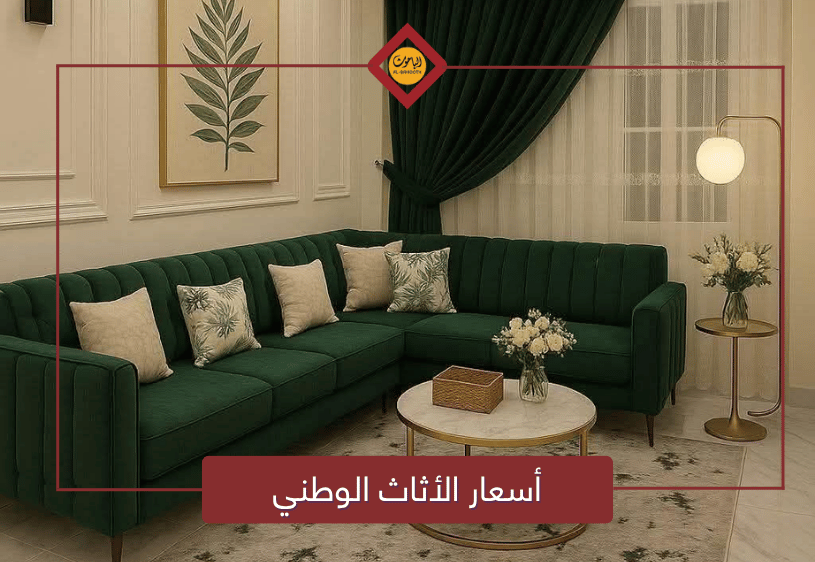
There is growing interest today in understanding national furniture prices across the Saudi market. This awareness serves not only as a benchmark for local manufacturing quality, but also addresses the direct needs of individuals, families, and business owners seeking furniture that combines durability, elegant design, and competitive pricing. With expanding government support for local industries and national production initiatives, Saudi-made furniture has emerged as an attractive alternative to imported goods—delivering precise craft quality and visual styling tailored to the local environment and cultural aesthetic.
This guide provides a comprehensive overview of how national furniture prices are determined, the key factors influencing overall production costs, and the latest structural developments shaping the local Saudi furniture market.
What Are National Furniture Prices?
National furniture prices in Saudi Arabia vary depending on functional application, manufacturing standards, and raw material inputs—whether specifying residential, corporate office, or commercial hospitality furniture. Furthermore, factory reputation, artisan craftsmanship, and surface finishing quality play significant roles in determining a piece's final retail price. As demand for high-quality local products increases, price disparities between national and imported furniture have become far less pronounced than in previous years.
Across Saudi retail showrooms, national furniture balances physical durability with contemporary aesthetics, making it a preferred choice for families and corporate clients seeking optimal quality and cost value. Additionally, local manufacturers offer custom-tailored fabrication services, directly reflected in final pricing structures.
Average Market Price Ranges
Average price ranges for local residential furnishings vary based on item category:
- Living Room Sofas: Entry-level seating pricing begins around 899 SAR.
- Bedroom Suites: Standard domestic bedroom sets average approximately 2,690 SAR.
- Home Executive Desks: Home office setups average around 6,000 SAR.
- Corporate Office Furniture: Executive desk setups, conference tables, and ergonomic seating ranges between 6,500 SAR and 17,500 SAR, depending on dimensions, seating capacity, and material specifications.
Seasonal and Custom Design Price Fluctuations
National furniture pricing experiences predictable seasonal shifts and design adjustments:
- Seasonal Demand Peaks: The market sees price increases between the lunar months of Shawwal and Dhul-Hijjah. This rise corresponds with the peak wedding season and new home handovers across the Kingdom, driving up residential furniture demand.
- Customization Premiums: Custom fabrication in dimensions, fabric upholstery, or specific wood finishes commands a price premium compared to standard off-the-shelf catalog models.
Primary Factors Influencing National Furniture Costs
1. Raw Material Costs and Sourcing
Raw material expenses—such as solid hardwoods, metal framing, and genuine leathers—directly shape final production costs. When materials are sourced locally and readily available, manufacturing costs decrease, resulting in lower retail prices. Conversely, rare or imported raw materials increase final pricing due to added international freight, customs duties, and logistics expenses.
2. Manufacturing Methodologies (Handcrafted vs. Automated)
Production techniques significantly impact final furniture valuation. Handcrafted furniture requires specialized artisan skill and extended labor hours, increasing piece value. Conversely, automated machinery and CNC production lines lower labor costs and accelerate output. Local industry data indicates that custom handcrafted furniture carries a manufacturing cost approximately 30% higher than automated line-produced pieces due to detailed hand-finishing and intricate craftsmanship.
3. Technical Specifications and Warranties
Technical specifications—including structural frame engineering, joint reinforcement, joinery techniques, surface coatings, and official warranty coverage—directly influence retail pricing. Unique designs and durable finishing details carry higher market value because they offer extended structural lifespans. Including multi-year structural warranties and custom color matching further enhances the market value of national furniture.
4. Market Competition and Imported Alternatives
Competition with imported commercial furniture encourages local Saudi factories to maintain balanced, competitive pricing. To maintain market share, local manufacturers bundle value-added services such as custom tailoring, complimentary delivery, on-site assembly, and dedicated maintenance support—increasing the appeal of national products during major retail promotion seasons.
5. Brand Presence and Marketing Strategy
Brand reputation and showroom presence influence consumer perceptions of furniture value. Established manufacturers with extensive retail networks and active marketing channels build stronger consumer trust, supporting sustained product demand. Seasonal promotional campaigns surrounding national holidays, festive occasions, and wedding seasons generate short-term demand surges across local retail markets.
Comparing National vs. Imported Furniture Prices
National and imported furniture prices differ based on raw material selection, production methodology, and finishing detail. In many cases, premium national pieces carry higher price tags when local factories utilize high-grade solid timber and skilled manual finishing. Conversely, mass-produced imported items may offer lower entry-level prices due to low-cost overseas manufacturing and flat-pack shipping efficiencies.
- Quality Differences: National furniture excels in physical durability, frame robustness, and compliance with local environmental standards. Furthermore, local manufacturers provide peace of mind through accessible warranties and responsive after-sales support—services rarely available with mass-produced imported imports.
- Distinct Advantages: National furniture allows custom tailoring to suit specific Saudi architectural layouts, backed by long-term structural warranties. Imported furniture offers diverse international design styles and varied price points suited for budget-conscious seasonal promotions.
Government Initiatives Supporting Local Furniture Manufacturing
Government initiatives have created a supportive industrial ecosystem that strengthens the presence of national furniture in the Saudi market. Strategic policies aimed at industrial localization and reducing import reliance have empowered local production lines with advanced manufacturing technologies and accessible funding. These measures have elevated local quality standards to compete with international brands.
This strategic focus has expanded local manufacturing, with the industrial workforce in this sector growing to approximately one million employees. Moreover, Saudi furniture exports grew by 8% during the first seven months of 2025, demonstrating the strength of the nation's industrial base. Additionally, sector value-added economic output increased by over 50% compared to adjacent manufacturing sectors, illustrating the direct economic impact of these industrial initiatives.
Localization Programs and Industrial Competitiveness
Localization initiatives—such as the "Nile Prepreneurs" business development programs and specialized financing solutions from national development banks—have transformed factory operational efficiency. These programs have elevated local furniture design standards, technical craftsmanship, and production line innovation. As a result, small and medium-sized manufacturing enterprises (SMEs) can compete effectively by supplying high-quality, cost-efficient furniture to the domestic market.
By strengthening local supply chains, manufacturers have reduced raw material procurement costs and improved regional distribution networks. These cost savings directly benefit consumers by stabilizing national furniture prices while maintaining high design standards rooted in regional identity.
Impact of Local Manufacturers and Design Studios
National factories form the backbone of the Saudi furniture market, enforcing strict quality control standards that build consumer confidence and stabilize price volatility. Benefiting from technical government support, local factories continuously optimize operational efficiency and lower overhead costs—enabling them to deliver durable furniture at competitive price points. Diversifying design lines and scaling production outputs creates healthy internal competition, keeping pricing accessible across various market segments.
The Role of Local Design Studios
Local interior design studios play a vital role in developing innovative furniture products tailored to Saudi lifestyles. Working directly with local factories, these studios create functional, aesthetically pleasing furniture line designs that compete successfully across regional and international markets. Offering bespoke custom pieces alongside updated seasonal collections maintains market dynamism while balancing product value with fair pricing.
Consumer Protection and Quality Assurance
Consumer protection authorities enforce strict compliance with national manufacturing standards, ensuring certified guarantees accompany Saudi-made furniture. Regulatory oversight increases consumer satisfaction and reinforces trust in locally manufactured goods, justifying final pricing through certified structural durability and long-term after-sales support. Consequently, consumers feel confident investing in high-quality national products.
Balancing Craftsmanship with Cost Efficiency
Incorporating regional cultural identity distinguishes national Saudi furniture from imported mass-market items. By blending authentic traditional elements with sleek modern silhouettes, manufacturers create unique pieces reflecting local culture and visual heritage. This thoughtful design fusion adds tangible aesthetic value, justifying higher price points for artisanal national furniture compared to generic imported options.
Smart Manufacturing and Local Supply Chains
Adopting automated manufacturing systems and smart production workflows allows local factories to minimize material waste and labor downtime. Investing in modern machinery and technical workforce training boosts factory throughput without compromising finishing quality, striking an optimal balance between market price competitiveness and superior craftsmanship.
Relying on localized supply chains reduces international shipping costs and protects manufacturers from global transport disruptions. Companies such as AL-Bahooth Furniture and Qassim Furniture Factory source raw materials and structural components from within the Kingdom and neighboring Gulf Cooperation Council (GCC) partners, stabilizing production costs and maintaining long-term pricing flexibility.
Innovative Pricing Strategies
- Tiered Product Lines: Offering diverse furniture collections caters to various consumer segments—from economy lines to luxury bespoke setups—matching different purchasing budgets.
- Made-to-Order Manufacturing: Fabricating furniture on demand allows clients to select specific materials and dimensions while eliminating excess warehouse inventory costs, reducing final product pricing.
- Government Support Integration: Leveraging industrial support programs helps manufacturers maintain steady pricing despite fluctuations in imported raw material markets.
The AL-Bahooth Experience in National Furniture
Since its establishment in 1395 AH (1976 CE) by Ahmed Suleiman Ali AL-Bahooth, AL-Bahooth Furniture has continuously built its presence across the Saudi furniture industry, backed by over 45 years of commercial experience. Transitioning from furniture importing to in-house manufacturing, the company designs high-quality national furniture that blends traditional craftsmanship with modern innovation for residential, corporate, and commercial projects. Today, AL-Bahooth serves as an industry benchmark for local manufacturing excellence, offering competitive pricing based on true craft value and structural performance rather than production cost alone.
AL-Bahooth delivers comprehensive turnkey furniture solutions—including residential furnishings, executive office setups, metal fixtures, medical furniture, commercial fit-outs, and hospitality furnishings. Specializing in custom made-to-order manufacturing, the company provides clients with total flexibility in material selection, dimensions, and visual finishes. By utilizing skilled local artisans and advanced national production lines at Qassim Furniture Factory, AL-Bahooth streamlines design, fabrication, and installation into a seamless client experience. From initial interior space planning to final project execution, AL-Bahooth maintains high standards of elegance, durability, and craftsmanship across Saudi Arabia.
Frequently Asked Questions
1. Does national Saudi furniture come with official warranties?
Yes. Nationally manufactured furniture typically includes official manufacturer warranties and quality certificates, granting consumers reliable access to after-sales service and maintenance support.
2. Does custom-tailored furniture cost more than off-the-shelf items?
Yes. Custom made-to-order furniture carries higher pricing due to specialized artisan labor, custom technical drawings, and individual material sourcing required for bespoke fabrication.
3. What should consumers inspect before purchasing national furniture?
Inspect raw material quality and surface joinery finishes, verify warranty coverage details, compare prices across accredited manufacturers, review past client references, and understand return and maintenance policies before finalizing a purchase.
Conclusion
National furniture prices in Saudi Arabia reflect a balanced relationship between high manufacturing quality, structural durability, and design diversity, underscoring the rapid growth of the domestic furniture sector. Supported by national industrial initiatives, Saudi furniture manufacturers continue to elevate production standards, delivering durable, culturally resonant furniture built for contemporary living.