Stone Wall Cladding: Types, Benefits, & Installation
Explore stone wall cladding options including natural marble, granite, and lightweight veneers. Discover modern design trends and interior solutions from AL-Bahooth.
Makaseb
September 10, 2025 at 6:20 pm AST
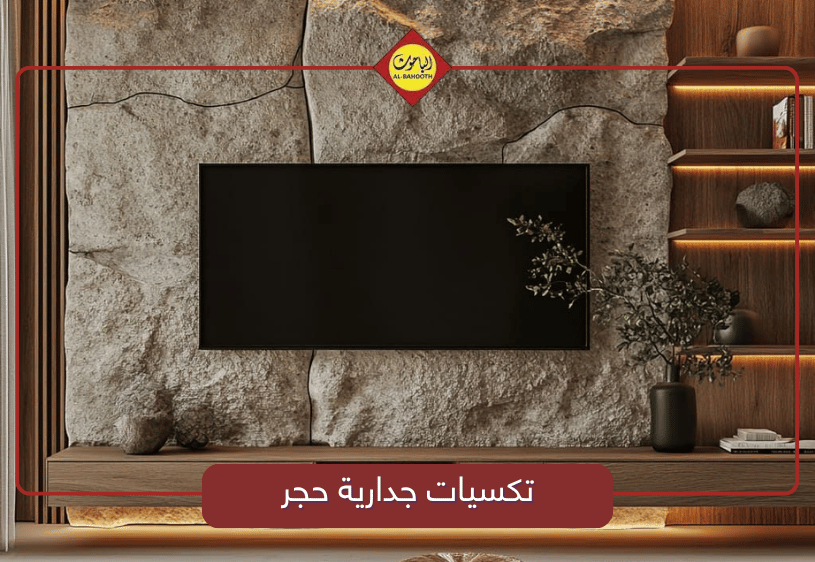
Stone wall cladding has become a widely favored choice for individuals and interior architects aiming to combine luxury, authenticity, and spatial warmth across residential and commercial properties in Saudi Arabia and the broader region. The versatile range between natural and engineered stone gives designers and property owners significant flexibility to align with personal aesthetics and budgets while preserving a balance between structural durability and cultural heritage.
This article explores the primary types of stone wall cladding, surface finishing methods, practical installation guidelines, and key design considerations to ensure successful project execution.
What Is Stone Wall Cladding?
Stone wall cladding consists of structural and decorative facing layers applied directly onto interior or exterior wall surfaces. Produced as slabs, thin strips, or carved tiles, stone cladding delivers organic character, timeless visual weight, and refined texture to architectural environments.
Beyond its aesthetic contribution, stone cladding serves clear functional purposes by aiding thermal control, sound dampening, and moisture resistance, while simultaneously shielding structural walls against daily impact and environmental wear.
Key Structural Formats
- Full-Bed Masonry Slabs: Thick, heavy stone cuts ideal for exterior facades and large-scale architectural projects requiring maximum structural presence and traditional solidity.
- Thin Stone Veneer: Lightweight, slender profiles well-suited for interior accent walls and rapid renovations without requiring heavy structural support footings.
- Freeform & Irregular Cut Stone: Asymmetrical shapes laid in organic arrangements to create rustic, nature-inspired, or traditional textured focal points.
- Composite Light Panels: Engineering solutions combining a natural stone veneer face with lightweight backing materials, enabling easier mounting with authentic stone aesthetics.
Choosing the proper format depends on whether the application is interior or exterior, project dimensions, structural weight limits, and overall design goals.
Types of Stone Wall Cladding
Natural Stone Options
- Marble: Delivers high visual luxury with distinct veining patterns, making it a staple for executive lounges and formal interiors.
- Granite: Offers exceptional surface hardness and resistance to abrasion, available in a broad spectrum of rich, earthy tones suitable for high-traffic environments.
- Slate: Features a natural layered texture and subtle earthy gradations, ideal for creating tactile feature walls.
- Limestone: Renowned for soft, light color palettes and smooth grain, fitting seamlessly into quiet, minimalist design schemes.
- Sandstone: Offers warm beige, yellow, and reddish hues with a grainy texture that adds cozy visual depth.
- Quartzite: Combines extreme durability with a subtle crystalline shimmer, standing up well to heavy wear and moisture.
- Basalt & Blue Basalt: Provides deep dark tones and dense composition, creating bold modern contrast in contemporary settings.
Engineered & Manufactured Stone Options
- Cementitious Stone Veneer: Molded from a blend of cement, lightweight aggregates, and mineral pigments to replicate natural stone shapes at reduced weight.
- Composite Wall Panels: Built using engineered fiber substrates or compressed fiber cement, providing uniform panel sizes and simplified installation.
- Ultra-Light Synthetic Panels: High-density lightweight panels designed for fast interior fitting, non-load-bearing partitions, or quick room refreshes.
Surface Finishing Styles
Surface treatment dramatically shapes both the visual impact and performance of stone cladding. Unrefined or split-face rock finishes (Rock Finish) highlight raw, three-dimensional textures, whereas honed or satin finishes (Soft/Honed Finish) yield smooth, soft-touch surfaces ideal for modern spaces. Irregular freeform layouts offer traditional craftsmanship appeal, while modern thin veneers ensure fast mounting and lighter dead loads on building foundations.
Why Choose Stone Wall Cladding?
Timeless Aesthetics & Property Value
Stone wall cladding adds lasting architectural quality that enhances overall property value. Its versatile nature allows harmonious integration into classic heritage layouts or minimalist modern spaces.
- Marble: Infuses refined luxury into interior reception areas.
- Slate: Introduces contemporary rustic texture to open-plan living rooms.
- Quartzite & Granite: Project strong visual presence and durability on main building entrances and feature facades.
Durability & Weather Resistance
Materials like granite and quartzite resist environmental wear, moisture absorption, and mechanical impact. This resilience minimizes ongoing maintenance demands, extends building life, and delivers a dependable long-term material investment.
Versatile Spatial Applications
- Living room focal walls for added warmth and character.
- Staircases and main hallways for textured continuity.
- Hotel lobbies and executive offices seeking a commanding visual presence.
- Exterior building facades requiring strong architectural identity.
- Garden boundary walls, verandas, and water features that connect built spaces with natural landscaping.
- Hybrid designs combining stone with glass, timber, or metal accents.
Interior & Exterior Application Guidelines
Interior Accent Walls
- Use thin stone veneer or manufactured panels in compact rooms or TV background walls to maintain floor area while gaining texture.
- Highlight grand lobbies, hotel reception areas, or restaurant walls using full-height marble or quartzite panels paired with focused lighting.
- Clad stairwell walls to create continuous vertical interest throughout multi-story homes.
Exterior Facades & Landscapes
- Apply durable granite or basalt to main entrance facades, window surrounds, and outdoor boundary walls.
- Use moisture-resistant stone cladding around garden planters and courtyard verandas to withstand outdoor humidity and sunlight.
Practical Selection & Installation Considerations
Installation Steps
- Surface Preparation: Ensure target walls are level, clean, and structurally sound. Apply waterproofing barriers where dampness is present.
- Mounting Systems: Secure heavy full-bed stone using mechanical anchors, stainless steel clips, or structural ties. Use high-performance polymer adhesives for lightweight thin veneers.
- Skilled Workmanship: Engage experienced technicians to execute precise corner cuts, edge alignment, and seamless jointing without cracking adjacent pieces.
- Structural Verification: Coordinate with structural engineers when specifying thick stone to confirm floor and wall load capacities.
Economic Factors
While natural stone requires a higher initial investment due to quarrying, transport weight, and skilled labor costs, engineered stone veneers offer an economical alternative. Manufactured panels cut shipping weight and installation time, lowering overall project expense.
Maintenance & Care
- Polished Surfaces (Marble): Require periodic re-sealing or polishing every 12 to 18 months to protect surface shine.
- Porous Stone (Sandstone/Limestone): Need anti-efflorescence and water-repellent sealers during installation to prevent staining and salt damage.
- Textured / Split-Face Stone: Benefit from regular dusting or soft-brush vacuuming to remove ambient dust from recessed joints.
- Grouting: Inspect joint sealant periodically and touch up hairline gaps to prevent moisture ingress behind cladding units.
Sustainability & Responsible Sourcing
Sustainable stone specification involves sourcing materials from responsibly managed quarries that observe environmental rehabilitation practices. Alternatively, choosing engineered stone or recycled aggregate composite panels reduces raw material consumption and minimizes shipping emissions.
Stone Cladding Integration by AL-Bahooth Furniture
Established in 1395 AH (1976 CE) by Ahmed Suleiman Ali AL-Bahooth, AL-Bahooth Furniture brings over four decades of expertise to interior spaces across Saudi Arabia. The firm takes an integrated approach—combining custom furniture manufacturing, spatial planning, and material selection to ensure wall finishes work seamlessly with interior decor.
Tailored Interior Coordination
AL-Bahooth’s design team coordinates stone wall cladding choices directly with custom furniture pieces, cabinetry finishes, and lighting layouts. Strategic lighting placement highlights stone textures and depth, creating cohesive, functional environments adapted to client preferences.
Key Service Strengths
- High-grade local manufacturing at Qassim Furniture Factory alongside curated imported materials.
- Custom furniture fabrication tailored to match stone feature walls and overall spatial aesthetics.
- Streamlined project execution from initial concept development to final on-site fitting.
- Expert combination of natural stone, timber accents, and modern lighting systems.
Key Challenges & Solutions
High Upfront Material & Labor Costs
Natural stone requires higher expenditure for extraction, transport, and expert fitting compared to standard paint or ceramic tiles.
- Solution: Utilize engineered stone veneers or reserve natural stone for high-impact focal walls while finishing adjacent areas with complementary surfaces.
Weight & Structural Loads
Heavy stone slabs place additional weight on building partitions, potentially requiring structural reinforcement.
- Solution: Select thin stone veneers or composite fiber panels for interior retrofits to achieve authentic stone looks without exceeding weight limits.
Frequently Asked Questions
What is the primary difference between natural and engineered stone cladding?
Natural stone is quarried directly from the earth, giving every piece unique vein patterns and colors. Engineered stone is manufactured using cement or resins mixed with natural stone aggregates and pigments, delivering lighter weight, consistent sizing, and lower material cost.
Which stone types are best for exterior facades in hot, arid climates?
Granite and quartzite are recommended for exterior applications in Saudi Arabia due to their high density, low water absorption, and resistance to thermal expansion and intense sunlight.
Can stone cladding be installed in smaller rooms?
Yes, using thin stone veneers (Thin Veneer) or light engineered panels allows small spaces to gain rich texture and visual warmth without sacrificing usable floor space.
How does humidity affect natural stone wall cladding?
Porous stones like sandstone or unsealed limestone can absorb moisture and develop salt efflorescence or surface discoloration over time. Applying breathable, clear protective sealants during installation prevents moisture penetration and preserves stone color.
Conclusion
Stone wall cladding combines natural luxury, architectural strength, and functional durability. By choosing the right stone material, selecting appropriate mounting methods, and partnering with experienced interior specialists like AL-Bahooth Furniture, you can create inviting, high-value spaces that endure for years to come.