Tables with elegant designs
When thinking about furnishing or renovating your home, the table is often the first thing that catches the eye and sets the overall tone of the space.
Makaseb
July 13, 2026 at 2:09 pm AST
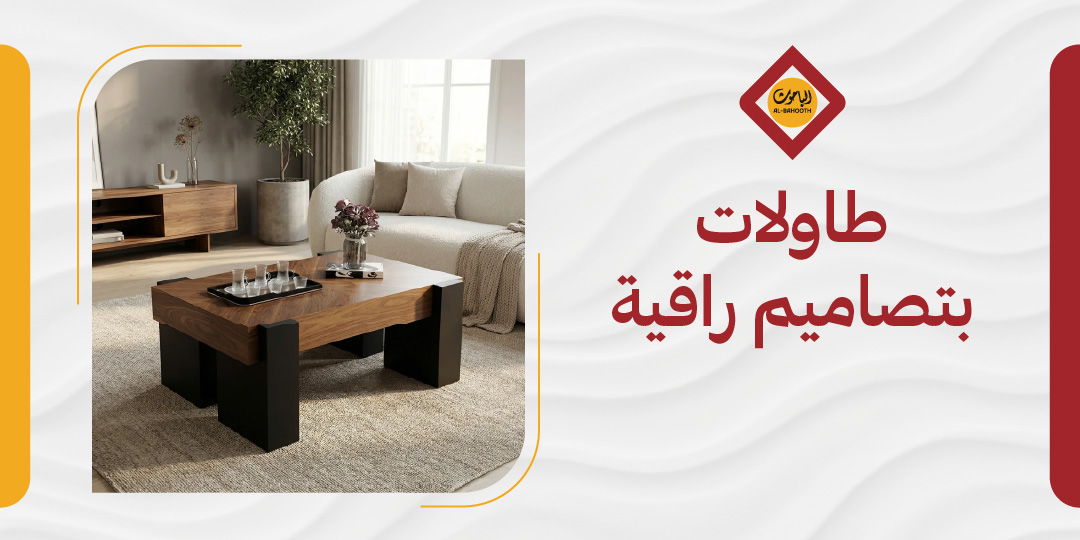
When thinking about furnishing or renovating your home, the table is often the first thing that catches the eye and sets the overall tone of the space. Tables with elegant designs are not just a functional piece of furniture; they are a visual element that reflects the homeowners' taste and adds a layer of sophistication and distinction to every room. These tables combine luxurious aesthetics, premium materials, and harmonious details to transform any ordinary space into an environment of comfort and admiration.
In this article, you will find a comprehensive guide covering everything related to tables with elegant designs—from the prominent materials used in their crafting to the most popular decor styles, alongside a curated selection to suit various tastes and spaces. Whether you are looking to make a direct purchase, seeking visual inspiration, or comparing available styles and materials, this article answers all your questions. For those wishing to browse a complete collection of tables with elegant designs tailored specifically to Saudi taste, you can visit the Al-Bahouth Factory and enjoy a wide range that blends quality with luxury.
Tables with Elegant Designs
When it comes to choosing furniture, tables with elegant designs occupy a completely distinct status compared to other pieces. Their function is not limited to daily use; rather, it extends to reflect their owners' taste and impart an aura of quiet elegance to the space. Refined design in modern furniture is no longer a luxury as much as it has become an essential standard for anyone seeking a cohesive interior environment.
1. How is Luxury Defined in Tables? Luxury in tables is not merely a glossy appearance or a high price tag. Instead, it is the authentic result of a balance between material quality, masterful craftsmanship, and aesthetic design. A luxurious table is one whose weight you feel when you touch it, whose precision you see when you contemplate it, and whose harmony with its surroundings you notice without it overpowering the room. This is what Al-Bahouth Factory strives for in every piece it produces—ensuring the material matches the design, and the design fulfills expectations.
2. What Elements Give a Table an Elegant Look? A combination of integrated elements shapes the identity of an elegant table, distinguishing it at first glance: Mastery in execution means every single detail—from the joints to the surfaces—carries clear craftsmanship that stands the test of time. Clean lines grant the table a calm visual presence that harmonizes with various modern decor styles. High-quality materials like solid woods, wrought metals, and tempered glass make the piece capable of withstanding daily use while maintaining its splendor. Color harmony within a single design generates a visual harmony that pleases the eye and establishes a sense of sophistication. Durability is a foundational pillar, because an elegant table does not lose its beauty or performance over the years. Subtle details like precisely treated edges and carefully studied decorative accents differentiate a truly elegant table from one that merely looks the part.
3. What Are the Differences Between Ordinary and Elegant Tables? An ordinary table performs its function and stops there; its materials are acceptable, its design is neutral, and its lifespan is tied to its lowest-quality component. In contrast, an elegant table is crafted with an entirely different philosophy from the ground up, starting with the selection of the raw material and ending with the final finishing touch, with meticulous attention paid to everything in between.
The difference is not limited to appearance but extends to the entire experience with the piece. An elegant table maintains its visual stability over time, withstands frequent use without showing wear, and continues to add aesthetic value to the space rather than becoming a neutral or bothersome element as days go by.
Popular Styles of Elegant Tables
Choosing the right style for your table is not just an aesthetic decision; it is a reflection of the home's overall style. Before deciding what suits you, consider the nature of the surrounding furniture, the wall colors, and the available space—all these factors will guide you toward a specific style without creating visual clashing.
1. The Classic Style This style relies on curved and sculpted lines, paying immense attention to decorative details that give the piece the feel of an antique. Solid wood is the most prominent material here, often crafted using hand-carving or gilding techniques to add further luxury. This realm includes classic Majlis tables, dining tables with carved tapered legs, and coffee tables inlaid with intricate details.
2. Modern Design Characterized by clean lines and strict geometry, this style sheds complex ornamentations in favor of smooth surfaces and neutral colors. Tables with elegant designs within this style utilize materials such as polished metal, tempered glass, and light-colored wood—materials that grant the space a visual lightness without detracting from its grandeur.
3. Neoclassical Neoclassical is the middle ground between heritage and modernity. It retains classic details like turned legs and defined frames, but simplifies them and strips them of exaggerated complexity. The result is a piece that feels deeply sophisticated without appearing heavy or overly formal.
4. The Blend of Heritage and Modernity This trend is expanding rapidly, combining the spirit of Arabic, Moroccan, or Andalusian heritage with contemporary touches in finishes and materials. Choosing this style requires a delicate balance so the piece does not look out of context.
Key features of this blend include: Merging dark walnut wood with matte gold metal legs produces a balance between warmth and elegance. Pairing marble with a black or gold metal frame delivers a highly elegant look perfectly suited for large living rooms. Placing clear glass over a carved wooden base lightens the weight of the traditional design while adding calculated modernity. Utilizing Islamic geometric patterns in inlays alongside a modern finish achieves a unique design identity.
Premium Materials Used in Tables
The material is not just a building block; it is the element that determines the table's quality and defines its visual and functional identity. When discussing tables with elegant designs, true luxury begins with the choice of raw material before anything else. At Al-Bahouth Factory, materials are chosen meticulously to strike a balance between aesthetics and durability, making every table a lasting, stunning masterpiece.
1. Advantages of Natural Wood Natural wood, particularly oak, is one of the most expressive materials for authenticity and warmth in interior design. It is characterized by its organic texture and natural grain details that make every piece one of a kind. Natural wood boasts high solidity, making it capable of enduring heavy daily use without losing its form. Oak wood, specifically, is a dense wood that resists scratches remarkably well compared to lighter woods. Maintaining natural wood is relatively easy; wiping it down with a damp cloth and periodically refreshing its protective layer is sufficient. Wood infuses tables with elegant designs with a warm, sleek character that blends classicism and modernity at once.
2. Characteristics of Luxury Marble Polished marble gives any table an exceptional presence that cannot be missed, and it is one of the oldest materials associated with luxury and prestige. Its glossy surface and unique natural veining make it an irreplaceable choice. However, marble is more sensitive to stains compared to synthetic materials, meaning it requires periodic care and the use of appropriate cleaning agents to protect it from acids and colored liquids. Despite this, its durability to withstand daily use remains high when properly maintained.
3. Benefits of Quartz Quartz is a modern engineered material that combines the visual beauty of marble with superior functional performance in heavy-use environments. It is manufactured with high precision, making its surface uniform and highly resilient. Quartz outperforms marble in stain resistance, as its dense composition prevents it from absorbing liquids. Its surface is incredibly hard and effectively resists scratches, making it ideal for daily-use tables. It is extremely easy to maintain and does not require periodic sealing treatments like natural marble. Quartz contributes to elevating the standard of tables with elegant designs thanks to the wide variety of colors and finishes available.
4. Where to Use Tempered Glass Tempered glass is particularly suited for spaces where an illusion of spaciousness and visual lightness is desired, such as small living rooms or areas with abundant natural light. It features high resistance compared to ordinary glass, and it gives tables with elegant designs a sleek, contemporary presence that highlights the surrounding design elements. Cleaning it is quick and requires no special care, making it practical alongside being aesthetic.
5. The Role of Metal Bases in Supporting Elegant Design Metal bases are not just structural elements; they are an inherent part of the design language in tables with elegant designs. Whether they come in a gold, matte black, or polished silver finish, they grant the table high stability and solidity while adding an elegant architectural touch that complements the beauty of premium tops, whether they are made of wood, marble, or glass.
How to Choose the Right Table for Your Decor
Choosing a table is not merely a functional decision; it is part of an integrated visual ecosystem that defines the look of the entire room. Tables with elegant designs deserve to be placed in the correct context, where the size aligns with the space, the color matches the walls and flooring, and the overall shape harmonizes with the surrounding elements. Understanding these relationships makes the final result more cohesive and deeply impactful.
1. How Do We Determine the Right Size? Determining the size is a foundational step before making any other decision, as it depends on the nature of the space and the manner of use. The total space of the Majlis or room must be measured before choosing any table, leaving enough clearance for movement on all sides. In large reception rooms, tables with a wide diameter or elongated shapes look more proportional to the scale of the seating area. Small square or rectangular tables suit limited-space areas without crowding the visual environment. The appropriate height of the table is tied to the height of the surrounding seats—a detail that is often overlooked but heavily impacts practical comfort. In rectangular rooms, it is recommended to choose a table that mirrors the same direction to enhance overall visual symmetry.
2. What Are the Best Colors for Modern Majlis Spaces? Neutral colors dominate modern living room designs for good reason; beige, gray, and shades of off-white grant the space a degree of visual calm and open the door to multiple styling configurations without clashing. These colors allow you to swap accessories and textiles around the table without needing a complete rearrangement, keeping the decor flexible and refreshed at a lower cost.
3. How Do We Coordinate the Table with Rugs and Lighting? A table is not an isolated element; its visual value is shaped through its relationship with its surroundings. The rug placed beneath the table defines the boundaries of the seating area, so it is preferable for its size to be larger than the table enough to anchor the entire seating arrangement. Curtains, in turn, complete the picture, and often a shared color tone between them and the table is enough to achieve harmony. As for lighting, a light source directed toward the table or suspended above it gives it a special presence that highlights the quality of the material and design.
4. Special Considerations for Narrow vs. Wide Rooms Narrow rooms require tables with slim legs or open designs that allow the flooring to be seen, giving an illusion of a wider space and visually lightening the weight of the furniture. Conversely, spacious rooms can accommodate larger tables with bolder details, both in material and shape, without looking out of proportion. The core metric in both cases is maintaining a clear visual balance between the table and the rest of the pieces around it.
Comparison Between Styles and Materials
Choosing the right material for the table directly impacts the look of the space and the longevity of the furniture. This comparison helps you understand the core differences between the prominent materials and styles available, so you can make an informed purchasing decision based on clear facts rather than guesswork.
1. Wood vs. Marble Wood and marble are among the most widely used materials in manufacturing tables with elegant designs, and each has a different nature that suits specific needs. Wood is distinguished by its visual warmth and relative lightness in weight. It is easy to shape and adapts to a broad spectrum of decor styles. On the downside, it requires periodic care to maintain its luster and can be affected by moisture if not treated correctly. Marble grants the space a grandeur and visual weight that other materials cannot match, and it resists heat well. However, it is heavy, prone to scratching if not handled with care, and usually carries a higher cost compared to wood.
2. Quartz vs. Glass Quartz and glass appear frequently in contemporary tables and share a sleek, elegant visual feel, yet their practical characteristics differ significantly. Quartz is a composite engineered material that combines high hardness with stain and scratch resistance. It is less porous than marble, making it easier for daily maintenance. Glass imparts a sense of openness and lightness to the space and is easy to clean, but it requires avoiding direct, heavy impacts.
Key practical differences between the two materials: Quartz is more resistant to daily scratches compared to tempered glass. Glass gives the room a sense of visual expansiveness thanks to its transparency. Quartz is heavier, making the table crafted from it more stable. Glass requires more frequent cleaning because fingerprints show clearly on it. Quartz is available in multiple colors and patterns that mimic the look of natural stone.
3. Classic vs. Modern Tables The classic style and the modern style represent two different philosophies in furniture design. Knowing the difference between them helps you determine what aligns with your space's identity.
Decorative Details: Classic tables rely on carvings, engravings, and curves, while modern ones depend on clean lines and smooth, ornament-free surfaces. Common Materials: The classic style leans toward heavy woods and gold-toned metals, while the modern style adopts glass, steel, and wood with matte finishes. Space Suitability: Classic tables suit rooms with high ceilings and rich, opulent decor, whereas modern ones integrate seamlessly with open, minimalist spaces. Ease of Blending: It is easy to blend modern tables with different styles of furniture pieces, while classic ones require a homogenous decor context so as not to look out of place. Visual Presence Value: Classic tables create a strong presence, making the table a primary centerpiece in the room, whereas modern ones feature an ability to blend in without overpowering other elements.
Conclusion
Choosing the right table is not merely a practical decision; it is a touch that defines the entire personality of a home. Tables with elegant designs grant any space a clear identity, whether it is a reception hall, a dining room, or a workspace, by combining functionality and aesthetics in a way that makes the environment more harmonious and expressive of its owners' taste.
If you are looking for a table that combines quality with professional design, Al-Bahouth Factory offers a comprehensive collection that caters to various tastes and needs. We invite you to visit the official website to discover the perfect fit for your space.