The Ultimate Guide to Kitchen Materials: Understanding Differences in Structure, Durability, and Aesthetics
Compare kitchen cabinet materials—aluminum, alumital, wood, acrylic & cladding—by durability, moisture resistance, and budget to choose right with Bahooth Factory.
Makaseb
September 3, 2026 at 2:09 pm AST
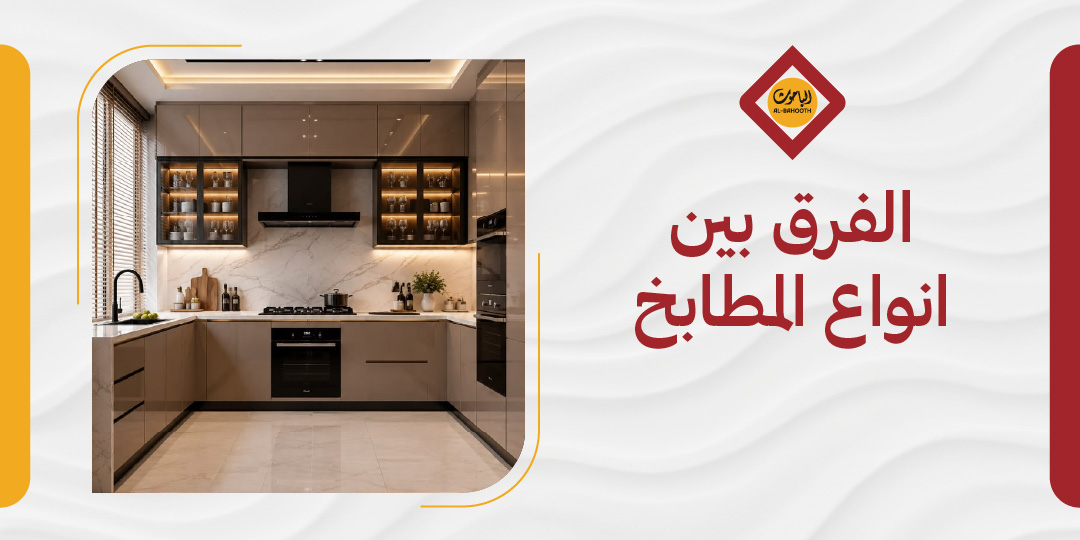
The differences between kitchen types go far deeper than they appear at first glance. The abundance of trade names in the market—such as aluminum, Khashmonium, alumital, natural wood, acrylic, cladding, and fiber—makes comparing kitchen cabinet materials a confusing task for anyone seeking a kitchen that suits their home and daily routine. A common mistake is selecting a kitchen based solely on appearance or a initial price quote. This often leads to frequent maintenance issues or a kitchen that fails to withstand humidity and the heavy demands of daily cooking in Saudi households.
This article serves as a comprehensive decision guide comparing the most common kitchen cabinet materials in terms of structure, durability, ease of cleaning, appearance, maintenance, and relative budget. It is vital to note early on that the quality of profiles, hardware accessories, and installation methods can fundamentally transform the end result within the exact same material category, regardless of its marketing title. Before reading further to make your final choice, gather your kitchen measurements, site photos, and estimated budget, then request an on-site inspection and detailed written specifications before signing any contract. This is precisely what Bahooth Factory offers: specialized expertise in kitchen manufacturing and tailored solutions for every space and need. You can contact their team directly through Bahooth Factory to receive a expert consultation before taking any step.
Classifying Kitchen Types by Manufacturing Materials
Before discussing the differences between kitchen types, it is essential to understand how these materials are categorized. Many people hear a single commercial name and assume it describes the entire kitchen. In reality, a kitchen consists of distinct layers: the cabinet carcass structure, the door core filling, the front panel or coating, and the hardware accessories—each of which may be made from entirely different materials. Options available on the market include aluminum, alumital, Khashmonium, sheet metal (Saj), natural wood, and engineered woods such as MDF and HPL, in addition to cladding, acrylic, and fiber finishes. Some of these actually describe a finishing system or design style rather than an independent structural material.
1. What Is the Carcass Material? The cabinet carcass is the backbone of any kitchen design, determining the structural rigidity and long-term load capacity of each unit. Alumital or aluminum kitchens are typically built on an outer aluminum frame, but the internal door filling may consist of single or double fiber panels depending on the specification. Therefore, relying on the generic name is not enough; you must ask the manufacturer specifically about the type and thickness of the inner filling to understand what you are purchasing.
2. What Is the Front Panel Material? The front panel is what you see and touch, and it differs fundamentally from the carcass material. Khashmonium, for example, often utilizes an aluminum structural frame, but features a thicker, raised filling or finish that mimics natural wood grain or 3D carvings, giving the front a luxurious visual appeal. However, one should not assume it is a literal blend of real wood and metal without reviewing the complete technical specifications.
3. Why Are Commercial Names So Confusing? The primary reason for overlapping kitchen terminology is that trade names originated in diverse marketing environments and often describe a finish or design style rather than the underlying raw material. Furthermore, the quality of a single material can vary drastically from one vendor to another due to key factors:
- Profile Thickness: The thickness of the aluminum used in the frame or carcass dictates unit rigidity and resistance to warping.
- Edge Banding and Paint Quality: Directly impact front panel durability and resistance to scratches and moisture.
- Fiber Core Quality: The density and type of fiber used in door cores create a clear difference in panel weight and thermal insulation.
- Hardware Accessories: The quality of hinges and drawer slides determines daily operational efficiency and moving part longevity.
- Assembly Precision: Expert assembly and installation transform quality materials into a solid, long-lasting kitchen.
Aluminum vs. Sheet Metal (Saj) Kitchens
The choice between sheet metal (Saj) and aluminum kitchens cannot be settled by labeling one as absolutely "better." Instead, it is governed by detailed structural factors: the base metal used, the protective coating applied, manufacturing precision, and the daily operating environment. Understanding these aspects leads to a clearer decision tailored to your kitchen.
1. Structural Weight Differences Sheet metal (Saj) kitchens are constructed mainly from iron or steel coated with protective layers, granting them high mechanical strength and structural load resistance, though they are noticeably heavier than aluminum. Conversely, aluminum kitchens are inherently lightweight, making them easier to transport and install while reducing structural strain on walls. However, this lighter weight requires adequate profile thickness and precise joinery to ensure long-term stability of doors and hinges.
2. Moisture and Corrosion Resistance Aluminum naturally resists rust and corrosion due to its elemental composition, making it a highly practical choice for areas prone to steam or located directly adjacent to the sink. Coated sheet metal, on the other hand, relies entirely on the integrity of its surface protective layer. When this coating is damaged or edges are continuously exposed to water, the base metal becomes vulnerable to gradual rusting.
When evaluating kitchens in this category, keep these inspection steps in mind:
- Inquire about the exact metal type used in both the unit carcasses and door frames.
- Check the thickness of profiles or metal sheets, as thickness directly governs stability and warp resistance.
- Inspect the protective surface coating or paint, ensuring it completely seals edges and drill holes.
- Examine how corners and screw penetrations are sealed, as these are primary points for moisture ingress.
- Ask for written warranties against rust and installation defects to prevent future issues.
3. Choosing the Right Metal for Your Needs Sheet metal suits those who prioritize maximum mechanical strength, provided the units feature high-quality surface coatings and receive routine care along door edges and base cabinets. Aluminum is better suited for kitchens exposed to frequent steam or placed near sink zones, offering lightweight operation and effortless cleaning. In both cases, common documented failures are rarely tied to the raw metal alone; water trapped behind cabinets, deep surface scratches, and unsealed edges accelerate deterioration regardless of metal type. Always inspect the sink base cabinet and floor-level units thoroughly when making a purchase.
Understanding Alumital vs. Khashmonium
Many homeowners experience confusion when comparing aluminum, alumital, and Khashmonium because commercial names overlap and visual finishes look similar. Distinguishing between these kitchen types requires evaluating three core elements rather than relying on color or marketing labels: frame structure, internal core filling, and exterior finish.
1. Door Panel Construction In the kitchen market, the term "alumital" generally refers to aluminum-framed kitchen doors containing a fiber core panel, which can be specified as single or double fiber. The thickness and density of this fiber core directly influence door rigidity, tactile weight during operation, and thermal insulation performance. Khashmonium similarly utilizes an aluminum frame structure but incorporates a specialized finish or textured filling that replicates 3D wood grains, delivering the aesthetic warmth of wood alongside the moisture resistance of metal.
2. Is the Difference Purely Aesthetic? The distinction between Khashmonium and alumital kitchens is not necessarily found in the base structural material, but in the finishing application, core thickness, and coating method. While the difference among aluminum, Khashmonium, and alumital may appear purely aesthetic at first glance, it directly affects the texture, depth, and overall feel of the cabinetry. Never generalize without reviewing a physical cross-section sample that clearly displays internal structural layers, as commercial naming standards vary significantly across suppliers.
3. Evaluating Price Premiums Khashmonium often commands a higher price point than basic alumital due to intricate finishing processes, specialized paints, and textured surface depths. Evaluating this price difference requires a balanced technical comparison:
- Core Filling Thickness: Verify whether the internal fiber filling is single or double layer, as this dictates long-term panel stability.
- Color Fastness: Test sample finishes under standard kitchen lighting, as appearance can shift between small swatches and full-scale cabinetry.
- Hardware Quality: Ensure high-grade hinges and hardware are included, as beautiful surface finishes cannot compensate for weak mechanical components.
- Batch Color Matching: Confirm future color availability if you plan to add units later, as dye lots can vary between production runs.
Deciding between these options cannot be resolved by names or photos alone. Tactile inspection of surface textures and reviewing finishes under actual kitchen lighting are the most reliable ways to make an informed decision.
Natural Wood vs. Alumital Kitchens
Comparing natural wood and alumital kitchens comes down to a core question: do you prioritize warm aesthetics and custom craftsmanship, or operational durability and moisture resistance? Both materials serve distinct design goals and environmental conditions.
1. Advantages of Wood Kitchens Natural wood and high-grade engineered boards like MDF offer rich design character, whether crafting a classic kitchen with intricate detailing or a contemporary modern space with clean lines.
- Design Flexibility: Wood allows for rich decorative elements, carved details, and framed panel doors that are difficult to achieve with metallic alternatives.
- Vast Finish Variety: Offers extensive options in stains, paints, and veneer finishes to match diverse interior design preferences and budgets.
- Warm Aesthetic: Properly treated wood creates an inviting, premium atmosphere that metal surfaces cannot fully replicate.
2. Challenges of Wood Kitchens Wood's sensitivity to water varies depending on species selection, protective sealants, and edge-banding quality. Unprotected wood panels can develop noticeable issues over time.
- Moisture Vulnerability: Continuous exposure to steam or leaks around sinks and dishwashers can cause unsealed panel edges to swell or delaminate.
- Critical Edge Banding: High-quality edge sealing is essential, as exposed edges are the first point of moisture absorption.
- Maintenance Requirements: Wood requires proper ventilation and periodic maintenance to retain its structural integrity and finish over time.
3. Advantages of Alumital Kitchens Alumital kitchens excel in heavy-use environments or humid conditions, combining modern visual appeal with practical daily performance.
- Superior Moisture Resistance: Naturally resists humidity and steam, making it ideal for spaces with limited ventilation.
- Easy Maintenance: Smooth metallic and fiber surfaces allow grease and cooking splatters to be wiped clean effortlessly.
- Color Versatility: Available in a wide array of colors and panel inserts, adapting seamlessly to modern architectural styles.
4. Challenges of Alumital Kitchens Alumital is not without limitations; low manufacturing standards reveal flaws quickly, making supplier selection critical.
- Quality Dependency: Inferior aluminum profiles can suffer from door alignment sagging or loose hardware over time.
- Unrefined Edges: Poorly finished edges on budget alumital panels can be visually unappealing and degrade overall finish quality.
- Installation Precision: Accurate site measurements and precise assembly are paramount to achieving a seamless final installation.
If your priority is classic craftsmanship, warm design aesthetics, and customized detailing—and your space features good ventilation with a commitment to routine care—properly sealed wood is an excellent choice. However, if your kitchen experiences high humidity, heavy daily cooking, or demands easy cleaning, alumital offers superior performance.
Modern Front Finishes: Acrylic, Cladding, and Fiber
Acrylic, cladding, and fiber are not necessarily competing structural materials; rather, each may serve as a distinct layer within a single door assembly—such as an exterior veneer, an internal filling, or a protective backing—depending on the manufacturer's system. Always secure a written breakdown of each door layer before comparing options.
1. Performance of Acrylic Fronts Acrylic front panels are defined by high-gloss, light-reflective surfaces and ultra-smooth textures, making them a popular choice for open-concept kitchens that require strong visual impact. Evaluating acrylic requires checking scratch resistance ratings, edge-banding seamlessness, and ease of cleaning. High-gloss finishes naturally show fingerprints and wipe marks more readily than matte options; test cleaning on an inconspicuous area using non-abrasive cleaners as recommended by the manufacturer.
2. Applications for Cladding Cladding is frequently featured as a decorative door front solution, but material specifications vary significantly between suppliers. A proper evaluation must account for aluminum composite panel quality, surface coating durability, edge attachment methods, and resistance to color fading from heat and routine scrubbing. Evaluating cladding by name alone without these details provides an incomplete comparison.
3. The Role of Fiber Panels Fiber functions primarily as an internal core filling within alumital door frames rather than an exterior front panel. The distinction between fiber and aluminum kitchens is that alumital forms the structural frame, while fiber serves as the insulating core. Key quality factors include whether the fiber is single or double layer, its density, and how securely it is integrated into the frame. These factors govern door weight, structural feel, and long-term flatness.
Step-by-Step Decision Framework
Selecting a kitchen requires an understanding of materials and technical specifications rather than comparing prices alone. True differences between kitchen types lie in internal details that dictate actual service life.
1. Analyze Environmental Conditions First Ambient humidity and daily usage intensity dictate material selection. A kitchen subjected to continuous steam requires a far more moisture-resistant carcass structure than a kitchen in a dry, low-use setting. Assess your space requirements first, then select compatible structural and front materials.
2. Compare Detailed Quotes, Not Just Final Prices When evaluating vendor proposals, ensure you are comparing identical specifications: panel thickness, core filling density, edge-banding quality, hardware brands, and installation methods. Quotes with similar price tags often differ dramatically in internal material quality. The true distinction between kitchen types lies beneath the surface.
3. Follow a Structured Four-Step Purchasing Process Before placing an order for custom cabinetry, follow this sequence:
- Define Priorities Clearly: Rank durability, aesthetic style, and maintenance effort based on your lifestyle.
- Require Professional Site Measurements: Obtain accurate space layouts and technical drawings before finalizing designs.
- Inspect Physical Samples: Review cutaway material samples and insist on detailed written specifications rather than verbal promises.
- Select Warranted Contracts: Choose proposals that include comprehensive post-installation warranties and reliable customer service.
4. Document Specifications and Warranties in Writing Verbal agreements offer no legal or practical protection. Secure a detailed contract specifying exact material types, sheet thicknesses, hardware models, and warranty terms. This step safeguards your investment and guarantees that the delivered product matches your agreed specifications.
Frequently Asked Questions
1. What are the best materials for kitchen cabinets? There is no single "best" material for every application. When moisture resistance is the top priority, alumital, Khashmonium, and aluminum serve as highly practical options. For warm aesthetics and intricate custom designs, treated wood or high-grade MDF is preferred. Acrylic and modern surface finishes are selected primarily based on visual taste and ease of daily cleaning. Before starting fabrication, consult a specialized manufacturer like Bahooth Factory for on-site inspections, material samples, and detailed technical specifications.
2. What is the difference between Polylac and HPL? Comparing Polylac and HPL requires reviewing board substrate layers, surface coating technologies, and manufacturing press methods directly from the supplier. Inspect physical samples for scratch resistance, heat tolerance, moisture resistance, edge-banding quality, and manufacturer warranties. Avoid assuming absolute superiority of one over the other without evaluating specific product spec sheets.
3. What are the top modern kitchen choices? Popular modern kitchen front choices include alumital, Khashmonium, cladding, acrylic finishes, and contemporary wood veneers. Each offers distinct visual styles and performance characteristics. The ideal choice strikes a balance between clean design, functional storage layout, premium hardware, and proven resistance to daily heat and humidity.
4. What is the difference between Cladding and HPL? While both cladding and HPL are utilized for architectural surfacing and door fronts, installation methods and material compositions differ by manufacturer. The correct approach is to review written specification sheets and inspect physical samples, comparing layer counts, edge-banding durability, environmental suitability, ease of cleaning, and warranty coverage for both materials.
Conclusion
The difference between kitchen types cannot be summarized by a trade name or a catalog photo; it resides in every technical detail of the manufacturing process. If you are seeking a kitchen that combines quality craftsmanship with certified warranties, contact Bahooth Factory to request a site inspection, material comparison, and itemized quotation before beginning fabrication. The team at Bahooth Factory provides an end-to-end consulting experience—from initial precision measurements to documented post-installation warranty support.