Types of kitchen cabinets
Many homeowners in Saudi Arabia search for suitable types of kitchen cabinets for their space and environment, whether they are outfitting a new kitchen or renovating an existing one.
Makaseb
August 10, 2026 at 1:01 pm AST
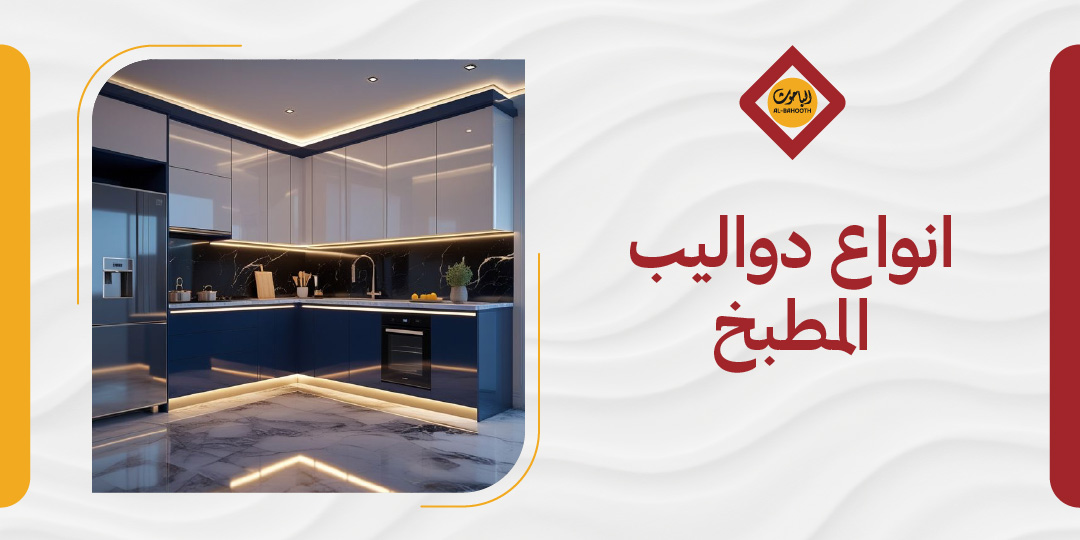
Many homeowners in Saudi Arabia search for suitable types of kitchen cabinets for their space and environment, whether they are outfitting a new kitchen or renovating an existing one. This choice is not merely an aesthetic decision; it is a practical one directly tied to the nature of the material, its degree of moisture resistance, and its ease of daily cleaning. Cabinets made from materials ill-suited to the Saudi environment can deteriorate in a short time due to humidity or heavy use, incurring unexpected extra costs for homeowners.
Kitchen cabinet types range from natural wood and aluminum to PVC and MDF, each possessing distinct characteristics that make it ideal for specific scenarios. Small kitchens require smart storage solutions that optimize every centimeter, while high-usage kitchens demand the most durable and resistant cabinetry. To avoid choosing the wrong material or suffering from poor installation, Bahooth Factory offers custom-made kitchen fabrication backed by extensive experience in the Saudi market, guaranteeing modern, long-lasting cabinets. Contact Bahooth Factory today for a free consultation to determine the ideal kitchen cabinet types for your actual needs.
What Are the Most Popular Materials for Kitchen Cabinets?
The structural material of your kitchen cabinets is not a minor detail; it is the primary factor determining your kitchen's lifespan and daily appearance. A comprehensive comparison of kitchen cabinet types reveals that each material comes with distinct advantages and limitations depending on the operating environment. Furthermore, execution quality—such as panel thickness, hinges, and hardware—impacts overall performance just as much as the raw material itself.
1. Features of Natural Wood in Kitchen Cabinets
Natural wood remains a top choice for those seeking a warm, luxurious aesthetic. However, it requires careful treatment prior to installation to maintain its shape and performance over time.
- Gives the kitchen a sophisticated character that is hard to replicate with other materials.
- Requires special painting and moisture-proofing treatment before installation.
- Can be affected by direct exposure to water if not properly treated.
- Can be easily repainted and refinished compared to synthetic alternatives.
- Best suited for kitchens that do not experience constant, heavy water exposure.
2. Reasons for Choosing Aluminum in Kitchen Materials
Aluminum is a practical material par excellence, particularly in the Gulf region's climate, which combines high humidity with extreme temperatures. Many residential and commercial kitchen owners prefer it for its durability and low maintenance.
- Highly resistant to water and rust without requiring extra protective treatments.
- Withstands heavy daily use without displaying rapid wear and tear.
- Easy to clean; stains and grease can be removed effortlessly.
- Unaffected by fluctuations in humidity common to the region.
- Retains its appearance for a long time with minimal maintenance.
3. Cases Where MDF Is Suitable as a Kitchen Material
MDF is a popular choice among budget-friendly kitchen cabinet types, valued for its manufacturing flexibility and wide array of color options. However, its use requires careful attention to edge-banding and finishing quality.
- Lower in cost compared to natural wood and aluminum, making it ideal for limited budgets.
- Easily shaped and accommodates various surface laminates, vinyl, and paint finishes.
- Requires complete, seamless sealing on all edges to protect against moisture penetration.
- May swell or warp if exposed to standing water for extended periods without adequate protection.
- Quality fabrication and appropriate panel thickness significantly enhance performance.
4. How Practical Is PVC in Kitchen Cabinets?
PVC occupies a middle ground between economical and durable materials. It represents a practical option for those seeking a balanced combination of price and daily resilience.
- Offers moderate resistance to humidity, making it safer than MDF in damp environments.
- Easy to clean and requires no special handling for everyday maintenance.
- Provides a clean appearance with multiple color options to fit diverse designs.
- Strikes a reasonable balance between cost and durability among available kitchen materials.
- Does not match the structural rigidity of aluminum or well-treated natural wood.
What Is the Difference Between Design and Material?
Many people assume that choosing among kitchen cabinet types depends solely on the material. In reality, the functional layout of the cabinet units dictates how effectively you utilize your space. Understanding the role of each unit type is the essential first step before selecting materials or colors.
1. What Are Base Cabinets?
Base cabinets are primarily designed to accommodate heavy storage, such as large cookware, pots, and small appliances that are not used daily. Located near floor level, they bear substantial weight without requiring heavy lifting, reducing strain during routine kitchen tasks.
2. What Is the Importance of Wall Cabinets?
Wall cabinets utilize vertical wall space rather than leaving it as unexploited void. They are typically reserved for lighter utensils, tableware, and less frequently used items. They play a vital role in small kitchen layouts by multiplying storage capacity without taking up floor space.
3. How Do Pantry Units Serve You?
Pantry units provide organized, full-height storage for food supplies and frequently accessed items. Characterized by their vertical structure, they combine easy access with clear organization and serve as a core element in kitchen space distribution by preventing item clutter elsewhere.
4. What Is the Role of Accessories?
Internal hardware and accessories elevate unit efficiency to a whole new level:
- Pull-out drawers and pantries: Allow full forward access to contents instead of searching deep inside dark cabinets.
- Drawer organizers: Divide internal space into clear compartments for every tool type.
- Revolving corner units (Lazy Susans): Resolve dead space issues in kitchen corners, turning them into fully functional storage.
These details directly impact movement and efficiency inside the kitchen—especially in small layouts where every centimeter counts. For this reason, Bahooth Factory provides a 3D design draft before executing any project, ensuring precise spatial layout and eliminating distribution errors prior to manufacturing.
How to Choose Based on Space
Selecting kitchen cabinets depends not only on taste, but also on understanding the available square footage and daily usage patterns. A small kitchen requires entirely different solutions than a large one, and both are influenced by environmental factors such as humidity. Understanding these factors helps you select kitchen cabinet types that genuinely serve your operational needs rather than just filling space.
1. What Is the Solution for a Small Kitchen?
A small kitchen does not mean compromising on organization or capacity; it requires smart utilization of every centimeter. The core strategy relies on vertical storage and design choices that create a visual sense of spaciousness without overwhelming the room.
Key practical solutions for small kitchens include:
- Utilizing full wall height with upper cabinets extending up to the ceiling to maximize storage capacity without consuming floor space.
- Selecting light-colored cabinet faces to reflect light and make the space feel larger.
- Choosing handleless door profiles to eliminate visual clutter and facilitate smooth movement in narrow spaces.
- Relying on multi-functional storage units that combine capacity with versatility for greater organizational flexibility.
2. What Suits Large Spaces?
Large kitchen spaces provide greater freedom in design and material selection, but they also require clear planning to avoid looking sparse or disconnected. The goal is to fill the volume with both functional and aesthetic balance.
Key recommendations for large kitchens include:
- Adding a kitchen island to double prep space and provide additional storage underneath.
- Mixing face materials—such as combining wood with glass, or matte with gloss finishes—to add visual depth to the overall design.
- Allocating specialized storage units based on daily usage habits and family size to keep the kitchen organized and efficient.
3. How Does Humidity Impact Your Choice?
Humidity is one of the most overlooked factors when selecting kitchen cabinet types in Arab homes, despite being a primary driver of cabinet degradation over time. Hot, humid environments accelerate damage to unsuitable materials, making maintenance frequent and costly.
Selecting a moisture-resistant material is therefore essential, particularly in high-use kitchens. Surface cleanability is equally important: smooth, non-porous surfaces retain their appearance longer and require less maintenance effort. Aligning daily usage habits, family size, and ambient environmental conditions is what ultimately determines the ideal material for your kitchen.
What Is the Approximate Cost?
When planning a kitchen renovation or building from scratch, the most pressing question is usually: "How much will this cost?" The straightforward answer is that there is no fixed figure applicable to everyone, as costs are driven by multiple interacting variables that differ from project to project. Understanding these variables helps you set a realistic budget and make informed choices.
1. Factors Influencing the Price
The final cost of any kitchen cabinet setup is determined by several interconnected elements:
- Material: Price varies substantially between natural wood, MDF panels, aluminum, and melamine boards.
- Panel Thickness: Thicker panels increase upfront costs, but deliver greater durability and a longer cabinet lifespan.
- Hinge Type: Soft-close hinge systems are costlier than standard hinges, noticeably affecting the total budget when multiplied across all doors.
- Internal Accessories: Silent-slide drawers, pull-out wire baskets, and specialized corner organizers add high functional value, but increase overall investment.
- Linear Meterage: Pricing is typically calculated per linear meter, meaning greater total cabinet length directly increases total cost.
Investing in higher-quality materials upfront can save substantial future repair and replacement costs that far exceed the initial price difference.
2. Custom Manufacturing Is Better Than Ready-Made
Comparing ready-made kitchen cabinets to custom-fabricated units highlights a fundamental difference beyond price alone: space utilization efficiency.
- Ready-made cabinets come in fixed, standardized dimensions, meaning they rarely fit your kitchen's exact layout perfectly—often leaving wasted corner space or awkward gaps between units.
- Custom kitchen cabinets are built to precision measurements matching every centimeter of your room, eliminating gaps, maximizing corner storage, and adapting to non-standard ceiling heights.
Bahooth Factory provides detailed, transparent price quotes based on your selected materials and actual site measurements—without vague estimates or hidden fees—giving you complete clarity on your investment.
What Are Common Mistakes to Avoid?
1. Is Beauty Enough?
An attractive design alone does not guarantee a successful kitchen. Selecting overly tall or excessively deep cabinets can hinder daily access and make the workspace uncomfortable. Many kitchen cabinet types look appealing in showrooms but fail under real daily use because they were not tailored to user ergonomics, resulting in early dissatisfaction and rework costs.
2. What About Poor Installation?
Professional installation directly determines the actual lifespan of your cabinetry. Hinge misalignments, uneven door gaps, and sticky drawers are direct outcomes of substandard installation. For cabinets made from moisture-sensitive materials, poor installation accelerates structural damage, causing problems within months.
3. Was Maintenance Overlooked?
Planning for long-term cleaning and maintenance is an essential part of the selection process. Certain kitchen cabinet materials absorb moisture and grease vapors over time; if this is ignored during material selection, degradation occurs faster than expected—especially in humid environments. Working with a specialized manufacturer like Bahooth Factory minimizes all three risks by providing guidance from initial material selection through final installation.
Frequently Asked Questions About Kitchen Cabinet Types
1. What is the difference between HPL and PVC?
HPL (High-Pressure Laminate) is produced by compressing multiple layers of resin-impregnated paper under high pressure. It offers high scratch and heat resistance, making it suitable for surfaces subject to heavy daily use. PVC (Polyvinyl Chloride) is a flexible plastic laminate used to wrap cabinet doors and fronts; it excels in moisture and steam resistance, but is less heat-tolerant than HPL. The choice between them depends on your kitchen environment and expected usage intensity.
2. What are the best types of kitchen materials?
There is no single "best" material for every situation. The optimal choice depends on three main criteria: daily usage patterns, available budget, and ambient humidity levels. Heavy-use kitchens require rigid, scratch-resistant materials, while kitchens exposed to heavy steam demand high moisture resistance. Evaluating these factors side-by-side leads to the correct choice for your specific space.
3. What are the most important hardware and components in a kitchen?
Beyond exterior door faces, internal storage and movement hardware define true kitchen quality. High-grade hinges ensure smooth door operation over years without sagging, quality drawer slides provide quiet, controlled motion, and internal organizers double effective storage capacity by keeping items easily accessible.
4. Types of Kitchen Cabinet Doors
Cabinet door options vary across several materials, each bringing unique aesthetic and performance characteristics. Bahooth Factory offers a wide range of custom door options tailored to individual client specifications:
- Natural Wood: Delivers a warm, timeless aesthetic with high durability when properly maintained.
- MDF: Medium-density fiberboard offers a smooth surface ideal for painted or laminated finishes.
- Acrylic: Provides high-gloss reflective surfaces perfect for modern designs, requiring regular wiping to prevent finger marks.
- Glass: Ideal for upper wall cabinet inserts, adding visual lightness and showcasing interior tableware.
- Ready-Made Doors: Available in standard sizes and varied finishes for quick, practical installations.
Conclusion and Best Recommendation
Selecting kitchen cabinet types is not a random process, but a balanced decision resting on four core pillars: a durable material built for daily use, a functional layout matched to your space, adequate resistance to heat and moisture, and a clear budget framework. Together, these factors determine whether your kitchen lasts for decades or requires premature replacement.
Start by defining your primary objective: is your priority maximum structural durability, visual aesthetics, or aligning with a specific budget? Once you establish your priorities, selecting the right material among available kitchen cabinet types becomes much clearer and more precise.
Bahooth Factory offers expert consultations to guide you toward the ideal kitchen layout, complete with site surveys and tailored price proposals designed for your specific needs. Contact Bahooth Factory through their official website to make an informed investment that delivers lasting value.