University Furniture Supply in Saudi Arabia | Custom Academic Solutions
Explore standards for university furniture supply in Saudi Arabia, covering ergonomic lecture hall seating, chemical-resistant lab stations, smart faculty desks, and sustainable procurement.
Makaseb
October 20, 2025 at 3:02 pm AST
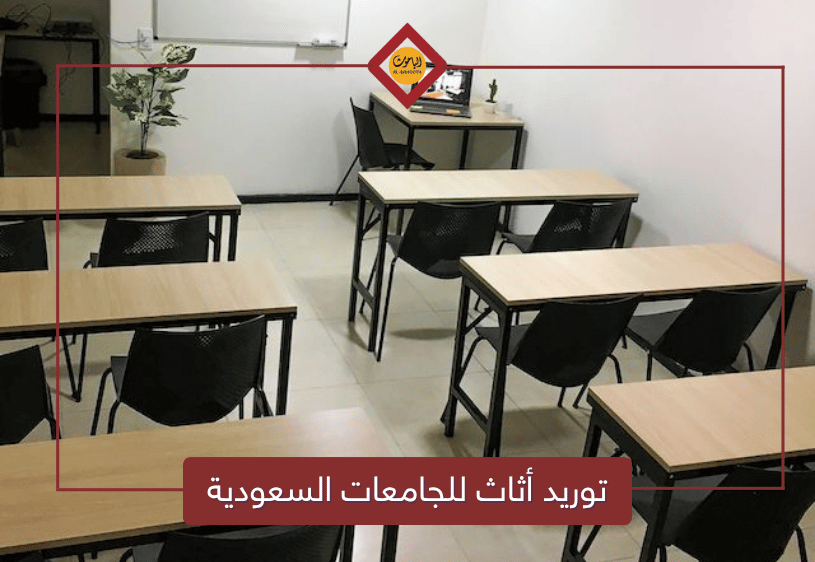
The university furniture supply sector in Saudi Arabia is experiencing remarkable growth, driven by expanding investments in higher education and the commitment of Saudi academic institutions to align with global design, quality, and functionality standards. University furniture is no longer viewed as a passive architectural fill; it serves as a fundamental pillar in constructing interactive, technology-enabled learning environments that foster innovation, collaborative research, and academic productivity.
This upward momentum reflects the ambition of Saudi universities to build integrated educational ecosystems supporting Saudi Vision 2030—advancing scientific research, modernizing campus infrastructure, and catering to the evolving expectations of future student generations. Current procurement strategies focus on supplying innovative classroom furniture, high-tech laboratory workstations, and ergonomic administrative suites that harmonize comfort, long-term durability, and environmental sustainability.
Defining University Furniture Supply and Procurement Logistics
University furniture supply encompasses providing public and private higher education institutions with specialized educational, administrative, laboratory, and campus communal furniture. The process spans an end-to-end operational lifecycle: from initial spatial design and engineering specifications to manufacturing, international sourcing, freight logistics, site installation, and comprehensive post-handover quality assurance.
How the Procurement Lifecycle Works:
- Needs Assessment and Spatial Planning: Engineers and educational designers analyze campus floor plans, expected student capacity, utility connections, and future facility expansion goals.
- Design Prototyping and Engineering: Furniture models are customized for lecture halls, research laboratories, faculty suites, and student lounges to maximize spatial efficiency and ergonomic comfort.
- Fabrication and Sourcing: Raw materials are processed via specialized domestic manufacturing facilities or imported from international suppliers under strict technical specifications.
- On-Site Installation and Commissioning: Specialized technical teams assemble, anchor, and calibrate all furniture units on-site under civil defense and safety supervision.
- Quality Verification and Lifecycle Maintenance: Independent quality checks are performed prior to final sign-off, supported by ongoing preventative maintenance and replacement warranties.
Primary Suppliers and Key Industry Vendors
- Specialized Domestic Manufacturers: Saudi-based companies with extensive experience in educational outfitting, possessing deep knowledge of regional environmental conditions, local building codes, and academic standards.
- Pre-Qualified University Contractors: Accredited vendors selected through official government tenders (such as the Etimad portal) based on technical compliance, financial solvency, and structural execution capacity.
- Regional and International Technology Partners: Specialized global manufacturers providing high-tech laboratory equipment, specialized cleanroom furniture, and modular architectural systems.
- Integrated Supply Alliances: Strategic joint ventures between raw material processors, interior designers, and installation firms offering turnkey solutions from design through post-sale support.
Evolving University Procurement Standards and Requirements
Saudi universities have become increasingly rigorous when evaluating vendor qualifications and technical furniture specifications. Procurement priorities have shifted beyond upfront cost to prioritize lifecycle value, user ergonomics, smart technology integration, and environmental compliance:
- High Structural Durability: Heavy-duty construction capable of withstanding intensive daily use in high-density lecture halls and communal study zones.
- Ease of Cleaning and Maintenance: Non-porous, stain-resistant, and anti-bacterial surfaces that maintain high hygiene standards across high-traffic academic facilities.
- Climate Resistance: Enhanced resistance to thermal expansion, humidity, and impact damage, reducing long-term repair and premature replacement cycles.
- Spatial Reconfigurability: Lightweight, mobile, or modular designs that allow instructors to quickly adjust seating configurations for active learning, group work, or traditional lectures.
- Embedded Technological Infrastructure: Smart desks, integrated power outlets, wire management channels, and wireless charging pads supporting digital learning devices.
- Environmental Sustainability Compliance: Utilization of eco-friendly, low-emission materials, recyclable plastics, and certified sustainable timber adhering to Saudi green building standards.
- Turnkey Support Services: Comprehensive project packages incorporating interior architecture, fast-track delivery schedules, and certified installation teams.
Functional Design Adaptations for Modern Academic Spaces
Campus design requirements extend well beyond surface aesthetics, focusing on functional integration with modern pedagogy. As active learning models replace static instruction, furniture supply must offer flexible, multi-functional seating and work surfaces that reconfigure effortlessly between theoretical lectures, team workshops, and practical research modules.
Quality Standards, Material Specifications, and Regulatory Compliance
The structural integrity of academic furniture relies heavily on material selection and manufacturing precision. Heavy-gauge powder-coated steel frames, high-density polypropylene, and reinforced fiberglass cores deliver long-term resilience under continuous campus use.
Core Material Requirements:
- Chemical-Resistant Work Surfaces: Science and medical laboratory furniture utilizes solid phenolic resin, epoxy resin, or stainless steel tops to resist harsh chemical spills, heat, and physical abrasion.
- Hygienic and Sanitizable Finishes: Non-porous laminates enable rapid disinfection across classrooms and public gathering spaces.
- Structural Finish Quality: Industrial-grade powder coatings and sealed edge-banding prevent peeling, rusting, or moisture ingress over decades of daily operations.
Compliance with Saudi Commercial Regulations:
Saudi universities mandate strict adherence to regulations established by the Ministry of Commerce and the Saudi Standards, Metrology and Quality Organization (SASO). Vendors must maintain official commercial registration, ISO quality management certifications, and independent laboratory test reports verifying structural load capacity, fire retardancy, and non-toxic material compositions.
Achieving Sustainable Campus Procurement:
Environmental sustainability criteria emphasize sourcing locally manufactured or recycled raw materials, adopting zero-waste manufacturing processes, and utilizing modular designs with replaceable components. This approach reduces the environmental footprint while lowering long-term facility operating costs.
Technical Innovation across Specialized Campus Facilities
Interactive Classrooms and Smart Desks
Modern Saudi classrooms are transitioning toward flexible, technology-infused learning spaces. Mobile flip-top desks, castor-mounted chairs, and smart lecterns featuring integrated power hubs, cable management raceways, and device stands allow seamless interaction with laptops and tablets.
Advanced Research and Teaching Laboratories
Laboratory furniture supply prioritizes strict safety protocols and ergonomic adaptability. Workbenches feature height-adjustable mechanisms, integrated gas and water utility taps, overhead service booms, and dedicated chemical storage cabinets. Custom lab configurations are developed collaboratively between vendors and university faculties to meet specialized engineering, medical, and chemistry research needs.
Modernized Faculty and Executive Suites
Faculty offices are engineered to balance privacy, administrative productivity, and student consultation needs. Modern executive desks feature clean lines, integrated wire management, modular storage units, and ergonomic task chairs that reflect the academic institution's brand identity.
The Strategic Value of Domestic Supply Chains
Saudi national companies, such as AL-Bahooth Furniture, play a vital role in meeting campus outfitting demands by combining industrial capacity with a deep understanding of regional academic needs. Domestic manufacturers offer comprehensive advantages that international suppliers cannot easily match:
- Custom Bespoke Fabrication: Ability to tailor furniture dimensions, color palettes, and material finishes precisely to specific university architectural plans.
- Cost Competitiveness: Lower freight, import tariff, and international transit costs compared to overseas suppliers, offering superior financial value.
- Rapid Project Execution: Proximity of domestic manufacturing plants enables fast-track production, swift site delivery, and agile installation management.
- Uninterrupted Supply Chain Resilience: Sourcing locally protects university expansion projects from international shipping delays, currency fluctuations, and global geopolitical trade disruptions.
- Economic and Social Impact: Localizing furniture supply creates specialized technical jobs, strengthens national manufacturing infrastructure, and aligns directly with Saudi Vision 2030 economic diversification goals.
Industry Leadership: AL-Bahooth Furniture
Established in 1395 AH (1976 CE), AL-Bahooth Furniture has solidified its reputation as a premier supplier of academic, administrative, medical, and hospitality furniture across Saudi Arabia. Combining domestic production at its Qassim Furniture Factory with direct sourcing partnerships across Europe, Turkey, and China, the company provides diverse, high-performance furniture solutions tailored to large-scale university projects.
AL-Bahooth offers an end-to-end service model—guiding university clients from initial spatial planning and custom fabrication to final on-site installation and preventative maintenance. By integrating strict environmental sustainability practices, advanced production technologies, and ergonomic engineering, AL-Bahooth remains a trusted strategic partner for higher education institutions seeking world-class learning environments.
Frequently Asked Questions
1. What are the primary logistical challenges in university furniture supply?
The main challenges include managing tight delivery schedules tied to academic calendars, coordinating complex multi-building installations, ensuring strict compliance with technical bid specifications, and maintaining consistent quality control across large-volume orders.
2. What is more advantageous for Saudi universities: local manufacturing or international importing?
Local manufacturing offers greater design flexibility, faster project delivery, responsive post-sale support, lower carbon footprints, and supply chain reliability. Sourcing international items can be useful for highly specialized niche technologies, but often carries longer lead times and higher shipping logistics costs.
3. How do universities guarantee the long-term durability of their furniture investment?
Universities ensure longevity by specifying commercial-grade raw materials (such as heavy-gauge steel and chemical-resistant resins), requiring certified SASO performance test reports, selecting modular components with replaceable parts, and establishing scheduled preventative maintenance agreements with suppliers.
Conclusion
The university furniture supply sector in Saudi Arabia is undergoing a strategic evolution focused on specialization, technological integration, and environmental sustainability. By partnering with experienced domestic manufacturers and pre-qualified suppliers, Saudi higher education institutions are securing durable, future-ready furniture solutions that create inspiring, highly functional learning environments for the next generation of scholars and leaders.