Wall Cladding Trends & Solutions: Transform Your Space
Discover how wall cladding boosts durability and interior aesthetics. Explore key types, eco-friendly materials, and custom Saudi design solutions from AL-Bahooth.
Makaseb
September 1, 2025 at 6:11 pm AST
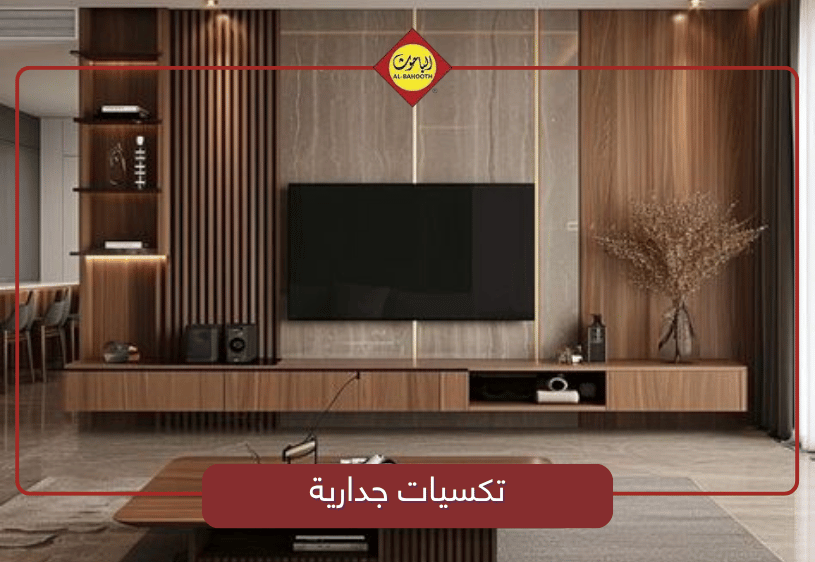
Wall cladding is no longer just a decorative element added to spaces; it has transformed into a fundamental pillar in the world of interior and exterior design. Combining strength that protects walls with beauty that elevates any environment, wall cladding provides a luxurious touch reflecting style and identity. Whether building a new home, developing a commercial project, or renovating an existing space, incorporating wall cladding unlocks broader horizons for innovation and delivers long-term value.
This guide provides a step-by-step walkthrough of wall cladding, exploring its benefits, material options, and creative applications across Saudi Arabia.
What Is Wall Cladding?
Wall cladding refers to covering layers applied to interior or exterior walls to deliver simultaneous protection and decoration. Manufactured from stone, wood, metal, brick, ceramic, or composite panels, it offers designers and architects broad freedom in selecting the ideal aesthetic. Beyond decorative value, cladding protects walls against scratches, moisture, and temperature fluctuations.
How Does It Differ from Other Finishes?
The core difference between wall cladding and alternative finishes—such as paint or wallpaper—lies in functional performance. While paint is limited to adding color and surface visuals, cladding provides a protective insulation layer against environmental factors and increases long-term surface durability.
Additionally, cladding delivers richer texture, visual depth, and design versatility. Rather than functioning solely as surface decoration, it introduces tangible materials and dimensions that redefine wall structures—whether creating a classic stone aesthetic or a modern feel using metal or composite panels.
What Materials Are Used?
- Natural Stone: Includes granite, marble, and limestone, offering high strength and weather resistance.
- Natural & Treated Wood: Adds warmth and texture, with options treated to resist humidity and insects.
- Metals (Aluminum, Stainless Steel, Copper): Used for modern, industrial-style cladding that is durable and easy to maintain.
- Brick: Provides a rustic, traditional appearance paired with thermal insulation.
- Fiber Cement: Strong and lightweight, ideal for exterior applications subjected to harsh weather conditions.
- Ceramic & Advanced Porcelain: Offers moisture resistance alongside diverse colors and patterns.
- Composite Panels: Combine multiple raw materials to deliver balanced performance, durability, and aesthetic flexibility.
Why Choose Wall Cladding?
- Superior Protection: Resists harsh weather conditions, including humidity, extreme heat, rain, and direct sunlight.
- Impact Resistance: Acts as a protective shield against impacts and scratches compared to paint and wallpaper, ensuring long-term sustainability.
- Elevated Aesthetics: Adds a luxurious touch through natural materials like stone and wood, highlighting local character and cultural taste.
- Structural Preservation: Prevents cracks and surface erosion, a crucial feature in severe climatic environments like the Gulf region.
How Does It Enhance Durability and Insulation?
High-quality wall cladding acts as a dual-insulation layer against heat and noise. When installed in residential buildings, it noticeably reduces heat penetration during summer, lowering interior energy consumption. In high-traffic commercial projects, cladding serves as an effective acoustic barrier, elevating comfort and boosting productivity.
Does It Increase Property Value?
Wall cladding is an investment in market value rather than a cosmetic upgrade. Buildings utilizing durable, high-end cladding types experience significant valuation increases during resale or leasing. Buyers and tenants recognize that these protective layers lower maintenance costs, preserve structural integrity, and create attractive architectural appeal.
What Are the Most Popular Wall Cladding Types?
What Are the Advantages of Stone Cladding?
Stone cladding features high durability and natural textures that add a prestigious character to walls. It is frequently specified in high-end locations, such as villas, luxury estates, and exterior facades, due to its robust and refined appearance.
When to Prefer Wood vs. Composite Panels?
Natural wood is selected when the goal is to infuse warmth and natural character into spaces—particularly within villas, executive offices, and luxury lounges. Composite panels offer a practical solution for modern projects by combining ease of installation with advanced insulation properties, making them ideal for rapid-construction commercial developments.
Character
- Wood: Features a warm, natural appearance that adds a traditional, authentic touch.
- Composite Panels: Deliver a sleek, functional aesthetic suited for modern designs.
Primary Use
- Wood: Ideal for luxury villas, estates, and high-end executive offices.
- Composite Panels: Suited for modern developments and fast-track projects.
Key Features
- Wood: Evokes a feeling of natural comfort and familiarity.
- Composite Panels: Provide advanced insulation and easier installation compared to solid timber.
Why Are Metal and Porcelain Cladding Expanding?
Metal and porcelain cladding are growing in popularity due to their ability to withstand severe weather, minimal maintenance requirements, and long service life. Furthermore, their alignment with sustainable building criteria makes them practical choices for modern architectural projects.
What Is the Difference Between Ceramic and Porcelain?
Ceramic is widely used in budget-conscious projects requiring rapid installation, offering cost efficiency and broad availability. Conversely, porcelain is recognized for its high density, superior durability, and resistance to moisture and extreme heat, making it suitable for heavy-use environments or areas exposed to climate fluctuations.
How Does Wall Cladding Contribute to Saudi Interior Design?
- Authentic Luxury: Incorporating natural stone and marble into interior and exterior walls reflects local architectural identity while projecting elegance.
- Refined Accents: Utilizing wood and composite panels in living spaces, offices, and traditional reception areas (Majlis) with detailed geometric patterns or 3D relief panels adds spatial depth.
- Heritage Fusion: Incorporating designs inspired by Islamic geometric patterns and traditional motifs creates visual balance between cultural heritage and modern design requirements.
How Does Material Selection Connect to Culture and Identity?
Adopting wall cladding in Saudi homes and commercial projects connects directly to cultural identity. Islamic patterns and traditional motifs serve as architectural expressions rooted in heritage. Integrating these elements with modern materials creates personalized spaces where authenticity blends seamlessly with contemporary style.
What Is the Importance of Insulation and Functional Performance?
Beyond visual appeal, wall cladding performs important functional roles by delivering acoustic and thermal insulation tailored to hot, arid climates. Material selection prioritizes dust and moisture resistance to simplify maintenance and surface cleaning in public and commercial venues. These attributes make cladding an integrated solution supporting functional performance.
Where Is Wall Cladding Commonly Applied?
- Villas and Residences: To highlight luxury and individuality within residential interiors and facades.
- Reception Halls: To establish a refined first impression.
- Traditional Majlis: To feature Arabic motifs and authentic textures.
- Luxury Hotels: To enhance feelings of comfort and hospitality.
- Modern Offices: To achieve a professional yet warm environment.
- Shopping Malls: To construct attractive, durable environments capable of handling high daily foot traffic.
How Does Wall Cladding Compare to Alternatives?
Protection
- Wall Cladding: Robust and highly resistant to impacts and scratches.
- Paint: Vulnerable to surface damage and wear.
- Wallpaper: Limited protection and prone to tearing.
Durability
- Wall Cladding: Long-lasting; withstands heavy daily use.
- Paint: Moderate longevity; requires periodic repainting.
- Wallpaper: Low durability; susceptible to moisture damage.
Aesthetic Depth
- Wall Cladding: Adds rich texture, architectural depth, and premium quality.
- Paint: Limited to color application and basic visual effects.
- Wallpaper: Provides surface patterns and printed designs.
Insulation
- Wall Cladding: Effective for noise reduction and thermal insulation.
- Paint: Negligible insulation performance.
- Wallpaper: Minimal to non-existent insulation.
Installation Complexity
- Wall Cladding: Requires specialized, professional installation.
- Paint: Simple and rapid to apply.
- Wallpaper: Relatively straightforward application.
Recommended Application
- Wall Cladding: Luxury residences, commercial projects, and high-traffic spaces.
- Paint: Standard interiors and budget-conscious spaces.
- Wallpaper: Residential rooms where frequent design updates are desired.
What Are the Latest Innovations in Wall Cladding?
- Reclaimed Wood: Eco-conscious options combining natural aesthetics with high structural stability.
- Advanced Fiber Cement: Engineered panels offering enhanced moisture resistance and structural strength for exterior walls.
- Eco-Friendly Composites: Sustainable composite cladding providing refined finishes and extended product lifespans.
- WPC (Wood-Plastic Composite): Rapidly growing in demand due to its blend of timber visual qualities with plastic moisture resistance, adhering to environmental standards.
How Have Designs and Integrated Lighting Evolved?
Modern wall cladding has evolved into a versatile design system capable of integrating texture, depth, and illumination.
- 3D Textured Surfaces: Introduce dynamic visual motion and architectural depth.
- Reflective Finishes: Elegant surfaces designed to catch and diffuse ambient interior lighting.
- Integrated Lighting & Shelving: Embedded LED channels and floating display shelves that elevate spatial functionality.
Are Eco-Friendly Solutions Available?
The market shows a strong shift toward certified sustainable products aligned with environmental standards. Eco-conscious options—such as WPC panels and recycled composite cladding—allow project owners to balance aesthetics with environmental responsibility.
Why Choose AL-Bahooth Furniture for Wall Cladding?
Since its establishment in 1395 AH (1976 CE), AL-Bahooth Furniture has built a reputation as a leading Saudi brand delivering premium local and imported wall cladding solutions. Beginning with furniture importation, the company expanded into local manufacturing, providing end-to-end solutions covering interior design, custom panel fabrication, supply, and project execution across residential and commercial sectors.
AL-Bahooth stands out for its craftsmanship, material selection, and customized support—guiding clients from initial concept through final installation. By adopting sustainable practices and streamlined processes, the company ensures execution quality across every project phase. Whether seeking luxury accent feature walls or functional modern cladding, AL-Bahooth Furniture delivers integrated solutions combining beauty, simplicity, and performance.
Frequently Asked Questions About Wall Cladding
What Are the Main Types of Wall Cladding?
- Natural Stone (Marble, Granite): Provides luxurious aesthetics, high durability, and weather resistance.
- Natural & Treated Wood: Infuses interior spaces with natural warmth and texture.
- Metal Panels (Aluminum, Stainless Steel): Delivers a contemporary aesthetic with robust moisture protection.
- Ceramic & Porcelain: Preferred for easy cleaning, scratch resistance, and moisture protection.
- Fiber Cement: Designed for exterior longevity and weather resistance.
- Composite Panels: Blends multiple materials for practical, modern design applications.
What Is Interior Wall Cladding?
Interior wall cladding refers to protective and decorative surface paneling applied to internal walls. It shields surfaces from moisture, impact, and daily wear while enhancing overall interior aesthetics.
What Does Wall Cladding Mean?
Wall cladding consists of material layers installed over internal or external wall structures to improve visual appeal, introduce texture, and provide protective insulation against environmental elements.
Conclusion
Wall cladding serves as an essential design component uniting practical protection with visual appeal. By offering vast choices in materials, textures, and installation techniques, cladding empowers homeowners, architects, and designers to tailor interior and exterior spaces across Saudi Arabia for lasting elegance and performance.