What are Vision 2030 Pillars and Strategic Goals?
Preparing for Vision 2030 projects involves a comprehensive framework of structural, economic, and social reforms aimed at establishing the foundations for the Kingdom’s transformation
Makaseb
March 31, 2026 at 2:30 pm AST
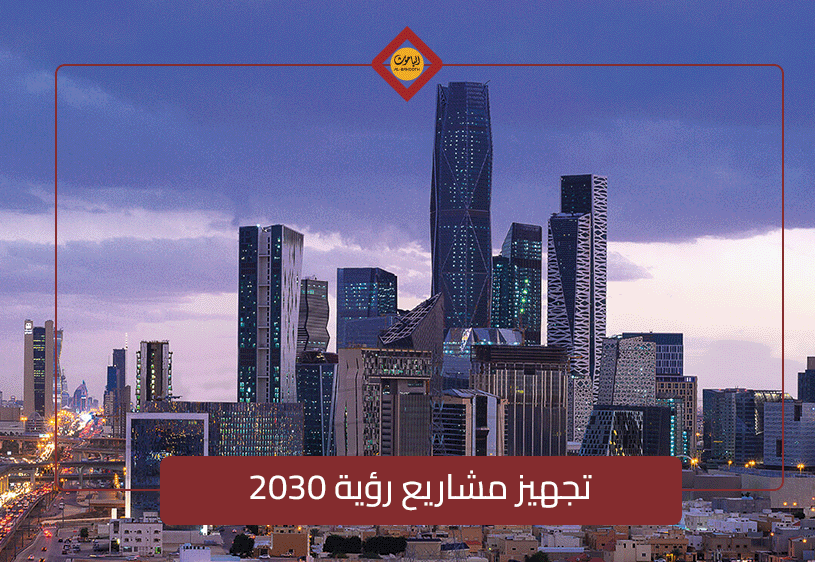
Saudi Vision 2030 represents a transformative national blueprint aimed at building a dynamic, post-oil economy driven by innovation, sustainability, and global competitiveness. A key part of this transformation is Preparing for Vision 2030 projects, where strategic planning and thoughtful design help turn ambitious ideas into real, measurable outcomes.
With its portfolio of megaprojects and reforms, Vision 2030 is reshaping industries, infrastructure, and urban life across the Kingdom. Through effective Preparing for Vision 2030 projects, every step—from planning to execution—contributes to realizing Saudi Arabia’s vision for a modern and sustainable future.
What is Involved in Preparing for Vision 2030 Projects?
Preparing for Vision 2030 projects involves a comprehensive framework of structural, economic, and social reforms aimed at establishing the foundations for the Kingdom’s transformation. It is a multidimensional process that not only addresses current challenges but also creates conditions for sustainable, inclusive, and innovation-driven growth.
What are the main focus areas?
The preparation phase targets several interconnected areas that form the backbone of Vision 2030’s implementation:
- Structural reform to modernize administrative systems and enhance government efficiency.
- Economic diversification to reduce dependency on oil revenues and expand into high-potential sectors.
- Regulatory overhaul to create an attractive investment environment and streamline procedures.
- Workforce development to equip citizens with skills aligned with future job markets.
- Strategic project planning to ensure that initiatives are aligned with long-term national objectives.
- Public-private partnerships (PPPs) to mobilize investment and enhance project execution capabilities.
Together, these efforts aim to boost non-oil exports, increase private sector contribution, create job opportunities, empower women, and ensure sustainable development through innovative national projects.
Which sectors are prioritized?
The sectors prioritized in the preparation for Vision 2030 projects include infrastructure, tourism, manufacturing, technology, ICT, trade, agriculture, and business process outsourcing. Each of these strategic areas plays a pivotal role in diversifying the economy, attracting foreign investment, and advancing Saudi Arabia’s position as a competitive player in global markets.
What are Vision 2030 Pillars and Strategic Goals?
Vision 2030 is built on three interconnected pillars that guide Saudi Arabia’s national transformation and emphasize the importance of Preparing for Vision 2030 projects across all sectors. The first pillar, a Vibrant Society, focuses on enhancing social and cultural development, celebrating heritage, and creating a rich lifestyle supported by strong community values.
The second pillar, a Thriving Economy, aims to diversify income sources, strengthen local industries, and foster innovation and entrepreneurship—making Preparing for Vision 2030 projects essential to support sustainable economic growth. The third pillar, an Ambitious Nation, focuses on improving government efficiency, accountability, and expanding the role of the non-profit sector to ensure long-term national progress.
What are the main strategic objectives?
Vision 2030 translates its pillars into measurable strategic goals that define the nation’s roadmap for sustainable growth:
- Increase the share of non-oil exports to 50% of the non-oil GDP, strengthening economic resilience.
- Raise private sector contribution to 65% of GDP, empowering businesses to lead growth.
- Reduce the unemployment rate to 7%, creating job opportunities across emerging sectors.
- Increase female participation in the workforce to 30%, unlocking national human potential.
- Boost the share of small and medium enterprises (SMEs) in the GDP to promote innovation and competition.
- Expand the volume of foreign investments to support knowledge transfer and global partnerships.
Which implementation programs support the vision?
To translate these goals into reality, Vision 2030 is supported by a series of national transformation programs that align resources, institutions, and policies around key priorities. These programs operate as engines of change across various sectors, paving the way for massive development initiatives and giga-projects.
- Financial Sector Development Program supports economic diversification and investment growth.
- National Industrial Development Program drives industrial capacity and export competitiveness.
- Quality of Life Program enhances living standards through improved services and cultural offerings.
- Housing Program increases homeownership opportunities and sustainable urban development.
- Human Capability Development Program focuses on education, training, and future skills.
- Health Sector Transformation Program improves healthcare accessibility and efficiency.
Together, these programs underpin transformative projects such as NEOM, Qiddiya, The Red Sea Project, and ROSHN, all supported by comprehensive regulatory and financial reforms that accelerate the realization of Vision 2030’s ambitions.
Why is the Preparation Phase Critical for Vision 2030 Project Success?
The preparation phase forms the backbone of every Vision 2030 initiative. As the first of three five-year cycles, it focuses on establishing the structural and regulatory frameworks necessary for sustainable transformation, highlighting the importance of Preparing for Vision 2030 projects from the earliest planning stages.
During this phase, ministries, agencies, and private entities align their goals, set clear baselines for progress, and strengthen institutional capacities. Through effective Preparing for Vision 2030 projects, organizations are better equipped to manage large-scale national initiatives and ensure successful implementation across the Kingdom.
This early groundwork ensures that the subsequent development and delivery phases operate on solid foundations. By preparing for Vision 2030 projects with clear governance models, transparent regulatory systems, and targeted human capital development, the Kingdom positions itself for long-term resilience and measurable impact. The emphasis on these fundamentals sustains momentum across strategic sectors and creates the environment needed to attract and retain investment.
What reforms occur during preparation?
- Market liberalization: Policies were introduced to open markets, increase competition, and expand private sector participation in sectors previously dominated by public entities.
- Sectoral regulatory changes: New frameworks were designed for industries such as energy, tourism, and technology, ensuring compliance, transparency, and investor confidence.
- Labor market upgrades: Reforms focused on improving workforce skills through training, localization initiatives, and expanded opportunities for women and youth.
- Investment in local content: The government encouraged local industries to participate in major project pipelines, promoting national enterprise growth and innovation.
- Development of PMOs: Project Management Offices were established across ministries and giga-projects to standardize processes, monitor performance, and ensure delivery excellence.
What is the measurable impact so far?
- Over 93% of early strategic targets have been achieved, reflecting the strength of Vision 2030’s initial framework.
- Traffic accident rates declined significantly due to improved infrastructure planning and enforcement reforms.
- A substantial increase in SMEs’ contribution to GDP demonstrated the success of market liberalization and entrepreneurial support.
- Expanded employment opportunities led to notable job creation for youth and women, aligning with social development goals.
- The tourism sector surpassed its 100 million visitor target, showcasing the tangible results of coordinated planning and investment.
Through these reforms and their early outcomes, the preparation phase has proven vital in turning Vision 2030 ambitions into measurable national progress and sustainable transformation.
What Practical Steps Can Local Businesses Take to Prepare for Vision 2030 Projects?
Local businesses aiming to align with Vision 2030 should start by registering with Monsha’at, the Small and Medium Enterprises Authority. This registration opens access to a range of financial and developmental resources designed to help companies scale up and compete for national projects. Among these are the SME Bank programs, which offer funding exceeding SAR 1 billion, and the Kafalah guarantees program, which has secured more than SAR 105 billion to support business growth and stability. In addition, Monsha’at’s Alfa Mile initiative assists promising enterprises in scaling operations and improving readiness for giga-project opportunities.
How to enhance production and capabilities?
- Businesses can take advantage of extensive training initiatives, with over 100,000 beneficiaries having already participated in skill-building programs focused on sustainable design, modern production, and advanced manufacturing.
- Support centers, which have hosted around 66,000 participants, provide hands-on guidance in implementing efficiency models and digital transformation strategies.
- Continuous upskilling ensures teams are ready to meet the high technical and quality demands set by Vision 2030 projects and international partners.
By investing in workforce development and technological readiness, local enterprises can strengthen their competitiveness and meet the evolving standards of the national transformation program.
How to join giga-project supply chains?
To become part of giga-project supply chains, businesses should prioritize offering locally manufactured and customized products that align with the unique requirements of large-scale developments such as NEOM, Qiddiya, the Red Sea Project, and ROSHN. These projects emphasize innovation, sustainability, and local content, creating significant opportunities for companies capable of delivering high-quality, tailored goods. Expanding into e-commerce is another key strategy, as digital platforms help reach broader markets, boost non-oil exports, and increase integration into regional and global supply networks.

What challenges should be expected?
- Limited financing options may slow project readiness, especially for SMEs requiring capital to expand operations or adopt new technologies.
- Procurement bureaucracy can delay onboarding processes and contract approvals, making it essential to understand bid and compliance procedures thoroughly.
- Regulatory compliance pressures may arise as new frameworks demand adherence to sustainability and localization standards.
- High technical standards set for Vision 2030 projects can present barriers for firms with outdated equipment or limited R&D capabilities.
Monsha’at supports overcoming these challenges through targeted advisory services, training programs, and tax assistance, providing the necessary guidance to help businesses strengthen their strategic and operational readiness for Vision 2030 participation.
How Can Furniture and Interior Design Providers Contribute to Preparing for Vision 2030 Projects?
Preparing for Vision 2030 projects demands a wide range of specialized furniture and interior design services tailored to the scale and diversity of upcoming developments. These include:
- Office furniture solutions that enhance functionality, efficiency, and aesthetics in government and corporate spaces.
- Residential and hospitality furnishings to meet the high standards of comfort and design expected in luxury housing and hotel developments.
- Metal and medical furniture crucial for equipping hospitals, clinics, and laboratories aligned with the expansion of the healthcare sector.
- Bespoke design and fit-out services to ensure interiors match the identity and vision of each project.
- Comprehensive project supply and installation guaranteeing timely delivery, assembly, and quality control across large-scale ventures.
- Computer and office equipment supply that integrates seamlessly with modern workspace requirements and smart-city infrastructure.
Together, these services create a cohesive environment that aligns with the goals of Vision 2030, emphasizing innovation, quality, and national transformation.
How do customized solutions support project goals?
Customized furniture solutions play a vital role in achieving Vision 2030’s objectives by addressing the specific demands of giga-projects and institutional developments. Tailor-made and locally produced designs—such as those offered by Al-Bahouth Furniture—help create environments that combine beauty, functionality, and durability while adhering to Saudi standards.
How is local sourcing promoted?
Local sourcing is a core strategy for preparing for Vision 2030 projects, ensuring economic growth and knowledge transfer through several practices:
- Integration into project tendering so that Saudi-made products are prioritized in official procurement processes.
- Preference for locally manufactured furniture, reinforcing the national goal of increasing domestic production and reducing import dependency.
- Tailored manufacturing plans that align with giga-project timelines, guaranteeing synchronization between production and on-site delivery.
- Competency development programs to upskill local staff in design, manufacturing, and project management roles.
- Collaboration with architects and developers, enabling early-stage coordination that ensures both design coherence and compliance with project specifications.
Through these initiatives, furniture and interior design providers strengthen local industries, contribute to sustainable development, and become pivotal players in the realization of Vision 2030’s ambitious targets.
How Are Global Best Practices Applied in Preparing for Vision 2030 Projects?
Centralized Project Management Offices (PMO) and Enterprise Portfolio Management (EPM) units play a vital role in ensuring governance, resource optimization, and strategic alignment across projects tied to Vision 2030. These structures create an integrated framework that allows organizations to monitor performance, control budgets, and maintain alignment with national priorities.
For instance, government entities, giga-projects, and SMEs in Saudi Arabia increasingly employ EPM systems to coordinate complex portfolios, improve efficiency, and deliver outcomes that support Vision 2030’s economic transformation goals.
How are hybrid methodologies adapted?
- Agile for creative and tech-oriented initiatives: Agile principles are adopted in innovation-driven sectors to encourage rapid iteration, flexibility, and user-centered development.
- Waterfall for large-scale construction projects: A structured, stage-based approach ensures predictability, risk management, and adherence to safety and regulatory standards.
- Six Sigma for process improvement: Lean and Six Sigma methodologies drive continuous enhancements in operations by minimizing errors and optimizing resource use.
Tailoring these hybrid frameworks enables teams to combine flexibility with disciplined execution, aligning every project with Vision 2030’s quality and sustainability objectives.
How do ERP and digital tools enhance collaboration?
Integrated ERP solutions streamline workflows across departments and sectors, fostering transparency and real-time coordination. By centralizing data and automating reporting, these platforms support data-driven decision-making, accelerating responses to project challenges. This interconnected environment minimizes delays, enhances accountability, and helps synchronize national-scale initiatives from planning to implementation.
What training programs are used?
- PMBOK certifications: Encourage standardized project management practices and improve competency levels across public and private sectors.
- Digital learning platforms: Offer flexible, continuous learning opportunities that help teams stay updated with evolving project technologies.
- Annual skills workshops: Provide immersive experiences and practical training that equip local professionals to meet Vision 2030’s dynamic project requirements.
Through these programs, Saudi organizations cultivate a skilled workforce capable of applying global best practices while addressing national priorities with precision and innovation.
FAQs – Preparing for Vision 2030 Projects
What are the three pillars of Saudi Vision 2030?
Vision 2030 is structured around three main pillars: a Vibrant Society that nurtures cultural identity and quality of life, a Thriving Economy that diversifies income sources and enhances competitiveness, and an Ambitious Nation that leads with accountability, efficiency, and innovation. These pillars form the foundation of all transformation programs within the Vision framework.
How is Saudi Arabia progressing toward Vision 2030?
Saudi Arabia continues to make measurable progress toward Vision 2030 targets through rapid economic diversification and large-scale infrastructure upgrades. The country is expanding in technology-driven sectors while becoming a global destination for religious and leisure tourism. Regulatory reforms have accelerated the ease of doing business, with many performance indicators surpassing original benchmarks. Economic growth figures, increased foreign investment flows, and rising employment rates demonstrate tangible advancement across strategic sectors.
How can small businesses participate?
Small and medium enterprises play a vital role in Vision 2030’s ecosystem. They can participate by registering through Monsha’at, the General Authority for SMEs, which provides curated funding programs, mentorship, and networking opportunities. By aligning their services or products with the procurement needs of flagship Vision 2030 projects, SMEs can embed themselves in major supply chains and contribute directly to national transformation.
Preparing for Vision 2030 projects represents a defining moment for businesses aiming to align with Saudi Arabia’s ambitious transformation. This era opens the door to extraordinary growth, innovation, and the building of industries that reflect both national pride and global competitiveness. Organizations and professionals who position themselves strategically today will be at the forefront of shaping a knowledge-based, dynamic economy.
