Wooden Wall Cladding: Types, Benefits, & Trends
Discover how wooden wall cladding brings natural warmth, acoustic insulation, and timeless style to modern interior spaces. Explore solutions with AL-Bahooth.
Makaseb
September 10, 2025 at 6:26 pm AST
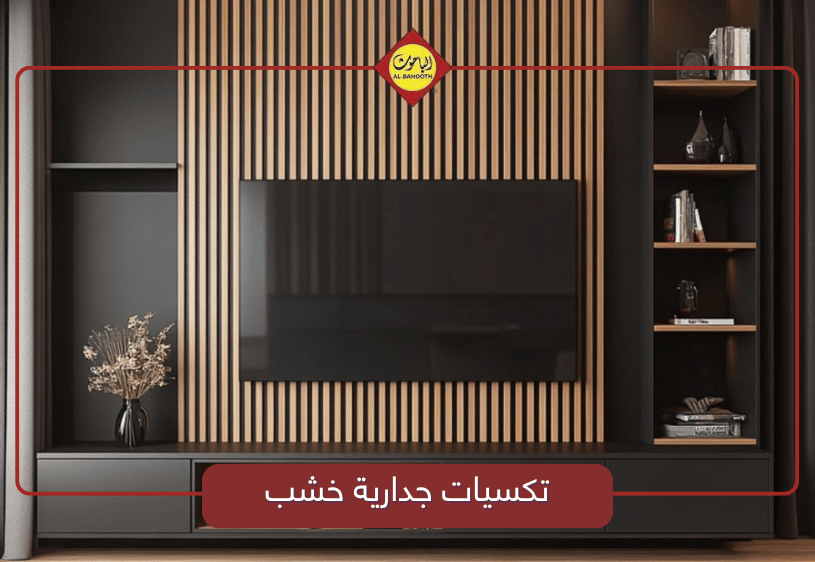
Wooden wall cladding has evolved beyond a decorative accent into a fundamental element of contemporary interior design. By combining natural organic texture, visual warmth, and acoustic insulation, timber wall paneling enhances both residential homes and commercial environments across Saudi Arabia and the broader region.
This guide explores the historical evolution of wooden cladding, primary timber species, installation mechanisms, modern acoustic trends, and ongoing maintenance strategies.
What Is Wooden Wall Cladding?
Wooden wall cladding consists of engineered or natural timber facing panels mounted onto internal walls or external building facades. Beyond its visual role, wood cladding serves practical architectural functions by providing wall protection, improving acoustic dampening, and contributing to indoor thermal regulation.
Historical Evolution & Modern Development
Historically, wood paneling served functional needs like weather protection and structural insulation. Classic styles—such as solid tongue-and-groove boards, beadboard, and vertical board-and-batten configurations—were standard features in traditional homes.
Modern manufacturing has expanded these traditional forms to include engineered timber substrates like Medium-Density Fiberboard (MDF), high-grade plywood, and Wood-Plastic Composite (WPC) profiles. These modern materials reduce manufacturing costs, improve moisture resistance, and simplify on-site installation while offering broad color and surface finish options.
Common Timber Substrates
- Solid Natural Wood: Oak, pine, ash, cedar, and walnut offer distinct grain patterns and structural longevity for luxury interior spaces.
- Medium-Density Fiberboard (MDF): An economical, dense core substrate ideal for precise CNC routing, fluted designs, and custom painted finishes.
- Engineered Plywood: Features layered veneer construction that resists warping under changing humidity and temperature conditions.
- Composite Materials: Blends wood fibers with synthetic polymers to deliver water-resistant solutions for high-humidity interiors and exterior cladding.
Key Benefits of Wooden Wall Cladding
Natural Visual Warmth & Aesthetic Versatility
Wood paneling introduces organic texture and unique grain patterns that soften architectural spaces. Whether utilized in a matte finish with hidden ambient lighting or as bold dark walnut paneling in executive suites, wood cladding adapts seamlessly to minimalist modern, transitional, or traditional interiors.
Acoustic Insulation & Thermal Comfort
- Sound Reduction: Wooden cladding reduces sound transmission between rooms, increasing privacy in residential bedrooms and corporate conference rooms.
- Echo Control: Slatted and acoustic timber panels absorb sound reflections, lowering reverberation in open-plan living rooms and large lobbies.
- Thermal Barrier: Wood acts as a natural thermal insulator, helping maintain stable indoor room temperatures.
Primary Timber Species & Material Selection
Oak
Oak is known for its exceptional hardness, durability, and prominent grain pattern. It is an ideal choice for high-traffic commercial environments and high-end residential feature walls.
Pine
Lightweight and budget-friendly, pine features a pale color palette and soft grain structure. It takes stains easily and works well in minimalist, Scandinavian-inspired, or rustic spaces.
Ash
Ash provides high shock resistance and a straight, pale grain. Its uniform structure makes it suitable for modern, sleek wall paneling and custom joinery.
Walnut
Walnut offers rich, dark chocolate tones and elegant natural patterns. It is frequently selected for luxury executive offices, hospitality lobbies, and primary accent walls.
Cedar
Naturally light and moisture-resistant, cedar performs well in areas requiring a balance of natural beauty and environmental resilience.
Application & Installation Techniques
Surface Preparation Steps
- Leveling: Inspect and level the substrate wall to ensure no structural bumps impede flush panel alignment.
- Cleaning & Drying: Remove dust, debris, and moisture from the target wall surface to ensure secure adhesive bonding.
- Measurement & Layout: Measure wall dimensions accurately and plan panel layouts, accounting for electrical outlets and corner trims.
- Acclimatization: Allow solid wood panels to acclimatize to the indoor room temperature and humidity for 48 hours prior to fitting.
Mounting Mechanisms
- Adhesive Mounting: High-tack construction adhesives are used for lightweight MDF or thin veneer panels applied to smooth, flat drywall.
- Concealed Mechanical Fastening: Stainless steel clips or hidden screws secure heavy solid wood boards or acoustic slatted panels onto timber battens.
- Interlocking Spline Systems: Click-system and tongue-and-groove profiles ensure tight, invisible joints between panels without exposed nail heads.
Practical Applications Across Spaces
Residential Environments
- Feature Accent Walls: Adds focus behind living room TV units, main hallway foyers, or master bedroom headboards.
- Ceiling Cladding: Introduces architectural interest and warmth in open-plan dining rooms and grand reception halls.
- Room Dividers: Slatted timber screens separate open layout zones while maintaining light flow and visual connectivity.
Commercial & Hospitality Environments
- Corporate Offices: Enhances boardrooms and reception desks with sound-dampening acoustic slatted walls.
- Hotels & Restaurants: Creates welcoming, high-end guest experiences using rich timber tones paired with integrated architectural lighting.
- Retail Showrooms: Defines product zones and highlights brand identity through custom-finished timber paneling.
Modern Design Trends in Saudi Arabia
Acoustic Slatted & Fluted Panels
Fluted and slatted wood designs feature repeating vertical lines that add architectural height and textural depth. Built with sound-absorbing felt backings, these acoustic slatted panels improve interior sound quality while delivering a contemporary aesthetic.
Wood-Drenching & Full-Height Paneling
Wood-drenching involves cladding entire wall sections and ceilings in light-toned timber—such as ash or natural oak—creating unified, bright, and cozy interior environments.
Mixing Materials
Modern designers regularly pair natural wood cladding with brushed metal trims, polished marble, or dark tinted glass to create rich material contrast in luxury spaces.
Sustainable Sourcing & Local Heritage
In line with regional sustainability frameworks like Saudi Vision 2030, interior projects prioritize FSC-certified timber and recycled wood composites. Custom paneling also integrates traditional regional geometric patterns alongside modern linear layouts.
Care & Maintenance Guidelines
- Daily Dusting: Wipe surfaces regularly with a dry, soft microfiber cloth to prevent dust accumulation in recessed grooves.
- Moisture Management: Clean accidental spills immediately with a slightly damp cloth; never allow excess standing water to remain on wood joints.
- Avoid Harsh Chemicals: Skip abrasive sponges and strong chemical cleaners that can strip protective polyurethane or oil finishes.
- Protective Refinishing: Apply protective oils or clear topcoats every few years to preserve grain vibrancy and prevent fading from direct sunlight exposure.
Custom Solutions by AL-Bahooth Furniture
Established in 1395 AH (1976 CE) by Ahmed Suleiman Ali AL-Bahooth, AL-Bahooth Furniture provides comprehensive interior design, joinery fabrication, and installation services via Qassim Furniture Factory.
AL-Bahooth delivers bespoke wooden wall cladding solutions—combining local manufacturing precision with imported timber options. From initial spatial consultation and 3D design to precision CNC fabrication and professional installation, AL-Bahooth ensures seamless execution for both residential and commercial projects.
Frequently Asked Questions
What are the main types of wooden wall cladding?
Wooden cladding includes natural solid timber (such as oak, pine, and walnut), engineered wood products (MDF and plywood), and composite wood-plastic panels designed for enhanced moisture resistance.
What is the standard thickness for wood wall paneling?
Wood cladding thickness typically ranges between 6 mm and 18 mm, depending on the material substrate, panel design, and structural requirements of the wall.
Can wooden wall cladding be installed in damp environments?
Solid wood should not be exposed to direct water. However, specially treated composite wood or moisture-resistant MDF panels sealed with protective topcoats can be used near kitchens and well-ventilated areas.
Conclusion
Wooden wall cladding offers a practical, timeless, and flexible architectural solution that enhances both the aesthetic and functional quality of interior spaces. By selecting the appropriate timber species, utilizing correct installation methods, and maintaining the surface with simple care, wood cladding delivers lasting warmth, acoustic comfort, and value to any property.